REVIEW · POKHARA
Pokhara: 4-Day Ghorepani, Poonhill & Ghandruk Village Trek
Book on GetYourGuide →Operated by Linkage Tour & Travel · Bookable on GetYourGuide
Sunrise is the real reward here, and it’s close at hand. This 4-day trek from Pokhara through Ulleri and Ghorepani to Poonhill sunrise and then down to Ghandruk mixes big mountain drama with village life, and you’ll feel the difference when a guide like Bidur keeps things calm and well-paced. I love the contrast between steep effort and easy-walking breaks, and I also like that your guide talks mountains and Nepal culture as you go. The main drawback is simple: you need to be ready for early starts and uphill trekking even on a 4-day schedule.
What makes this route work is how quickly the scenery and rhythm change. You climb from terraced fields into rhododendron forests, pass waterfall spots, and then later drop into the Gurung community of Ghandruk, where the trip turns social and human-scale. Guides such as Krishna and Paras (names you might see in this region) are known for staying attentive during stops, which matters because short breaks can make or break your energy.
For comfort, you’ll use tourist-standard lodges, not luxury hotels, and meal inclusion depends on your option. That said, the setup often feels efficient: pickup in Lakeside Pokhara or at the airport, a licensed guide, and a clear route where you’re not left guessing.
In This Review
- Key Points You’ll Care About
- Where You Go: Pokhara to Poonhill and Ghandruk in 4 Days
- Day 1: Nayapool to Ulleri (1,960m) Through Terraces and Rhododendron
- Day 2: Ulleri to Ghorepani (2,850m) and the Waterfall Stops
- Day 3: Poonhill Sunrise (3,210m) and the Down-Shift to Ghandruk (1,940m)
- Day 4: Ghandruk to Nayapool, Then Back to Lakeside Pokhara
- Guides, Porters, and the Setup You’re Actually Paying For
- Lodges, Meals, and Altitude Reality Check
- Price and Logistics: What $172 Covers (and What Changes Your Cost)
- Who This Trek Suits Best (And Who Might Want Something Different)
- Should You Book This Ghorepani–Poonhill–Ghandruk Trek?
- FAQ
- What’s the highest point on this 4-day trek?
- How do you get to the trail from Pokhara?
- Are meals included?
- Do I need a porter?
- Is the tour private and in English?
- Can I cancel for a full refund?
Key Points You’ll Care About
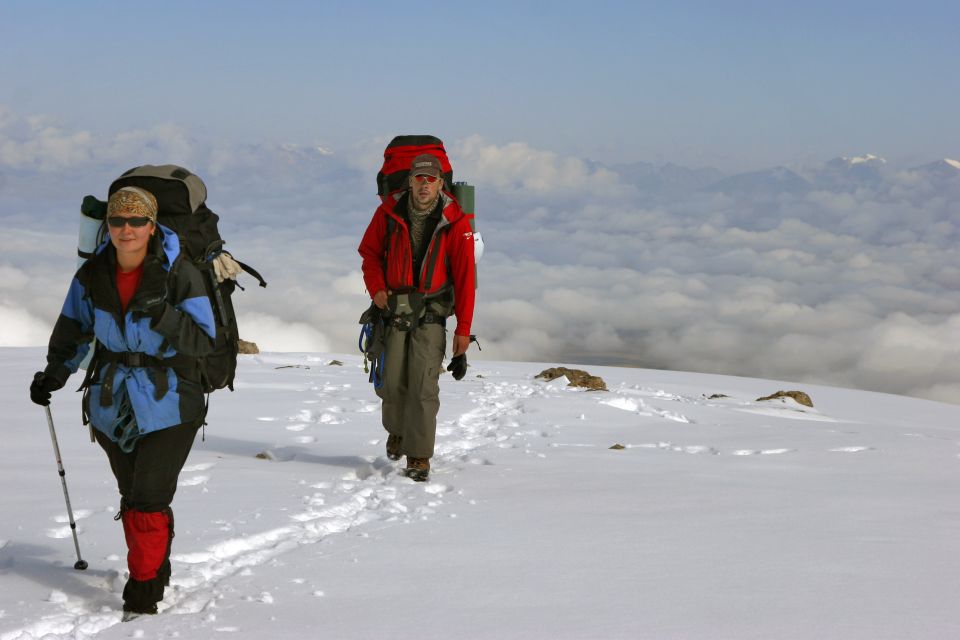
- Poonhill sunrise (3,210m) is the headline moment, with golden light across the Annapurna and Dhaulagiri ranges.
- Ghandruk is the cultural pay-off, a traditional Gurung village with panoramic mountain views.
- Rhododendron forests and waterfall stops give the trek variety, not just one long grind.
- The guide’s pace and attention are a big deal, with names like Bidur, Krishna, and Paras showing up in guide experiences.
- Private group trekking keeps the trip aligned with your speed and preferences.
- Value depends on your meal/porter option, since full-board and porter are tied to the premium setup.
Where You Go: Pokhara to Poonhill and Ghandruk in 4 Days
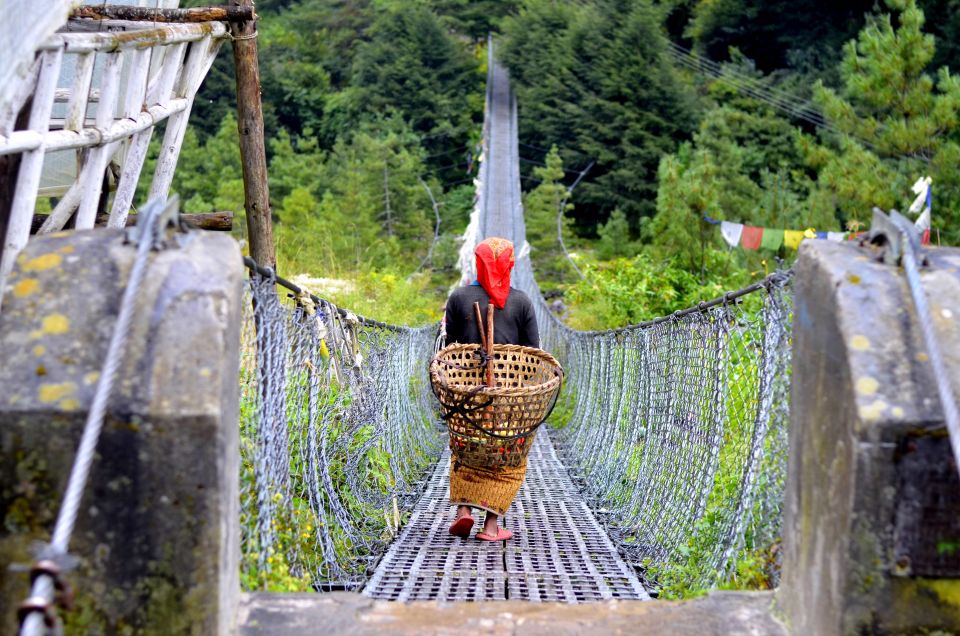
This trek is built around a classic Annapurna-area loop: starting from Pokhara, reaching hill villages one step at a time, then hitting Poonhill at dawn before finishing in Ghandruk. Even though it’s short, it doesn’t feel rushed, because Day 1 and Day 2 are paced climbs that get your legs moving without jumping you straight into the steepest part.
You’ll also notice a very practical rhythm. You’ll drive from Pokhara to Nayapool, then spend most of your days hiking between villages rather than trekking through “nothing.” That means you can fuel regularly, rest when you need to, and spend time watching village life shift as altitude increases.
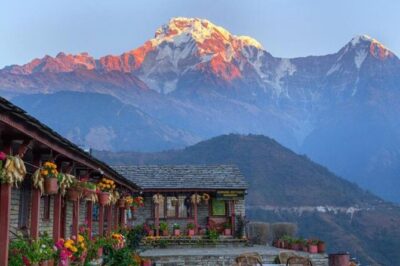
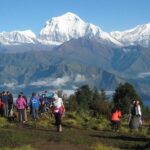
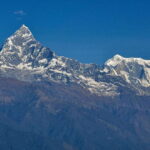
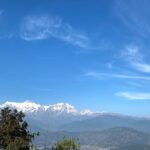
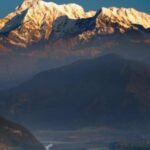
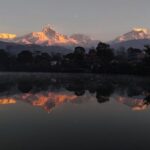
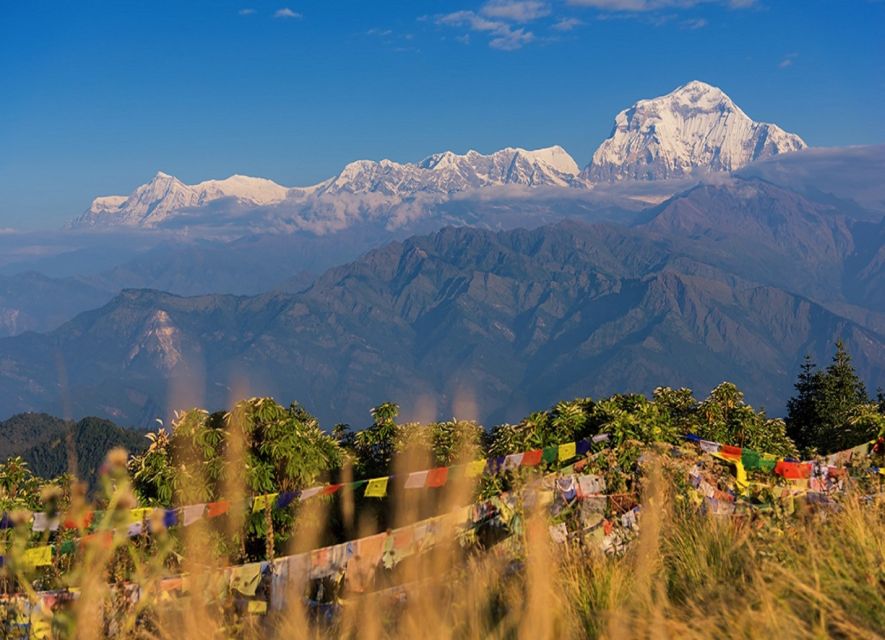
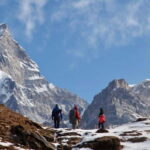
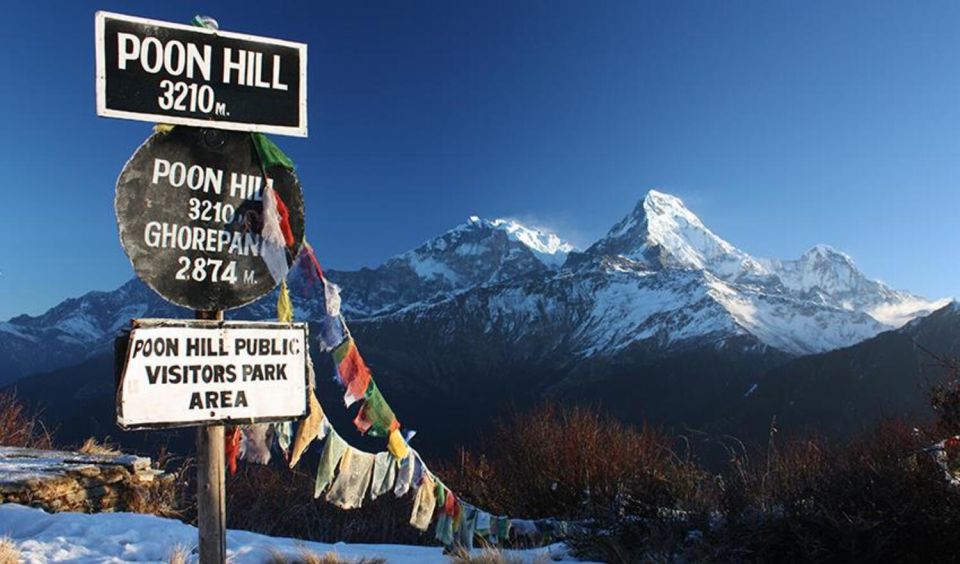
And yes, you’re doing this for views. The route is timed so you’re in position for sunrise over the Annapurna and Dhaulagiri ranges, with that early light turning the snow-covered peaks into something you’ll remember for a long time. The best part is that the views are not only at the top. You’ll get mountain drama on and off throughout the walk.
You can also read our reviews of more hiking tours in Pokhara
Day 1: Nayapool to Ulleri (1,960m) Through Terraces and Rhododendron
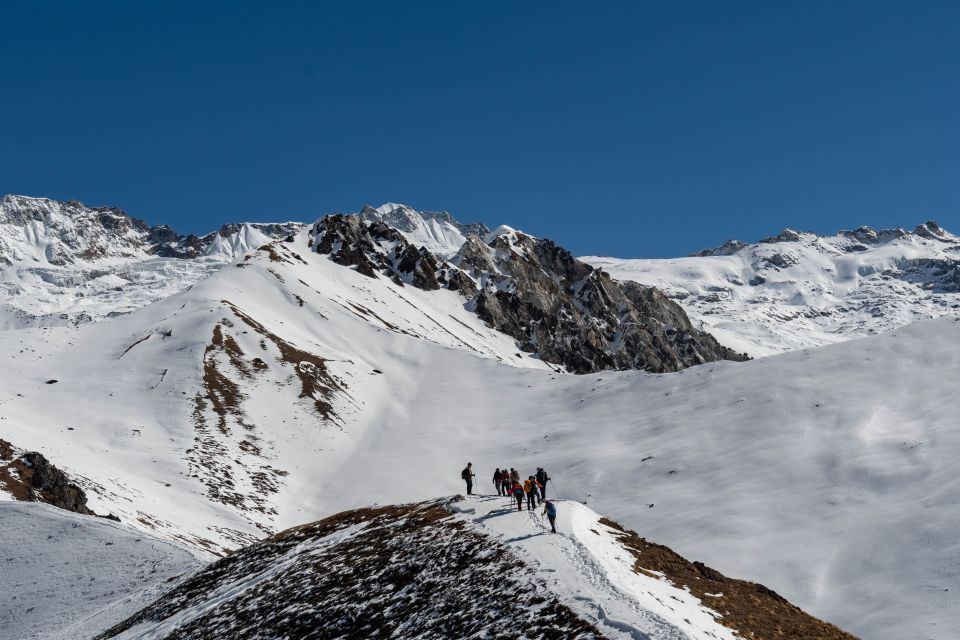
Day 1 starts with a drive from Pokhara to Nayapool, about 1.5 hours, which is a nice way to ease into the trek without burning energy on logistics. Then you transition into the walking: Ulleri sits at 1,960m, and the path climbs through terraced fields before it turns greener and more forested.
This is where I like the trek’s first-day “warm-up” feel. You’re moving uphill, but it’s not the kind of day that wipes you out completely. You’re also traveling through rhododendron forest sections, which means the air tends to feel cooler and the trail has more character than bare ridgelines.
Ulleri itself gives you an early sense of village rhythm. You’re not just passing through; you’re arriving somewhere that feels lived-in, with basic lodge stays and a chance to settle in for the next day. By the time you reach Ulleri, your goal is to feel ready—not exhausted—because tomorrow rises to a higher village.
Practical tip: keep your layers easy to adjust on Day 1. Forest sections can feel cooler, and then open patches can warm you up quickly.
Day 2: Ulleri to Ghorepani (2,850m) and the Waterfall Stops
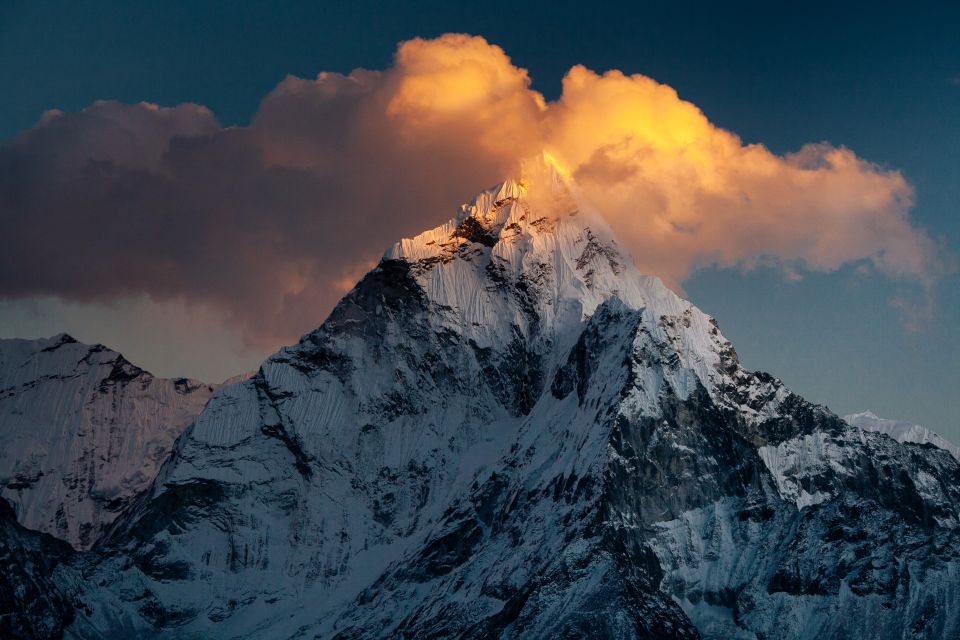
On Day 2, the route pushes higher, reaching Ghorepani at 2,850m. This is the day where you’ll feel the altitude more, mostly because the climbs continue and the air gets thinner. The trail runs through lush, wooded sections and you’ll likely encounter waterfall moments—short spots where the walk pauses in a good way.
I like Day 2 because it’s a bridge day. Ulleri prepares your body for uphill trekking, but Ghorepani is where the altitude and “Himalaya mood” really start to settle in. The village itself is lively enough for you to grab meals, refuel, and reset for the early morning.
This is also a good day to practice your trek pacing. A strong guide will help you move at a steady tempo so you can avoid the trap of starting too fast. Guides such as Bidur are often praised for staying courteous and adapting to pace, which is exactly what you want on a day like this. If you feel your breathing changing, it’s not a failure. It’s just your cue to slow down.
What to watch for: slippery trail sections during wet conditions, plus the simple truth that higher means colder at night. Your lodge stay in Ghorepani is part of the plan—sleep well, hydrate, and try to get the early morning right.
Day 3: Poonhill Sunrise (3,210m) and the Down-Shift to Ghandruk (1,940m)
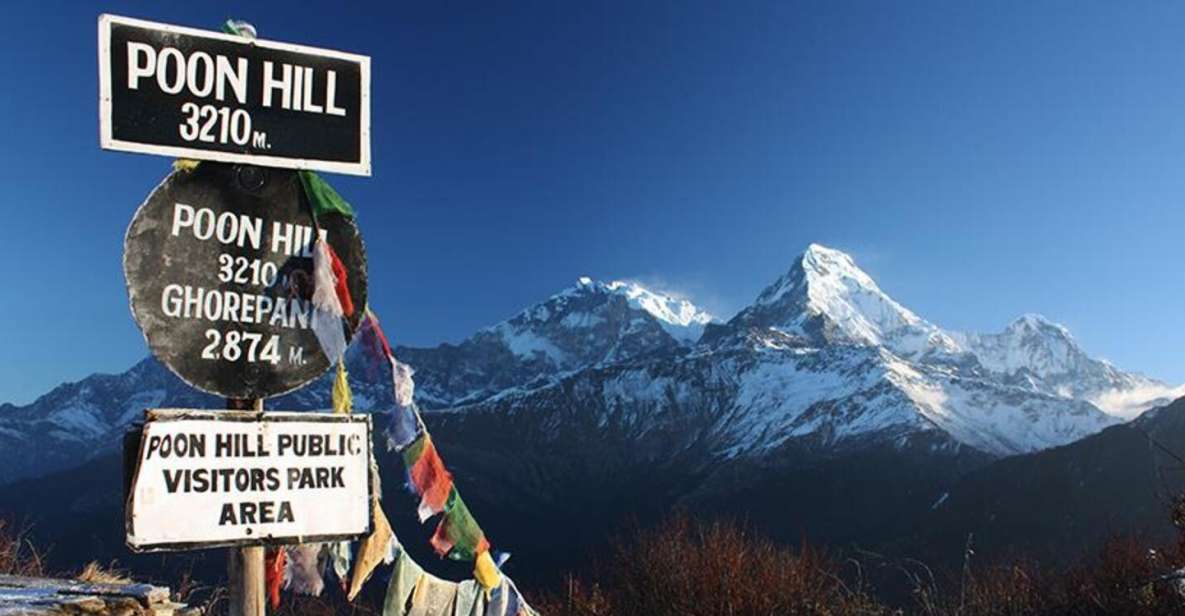
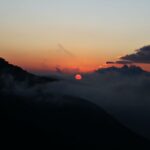
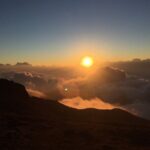
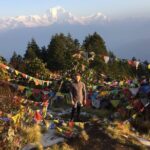
Day 3 is the big one: a very early hike to Poonhill at 3,210m for sunrise. This is where the trek earns its reputation. When the first light hits the Annapurna and Dhaulagiri ranges, the snow-covered peaks can look almost sculpted. It’s the kind of scene that makes the early start feel worth it.
But the best part is what happens after sunrise. Once you’ve had your view time, you descend to Ghandruk, dropping to 1,940m. That downshift changes the whole tone of the trip. Instead of chasing views up high, you’re walking toward village life, where culture is not an abstract idea—it’s what you see in everyday routines.
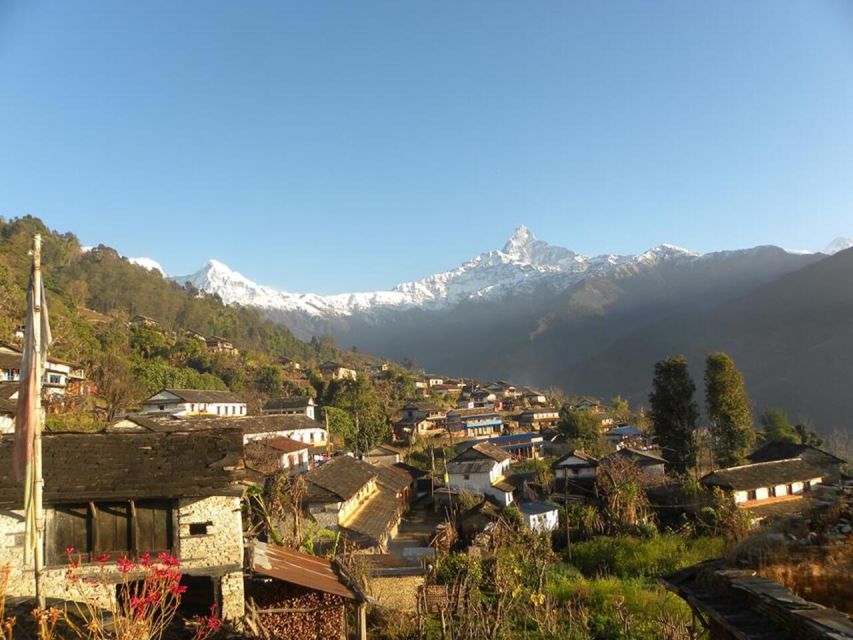
Ghandruk is a traditional Gurung village with cultural heritage and panoramic mountain vistas. You’re still in the mountains, but the trek becomes more social and grounded. You’ll spend more time noticing how people live and how the village supports trekkers.
A good guide makes this day even better because it’s not only about where you stand for sunrise. A thoughtful guide will point out what you’re looking at—peaks, ranges, and sometimes how local traditions connect to the mountains. People have noted guides like Krishna for providing helpful info at stops, and that kind of explanation makes sunrise feel more than just pretty.
Practical consideration: the cold can be real around dawn. If you’re not used to trekking mornings, pack for it and don’t try to “tough it out.”
Day 4: Ghandruk to Nayapool, Then Back to Lakeside Pokhara
Day 4 is your release day. You trek from Ghandruk to Nayapool and then drive back to Pokhara. The walking is a scenic descent, so it feels different from the earlier uphill days. Your legs might be tired, but your body knows what to do: step carefully, keep moving, and don’t rush.
This is also the day when you can reflect on the whole route. In only 4 days, you’ve gone from driving into the region to gaining altitude step by step, then returning to life at lower elevation. You’ll likely feel a mix of satisfaction and a small sadness when the mountains start to disappear behind you.
In Pokhara, the trek ends in a familiar comfort: pickup and drop services from any hotel in Lakeside Pokhara or the airport. It’s a nice finish because you’re not stuck figuring out transport right after you arrive tired.
If you want to make the most of your last evening, plan something low-key in Lakeside—an easy meal and a long shower go a long way after lodge trekking.
You can also read our reviews of more tours and experiences in Pokhara
Guides, Porters, and the Setup You’re Actually Paying For
Let’s talk value in plain terms. You’re paying for more than “someone to lead the way.” You’re paying for permits handled by the operator, a professional guide (government-registered), and a system that includes transportation and lodge planning.
Guides in these treks often make the biggest difference in comfort and confidence. Based on the guide styles you may encounter here, the best matches are people who:
- adjust to your pace,
- keep you informed about what you’re seeing,
- and choose rest stops and lodging thoughtfully.
Names like Bidur, Krishna, Paras, and Paras have come up in guide experiences, and the common thread is attention—being pleasant, courteous, and responsive when you stop. That matters because trek days are built on small moments: a quick check-in when you feel off, a timing suggestion when you’re walking toward sunset or sunrise, or a reminder to slow down.
Porter use is optional depending on which package you pick. If you’re on the premium/full-board setup, porter support is included, which can make a noticeable difference with the weight you carry. If you choose the standard option, you can still add a porter later (priced at $15 per day). Even if you’re fit, a porter can reduce the stress that comes from carrying more than you need.
The hiking pole help also shows up in the equipment extras: there’s mention of a duffel bag and trekking pole/trekking bag availability if required. That’s helpful if you’re traveling light and don’t want to chase gear in Pokhara.
Lodges, Meals, and Altitude Reality Check
Your sleeping arrangements are tourist-standard lodges. That means simple rooms, shared dining areas, and the kind of comfort that fits the trekking rhythm. You’re not going for hotel amenities; you’re going for warmth, a real meal, and solid sleep so you can wake up for the next day.
Meal inclusion depends on your option:
- Premium/full-board: breakfast, lunch, and dinner are included.
- Standard: meals are available to purchase.
This is worth checking because it changes your total cost and your daily flexibility. If you want less decision-making, premium/full-board is easier. If you prefer control over what you eat, standard can work, but you’ll be doing more ordering yourself.
Altitude reality check, without drama: this is a moderate trek by duration, but not a flat stroll. You’ll reach 3,210m at Poonhill and spend time around 2,850m in Ghorepani. If you’re new to altitude hiking, it helps to slow down, drink water, and treat dizziness or headache as a signal to talk to your guide. A good guide will help you pace and adjust.
Hydration and warm clothing are the two boring things that make the biggest difference. Early mornings are cold, and afternoons can feel warmer even in the hills.
Price and Logistics: What $172 Covers (and What Changes Your Cost)
The price listed is $172 per person for a 4-day trek. That sounds like a lot until you break down what’s included. Here’s the key: you’re not just paying for walking days. You’re paying for a full package that includes private accommodation on tourist-standard lodges, round-trip transportation, and pickups from your hotel or the airport.
You’re also covered for the basic paperwork: government permits and TIMS, plus taxes. Those details often get overlooked until you’re trying to organize them yourself.
Then there’s human support: a professional guide, and in the premium/full-board option, the porter is included along with food. On a standard option, porter support becomes optional, and meals move to purchase-at-the-lodge.
So the value equation depends on your choice:
- Choose premium/full-board if you want meals + porter support handled cleanly.
- Choose standard if you’re comfortable managing meals and you’re considering whether to add a porter at $15 per day.
Also consider the private group factor. A private trip typically costs more than a shared group, but it pays back in pace control and comfort. If you have a slower rhythm, need more photo stops, or want more explanation from the guide, private can feel like money well spent.
Who This Trek Suits Best (And Who Might Want Something Different)
This trek fits best if you want a strong first taste of the Annapurna region without committing to a longer multi-week trek. It’s short enough to finish in 4 days, but structured enough to feel like a real hiking experience with sunrise payoff and a village finish.
It’s a good choice if:
- you want Poonhill sunrise without a huge time commitment,
- you like meeting people and seeing how village life works in the mountains,
- you want a guided trek with English support,
- you prefer a private setup rather than joining a large mixed group.
It might be less ideal if:
- you hate very early mornings,
- you’re looking for a gentle stroll with no uphill effort,
- you struggle with stairs and uneven trails.
The good news is that guides on this route are set up to match your pace. If you’re realistic about the effort and plan layers and rest, you’ll likely find it manageable and satisfying.
Should You Book This Ghorepani–Poonhill–Ghandruk Trek?
If you’re chasing that classic moment when the sun hits the Annapurna and Dhaulagiri ranges, this is one of the most time-efficient ways to do it. The mix of Poonhill sunrise, the rhododendron and waterfall walking, and the cultural stop in Ghandruk gives you both view payoff and human-scale travel.
I’d book it if you want:
- a private guided experience in English,
- a route that includes transportation and permits,
- and an itinerary that ends with a return to Pokhara the same day you finish trekking.
I’d pause before booking if you’re likely to feel overwhelmed by cold dawns or you’re expecting “easy” hiking. If you can handle early starts and uphill days, you’ll come home with a clear win: a short trek that actually delivers.
FAQ
What’s the highest point on this 4-day trek?
You hike up to Poonhill at 3,210m for sunrise.
How do you get to the trail from Pokhara?
You’re picked up in Lakeside Pokhara (or at Pokhara Airport) and driven to Nayapool at the start of the trek, then you’re driven back to Pokhara at the end.
Are meals included?
Meals depend on the option. With the premium/full-board setup, breakfast, lunch, and dinner are included. With the standard setup, meals are available to purchase.
Do I need a porter?
A porter is included on the premium/full-board option only. On the standard option, a porter is optional at $15 per day.
Is the tour private and in English?
Yes, it’s a private group trek, and the live guide provides English language support.
Can I cancel for a full refund?
You can cancel up to 24 hours in advance for a full refund.