REVIEW · POKHARA
4 Day Poon Hill Trek from Pokhara
Book on GetYourGuide →Operated by Peak to Peak Treks · Bookable on GetYourGuide
Poon Hill is the kind of hike that turns a morning walk into a serious mountain moment, and this Pokhara-based trek is built to get you there without chaos. I like that you get Poon Hill sunrise and Annapurna-area views in a short time, plus a guide who keeps the route clear and the days moving.
Two other things I really appreciate: the day-by-day structure across Birethanti, Ghorepani, and Ghandruk, and the inclusion of permits, a TIMS card, and private car transfers. One thing to consider first is that your legs will feel it, because you climb thousands of steps during the trek.
If you’re lucky enough to get Nir as your guide (one recent booking highlighted him as attentive and the whole trip as well organized), you’ll feel looked after without the experience turning into a scripted production. That said, this is still an active hike, not a comfortable stroll.
In This Review
- Key Things I’d Not Skip
- Why the Poon Hill Trek Works So Well From Pokhara
- Day 1: Nayapul to Tikhedhunga, and Getting Your Bearings
- Day 2: Tikhedhunga to Ghorepani via Ulleri Steps
- Day 3: Poon Hill Sunrise at 3,210m, Then Tadapani
- Day 4: Tadapani to Ghandruk, Plus Gurung Village Time
- Price and Logistics: Getting Real Value for $272
- The Guide Factor: What English Support Changes
- What You’ll Walk Through: Steps, Forests, and Village Stops
- How to Pack and Prepare for the Steps
- Who This Trek Suits Best (and Who Should Skip It)
- Should You Book This 4-Day Poon Hill Trek From Pokhara?
- FAQ
- How long is the Poon Hill trek from Pokhara?
- What’s included in the $272 per person package?
- Are meals included?
- What languages does the trekking guide speak?
- Is hotel pickup and return to Pokhara included?
- Is there a lot of stair climbing?
- Is the trek suitable for pregnant women or wheelchair users?
Key Things I’d Not Skip
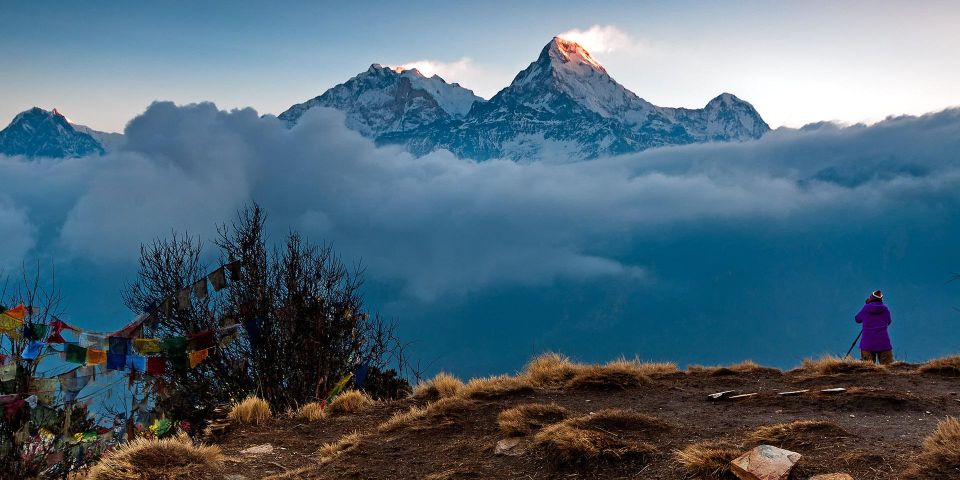
- Sunrise focus at 3,210m: early hike to Poon Hill for views over the Annapurna and Dhaulagiri ranges
- Stone-stair sections: Ulleri’s steep climb is part of the experience, so plan your pace
- Guest house nights: simple lodging that keeps you on the trail schedule
- Cultural stop in Ghandruk: a Gurung village where you can slow down and look around
- English (and Hindi) guide support: makes route, permits, and timing easier
- Private car transfers included: you lose less time to logistics
Why the Poon Hill Trek Works So Well From Pokhara
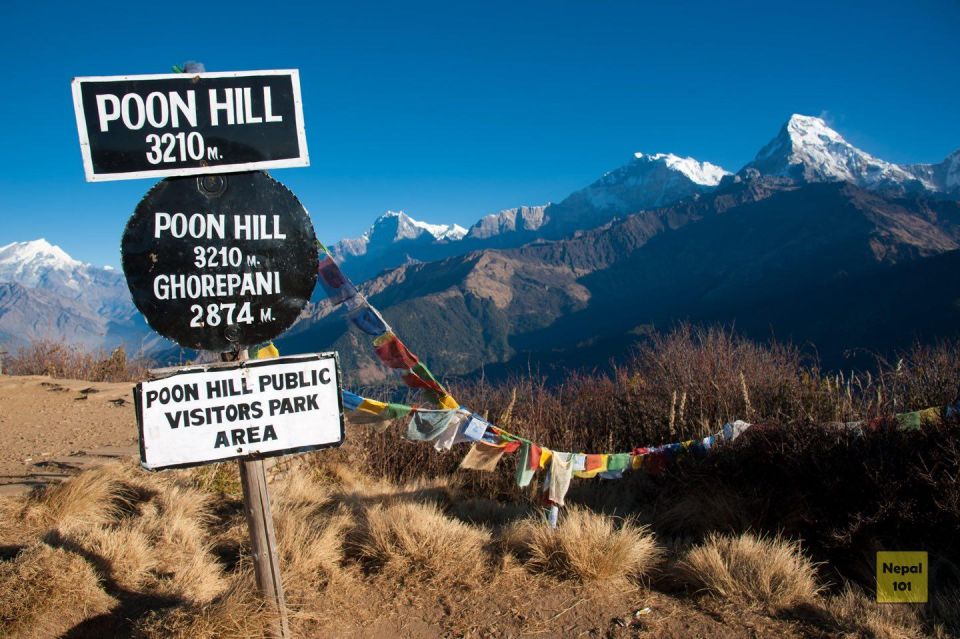
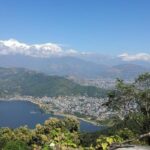
Pokhara is one of the best starting points in Nepal for short trekking plans, and this route uses that advantage well. You’re not spending days and days moving between regions. Instead, you drive from Pokhara to the trailhead area, then settle into a rhythm: hike in the morning, explore in the middle of the day, and sleep in guest houses.
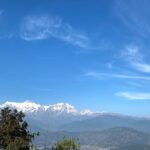
This trek also gives you classic Annapurna scenery without needing extreme altitude planning. You go up to Poon Hill (3,210m) and back down through forested sections, plus you get village life along the way. If you want a “great views, manageable time” option, Poon Hill is one of the most practical choices.
You can also read our reviews of more hiking tours in Pokhara
Day 1: Nayapul to Tikhedhunga, and Getting Your Bearings
Day 1 starts with an early drive from Pokhara to Nayapul, usually around 1.5 to 2 hours. That quick transfer matters because it helps you begin the trek without burning your whole day before your boots even touch the path.
From Nayapul you begin walking through Birethanti, a large, busy village where you’ll get a sense of the local route culture right away. Then the trail follows the Bhurungdi River for stretches before you climb up toward Tikhedhunga (1,540m).
Why Tikhedhunga is a smart first overnight: it’s high enough to feel like you’re moving into the mountains, but not so high that Day 1 turns into a crushing endurance test. You’ll be tired, sure, but it’s the kind of tired that sets you up to hike again tomorrow.
The only real drawback on Day 1 is simple: you’re combining driving plus trekking. If you’re sensitive to motion or early mornings, you’ll want to manage your expectations and hydrate right away.
Day 2: Tikhedhunga to Ghorepani via Ulleri Steps
Day 2 is where the trek starts to feel properly “trek-ish.” You begin with a steep stone staircase to Ulleri village. This is one of those sections where the effort is predictable, but still demanding. The trick is pacing: take smaller steps, keep moving steadily, and don’t fight the slope.
Once you climb through Ulleri, the trail continues through rhododendron and oak forests. That forest time is a gift because it changes the scenery from stairs and river walking into something cooler and more shaded. It also helps break up the mental load of continuous steep climbing.
You finish at Ghorepani (2,750m), a village known for mountain panoramas. This is a key overnight because Ghorepani sets you up perfectly for the next day’s early start. You’ll sleep at altitude enough to make the sunrise hike feel like a real summit attempt, but you’re not pushed into the highest altitude of the route yet.
If you’re someone who likes viewpoints, Ghorepani is also where the trip starts to click: you’re not just walking anymore, you’re approaching a payoff.
Day 3: Poon Hill Sunrise at 3,210m, Then Tadapani
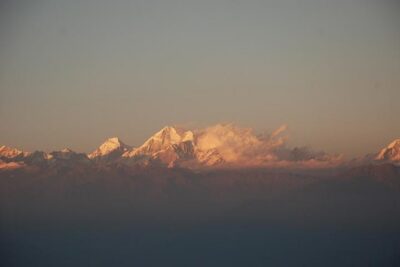
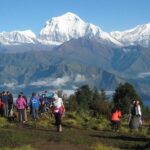
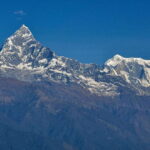
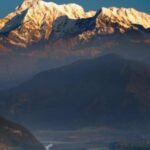
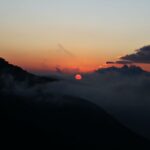
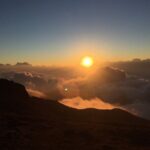
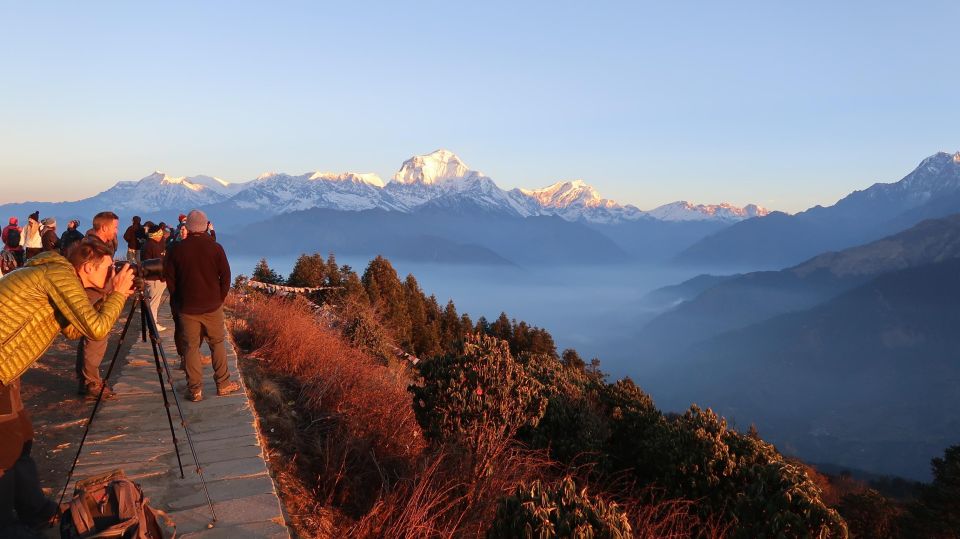
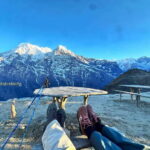
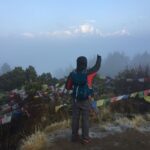
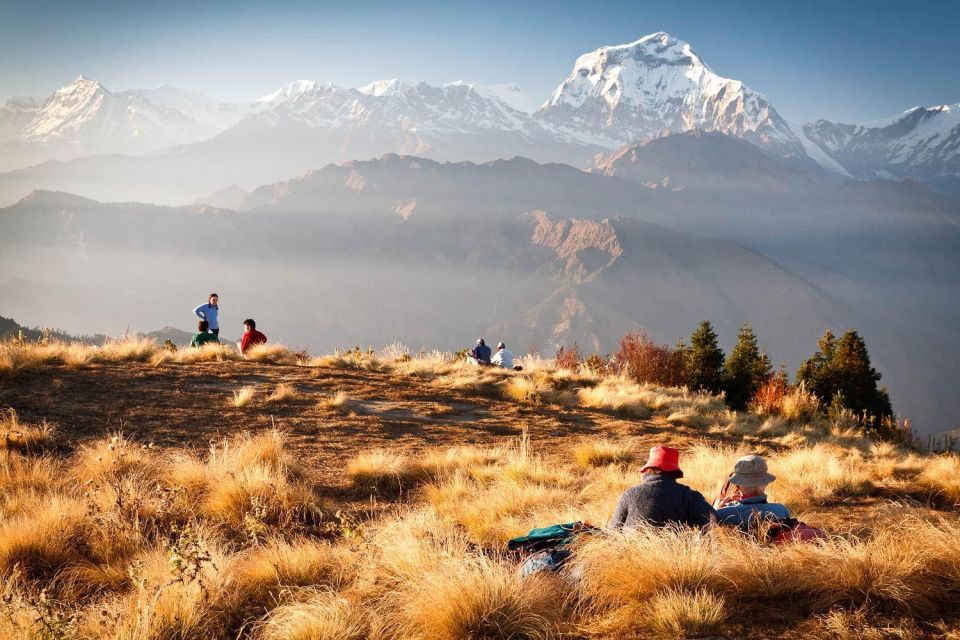
Day 3 begins with an early morning hike to Poon Hill (3,210m). The goal is simple: sunrise views over the Annapurna and Dhaulagiri ranges. Even if you’re not a sunrise fanatic, this is the type of moment that makes the effort feel worth it because the whole scene changes with the light.
After the sunrise hike, you return to Ghorepani for breakfast. This matters more than it sounds. That return-and-eat rhythm helps you avoid the common mistake of pushing too hard when you’re already tired from the early start.
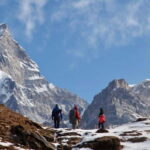
Then you begin hiking again, heading to Tadapani (2,630m). You walk through rhododendron forests and keep getting mountain glimpses as you move. Tadapani is lower than Poon Hill but still feels like you’re living in the trekking zone, not back in the lowlands.
Overnight in Tadapani gives you a calmer landing before the final descent. It’s also usually more enjoyable than rushing straight to the big village on the last day.
Day 4: Tadapani to Ghandruk, Plus Gurung Village Time
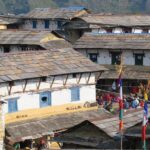
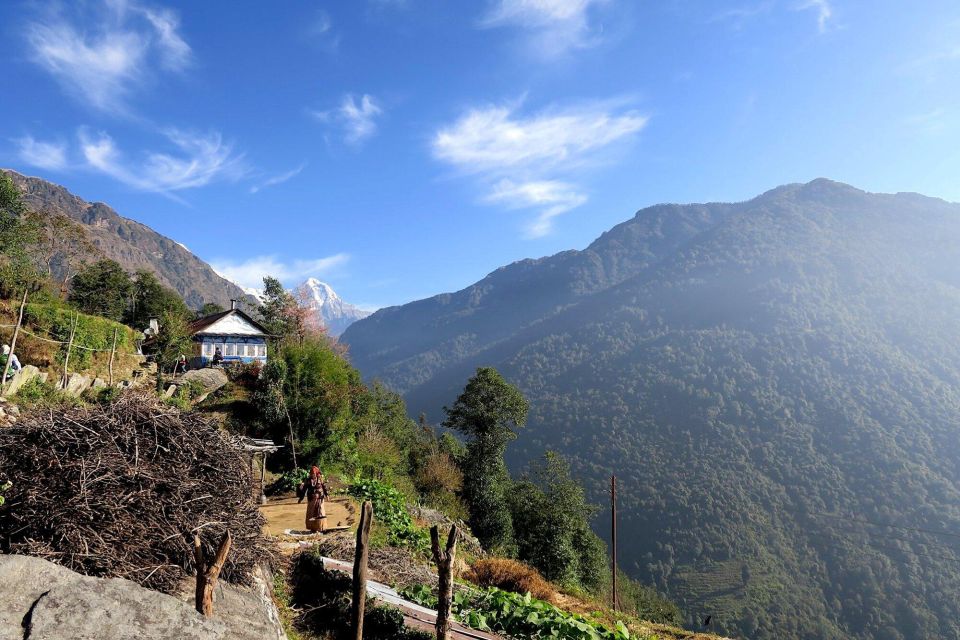
Day 4 turns more social and cultural. You descend through forests and reach Ghandruk (1,940m), a charming Gurung village. This is where the trek becomes more than scenery.
Ghandruk is a good place to pause because it’s not just a waypoint. You can explore the village atmosphere at an easier pace, and you’ll feel the local culture in how the town is set up around the trekking route.
After that, you drive back to Pokhara in the afternoon, marking the end of the trek day. The return drive is a nice reset, but it also means you’ll probably feel more “tired-calm” than “tired-amped.” Plan for an easy evening in Pokhara.
You can also read our reviews of more tours and experiences in Pokhara
Price and Logistics: Getting Real Value for $272
The listed price is $272 per person, and the way this package is structured is where the value comes from. You’re paying for the trip elements that normally eat time and coordination: a guide, guest house lodging, trekking permits and TIMS card, and round trip transport by private car.
Meals are the main extra. Food is not included, but you can purchase meals on the trail at about 3,500 Rs per person per day. So when you calculate your true budget, treat the $272 as the “core trekking costs” and add a daily meals allowance on top.
For many people, this is a good deal because you’re not hunting down permits, trying to organize transport separately, or trying to figure out trail timing in a language you may not speak. The package keeps the moving parts handled.
The other advantage is the group type. This is a private trip (with private or small group availability), which usually means you can keep a steadier pace and avoid getting dragged into a mismatch. Your guide can also adjust the walking rhythm based on the group.
The Guide Factor: What English Support Changes
An English-speaking trekking guide is included, and the activity also notes English and Hindi support. That’s not a small detail in Nepal. It affects how easily you understand the trail plan, where you’re expected to be, and how your day flows.
In one recent booking, the guide named Nir was praised as attentive and the entire trek as well organized. That kind of support matters most in two moments: the early sunrise day (timing and energy management) and the stair-and-slope days (pacing and knowing what matters).
Even if you’re a confident hiker, a good guide helps you focus on walking and views instead of logistics. You can also get practical trail chatter and small advice that improves the day-to-day experience.
What You’ll Walk Through: Steps, Forests, and Village Stops
This trek has a clear mix of effort and variety:
- Start and village rhythm around Birethanti and Tikhedhunga
- A heavy step section on Day 2 through Ulleri
- Rhododendron and oak forest trails that cool things down and change the walking texture
- A sunrise highlight at Poon Hill that anchors the entire hike
- Gurung village culture at the end in Ghandruk
If you like trails with story and texture, this route delivers. If you’re hoping for a totally gentle hike with no steep moments, you may find it more work than you pictured.
And yes, the route specifically warns you: you’ll climb thousands of steps to reach Poon Hill. That’s not just a figure of speech. It’s a reality check so you can pick the right footwear, plan breaks, and keep your pace steady.
How to Pack and Prepare for the Steps
The essentials are straightforward:
- Passport or ID card
- Comfortable shoes
- Comfortable clothes
- A passport-sized photo
Also important: no luggage or large bags. You’ll want a daypack that’s practical and light. Drones are not allowed either, so leave them at home.
Preparation-wise, I’d focus on two things:
- Choose shoes with grip for stone steps and uneven ground.
- Plan to move slowly uphill and save your energy for the sunrise push.
If you tend to start too fast, this trek will punish you. The good news is that once you settle into a steady pace, the route becomes very doable, especially because you have set overnight stops and guest house recovery time.
Who This Trek Suits Best (and Who Should Skip It)
This is a great fit if you want:
- A short trek in the Annapurna region with a major viewpoint payoff
- Easy-to-follow day stages
- A guide included, with permits handled
- Enough cultural time to see villages like Ghorepani and Ghandruk
It’s not for everyone. The trek is not suitable for pregnant women or wheelchair users, and the step climbing makes it a poor match for anyone who can’t handle steep stairs.
If you’re an active traveler who enjoys walking and can deal with early mornings, you’ll likely find Poon Hill one of the most satisfying choices from Pokhara for the time invested.
Should You Book This 4-Day Poon Hill Trek From Pokhara?
Book it if you want a practical, guided plan that gets you to Poon Hill sunrise, then brings you back through forested trails and ends with real village culture in Ghandruk. The package value is strong because the price includes the hard-to-organize items like guide support, permits/TIMS, guest houses, and private car transfers.
Don’t book it if you’re expecting a flat or leisurely hike, or if you’re not comfortable with stairs. Also be honest about budgeting: meals are not included, so you’ll add a daily food cost on top of the $272.
If you’re ready to trade a little comfort for mountain views and a well-run route, this is a very sensible way to do Poon Hill without turning your vacation into logistics work.
FAQ
How long is the Poon Hill trek from Pokhara?
The activity duration is listed as 2 to 4 days. The route details provided follow a 4-day schedule.
What’s included in the $272 per person package?
It includes hotel pickup and drop off, an English-speaking trekking guide, trekking permits and a TIMS card, round trip transfer by private car, guest house accommodation, and a private trip.
Are meals included?
No. All meals are not included and can be purchased on the trek for approximately 3,500 Rs per person per day.
What languages does the trekking guide speak?
The guide support is listed as English and Hindi.
Is hotel pickup and return to Pokhara included?
Yes, hotel pickup and drop off are included. If your location is far or not listed, pickup is still provided, with an additional genuine cost.
Is there a lot of stair climbing?
Yes. The trek specifically notes that you will climb thousands of steps to reach the top of Poon Hill.
Is the trek suitable for pregnant women or wheelchair users?
No. It is listed as not suitable for pregnant women and wheelchair users.