REVIEW · POKHARA
Trekking in Annapurna/Langtang/Everest/Upper Mustang regions
Book on Viator →Operated by Trekking Nepal with Raju - certified & professional guide · Bookable on Viator
Pick your trail. Skip the stress. This Pokhara-based trekking set-up is built for flexibility, letting you choose Annapurna or Upper Mustang routes and day or multi-day plans, then leaving the nitty-gritty to a guide. I also like that the support is very hands-on with Raju: he communicates, helps you pick the right trek, and keeps things moving once you’re out on the path.
One consideration before you book: your fee is mainly for the guide (including their food and lodging), while your own trek meals, drinks, and accommodation are extra.
In This Review
- Key Highlights You’ll Care About
- Pokhara as Your Trek Hub: Smart Access to the Annapurna and Mustang Routes
- Choosing Between Annapurna and Upper Mustang: How the Route Changes Your Experience
- A Typical Full-Day Annapurna Trek: What an 8-Hour Mountain Day Means
- Raju’s Approach to Trek Planning: Why the Guide Matters for Value
- Price and Logistics: Is the $40 Fee Worth It?
- Fitness, Packing, and Weather: Making Sure the Day Works
- Who Should Book This Trek Setup?
- Should You Book This Trek?
- FAQ
- What locations does this trekking experience cover?
- How long are the treks?
- What’s included in the price?
- What is not included?
- How big is the group?
- What happens if the weather is bad?
Key Highlights You’ll Care About
- Start and finish in Pokhara for a lower-stress logistics day
- Two big regions to choose from: Annapurna or Upper Mustang, with day treks or multi-day options
- Raju-style planning by message so you can choose trails with better clarity
- Private group up to 15 so the pace can match your group
- What’s included on the guide side: lunch and dinner plus the guide’s accommodation
- Moderate fitness required and the trek depends on weather
Pokhara as Your Trek Hub: Smart Access to the Annapurna and Mustang Routes
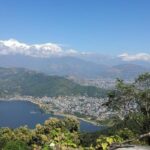
Pokhara is the move here. This trekking experience is designed around routes that begin and end in Pokhara, which matters more than most people expect. Fewer handoffs means less time spent wrangling schedules, and more time actually hiking.
There’s also pickup offered, and the meeting point is described as near public transportation. That gives you options: if you’re staying close, you can keep it simple; if you’re spread out in town, pickup can help you avoid the usual start-of-day scramble.
And there’s a practical touch that’s worth noting: you get a mobile ticket. That sounds small, but it reduces the risk of “where’s your paper ticket” chaos on a mountain day.
You can also read our reviews of more hiking tours in Pokhara
Choosing Between Annapurna and Upper Mustang: How the Route Changes Your Experience
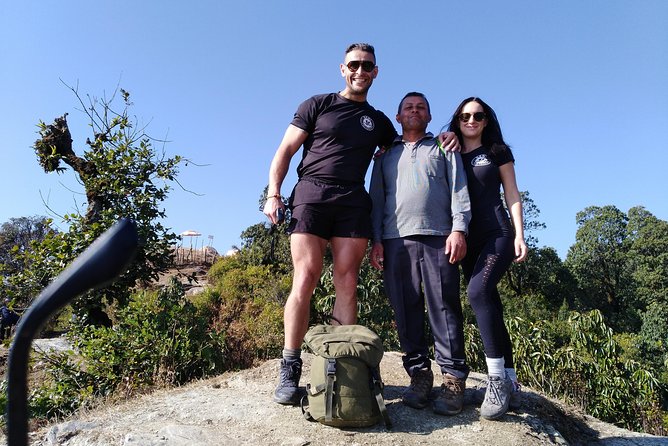
You’re not locked into one classic itinerary. Instead, you choose your trek route in either Annapurna or Upper Mustang, then your guide helps shape the plan around that choice.
Here’s how to think about it:
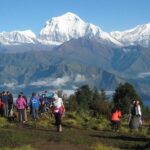
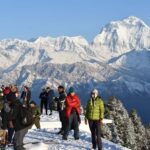
- Annapurna options (including a common full-day style outing) tend to feel like a mix of big views and close-to-life village trekking. The point isn’t only the scenery. It’s the human scale too: small paths, mountain routines, and moments that feel like you’re passing through real places rather than just standing at a viewpoint.
- Upper Mustang options are for people who want something that feels more distinct. Even without naming exact villages or checkpoints here, you can plan on a trek that leans toward a more remote, route-driven experience.
The big win is that you can decide what kind of day (or days) you want: a shorter hike if you’re testing your legs, or something longer if you want more time on the trail.
A Typical Full-Day Annapurna Trek: What an 8-Hour Mountain Day Means
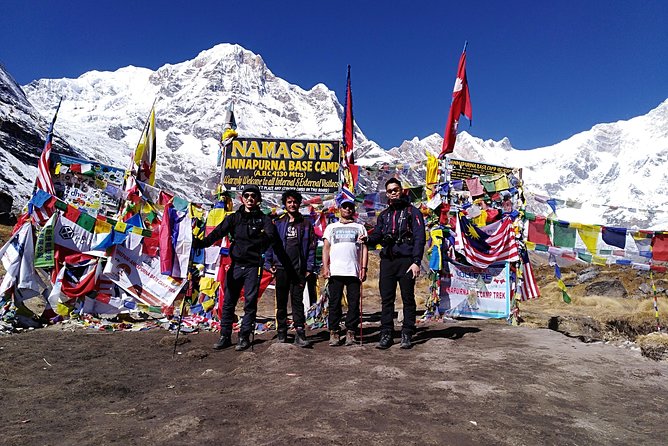
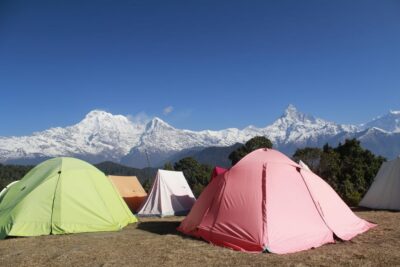
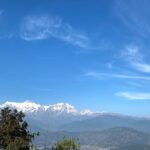
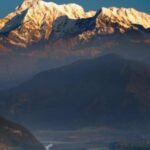
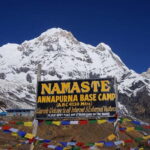
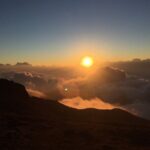
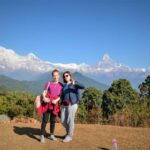
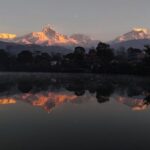
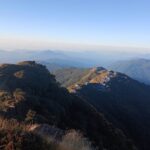
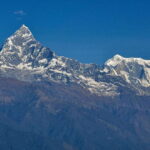
One of the clearly defined options is a day plan focused on the Annapurna Region, with a route built around seeing major mountain views and experiencing Nepali mountain life. That’s an 8-hour outing, and the “admission ticket” for this kind of excursion is listed as free.
So what do you actually do for those hours? Think in blocks:
- Getting into the walking rhythm
You’ll spend the early part moving along trails where your guide’s job is twofold: keeping the pace comfortable and helping you understand what you’re looking at. The reviews highlight that Raju does this through clear communication and by paying attention to what matters on the ground (trails, culture, and the natural surroundings).
- Views with context
Big mountains are one thing. Big mountains with context are better. The format here is built around the idea that your guide connects the scenery to local life, not just to geography. That’s how a mountain day turns into something you remember beyond photos.
- A culture-and-life stretch
The tour description calls out experiencing mountain life, and that matches what Raju’s style seems to focus on: the day isn’t only trekking between viewpoints. It includes learning moments about local living and the way people move through the mountains.
- Optional food stops (and what to expect cost-wise)
There’s an optional stop for lunch/dinner with local mountain folk. If you do it, you pay directly to the restaurant owner. The guide’s lunch and dinner are included on the tour side, but this optional local stop is a separate choice you’d budget for.
A practical tip for your planning: an 8-hour day trek is long enough that you’ll want to treat it like an actual day event. That means solid water planning, snacks only if you know you’ll need them, and shoes that feel broken-in.
Raju’s Approach to Trek Planning: Why the Guide Matters for Value
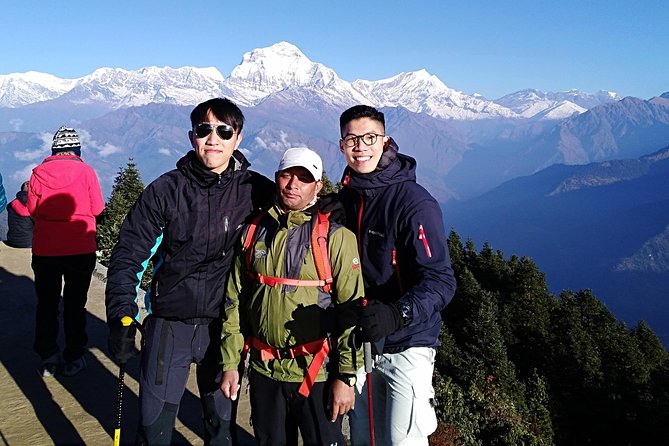
This experience is private, with your group only, and it’s led by a certified & professional guide. That’s not just a credential line. It changes what your “planning time” looks like.
Raju’s communication style is a standout theme in the feedback. People mention he reaches out after booking, offers options, sends photos to help decide on a trek, and stays in touch leading up to the day. For you, that means you’re not trying to guess which trail is right from vague descriptions.
What that looks like in real life:
- You tell him what you want (a shorter day vs more time on foot, and which region appeals to you).
- He helps you arrange the itinerary.
- He goes over the plan with your group (up to 15 people), so everyone gets on the same page.
Also pay attention to what’s included for the guide: guide’s lunch & dinner and guide’s accommodation. That matters because it supports a more stable day out in the field. You’re not dealing with a guide who is worried about their own food situation, which can quietly improve the flow of the whole trek.
Price and Logistics: Is the $40 Fee Worth It?
The listed price is $40.00 per group (up to 15). That pricing model can be a good deal if you have friends, family, or other hikers to share it with. In practical terms, the per-person guide fee drops the fuller your group is.
But here’s the key balance: your fee includes the guide’s food and accommodation, while your own trek-related items are not included. Specifically, the tour description lists these as not included:
- Lunch/participants’ food & drinks
- Participants’ accommodation during the trek
- Guide’s tip
- Private transportation, which can be arranged on request but isn’t included in the base rate
So how do you judge value without getting surprised later?
- If you want a guide to help pick a region and manage the itinerary, and you’re okay handling your own personal costs, this price format can work nicely.
- If you expected the trekking day to be fully covered end-to-end for everyone, you’ll need to budget for your own meals and lodging (especially for multi-day options).
One more small but real logistics benefit: this experience includes pickup offered and a mobile ticket, which reduces the friction that often comes with finding the right start point.
Fitness, Packing, and Weather: Making Sure the Day Works
The physical requirement is described as moderate physical fitness. Translation: this isn’t sold as a couch-to-summit challenge, but it also isn’t a stroll in the park. If you’re the type who gets winded easily on stairs, do consider building up your legs before you go.
Also, the experience requires good weather. If weather becomes a problem, you’re offered a different date or a full refund. That’s reassuring, but it also means you should avoid booking this as the one-and-only outdoor plan on your tightest schedule.
What to pack? The tour data doesn’t list a packing list, but the length (from 2 hours to 1 day, with an example full day at 8 hours) means your essentials are non-negotiable:
- comfortable hiking shoes
- water
- layers that work when mountain air changes during the day
- sun protection
Since lunch and dinner for the guide are included, you might not need a huge food load, but your own drinks and personal snacks are still your responsibility.
Who Should Book This Trek Setup?
This works best if you want:
- a choice-based trek (Annapurna or Upper Mustang) rather than a rigid, one-size route
- a guide who helps you decide and then walks your group through the plan
- a private group experience with a cap of up to 15 people
- flexibility between day treks and multi-day treks
It may not fit as well if you want a fully pre-paid, everything-included trek where you don’t plan for your own meals or lodging. The guide support is strong, but the tour is clear that your personal mountain costs are separate.
It’s also a good match for people who value culture and trail understanding—not only photos. Raju’s feedback repeatedly points to his attention to trails, local culture, and the natural surroundings, plus a friendly, attentive vibe.
Should You Book This Trek?
I’d book it if your priority is getting a guided plan that starts and ends in Pokhara, with the freedom to choose Annapurna or Upper Mustang and match the trek length to your energy.
I would think twice if you need the whole package priced like a single fixed fare for every single cost on the mountain. The base fee is guide-focused, so do your homework on budgeting for your own meals, drinks, and any trek accommodation.
If you’re trying to make your trek day feel organized and human—less logistics, more walking with context—this setup is a solid value.
FAQ
What locations does this trekking experience cover?
It focuses on trekking routes in the Annapurna region or the Upper Mustang region, with treks that begin and end in Pokhara.
How long are the treks?
You can choose options ranging from about 2 hours up to 1 day. A full-day Annapurna option is listed as 8 hours.
What’s included in the price?
Your fee includes the guide’s lunch & dinner and the guide’s accommodation.
What is not included?
Not included are participants’ lunch/food & drinks, participants’ accommodation during the trek, the guide’s tip, and private transportation (though it can be arranged on request).
How big is the group?
It’s a private experience for your group only, with a maximum group size of up to 15 people.
What happens if the weather is bad?
This experience requires good weather. If it’s canceled due to poor weather, you’ll be offered a different date or a full refund.