REVIEW · POKHARA
Pokhara: 4-Day Ghorepani, Poonhill & Ghandruk Mountain Trek
Book on GetYourGuide →Operated by Snow Peak Tours and Travels pvt. ltd. · Bookable on GetYourGuide
Four days, one unforgettable sunrise. From Pokhara you’ll be walking into the Annapurna and Dhaulagiri viewpoints with Poon Hill sunrise as the big payoff. Along the way, you also get real village stops, tea-house nights, and forest trails that feel like Nepal without the long-haul commitment.
I especially love two things: the early-morning mission at Poon Hill (it’s short in distance but huge in emotion), and the way Ghandruk lets you slow down with Gurung culture after the climb-and-rest rhythm. It’s a trek that balances effort with meaning, not just photo stops.
One consideration: it’s not a flat stroll. Nights can be cold, the start is early, and some days are long enough that you’ll want a decent fitness base—good news is that many beginners manage it with the right pacing.
In This Review
- Key points to know before you go
- Pokhara-to-Himalaya: why this 4-day trek hits hard
- Day 1 (Pokhara → Nayapool → Ulleri): your first steps into trek country
- Day 2 (Ulleri → Ghorepani): rhododendron walking and the lunch break at Nangethati
- Day 3 (Poon Hill sunrise → Tadapani → Ghandruk): the morning that makes you forget the early start
- Day 4 (Ghandruk → Nayapool → Pokhara): the easy close that still feels earned
- Transport, pickup, and tea-house rhythm: the logistics you’ll actually care about
- Price and value: what $181 gets you and how to budget smart
- Your guide makes the trek: names I’d remember
- What to bring for comfort on cold mornings and colder nights
- Who should book this Poon Hill and Ghandruk trek
- Should you book? My bottom-line take
- FAQ
- How long is the trek?
- Where does the trek start from and how do you get there?
- Are permits and fees included?
- Are meals and accommodation included?
- Do I need travel insurance?
- Do I need to hire a porter?
Key points to know before you go
- Poon Hill is a timed spectacle: sunrise-focused, with a one-hour window at the viewpoint that makes the whole trek feel worth it.
- You’ll climb through rhododendron country: Day 2 and the forest sections bring color and atmosphere, not just stone-and-stair climbing.
- Ulleri sets the cultural tone: a Magar community welcome makes Day 1 feel more human than logistical.
- Ghorepani is the cozy hub: tea-house dinners, rest stops, and village walking with a straightforward day length.
- Ghandruk finishes with Gurung character: traditional village life and a calmer feel after Poon Hill’s big moment.
- Your guide can make or break the experience: guides like Jeet Bhadur Nepali, Chandra, Santosh, and Bala are repeatedly praised for pacing, planning meals, and adding context.
Pokhara-to-Himalaya: why this 4-day trek hits hard
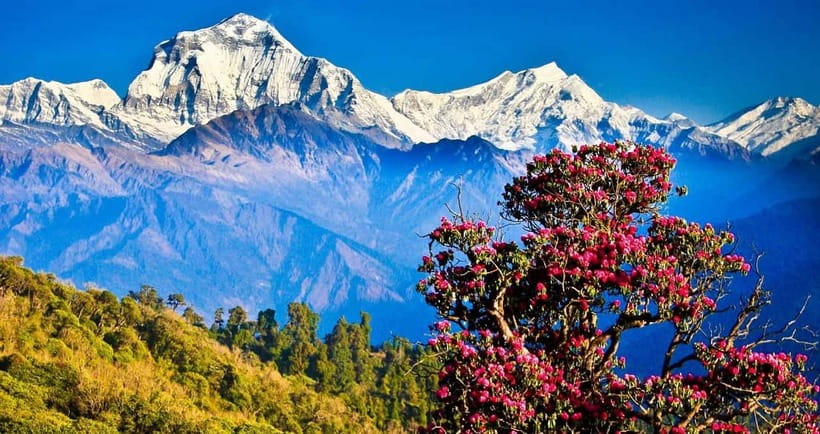
This is the kind of trek that works when you want a real Annapurna-region experience but you can’t spare a week. You start from Pokhara, do a short drive, then shift into walking days that are long enough to feel like a trek, but short enough to keep you engaged instead of wrecked.
What makes it special is how the itinerary builds momentum. Day 1 eases you in. Day 2 brings forest and village rhythm. Day 3 is all about the sunrise moment, then you keep moving toward a culturally rich finish. Day 4 is the graceful landing back to Nayapool and Pokhara.
And yes, the views are the headline. But the best part for me is the pacing and support. Multiple guide-focused reviews emphasize that guides keep you at a comfortable tempo, know where the good food and rooms are, and explain what you’re seeing—so the trek feels guided, not just walked.
You can also read our reviews of more hiking tours in Pokhara
Day 1 (Pokhara → Nayapool → Ulleri): your first steps into trek country
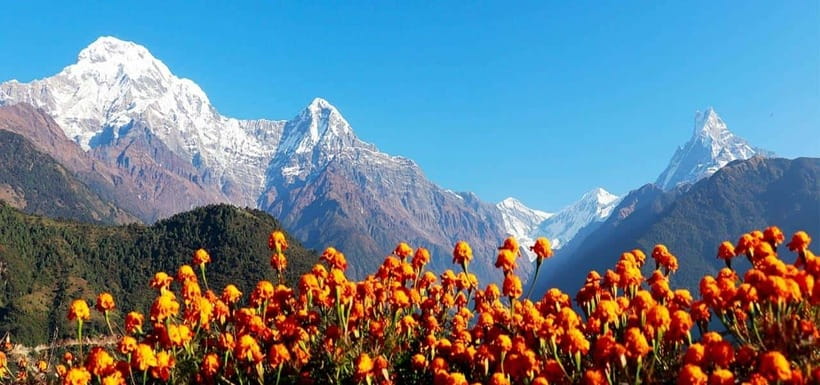
You’ll begin with a pickup and then drive from Pokhara toward Nayapool. After a short break and a photo stop at Nayapool, you start walking for about 5–6 hours to Ulleri.
This first day matters more than it seems. It’s where you find your stride, learn how your body responds to uphill walking, and get used to tea-house schedules. Ulleri also brings a welcome dose of culture: the itinerary specifically highlights Magar community hospitality. In practical terms, that means you’re not just hiking past scenery—you’re arriving in places where people live life at a mountain pace.
What to look for on Day 1:
- Uplift without chaos: Day 1 is long enough to get you trekking legs, but not so aggressive that you feel punished.
- Ulleri’s viewpoint energy: you’ll likely notice the way villages in this zone are built to face the mountains.
- A solid tea-house reset: dinner and overnight give you a full reset before the sunrise-focused Day 3.
Possible drawback: if you’re new to hiking, 5–6 hours can still feel like a lot. Bring trekking poles if you have them, and don’t let daydreaming about the mountains pull you into speeding up. Your guide will usually pace you, and that helps.
Day 2 (Ulleri → Ghorepani): rhododendron walking and the lunch break at Nangethati
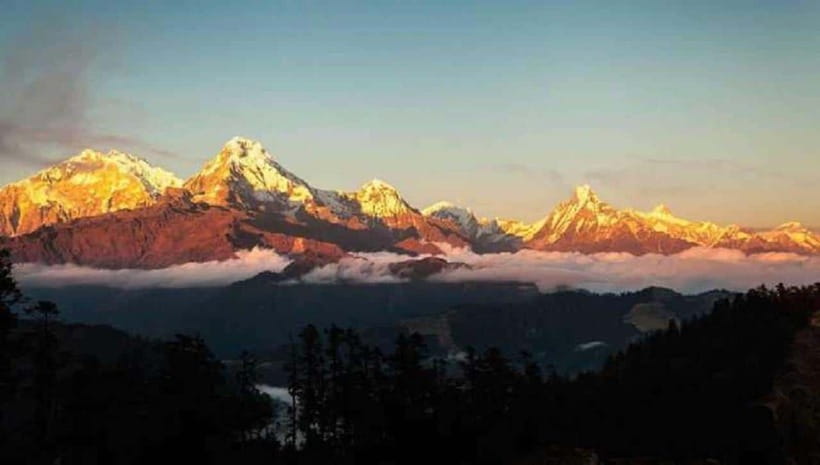
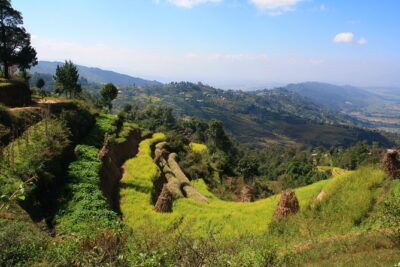
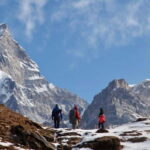
Day 2 is about atmosphere and steadiness. After breakfast, you walk 4–5 hours toward Ghorepani. The route is described as meandering through rhododendron forests and local villages, with the chance of seeing wildlife along the way.
The key moment here is the planned lunch stop at Nangethati. It’s more than food. Breaks like this keep the day from turning into one long grind. They also help you manage energy for the next climb segment.
Why this day works for many people:
- Color + shade: rhododendron forests bring a change in feel from village steps to quieter trail sections.
- Village rhythm: you’ll pass through communities rather than only hiking in the open.
- Wildlife surprises: several guides and travelers mention encountering animals like monkeys and even lemurs. You’re never guaranteed sightings, but the chance adds a fun edge to the walk.
A practical note: Day 2 sets you up for the early wake-up on Day 3. When you arrive at Ghorepani, you’ll want to be ready for a shorter night’s rest, not a late one.
Day 3 (Poon Hill sunrise → Tadapani → Ghandruk): the morning that makes you forget the early start
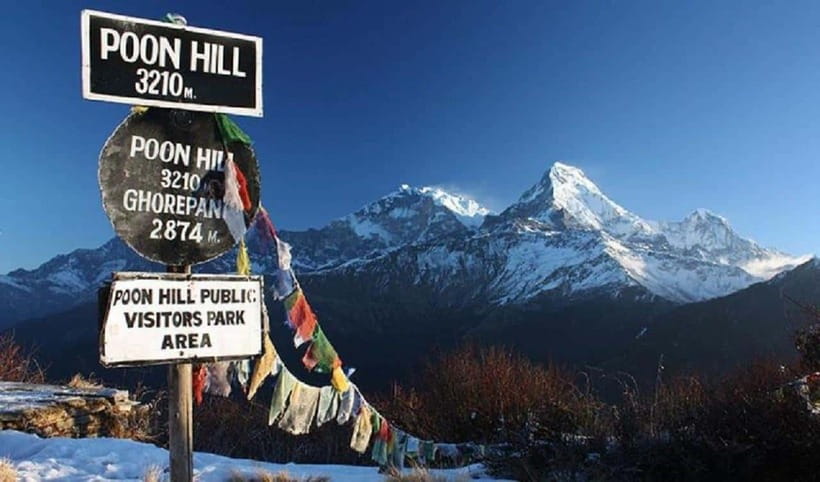
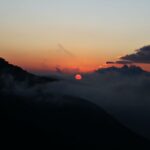
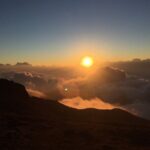
Day 3 is the main event. You rise early for a sunrise viewpoint at Poon Hill, then return to your hotel for breakfast. After that, you continue trekking to Ghandruk with a stop in Tadapani, and you’ll finish with an overnight in Ghandruk.
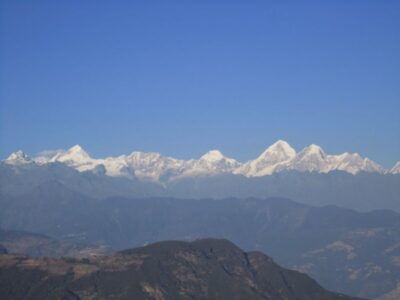
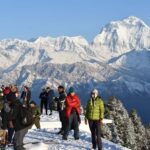
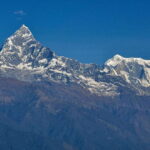
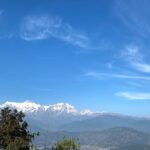
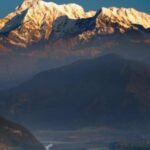
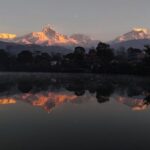
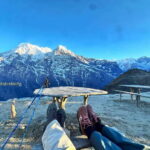
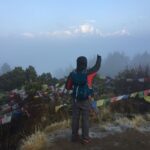
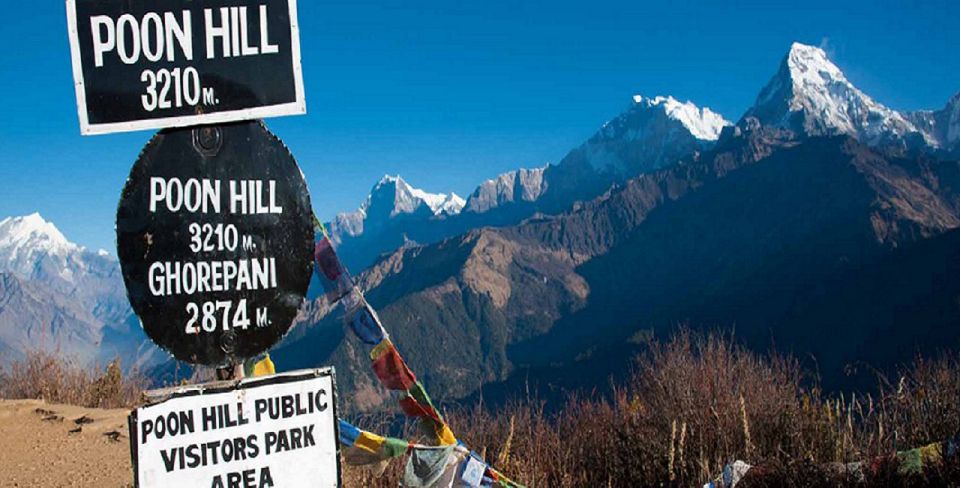
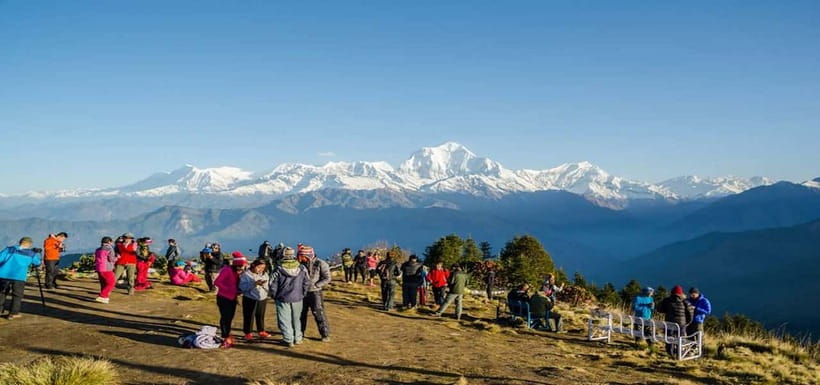
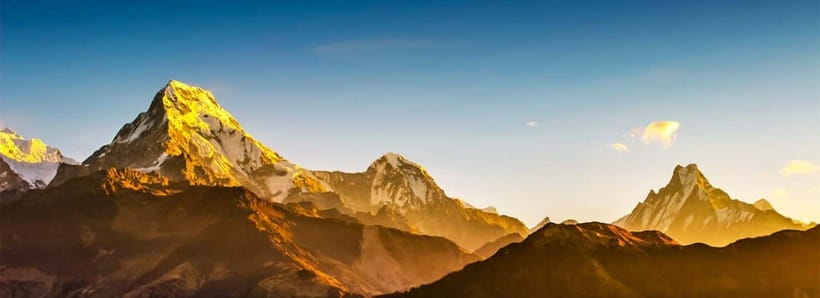
The viewpoint time is about one hour. That means you need to be up, ready, and dressed for cold air. People often describe sunrise as the emotional climax of this trek. If the weather cooperates, you’ll see a sweeping panorama of the Annapurna and Dhaulagiri ranges. One review specifically mentions trekking at around 3210m for Poon Hill, which gives you a sense of the chill factor.
What’s great about Poon Hill, beyond the photo:
- It compresses the reward: you do the early effort, then the payoff comes fast.
- You get your mountains in layers: morning light makes peaks look sharper and more dramatic.
- Your guide helps you read the scene: many praised guides (Jeet Bhadur Nepali, Santosh, Chandra, and others) are noted for explaining mountain ranges and local context, not just walking you up.
After sunrise, you don’t just descend and rest. You transition into the quieter work of reaching Ghandruk. Tadapani is a calm waypoint. Lunch there breaks up the moving day so you don’t feel like you’re constantly climbing without relief.
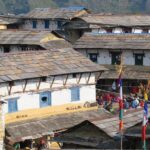
Finish in Ghandruk and you get something different from the earlier villages: you’re stepping into a Gurung community where the culture feels more established and grounded. The itinerary frames this as a true Nepalese experience, and the vibe in Ghandruk is often why people keep thinking about this trek long after they’re home.
Day 4 (Ghandruk → Nayapool → Pokhara): the easy close that still feels earned
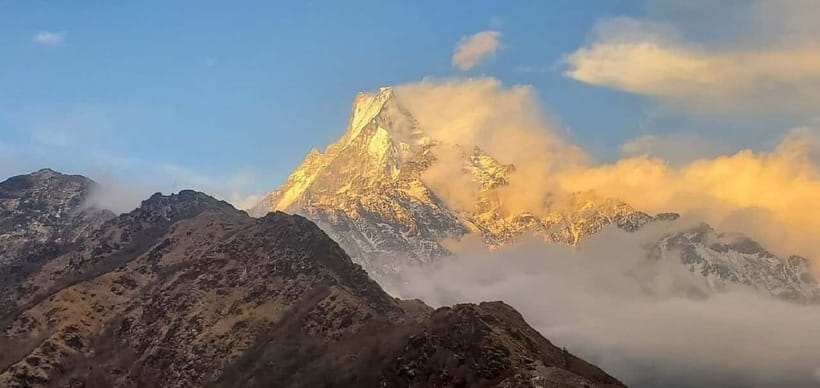
Your last day brings descent and closure. You trek down from Ghandruk to Naya Pul, then drive back to Pokhara.
The walking portion is listed as about 4 hours, which is a helpful final-day length. You’ll also have a traditional Gurung breakfast before you start down, then enjoy the gradual shift from mountain walking to the road again.
This day is ideal for:
- Reflecting: you’re tired, but you’re not fighting the hardest climbing anymore.
- Enjoying the return views: you often notice details on the way down that you missed going up.
- Keeping the day comfortable: the drive back is simple, with transportation provided back to your Pokhara area accommodation.
You can also read our reviews of more tours and experiences in Pokhara
Transport, pickup, and tea-house rhythm: the logistics you’ll actually care about
A short trek lives or dies by logistics. Here, you’ve got round-trip transport tied to Pokhara and the trek starting point. The itinerary includes bus/coach segments of about one hour on both ends, plus a short break and photo stop at Nayapool.
Pickup details are practical: the provider lists many pickup options around Pokhara Lakeside and Sarangkot, plus the Pokhara International Airport. After booking, pickup time is confirmed, and the car/guide is said to arrive a few minutes early with a name sign.
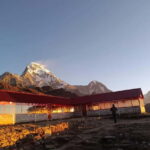
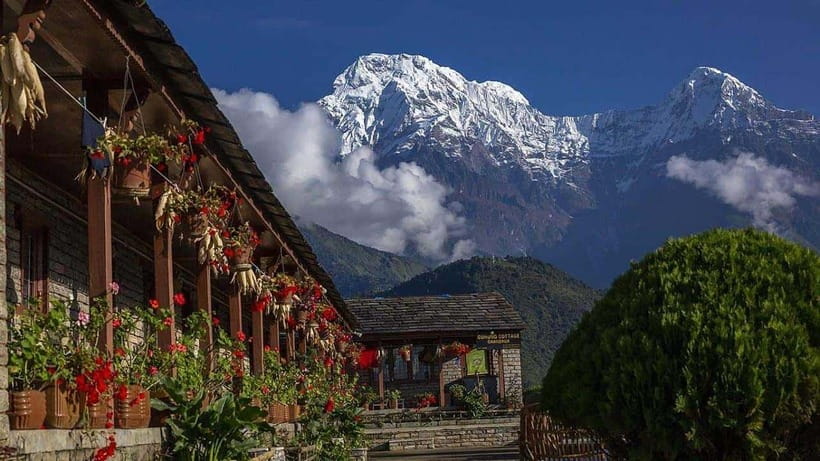
Once you’re on the trail, you’ll spend nights in simple tea houses or lodges. This is not hotel luxury, but it’s the classic Nepal hiking setup. Many guide-focused reviews mention that rooms and food are chosen carefully, with some travelers specifically calling out hot showers when available and warm comfort from blankets and lodge covers during colder periods.
Also included is luggage storage in Pokhara. That’s a big deal for comfort because it means you can trek with a more manageable day pack instead of dragging everything on your back.
Price and value: what $181 gets you and how to budget smart
At $181 per person for a 4-day trek, the value depends on what’s included, and here the inclusions are meaningful.
What you typically get in the price:
- Round-trip transportation between your hotel/airport and the trek starting point
- Meals throughout the trek (exact meals depend on the option selected)
- Accommodation in simple tea houses or lodges
- A certified trekking guide
- Permits and fees plus guide expenses
- Trekking gear like trekking sticks and sleeping bags as needed
- First aid kit
- Luggage storage in Pokhara
What you must plan to pay for separately:
- Travel insurance (listed as mandatory)
- Personal expenses like snacks and drinks
- Emergency rescue services if needed
- A porter if you choose one (about $20 per day)
Is it good value? For most people, yes—because permits, guide time, and transport often cost real money if you try to arrange everything on your own. And the guide piece is repeatedly highlighted in reviews as the difference-maker: not just direction, but pacing, meal choices, and small decisions that reduce stress.
My practical advice: treat this as a guided short trek package. If you want independence only, you might compare alternatives. If you want an organized experience with less friction, this pricing structure usually feels fair.
Your guide makes the trek: names I’d remember
The most consistent praise in the feedback is about guides being fun, supportive, and organized. Several names show up across different dates and groups, including Jeet Bhadur Nepali, Chandra, Santosh, Bala, Purushottam, Tanka, Bhadrapur Neali, Anil, and Santos.
What those great guides tend to do well, based on the patterns:
- Keep your pace so you don’t blow your energy too early
- Find the best meal and lodge options along the route
- Explain mountains and local culture so the trek feels more than effort
- Adapt when someone feels unwell or slows down
- Add humor and morale on the long stretches
If you care about having a guide who can do more than point at the trail, this itinerary is a strong fit. When someone knows the route options (including quieter paths or fewer steps), it changes your experience without changing the trek’s core charm.
What to bring for comfort on cold mornings and colder nights
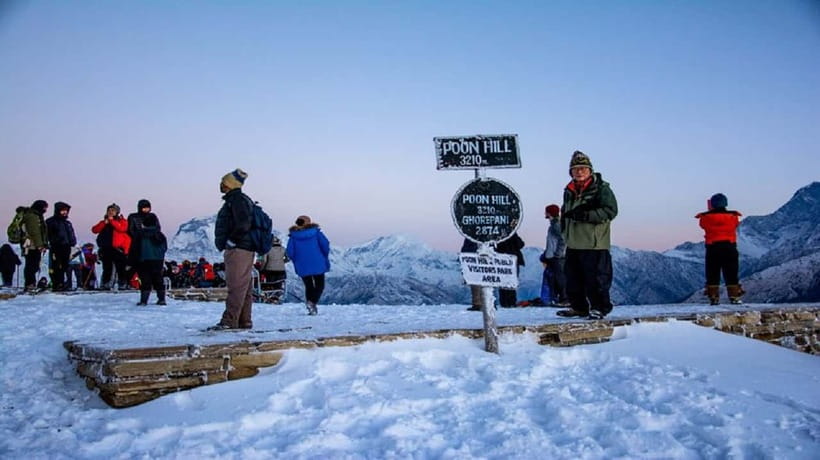
You’ll be going from Pokhara weather into cooler hill air fast, especially when you wake up for sunrise.
Bring:
- Passport or ID card
- Warm clothing
- Sun hat
- Camera
- Hiking shoes
- Comfortable clothes
- Travel insurance
- Sleeping bag
- Cash
A few comfort tips that matter on a short trek:
- Layer up for Poon Hill: early starts mean wind + cold air.
- Footwear matters because tea-house steps and village paths can be slippery.
- Don’t skimp on warmth at night. Even in months described as comfortable during the day, people noted cold temperatures after dark and relied on blankets and lodge covers.
Also, plan for permits: you’ll be asked to submit a copy of your passport at least one day prior so permits can be obtained.
Who should book this Poon Hill and Ghandruk trek
Book it if:
- You want a short, high-reward trek with a signature sunrise moment
- You’re okay with basic tea-house lodging in exchange for mountain views and culture
- You want a guided experience with permits, meals, and transport handled
- You’re a beginner or intermediate and want a trek that doesn’t drag on for a week
Consider another option if:
- You’re not comfortable with early wake-ups and cold mornings
- You expect a fully flat walk (this is uphill hiking)
- You need hotel-style comfort every night without any “tea house” tradeoffs
The trekking days are long enough to feel like you earned the scenery. But the overall structure is designed for a manageable rhythm, which is exactly why this short route remains so popular.
Should you book? My bottom-line take
If you want Annapurna-region mountain views without a big time commitment, this 4-day Pokhara trek through Ghorepani, Poon Hill, and Ghandruk is a smart choice. The structure is efficient, the cultural finish in Ghandruk adds depth, and the repeated praise for guides (from pacing to meal planning) is a strong sign you’ll spend less time worrying and more time enjoying the mountains.
If you’re sensitive to cold nights or you hate waking up before sunrise, you can still do it, but plan for discomfort. Otherwise, this is one of the best ways to get the classic Poon Hill experience with a real cultural landing in Ghandruk.
FAQ
How long is the trek?
The trek duration is 4 days.
Where does the trek start from and how do you get there?
You’re picked up in the Pokhara area and driven to the trek starting point near Nayapool, with a short break/photo stop at Nayapool before the first hike.
Are permits and fees included?
Yes. All required permits and fees are included.
Are meals and accommodation included?
Yes. Meals are included throughout the trek (depending on the option selected), and you’ll stay in simple tea houses or lodges.
Do I need travel insurance?
Yes. Travel insurance is listed as mandatory for safety and peace of mind.
Do I need to hire a porter?
A porter is not included. You can hire one if needed (noted as $20 per day).