REVIEW · KATHMANDU
Kathmandu UNESCO World Heritage Tour
Book on Viator →Operated by Deepak Kushwaha · Bookable on Viator
UNESCO in Kathmandu can feel surprisingly human. This 9-hour tour threads together Kathmandu UNESCO World Heritage Sites with a multilingual guide, so you don’t just see monuments—you understand why they matter.
I really like the way the day balances big “wow” stops with time to actually look around, especially at the Durbar Squares and the hilltop views at Swayambhunath. I also like that you’re with a guide (male or female) who can explain in more than one language and keep the pacing comfortable.
One possible drawback: admission tickets aren’t included, so you’ll want to plan extra cash and expect some additional waiting at gates.
In This Review
- Key highlights you’ll feel right away
- A 9-hour Kathmandu UNESCO day that’s efficient and still guided
- Meet at Kaiser Library and set your day’s pace
- Kathmandu Durbar Square: royal courtyards and power in stone
- Patan Durbar Square: craftsmanship you can actually see
- Bhaktapur Durbar Square: a medieval-feeling square world
- Changu Narayan Temple: Nepal’s oldest Hindu temple
- Pashupatinath Temple: spiritual ambiance and sacred rules
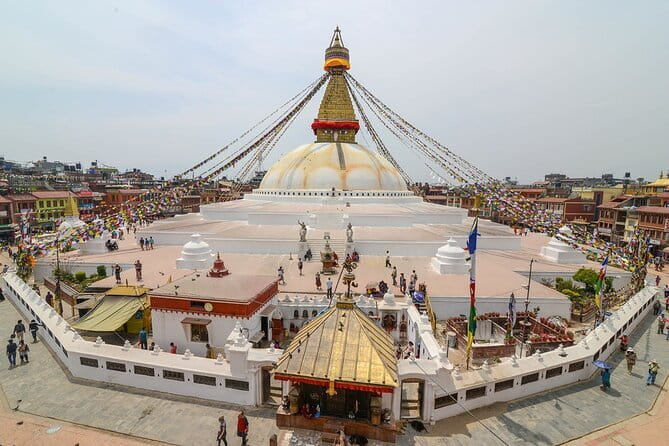
- Boudhanath Stupa: Buddhist monument scale and street energy
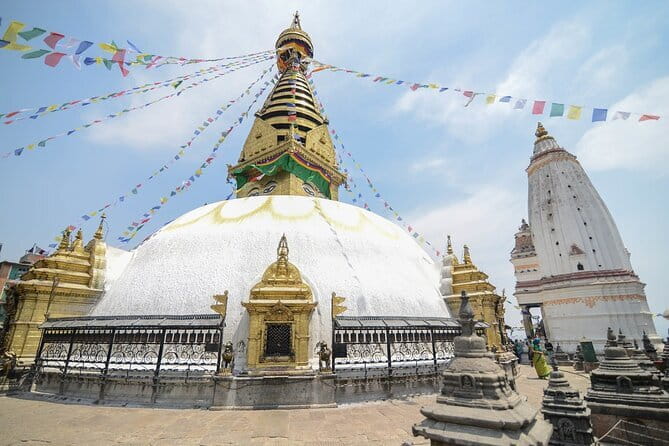
- Swayambhunath: hilltop views plus the stupa story
- Price and logistics: what you’re paying for at $99
- How to make this day feel worth it (instead of just scheduled)
- Who should book this Kathmandu UNESCO tour
- Should you book this UNESCO World Heritage Tour
- FAQ
- How long is the Kathmandu UNESCO World Heritage tour?
- What is the price per person?
- What’s included in the tour price?
- Are admission tickets included for the UNESCO sites?
- Is lunch or dinner included?
- Does the tour include pickup?
- How many travelers can be on the tour?
- Is the vehicle air-conditioned?
- What is the cancellation window?
Key highlights you’ll feel right away
- A full UNESCO hit parade in one day: Durbar Square complexes plus Changu Narayan, Pashupatinath, Boudhanath, and Swayambhunath
- Multilingual guide support: you’ll get explanations in more than one language, with personal attention
- Pickup offered in central Kathmandu: easy start and the tour ends back at the meeting point
- Short, focused 1-hour blocks: enough time to see the key sights without burning out
- Mobile ticket included: less hassle the day of
A 9-hour Kathmandu UNESCO day that’s efficient and still guided
If you’re short on time in Kathmandu, this kind of tour can be a smart move. For $99 per person, you’re buying one main thing: a guided walkthrough of multiple Kathmandu UNESCO World Heritage Sites in a single day, without you having to piece together logistics between districts.
The tour runs about 9 hours, with an upper limit of 100 travelers. That cap matters because it nudges the day toward easier coordination—especially when you’re moving through crowded temple areas and trying to hear explanations.
Also, this is a mobile-ticket tour and pickup is offered. Add the fact that it’s near public transportation, and you get flexibility if you’re already moving around the city on your own.
The vibe I’d aim for on a day like this: practical, respectful, and curious. You’ll be stepping into working religious spaces, not museum sets. A good guide helps you slow down at the right moments—like when rituals are happening or when architecture changes from one era to another.
You can also read our reviews of more historical tours in Kathmandu

Meet at Kaiser Library and set your day’s pace
Your day begins at Kaiser Library, on Kanti Path (listed as P878+H4G, Kathmandu 44600). The tour also ends back at the same meeting point, which is a small detail that saves you mental load. You don’t have to hunt for a pickup point later or wonder how you’ll get back across town.
Pickup is offered, which is helpful if you’re arriving from a hotel outside the immediate center. Since the tour is near public transportation, you also have a backup if pickup is limited.
Wear shoes you can walk in for several blocks. Even when each stop is roughly an hour, temple precincts and square areas can involve uneven ground, steps, and a lot of stopping to look.
Kathmandu Durbar Square: royal courtyards and power in stone
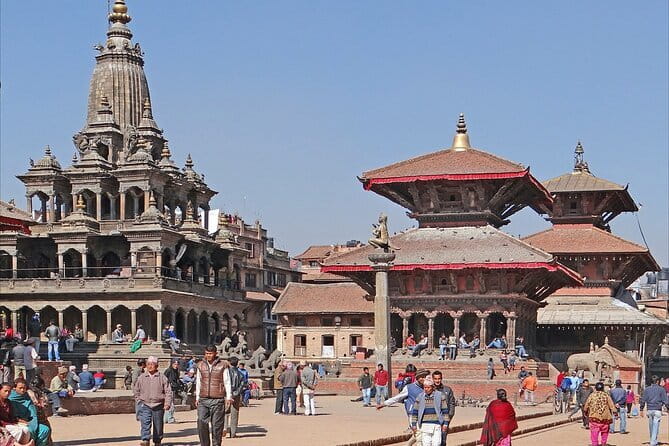
Kathmandu Durbar Square is the first stop, with about an hour on site. This UNESCO complex is all about the way rulers expressed themselves—through courtyards, temples, and carved stone.
What I like about starting here: it gives you a baseline. You’ll recognize patterns you see later in other Durbar Square sites—how entrances are shaped, how temples sit within larger palace-like compounds, and how urban life grew around these centers.
Practical note: admission tickets aren’t included. So if you’re trying to keep the day smooth, budget time and cash for entry.
Tip for your photos: don’t only shoot wide angles. Spend a few minutes on doorframes, columns, and window carvings. That’s where the architecture tells the most readable story.
Patan Durbar Square: craftsmanship you can actually see
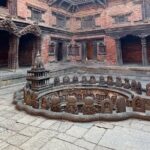
Next up is Patan Durbar Square (about 1 hour). Patan has a reputation for careful stone and metal work, and that shows in the structures around the square. You’ll be guided through key palace-temple areas, and you’ll also hear about the Mahabouddha Temple area mentioned as part of what you’ll see.
Why this stop matters on the tour: Patan helps you notice differences in style even though the overall UNESCO theme is “Durbar Square.” The square layout, the detailing, and the way temples sit in the urban fabric can feel slightly different from Kathmandu’s core.
Again, admission isn’t included, so plan for that cost at the gates.
How to get more from your guide here: ask questions like how the square was used—ceremonially, administratively, and socially. A good multilingual guide can connect the architecture to daily life, not just date it.
Bhaktapur Durbar Square: a medieval-feeling square world
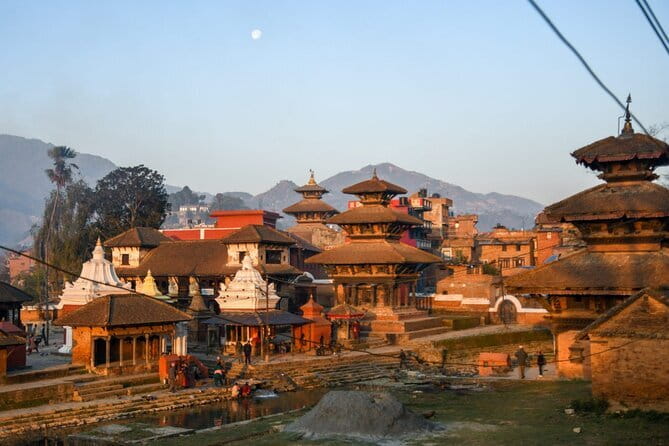
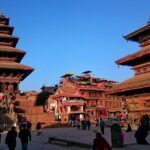
Bhaktapur Durbar Square is the third Durbar Square stop (about an hour). This one leans more strongly into “medieval charm,” which is a nice way to say the spaces feel intensely shaped—corners, plazas, and temple groupings that hold attention longer than you’d expect.
You’ll see highlights including the Vatsala Temple. The guide’s job at this stop is especially important because Bhaktapur’s layouts can feel like a maze unless someone points out what to look for first.
A drawback to consider: Bhaktapur’s streets and precincts can feel busy. If you’re sensitive to crowds, you may want to move slowly and take quiet breaks when your guide offers short free-time moments.
Admission tickets aren’t included here either, so budget accordingly.

Changu Narayan Temple: Nepal’s oldest Hindu temple
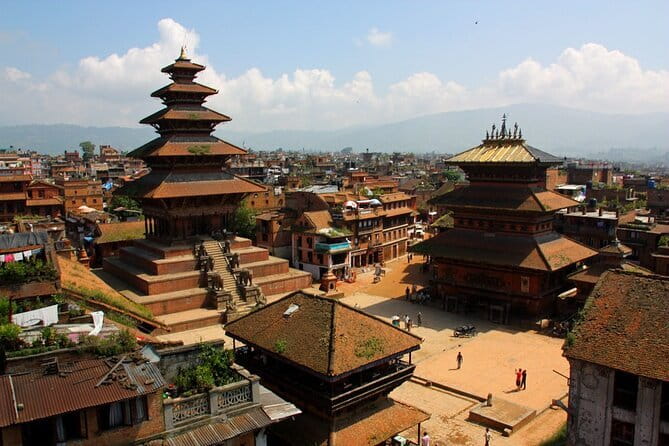
Changu Narayan Temple is next, described as Nepal’s oldest Hindu temple and a UNESCO site. This stop is about serenity compared to the Durbar Square rush—more about ancient architecture and atmosphere than about palace-courtyard spectacle.
Because it’s a temple complex, it’s also the kind of place where your guide’s wording matters. Look for the parts of the building that feel worn smooth by centuries—carvings, stone surfaces, and older structural forms.
The tour schedule gives you about an hour. That’s enough for a calm walk, not enough for a long, slow day-trip pace—so keep your “must-see” list short and trust your guide’s order of viewing.
Admission tickets aren’t included, so plan that cost into your total day budget.
Pashupatinath Temple: spiritual ambiance and sacred rules
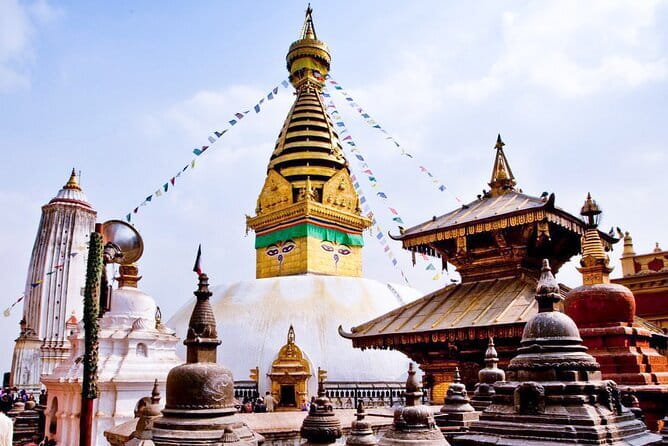
Pashupatinath Temple is one of Nepal’s most revered Hindu temples and a UNESCO World Heritage Site. Expect a strong spiritual atmosphere here, plus busy temple activity.
On this tour, you get about an hour with the guide. The value in having guidance is simple: religious sites can be confusing if you don’t know what’s meaningful. Your guide helps you connect the physical space to the rituals and significance people come here for.
A practical consideration: entrance rules and visibility can be tight in active areas, and you may need to move with the flow. This is one place where you’ll feel glad you’re traveling with a guide who can keep you pointed toward the right sections.
Admission tickets aren’t included. So if you’re counting on one set cost, you’ll be surprised—budget for it.
Boudhanath Stupa: Buddhist monument scale and street energy
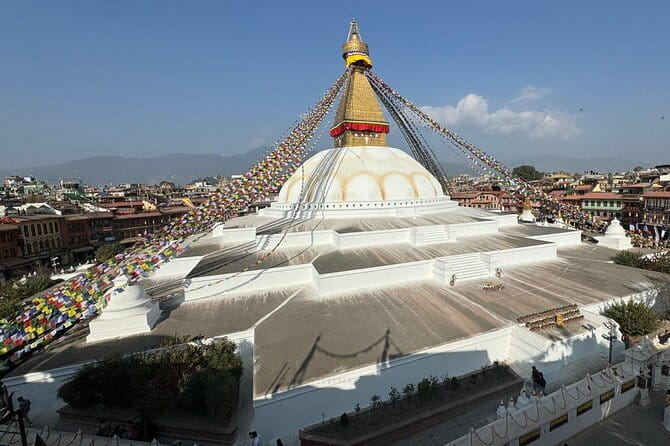
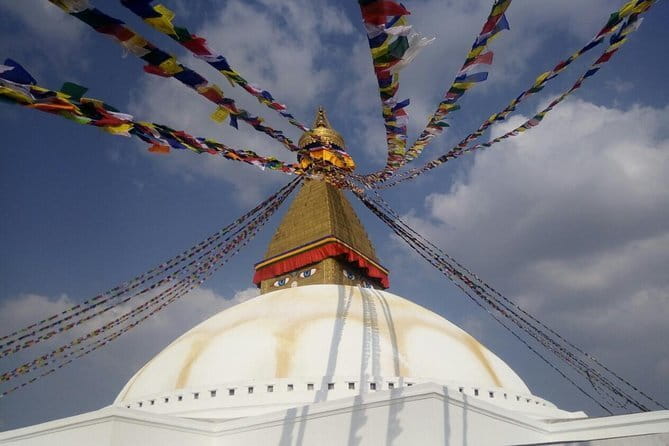
Boudhanath Stupa is a UNESCO site and one of Nepal’s most important Buddhist monuments. It’s the kind of place where your eyes naturally keep climbing—this is a big structure, and the surrounding area is full of motion: devotees, visitors, and the small everyday interactions that keep the place alive.
On the tour, you’ll get about an hour and you’ll be guided around the stupa. That “around” part matters. You get a chance to understand the space as a circuit, not just a photo target.
Admission isn’t included again, so bring extra cash and keep your schedule flexible enough to handle entry procedures.
One thing to remember: this is a functioning religious space. Keep your voice low, dress respectfully, and let the moment lead your pace. Your guide’s directions will help you stay in the right areas.
Swayambhunath: hilltop views plus the stupa story
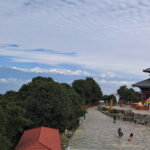
Swayambhunath is the final major UNESCO stop, perched on a hill overlooking Kathmandu. It’s also known for panoramic views, and the guide’s job here is to connect what you’re seeing with the site’s history and architecture.
The tour gives about an hour, which is just enough to enjoy the viewpoint, take in key structures, and follow the guided explanation without feeling rushed the whole time.
This is also one of those places where crowds can gather around viewpoints. If you want the best photos, ask your guide when to step aside and when to move forward—timing makes a difference.
Admission tickets aren’t included. Swayambhunath entries can take a bit of time, so don’t plan to treat your day like a strict minute-by-minute checklist.
Price and logistics: what you’re paying for at $99
For $99 per person, the best value piece is the multilingual male/female guide and the guided pacing through multiple UNESCO sites. You’re not paying for a luxury bus or a catered day. You’re paying for someone to organize the experience and interpret what you’re looking at.
Here’s what isn’t included:
- Lunch and dinner
- Tips or gratuities
- Personal expenses
- Air-conditioned vehicle
- Admission tickets (not included at each UNESCO stop)
That means your true daily cost is the $99 plus whatever admission fees apply, plus food and small extras. If you’re budgeting, I’d treat admissions as a required add-on and plan at least one meal on your own.
The good part: because the tour ends where it starts, you’re not stuck hunting for transport afterward. The schedule is set up so you can keep your day structured.
How to make this day feel worth it (instead of just scheduled)
A 9-hour UNESCO loop can either feel meaningful or like a checklist. The difference is how you handle pacing and attention.
Here are the habits I’d use:
- Pick one theme for the day: architecture, ritual spaces, or how cities organized power around temples. Then keep noticing examples at each stop.
- Ask for the “why” behind the “what”: a great guide makes the difference between seeing a temple and understanding what it represents.
- Use short breaks strategically: if your guide offers moments to explore freely, grab them for observations like carvings, altar areas, or how people move through the space.
- Plan one food stop: since lunch/dinner aren’t included, don’t leave meals to chance if you’re hungry and tired.
Also, one fun detail from the way this tour is described: the guide experience includes people like Deepak Kushwaha, and there’s mention of a female guide named Rabina. That’s a nice option if language comfort or speaking style matters to you. Either way, you should expect a guide who can work with your pace and questions.
Who should book this Kathmandu UNESCO tour
This works best if you:
- want to cover major Kathmandu UNESCO sites in one day
- like guided explanations and cultural context
- need multilingual support
- prefer pickup and a set route over self-planning
It may be less ideal if you:
- hate walking through temple areas with rules and crowds
- want a long, slow visit at just one or two sites
- prefer all-inclusive meals and admissions (since those aren’t included)
The tour is listed as suitable for most travelers, which is helpful. If you’re comfortable with walking and standing for about an hour per stop, you’ll likely be fine.
Should you book this UNESCO World Heritage Tour
I’d recommend it if you’re on a tight schedule and you want your Kathmandu time to feel organized and interpretive. For $99, you’re buying a guide-driven day across some of Nepal’s most important sites, with pickup offered and mobile ticket convenience.
Before you book, do two quick checks:
- confirm you’re ready to pay admission tickets separately at each stop
- plan food so you don’t end up hangry and rushing
If that fits your style, this is a strong value way to see a lot of UNESCO Kathmandu landmarks with context, not just camera stops.
FAQ
How long is the Kathmandu UNESCO World Heritage tour?
The tour runs about 9 hours.
What is the price per person?
The price is $99.00 per person.
What’s included in the tour price?
A multilingual male/female guide is included. A mobile ticket is also provided.
Are admission tickets included for the UNESCO sites?
No. Admission tickets are not included.
Is lunch or dinner included?
No. Lunch and dinner are not included.
Does the tour include pickup?
Yes, pickup is offered. The tour starts at Kaiser Library and ends back at the same meeting point.
How many travelers can be on the tour?
The tour has a maximum of 100 travelers.
Is the vehicle air-conditioned?
No. An air-conditioned vehicle is not included.
What is the cancellation window?
You can cancel for a full refund up to 24 hours in advance of the experience’s start time.