REVIEW · KATHMANDU
Everest Base Camp Helicopter Tour
Book on Viator →Operated by Sublime Trails Pvt. Ltd · Bookable on Viator
Everest looks different from a helicopter.
This Everest Base Camp helicopter tour is interesting because you can trade a punishing multi-day trek for a fast, bird’s-eye flight that still lands you close to the story of the Khumbu. I especially love the small-group setup (max 16) for calmer viewing time, and I like how the day ends with breakfast at the famous Hotel Everest View. One thing to weigh: it’s weather-dependent, and there’s also a passenger weight limit of 265 lbs that can affect who gets on certain higher-altitude legs.
The other big appeal is how the route is built for altitude and timing. You start early at Tribhuvan International Airport, fly into the Himalayas, then break up the day with short stops to adjust, refuel, and manage passenger limits at higher elevations. If you want the best seat for those famous angles, I’d follow what worked for people with Sublime Trails—ask for a window seat early; guides like Ram and Prakash are used to helping with that kind of request.
Yes, a helicopter tour is pricier than trekking. But this one is priced around speed and convenience: private transport to the airport, round-trip helicopter service, and a focused half-day spent looking up at giants—without the days of packing, climbing, and acclimatizing on foot. The main drawback is that breakfast and the Sagarmatha National Park fee are not bundled into the headline cost, so plan for those extras so the day doesn’t feel unexpectedly expensive.
In This Review
- Key Highlights You’ll Actually Feel During the Day
- How This Everest Base Camp Helicopter Tour Really Works (and Why It’s Popular)
- Tribhuvan Airport and the Lukla Refuel Stop: Your First Taste of the Himalayas
- Pheriche Split for Altitude Limits: The Part That Changes for Some People
- The Big Views: From Pheriche to Everest Base Camp and Kala Patthar
- Hotel Everest View Breakfast: The Terrace Moment You Should Plan For
- Price and Value: What $1,600 Buys You (and What It Doesn’t)
- Small Group Size and Window Seats: How to Get the Best Experience
- What to Wear and Bring for a Cold, Fast Everest Day
- Weather Reality Check: When the Day Changes
- Who This Tour Fits Best (and Who Might Prefer Trekking)
- Should You Book the Everest Base Camp Helicopter Tour with Sublime Trails?
- FAQ
- What time does the Everest Base Camp helicopter tour start?
- How long is the tour?
- Where is the meeting point and where does the tour end?
- Is pickup available?
- What is included in the price?
- Is breakfast included at Hotel Everest View?
- What is the Sagarmatha National Park entrance fee?
- What is the passenger weight limit?
- Does the tour require good weather?
- Is there a limit on group size?
Key Highlights You’ll Actually Feel During the Day
- Early morning starts (5:00 am) that give you cleaner light and quicker mountain viewing time.
- Small group size capped at 16, which makes it easier to get quiet sightlines through the windows.
- Altitude-aware operations with group splitting around Pheriche to respect restricted passenger weight limits.
- A truly scenic jump from Pheriche toward Everest Base Camp, with glaciers and snow-capped massifs below you.
- Breakfast at Hotel Everest View on the terrace, timed for a dramatic end-of-tour payoff.
- Window seat requests are common with Sublime Trails’ team (Ram and Prakash), so you can optimize your photos.
How This Everest Base Camp Helicopter Tour Really Works (and Why It’s Popular)
If you’ve ever stared at maps of the Khumbu and thought, I want Everest, not the suffering part, this tour is built for that mindset. The helicopter gets you into the Everest region quickly, so you spend your hours on visuals instead of trekking logistics. It also compresses what many first-time Everest visitors find hardest: the time commitment.
Another reason I like the concept is that it doesn’t pretend there’s no altitude involved. The schedule includes specific stops—especially around Lukla and Pheriche—where the day is paced and managed rather than treated like a simple straight shot. You’re not just buying a plane ride; you’re buying a route designed to function in the real world of Himalayan operations.
The other practical appeal is how the experience is shaped around convenience. You get private transportation, and the tour is positioned around an early shuttle to the airport and back. When you’re trying to do Everest in limited time, cutting out hotel-to-airport friction matters.
You can also read our reviews of more tours and experiences in Kathmandu

Tribhuvan Airport and the Lukla Refuel Stop: Your First Taste of the Himalayas
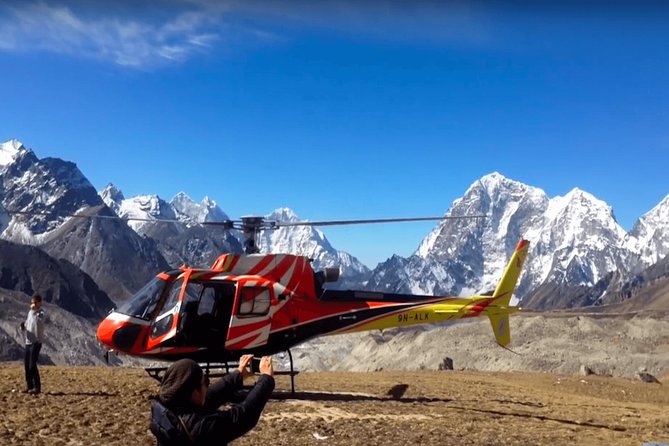
The day starts at Tribhuvan International Airport around 5:00 am, so plan your night before like you would for a flight with a hard deadline. This is not a “show up whenever” kind of experience. Once you’re on board, you’ll take off from the airport toward Lukla, with the early segment operating on a short, controlled timing window.
At Lukla, there’s a brief helicopter refueling break. Even though it’s short, it’s useful in a very real way: you get a moment to feel the colder air and transition mentally from Kathmandu bustle to Himalayan silence. It’s also one of the first places where you can appreciate why helicopters are the chosen tool here—terrain and remoteness make “normal” travel slow.
A nice detail: the day’s airport-related admission timing is handled as part of the experience flow. You’ll board at Tribhuvan, then use Lukla as the quick reset point before pushing higher.
Possible drawback to keep in mind: the early start means you should treat the day as a high-energy commitment, not a casual morning. If sleep is tight, you’ll feel it by the time you’re waiting for the later segments.
Pheriche Split for Altitude Limits: The Part That Changes for Some People
Pheriche is where the tour becomes more “real-world altitude operations” than a simple scenic flight. At this stage, the group is split into two, partly to manage a restricted passenger weight limit at higher altitudes. One group is shuttled for the Everest Base Camp helicopter portion, while the other group explores the surroundings and waits for their turn.
This matters because it affects your sense of how the day will unfold. If you’re on the group that heads toward Everest Base Camp, you’ll get the key views as part of your main flight time. If you’re in the waiting group, you’re still in the Everest region and not stuck in a room, but your “main moment” will be later.
From a value perspective, this structure keeps the tour functioning even with physical limits. From an emotional perspective, it also means you should go in expecting some waiting, even if the total day is only about 4–5 hours.
One practical tip: dress in layers. Even short shifts in altitude can make temperatures feel sharper, and you’ll be doing a mix of sitting and standing during the pauses.
The Big Views: From Pheriche to Everest Base Camp and Kala Patthar
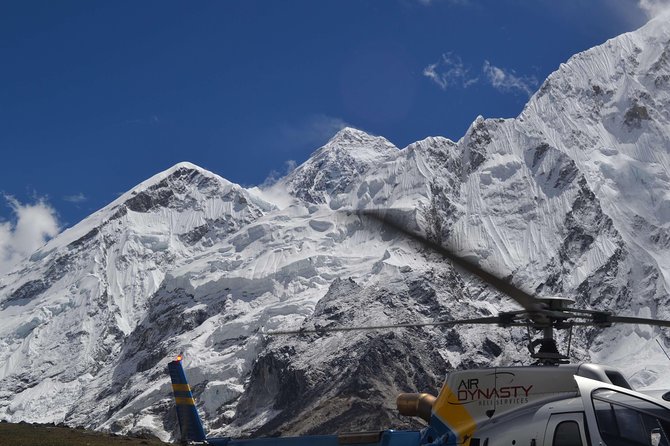
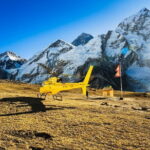
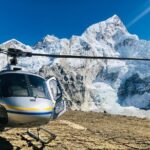
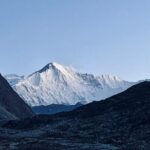
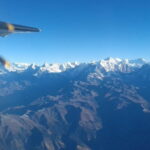
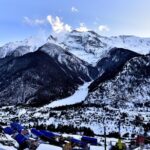
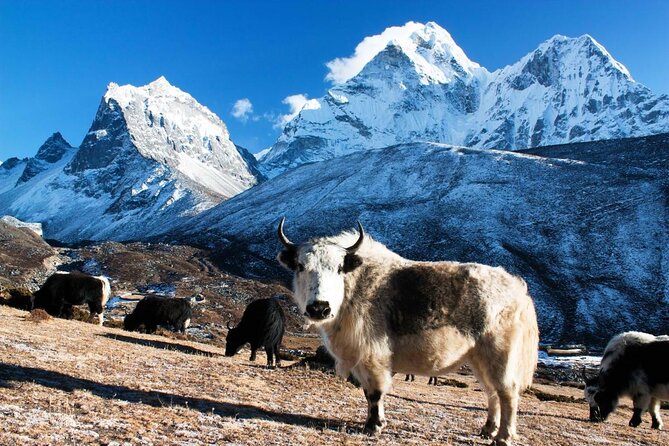
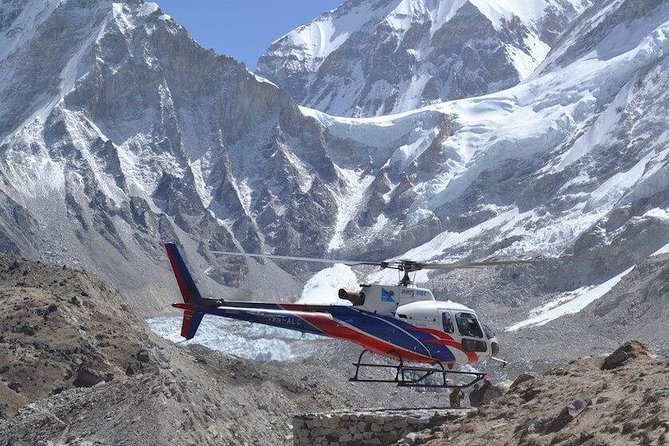
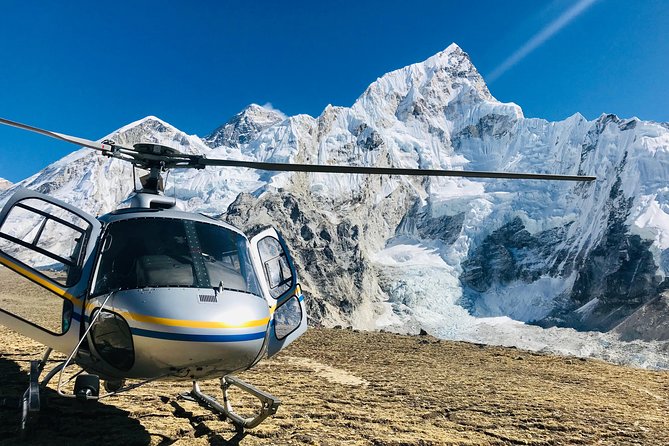
The best part of this day is the flight from Pheriche toward Everest Base Camp. This segment is described as a highlight in itself because you’re flying over glaciers and snow-capped massifs, with Everest Base Camp coming into view from above. That “from the sky” angle is a different kind of awe than what you’d get on foot.
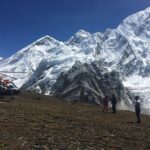
Once you’re looking down, you’re not only seeing Base Camp. You’re also getting a bird’s-eye perspective of major landmarks in the region—especially Kala Patthar, along with surrounding peaks and glaciers. Even if you know the names, seeing them laid out from height helps your brain finally connect the icons from guidebooks with real geometry.
The tour is designed so you’re not rushed through the moment. In a short time window, you get the kind of views that trekking often takes days to piece together. That’s the heart of the “helicopter shortcut” idea: you compress a large visual learning curve into a single morning.
Practical consideration: helicopter time in the mountains can be brief by nature. If you’re photo-focused, plan on making the most of the window moment rather than expecting a long, slow sightseeing loop.
Hotel Everest View Breakfast: The Terrace Moment You Should Plan For
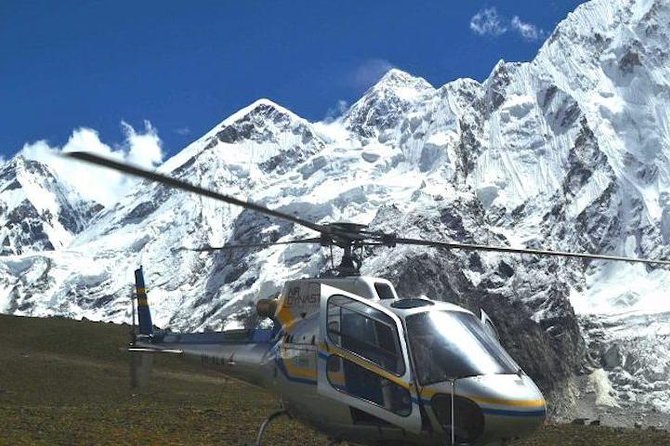
After the main flying portion, you end with a breakfast stop at Hotel Everest View, described as the highest-altitude hotel in the world. This is not just a meal. It’s the payoff for the day: the terrace breakfast is timed so you can pair food with a mountain backdrop that looks almost staged.
The breakfast portion is about 30 minutes, so treat it as part of the experience rhythm rather than an open-ended dining stop. Also note the important cost detail: breakfast here is not included in the base price.
I like this ending because it gives your body a reset after cold air and engine noise. More importantly, it gives you a last look at Everest angles from ground perspective, which complements the helicopter views earlier. For many people, that blend is what makes the day feel complete: sky views first, then a still, quiet mountain “sit with it” moment.


Price and Value: What $1,600 Buys You (and What It Doesn’t)
At $1,600, this is a premium way to see Everest Base Camp. The value case is strongest if your priorities are time, comfort, and avoiding the long trek.
Here’s what you’re getting included:
- Private transportation
- Round-trip helicopter ride between Kathmandu and the Everest Base Camp area
Not included (and worth planning for):
- Breakfast at Hotel Everest View
- Sagarmatha National Park entrance fee, payable at Lukla Airport: $55 per person
So the real cost isn’t just the headline figure. It’s the total of the package plus the park fee plus your breakfast decision at the end. If you want maximum predictability in your budget, estimate breakfast as an additional line item.
Is it worth it? If you’d otherwise spend days hiking, adjusting, and managing fatigue, the helicopter tour turns Everest into a half-day project. For some people, that alone is worth the premium. For others—especially if you want a deeper connection with the region and don’t mind the trek—it may feel like paying to skip the hard part.
My advice: treat this as a “once-in-a-lifetime visual mission.” If that matches your travel style, the price can make sense fast.
Small Group Size and Window Seats: How to Get the Best Experience
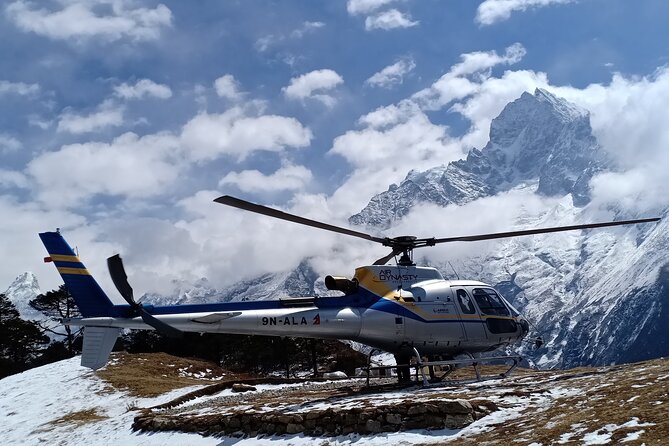
This tour caps at 16 travelers, which sounds like a detail until you’re in a small aircraft. Fewer people usually means less crowding and more freedom to focus out the window. You can also move more easily during the pauses between legs.
Window seats matter here because you’re looking down at glaciers, glaciers’ shadows, and the shapes of peaks. If you care about photos, ask for a window seat at booking or as soon as your confirmation comes through. People doing this with Sublime Trails have specifically noted that Ram helped them with seat preferences and that guide Prakash was attentive to making details work smoothly.
One more good sign: the operation is run with a small team approach. Reviews you’ll see from people who’ve used Sublime Trails Pvt. Ltd frequently highlight how smoothly the day is coordinated, especially around meeting points and timing.
What to Wear and Bring for a Cold, Fast Everest Day
Even without exact temperature readings, you can plan for cold. The day includes early morning pickup and helicopter flights, plus outdoor waiting at points like Lukla and Pheriche. Think wind protection and layering more than heavy bulk.
Bring:
- Warm layers you can add/remove quickly
- A windproof outer layer
- Sunglasses (glare at altitude can be intense)
- Your camera or phone with battery readiness
Also, keep your mindset flexible. Short waiting moments are part of how the day functions, and the tour depends on the day’s weather to operate safely.
Weather Reality Check: When the Day Changes
The biggest “gotcha” with any Himalayan helicopter day is weather. This experience explicitly requires good weather, and if it’s canceled due to poor conditions, you’ll be offered a different date or a full refund.
This means you should not schedule it as a last-minute add-on if you’re on tight fixed plans. Give yourself some breathing room in Kathmandu, or at least don’t make the helicopter day the only possible Everest experience you have.
Cancellation timing is handled with advance notice and local time cutoffs, but the key point for you is simple: plan for the possibility that the mountain may delay your plans, even if everything else is set.
Who This Tour Fits Best (and Who Might Prefer Trekking)
This helicopter tour is a great fit if:
- You want Everest Base Camp without a multi-day trek
- You’re short on time but still want serious mountain views
- You prefer a guided day with transportation handled for you
- You like the idea of compressing the Everest experience into a focused, scenic morning
It may not be the best fit if:
- You want a slower, deeper travel pace where you can settle into the region over many days
- You have no flexibility for weather-dependent scheduling
- You fall outside the listed 265 lbs passenger weight limit
Should You Book the Everest Base Camp Helicopter Tour with Sublime Trails?
I’d book this tour if Everest is your goal and time is your constraint. The combination of round-trip helicopter service, small group size, and the finished breakfast moment at Hotel Everest View is a strong match for travelers who want the highlights without the long trek.
One more reason I like the call: the day’s structure shows that the operator isn’t just chasing a photo moment. The route includes stops to manage conditions at altitude and passenger limits, and the team approach (with names like Ram, Prakash, and Laxman appearing in people’s experiences) suggests they take details seriously.
If you’re the type who wants the journey on foot, sweat included, you might feel like something is missing. But if your goal is to see Everest and Base Camp clearly, from the sky and then from a terrace, this is one of the more efficient ways to do it.
FAQ
What time does the Everest Base Camp helicopter tour start?
The start time is 5:00 am, with the meeting point at Tribhuvan International Airport.
How long is the tour?
The duration is approximately 4 to 5 hours.
Where is the meeting point and where does the tour end?
You start at Tribhuvan International Airport (Ring Rd, Kathmandu 44600, Nepal) and the activity ends back at the same meeting point.
Is pickup available?
Yes. Pickup is offered, and the tour includes private transportation to and from the airport.
What is included in the price?
Included are private transportation and the helicopter ride from Kathmandu to Everest Base Camp and return.
Is breakfast included at Hotel Everest View?
No. Breakfast at Hotel Everest View is not included.
What is the Sagarmatha National Park entrance fee?
The Sagarmatha National Park entrance fee is payable at Lukla Airport and is listed as $55.00 per person.
What is the passenger weight limit?
The total weight per passenger is limited to 265 lbs.
Does the tour require good weather?
Yes. This experience requires good weather. If it’s canceled due to poor weather, you’ll be offered a different date or a full refund.
Is there a limit on group size?
Yes. The tour has a maximum of 16 travelers.