REVIEW · KATHMANDU
Everest Base Camp Helicopter Tour landing at Hotel Everest View
Book on Viator →Operated by Adventure White Mountain Pvt.Ltd · Bookable on Viator
Kalapathar comes into focus fast. This Everest Base Camp helicopter tour from Kathmandu is built for people who want huge mountain views without a trek, with multiple stop-and-look moments and a possible landing at Kalapathar. It’s short on paper, but it’s packed with aerial viewpoints of Everest and the Khumbu region.
What I like most is the chance for an up-close-style perspective around Kalapathar and the Everest Base Camp area flyover, rather than just looking from one angle in the sky. The second big plus is how much the day seems to run on rails thanks to Dipak Sapkota, who coordinates logistics and keeps the experience moving smoothly.
The main thing to consider is that this tour is weather-dependent, and the optional breakfast stop at Hotel Everest View can be subject to conditions. You should also plan for cold up high, plus extra government/park and airport-related fees that are not included.
In This Review
- Key things to know before you fly
- Entering the Everest viewpoint orbit from Kathmandu
- The flight plan: Kathmandu Valley to Lukla fuel stop
- Pheriche stop and the window-seat strategy
- Overflight and the Kalapathar moment you came for
- Syangboche Marg and Hotel Everest View breakfast (if weather allows)
- Returning to Kathmandu via Lukla: plan for a quick turnaround
- Aircraft, timing, and group setup that affect comfort
- Price and value: what $1,600 really buys (and what doesn’t)
- Weather, cold air, and weight limits you should plan for
- Should you book this Everest Base Camp helicopter tour?
- FAQ
- What airport does the Everest Base Camp helicopter tour depart from?
- How long is the tour, and how long is the flight time?
- Is hotel pickup and drop-off included?
- Where is breakfast, and is it included?
- Are national park and airport fees included in the price?
- Do I need to bring my original passport?
- What cold-weather clothing should I bring?
- Is there a weight limit for passengers?
Key things to know before you fly
- Kalapathar timing: You’re planned for a Kalapathar flyover, and tour feedback highlights Kalapathar landings.
- Real stop structure: Fuel and regrouping stops include Lukla (fuel) and Pheriche, with short breaks that keep sightlines and timing in check.
- Window-seat planning: The Pheriche stop is used to help arrange seating so window views are prioritized for the Everest Base Camp portion.
- Breakfast at Hotel Everest View: Optional and weather-dependent, usually planned for about one hour.
- Group size stays small: It’s shared with 5–6 passengers plus the pilot, with an overall maximum of 15 travelers.
Entering the Everest viewpoint orbit from Kathmandu
This is an Everest Base Camp helicopter tour from Kathmandu, and it’s designed to compress the highlights of the Khumbu into a half-day. You’ll start at Kathmandu airport, then the day moves quickly through flight segments and a few ground pauses that help with navigation and timing.
The flight segment that matters for your eyes is the short airborne run to the Everest Base Camp area and onward to viewpoints around Kalapathar. Even though the flight time is listed as just 4–6 minutes, the full experience clocks in at 4 to 6 hours because of check-in, the scheduled stops, and time on the ground.
Two practical tips shape how you’ll enjoy the day. First, treat the day as photography-focused. With multiple landings and flyovers, you’ll want your camera ready and your gloves on so you can shoot without fumbling. Second, plan your Nepal schedule so this is early in your trip. Weather can affect helicopter operations, and if it doesn’t work on your chosen day, you’ll want another chance.
You can also read our reviews of more tours and experiences in Kathmandu
The flight plan: Kathmandu Valley to Lukla fuel stop
After pickup from your hotel (you share your hotel name and address so they set the time), you head to Kathmandu airport. The plan starts with a flight out of Kathmandu with a flyover of the highest viewpoint in the Base Camp area, then it continues on toward Lukla.
You stop at Lukla for about 10 minutes, and the stated reason is fuel. Lukla is also the same airport that hikers typically reach near the start of the Everest trek, so this stop adds context even if you’re not trekking. You’re not there long, but it breaks up the flight and keeps the route realistic for a helicopter operation.
What this means for you: don’t expect a long sightseeing moment at Lukla. This is not a stroll stop. It’s a short, functional reset that still lines up your timing for the next viewpoint segment.
One thing I’d watch for in your mindset: helicopters can feel quick. If you go in thinking you’ll do a slow tour, you’ll be disappointed. If you go in thinking you’ll get a high-impact “look, shoot, move” day, you’ll feel satisfied.
Pheriche stop and the window-seat strategy
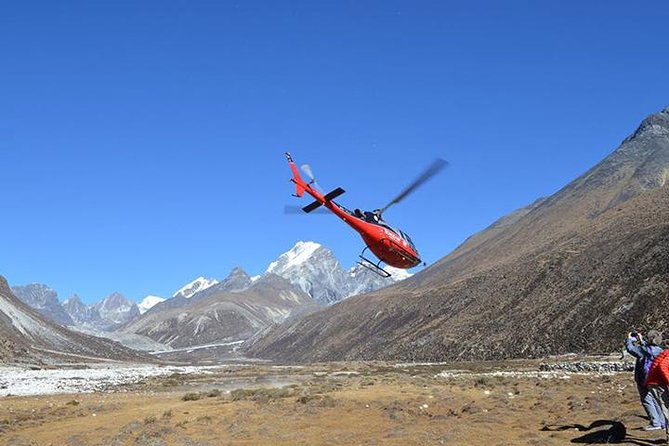
After Lukla, the itinerary calls for a stop at Pheriche for about 20 minutes. The special detail here is about seating. The route notes that when the group is larger (more than 3 people flying together), the operator may fly two people first, then three people, specifically for the Everest Base Camp portion, so that window seats are more likely to be guaranteed.
That’s a genuinely smart approach for a helicopter tour. Window access is everything when you’re trying to frame Everest, Lhotse, Pumori, Nuptse, and related ridges from above. In smaller jets you’d usually fight for position; here, the operation tries to control the experience.
What you might do during this stop: keep warm, double-check your camera settings, and be ready when you hear your group’s call. There isn’t enough time to “wander,” but there is time to reset your body and grab a few extra moments to prepare for the next viewpoint.
Also note the day is described as being run in a joining group format with around 5–6 passengers and a pilot. That typically means you’ll be focused on your own comfort, not socializing all day.
Overflight and the Kalapathar moment you came for
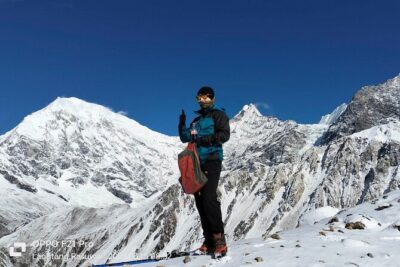
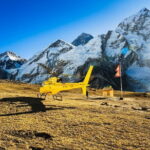
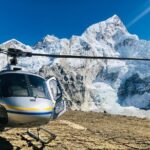
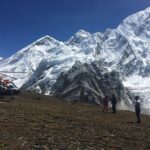
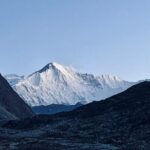
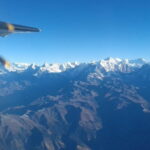
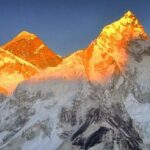
The highlight of this whole tour is the aerial experience around Everest Base Camp and Kalapathar. The tour overview specifically calls out overflying Kalapathar for stunning views of Mount Everest, plus multiple landing points so you can capture the best visuals.
In the tour feedback included here, people emphasize the feeling of landing at Kala Patthar and getting that close-up perspective. Even if your specific landing details vary by weather and safety conditions, the intent of the route is consistent: Kalapathar is where you go to see Everest at an angle that feels almost unreal compared to typical photo perspectives.
Here’s why that matters. Everest is not one single “mountain view.” From different ridges and angles, you see a mosaic of glacial rivers, steep faces, and layered peaks. The helicopter route is built to give you multiple chances to catch Everest and neighboring giants like Lhotse and Pumori.
A practical note: helicopter rides can be windy. If you want steady video, keep your elbows tucked and avoid over-gripping the camera so your wrists don’t tense up. Cold also slows down thumb movement, so keep gloves accessible and use camera controls carefully.
Syangboche Marg and Hotel Everest View breakfast (if weather allows)
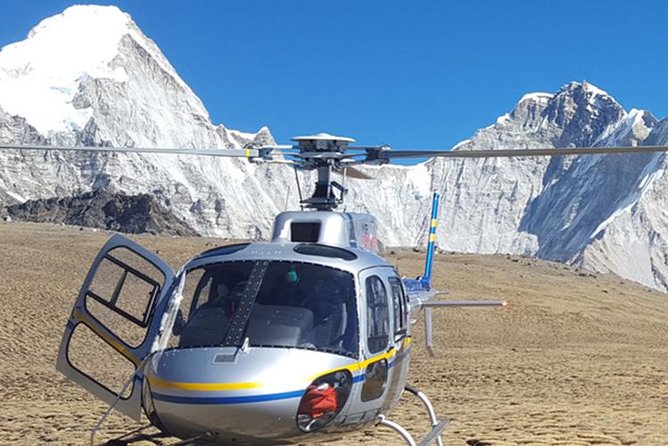
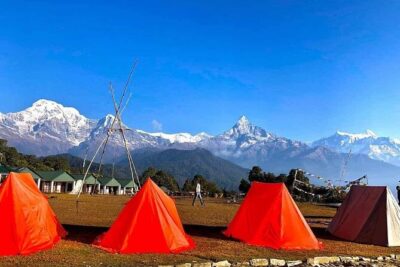
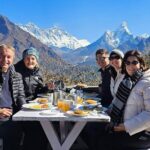
A key stop is the Syangboche Marg landing used as the breakfast point during the Everest helicopter flight. The plan is to stop at Hotel Everest View, usually for about one hour, but it’s explicitly subject to weather.
Breakfast is not included in the base price. The stated cost is USD 31 per person for a set breakfast, and you should carry that amount. When the weather cooperates, this stop is a nice change of pace in a day that’s otherwise all flying.
What you get from the breakfast option is more than food. It gives you time on the ground with the air still cold but your body less stressed than staying strapped in a helicopter. It also adds a reliable “checkpoint” moment so you don’t feel like you’re just rushing to your next viewpoint.
The drawback is obvious: if weather doesn’t allow this stop, you won’t get the scheduled meal time. In that case, you’re still likely to get the main flight experience, but you’ll want to accept that the Hotel Everest View timing may shift or drop.

Returning to Kathmandu via Lukla: plan for a quick turnaround
After the viewpoint and any scheduled stop around Everest Base Camp and the Kalapathar segment, you head back toward Kathmandu by helicopter, again with an intermediate stop at Lukla.
The itinerary describes the return route as taking about one hour of flight time via Lukla, with the note that the captain may choose either to fly via Lukla or directly depending on fuel situation. That detail is important: don’t assume the flight path will be identical each time. Safety and fuel choices can change the exact route, but the experience goal stays the same.
When you land back in Kathmandu, you’ll typically be back to your hotel via the pickup/drop-off arrangement you set when booking. This is the kind of tour that fits neatly into a Nepal itinerary without forcing you to lose an entire day to trekking logistics.
If you’re sensitive to motion, this is another reason to keep your planning simple. The helicopter portion is short but frequent enough that you might benefit from hydration and keeping your phone and camera charged and easy to access.
Aircraft, timing, and group setup that affect comfort
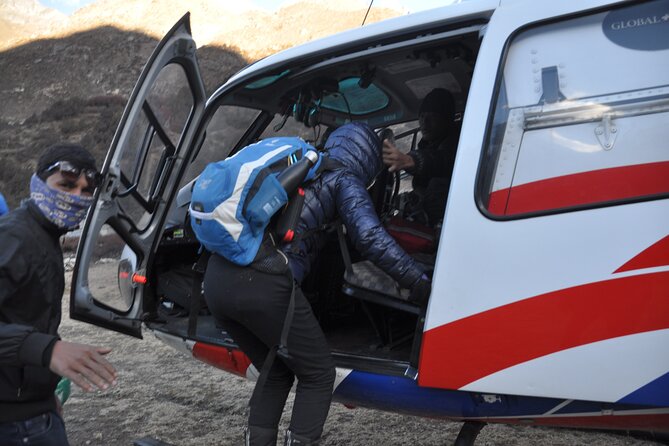
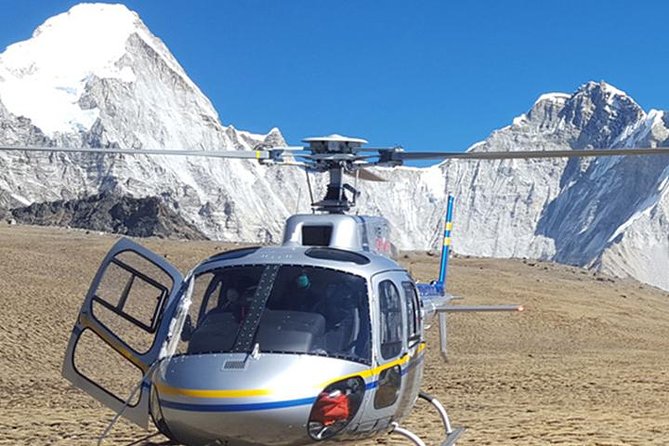
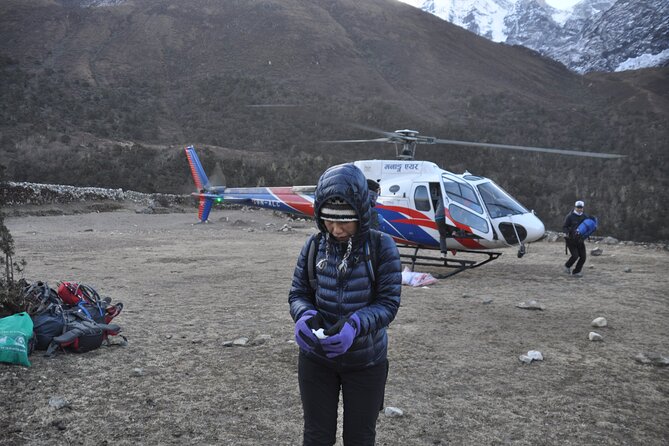
The route mentions flying on an Airbus H125 (Eurocopter 350 model is also referenced). That’s the kind of helicopter used for short, high-visibility mountain routes where speed and maneuverability matter.
Here are the timing realities you should expect:
- Total duration: about 4 to 6 hours
- Flight time: about 4 to 6 minutes (the listed flight time is the key airborne segments; the rest is check-in and stop time)
- Operational reality: It runs only in good weather, and it’s better as one of your earlier days in Kathmandu.
Group format also matters. You’re sharing the helicopter with a small group (typically 5–6 passengers plus the pilot) and the overall maximum number is 15 travelers. That keeps things from turning into a mass event. It also means you should show up ready to go on time, because the whole day depends on tight scheduling.
If you get motion sickness easily, it’s worth considering that the route includes climbs and fast angle changes. The good news: since the airborne time is short, you’re not trapped in it for hours.
Price and value: what $1,600 really buys (and what doesn’t)
The listed price is USD 1,600.00 per person. For a helicopter tour in the Everest region, that price is positioned as a premium shortcut: you’re paying for speed, for access to viewpoint landings, and for a route that tries to deliver multiple sight angles without the multi-day trek.
What’s included:
- Hotel pickup and drop-off
- Everest helicopter flyover trip as a joining group (5–6 passengers plus pilot)
- Multiple landing points for beautiful views and photos
What’s not included (and this can matter for your budget):
- National park fee: USD 26
- Airport tax: USD 8
- Khumbu village development fee: USD 16
- Optional breakfast at Hotel Everest View: USD 31 per person, subject to weather
So you’re not just paying for a flight. You’re paying for an organized operation that includes ground transfers, a structured routing plan with stops like Lukla and Pheriche, and access to viewpoint landings. For many people, that’s the whole point: you trade trek time and altitude effort for a short, high-impact experience.
One more value note: mobile ticket is offered, and you only need a passport copy (a picture on your phone is allowed). That reduces friction compared with trips that demand printed documents.
Weather, cold air, and weight limits you should plan for
This tour only flies in beautiful weather, and cancellation can happen if conditions are unsafe. If it gets canceled due to poor weather, you’ll be offered a different date or a full refund. There’s also a minimum number of travelers requirement, and if that minimum isn’t met, you’ll get a different date/experience or a full refund.
For your body, the cold is real. The info provided includes:
- Summer: warm dress for around 0°C in summer and bring a warm jacket for winter -2°C
- Higher points in winter: -10°C
- Another reference suggests summer -5°C and winter -10°C for higher points
Even if you’re not going far on foot, helicopter airflow makes cold feel sharper. Bring layers from home if you can. The tour advice says to carry a warm jacket from home or buy in Kathmandu before the trip.
Weight also matters for helicopter safety. The total weight per passenger is listed as 221 lbs, and the company asks anyone over 100 kg to send a text message after booking. This isn’t nitpicking. It’s part of the safety math for helicopter routing.
Should you book this Everest Base Camp helicopter tour?
You’ll probably love booking if:
- You want Everest views fast, without trekking days
- You care about getting multiple angles through flyovers and landing points
- You want a plan that includes a chance for Kalapathar views and possibly a Kalapathar landing, plus optional Hotel Everest View breakfast if conditions allow
- You’d rather pay for convenience than spend weeks on the trail
You might skip it if:
- You only want fixed, guaranteed timing for breakfast or specific landings, because weather can change the day’s plan
- You’re expecting a slow, leisurely tour with long walks at stops like Lukla and Pheriche (these are short operational stops)
- You’re uncomfortable with cold air and quick movement during a half-day schedule
If you do book, treat it like a mission: pack warm, charge devices, and aim for this early in your Nepal stay so you have flexibility if the first attempt is weathered out. And if your booking includes the Everest View breakfast, carry the stated USD 31 per person so you’re not scrambling at the stop.
FAQ
What airport does the Everest Base Camp helicopter tour depart from?
The tour starts from Kathmandu airport and includes flight segments that stop at Lukla and Pheriche, with the route continuing to the Everest Base Camp area and Kalapathar viewpoints.
How long is the tour, and how long is the flight time?
The total duration is 4 to 6 hours (approx.). The listed flight time is about 4 to 6 minutes, with the rest of the time used for check-in and scheduled stops.
Is hotel pickup and drop-off included?
Yes. Hotel pickup and drop-off are included, but you need to provide your hotel name and address so they can set the pickup time.
Where is breakfast, and is it included?
Breakfast is available at Hotel Everest View during the Syangboche Marg stop. It is optional, subject to weather, usually planned for about one hour, and costs USD 31 per person.
Are national park and airport fees included in the price?
No. The tour lists these as not included: National park USD 26, airport tax USD 8, and Khumbu village development fees USD 16.
Do I need to bring my original passport?
No. A passport copy is enough, and a photo on your phone works. The info says you do not need the original passport.
What cold-weather clothing should I bring?
The tour notes to bring warm dress for the cold at higher points. It mentions summer -5°C, winter -10°C for higher points, and guidance like bringing a warm jacket for -2°C in winter and around 0°C in summer.
Is there a weight limit for passengers?
Yes. The info lists 221 lbs as the total weight per passenger. It also says passengers over 100 kg should send a text message after booking.