REVIEW · KATHMANDU
Everest Base Camp helicopter tour with landing
Book on Viator →Operated by Adventure Master Trek · Bookable on Viator
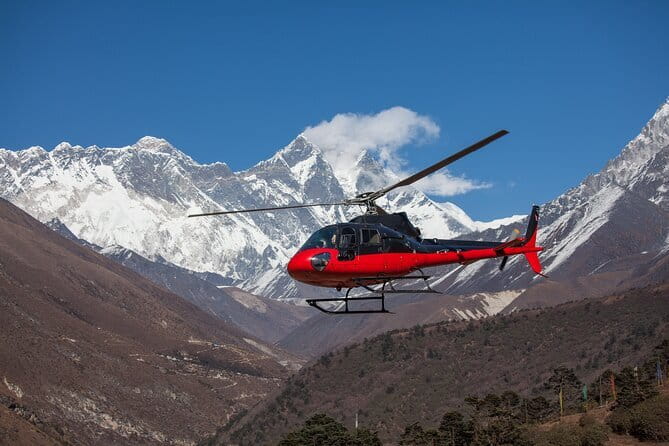
A helicopter to Everest is an early-morning dream. This one is interesting because it pairs Base Camp landing with big-window Himalayan flying, including key airstrips and viewpoints, plus an onboard safety setup with an oximeter. My favorite parts are the private feel (small group) and the chance to touch down at altitude for a gourmet mountain picnic. The main drawback is the price, and it’s also a weather-dependent day.
You’ll start before sunrise, then spend the day bouncing through the Everest region from Kathmandu toward Lukla and up to Everest Base Camp. Expect a total outing around 5 to 6 hours, with about 5 hours of flight time, and a schedule built around what the aircraft and conditions allow. If you’re sensitive to early mornings, plan for a very early wake-up call.
In This Review
- Key Highlights You’ll Care About
- A 5:30 AM Helicopter Day to Everest: The Rhythm of the Morning
- Private Ride Details: Group Size, Comfort, and Weight Limits
- Stop by Stop: Kathmandu, Lukla, Kala Patthar, Syangboche, and the Base Camp Landing
- Kathmandu: Pickup and the transition to flight mode
- Lukla: The gateway airstrip experience (and likely refuel timing)
- Kala Patthar: Flyover time for the big viewpoint
- Everest View Point / Syangboche: Everest View Hotel area and a proper dining break
- Everest Base Camp: The rare touchdown (and why it’s the whole reason)
- Safety Setup at Altitude: Oxygen, Oximeter, and First-Aid Ready
- Flight Value: What’s Included vs. What Costs Extra
- Weather Reality: Why Your Day Depends on Visibility
- What I Think Makes This Tour Worth the Money (and for Who)
- The Practical Stuff: Timing, Transfers, and What to Plan For
- Should You Book This Everest Base Camp Helicopter Tour with Landing?
- FAQ
- What time does the tour start and how long is it?
- How many people are in the helicopter?
- Do you land at Everest Base Camp or just fly over it?
- What stops are part of the route?
- What’s included in the price, and what costs extra?
- Is breakfast included?
- Is there any altitude safety equipment?
- What happens if weather is bad?
Key Highlights You’ll Care About
- Base Camp landing: This is the big ticket item, not just a flyby.
- Small group private helicopter: Up to 5 people per ride keeps things calm.
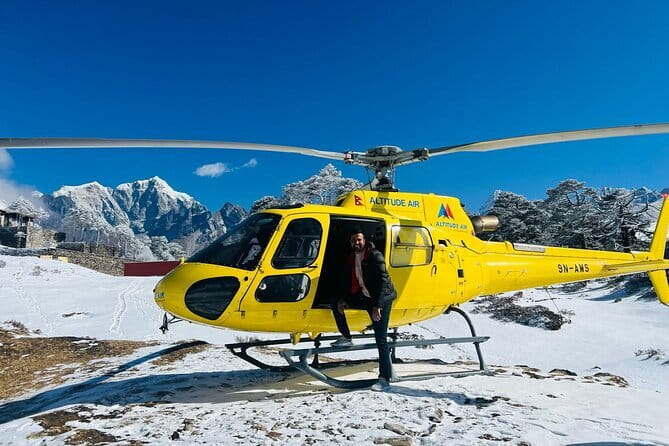
- Oximeter + oxygen tank + first-aid kit service fees included: Real comfort-and-safety gear, not marketing fluff.
- Stops that actually change your perspective: Kathmandu, Lukla, Kala Patthar views, Syangboche/Everest View area.
- Pilot-led navigation with peak spotting: You can get peak-by-peak orientation from the flight.
- Weather can make or break the day: You’ll be planning for good visibility.
A 5:30 AM Helicopter Day to Everest: The Rhythm of the Morning
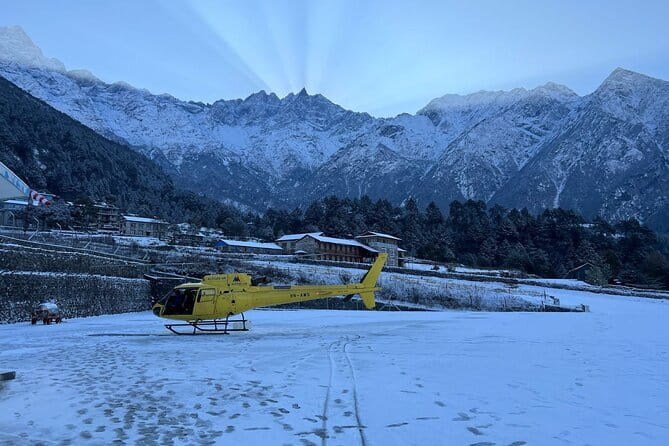
Start time is 5:30am, so you’ll want to treat this like a small expedition, not a casual outing. You’ll be picked up from your Kathmandu hotel for the transfer to the airport, then you’ll go through ticketing and board early.
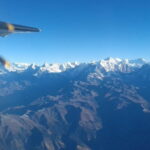
The payoff is that you’re in the air during the best lighting windows. Clear views are everything here, and most of the experience depends on visibility. When skies cooperate, you get long, dramatic sightlines across the Everest region.
You can also read our reviews of more tours and experiences in Kathmandu
Private Ride Details: Group Size, Comfort, and Weight Limits
This is a private helicopter ride with a maximum of 5 travelers. That matters because you’re not sharing the experience with a crowd, and the flight feels more like a dedicated outing than a mass-tour product.
The helicopter operates with weight limits: total weight per passenger is listed as 207 lbs, and if you’re more than 100kg there will be extra cost. If you’re near those limits, confirm your specifics at booking so there are no surprises on the morning of departure.
You should also plan around a “moderate physical fitness” requirement. That doesn’t mean you’ll be hiking, but it does mean you’ll be dealing with early timing, moving through airports, and stepping into a high-altitude air-experience day.
Stop by Stop: Kathmandu, Lukla, Kala Patthar, Syangboche, and the Base Camp Landing
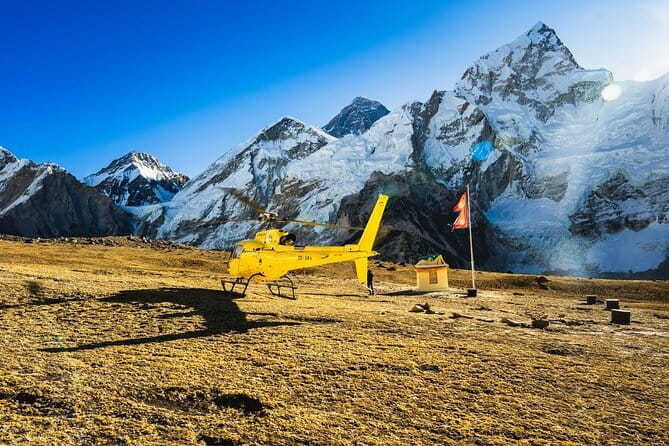
The day is structured like a scenic aviation route with a few “punctuation marks” where the itinerary gives you different angles and short pauses.
Kathmandu: Pickup and the transition to flight mode
Your tour kicks off with a hassle-free pickup from your Kathmandu hotel. The drive gets you oriented to the city’s pre-dawn pace, then it funnels you quickly into domestic airport procedures.
Admission is marked as free for the Kathmandu portion, and that usually signals you’re not paying for an attraction here—you’re paying for time and transport that gets you airborne.
Lukla: The gateway airstrip experience (and likely refuel timing)
Lukla appears as a key moment in the schedule, with a short stop that’s timed at about 20 to 25 minutes across the day. Lukla’s airstrip—also known as Tenzing-Hillary Airport—is known as the gateway to the Everest region, and having time here changes how the day feels.
Practically, you should expect a quick operational rhythm: land, manage logistics, and move on. One important reality: you’re not guaranteed a long sightseeing stop on the ground. This is still an aircraft-first itinerary.
Kala Patthar: Flyover time for the big viewpoint
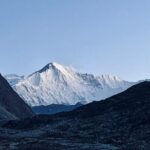
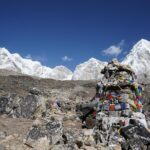
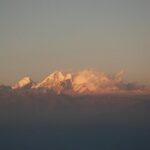
Kala Patthar is included via flyover, with about 30 minutes allocated. Even from above, Kala Patthar is a “names you recognize” point—so this is your chance to connect what you’ve seen in photos with what it looks like in three dimensions.
In clear weather, this kind of segment is where the route really feels like a curated viewing flight. You’re not just staring down from the helicopter—you’re getting guided structure to the geography.
Everest View Point / Syangboche: Everest View Hotel area and a proper dining break
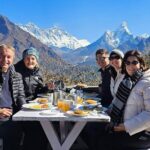
Next is the Everest View area, described as touching down at Syangboche, then making your way toward the Everest View Hotel. This stop lasts about 1 hour and is tied to a dining experience.
You should take this seriously. A high-altitude helicopter day can make you feel oddly “wired,” and having a scheduled break gives your body a moment to settle while you enjoy the views around the hotel area. The tour notes a gourmet mountain picnic as part of the overall Base Camp experience, but this Syangboche stop is the place where your day gets grounded with food and a pause from flying.
Everest Base Camp: The rare touchdown (and why it’s the whole reason)
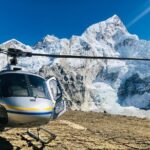
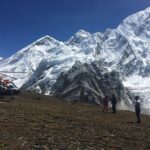
The tour summary is clear: you land at Everest Base Camp. That’s a different experience from a simple pass overhead, because you get the “we actually got there” moment—standing at a place most people only reach by trek.
Even better, the experience includes a gourmet mountain picnic at this high-altitude stop. This is the emotional core of the day: you’ll have time to eat, look around, and process what Everest region scale means when you’re not just watching it from the air.
Safety Setup at Altitude: Oxygen, Oximeter, and First-Aid Ready
This tour includes service fees for an oxygen tank and a first-aid kit, plus an oximeter to check pulse and oxygen saturation. That’s a big deal for a helicopter day because the altitude experience can hit people differently.
You’re not being asked to self-manage with guesses. The presence of an oximeter is the kind of practical touch that helps the day feel controlled, especially in an environment where conditions can shift fast.
Helicopter insurance that covers passengers is also listed in the inclusions. It won’t remove all risk—no flight does—but it does tell you the operator is treating this as a professional, insured operation rather than a casual side-trip.
Flight Value: What’s Included vs. What Costs Extra
At $1,600 per person, this isn’t a budget day. The value only makes sense if you want three things at once: speed (no multi-day trek), access (Base Camp landing), and privacy (small group).
Here’s what’s included:
- Private transportation
- Helicopter insurance (covering passengers too)
- Service fees for oxygen tank and first-aid kit
- Oximeter checks
- Private helicopter ride to Everest Base Camp and flight back to Kathmandu (up to 5 people per ride)
And here’s what costs extra:
- Breakfast: $35 (cost not included)
- Travel insurance (not included)
- Sagarmatha National Park permit: $45 per person (not included)
- Airport tax at Tribhuvan International Airport: $7 per person (not included)
So your true cost depends on whether you also need breakfast, and whether you’re already carrying travel insurance. Also factor in the national park permit. If you’re doing the math, don’t just multiply $1,600—add the permit and the airport tax, and confirm how breakfast fits your schedule.
Weather Reality: Why Your Day Depends on Visibility
This experience requires good weather. If it gets canceled due to poor weather, you’ll be offered a different date or a full refund.
That matters because helicopter operations are sensitive to visibility and conditions. On a bad weather day, the views don’t just get worse—they can disappear. The tour is designed to deliver the best possible sightlines and landing moments, and weather is the gatekeeper for all of it.
Your best strategy is mental flexibility. If you’re on a tight itinerary, leave some buffer days in Kathmandu so you have a reroute option if the flight needs rescheduling.
What I Think Makes This Tour Worth the Money (and for Who)
If you’re thinking about doing Everest region travel but you do not want the physical demands of a trek, this is the most direct way to get the feeling of place. The day is built around “recognizable Everest landmarks” from the air, then the big emotional payoff—a landing at Base Camp.
This fits especially well for:
- Non-trekkers who still want the Everest story with a real touchdown
- Older travelers or anyone who wants a high-altitude experience without weeks of hiking
- Travelers who value privacy and a small group setup
- People who want a very early start and can handle airports efficiently
If you’re someone who wants lots of time on the ground at viewpoints, this might feel short. The schedule is flight-driven, and even the ground moments are brief and tied to aircraft operations and dining breaks.
The Practical Stuff: Timing, Transfers, and What to Plan For
The meeting point listed is Hotel Everest View on the Lukla–Syangboche Marg in Khumjung. In practice, the tour also notes pickup from your Kathmandu hotel, so you should confirm the exact first handoff point the night before departure.
Start time is fixed at 5:30am, and you’ll likely be moving quickly through domestic airport steps. Plan to eat lightly beforehand if you’re not counting on breakfast, and understand that breakfast is listed as $35 if you want it.
Finally, think about the altitude day like a mix of aviation and high-elevation exposure. The included oximeter and oxygen tank service fees are there to help you stay monitored, but you’ll still want to move slowly, listen to any guidance given, and keep your body calm during transitions.
Should You Book This Everest Base Camp Helicopter Tour with Landing?
If your top priority is a Base Camp landing plus an efficient, scenic Everest-region flight, I think this booking makes sense. The inclusion of oxygen-related safety resources and an oximeter check supports the idea that this is run as a serious day, not a sightseeing gamble.
I’d pass (or at least pause) if:
- You can’t handle very early mornings
- You don’t have flexibility for weather-related changes
- You’re uncomfortable with the added costs from permits, airport tax, and breakfast
- Your health situation makes altitude exposure a concern without additional medical review
If you’re comfortable with those realities, this is one of the fastest ways to turn Everest from an image into a location you actually touched.
FAQ
What time does the tour start and how long is it?
It starts at 5:30am and runs about 5 to 6 hours total (with about 5 hours of flight time).
How many people are in the helicopter?
It’s limited to a maximum of 5 travelers, and the private helicopter ride is listed as up to 5 people per ride.
Do you land at Everest Base Camp or just fly over it?
You land at Everest Base Camp, and the experience includes a mountain picnic at the high-altitude landing.
What stops are part of the route?
The itinerary includes Kathmandu, Lukla, a Kala Patthar flyover, an Everest View Point stop at Syangboche with a dining experience, and a Lukla stop again as part of the return flow.
What’s included in the price, and what costs extra?
Included: private transportation, helicopter insurance, oxygen tank and first-aid kit service fees, oximeter checks, and the private helicopter ride to Everest Base Camp with flight back to Kathmandu. Not included: breakfast ($35), travel insurance, Sagarmatha National Park permit ($45 per person), and Tribhuvan International Airport airport tax ($7 per person).
Is breakfast included?
No. Breakfast is listed as $35 extra.
Is there any altitude safety equipment?
Yes. The tour includes service fees for an oxygen tank and first-aid kit, and an oximeter to check pulse and oxygen saturation.
What happens if weather is bad?
This experience requires good weather. If it’s canceled due to poor weather, you’ll be offered a different date or a full refund.