REVIEW · KATHMANDU
Bhaktapur & Patan Durbar Square Day Tours
Book on Viator →Operated by Himalayan Travel Consultant · Bookable on Viator
Old squares, real daily life. That’s the sweet spot here. This day tour strings together Bhaktapur and Patan in one long morning-to-afternoon loop, so you’re not just looking at monuments—you’re moving through the kinds of courtyards and square corners where life still happens. The history is there, but the payoff is the on-the-ground feel: you get context, then you get time to actually notice things.
Two parts I especially like are the local English-speaking guide and the way the route is paced. A good guide makes the stones make sense, and the stops are set up so you can compare how royal power shows on one side of the street and how families live around it on the other. Add in the private air-conditioned vehicle, and you’re less fried by the heat and traffic as the day stretches to a full 6 to 8 hours.
One drawback to plan for: monument entrance tickets aren’t included, so you’ll need extra cash or the right payment method on the day. Also, this is a walk-and-stand kind of itinerary, so if you hate stepping up and down uneven stone, you’ll want to pace yourself.
In This Review
- Key highlights at a glance
- Why Bhaktapur + Patan works so well in one day
- Price and value: $50 plus tickets and a little planning
- Timing and logistics: 9:15 start and a long, focused 6–8 hours
- Bhaktapur’s three squares: a smart route through power and daily life
- Dattatraya Square: start with the details
- Taumadhi Square: when courtyards become the story
- Bhaktapur Durbar Square: the big center of gravity
- The handoff to Patan: where craft and courtyards take over
- Patan Durbar Square: look for the carvings, then look around
- Golden Temple from the 12th century: a quieter finale with meaning
- What the guide does for you (and why it’s a big deal)
- Comfort and pacing: A/C vehicle helps, but wear shoes
- Who this tour suits best
- Should you book Bhaktapur & Patan Durbar Square Day Tours?
- FAQ
- What time does the tour start?
- How long is the Bhaktapur and Patan Durbar Square day tour?
- What’s included in the price?
- Are monument entrance tickets included?
- Does the tour offer pickup, and is it private?
- What is the cancellation policy?
Key highlights at a glance
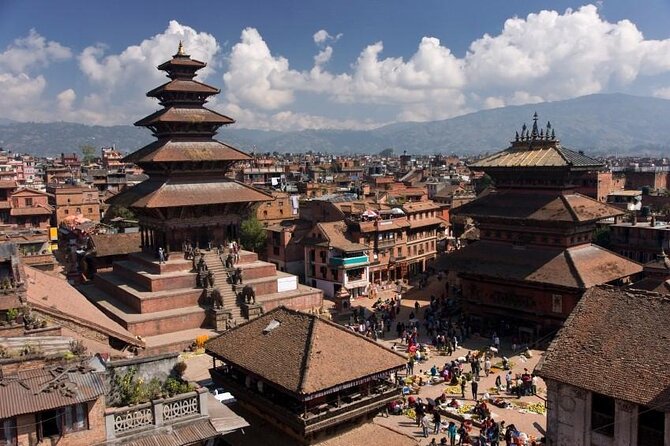
- Three main squares in Bhaktapur: Dattatraya, Taumadhi, and Durbar Square
- Patan Durbar Square for wood carving and old courtyards
- Golden Temple dating to the 12th century for a meaningful finale
- Private group, local English guide for more direct answers
- Pickup and A/C vehicle to keep the day comfortable
- Tickets and food not included, so budget a bit beyond the $50
Why Bhaktapur + Patan works so well in one day
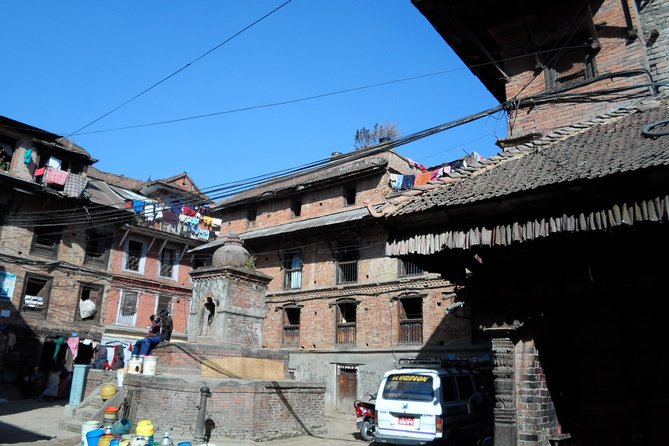
If you’re short on time in the Kathmandu Valley, this tour gives you a strong 1-day framework. You start in Bhaktapur and finish in Patan, with a route built around major squares and courtyards instead of a random grab bag of viewpoints. That matters because squares are where the story lives: you can see how architecture, craft, and everyday movement meet.
What I find useful is the balance of “look” and “explain.” Squares can feel like photo backgrounds—until someone points out what you’re actually seeing: design choices, layouts, and why certain corners feel important. With a guide, you can shift from just snapping pictures to understanding what the place was built to do.
And yes, the day includes a lot of stone and open space. It’s not a sit-and-sip cruise. Still, the route is designed so you’re switching neighborhoods and atmospheres rather than repeating the same scene for hours.
You can also read our reviews of more tours and experiences in Kathmandu.


Price and value: $50 plus tickets and a little planning
At $50 per person, the value is mostly in what’s included: a private air-conditioned vehicle and a local English-speaking tour guide. For a day that covers multiple historic squares across two cities, that’s a practical deal—especially if you don’t want to figure out transport between stops on your own.
Here’s the honest budgeting reality: monument entrance tickets are not included, and food/drinks are also not included. So treat the $50 as the guided transport-and-interpretation cost, not a total all-in price. When you add tickets and your day snacks, you’ll be closer to a more complete spending number.
The bright side: the tour uses a mobile ticket, so you’re not juggling paper receipts or hunting for a ticket office with your phone already buzzing. Also, the tour offers group discounts, which can help if you’re traveling with friends or a small group.
One more planning point: this is often booked ahead (on average about 75 days), which usually means it’s popular and can fill during busy seasons. If you want a specific day, don’t wait.
Timing and logistics: 9:15 start and a long, focused 6–8 hours
The tour kicks off at 9:15 am and runs about 6 to 8 hours. That’s a good length for two city highlights without turning into an all-day endurance test—though you should still expect a decent amount of walking through and around squares.
You’ll meet at a location near public transportation, which is helpful if you’re in the city on your own and just want an easy handoff to the guide and car. Pickup is offered, and since it’s a private tour/activity (only your group participates), the pace tends to match your group rather than a strict herd schedule.
Also, confirmation happens at the time of booking, so you’re not stuck guessing details after you pay.
Bhaktapur’s three squares: a smart route through power and daily life
In Bhaktapur, the tour focuses on three main squares: Dattatraya Square, Taumadhi Square, and Durbar Square. The order matters because it helps you build a mental map. Instead of arriving at the biggest square first and being overwhelmed, you gradually tighten your focus: from broader activity and landmarks, to more formal royal-space architecture.
A useful thing here is the emphasis on “how kings were lived,” but translated into real viewing. You’re not just looking at a palace facade. You’re learning how these areas worked as civic and ceremonial space—and how that overlaps with local life happening right now.
Dattatraya Square: start with the details
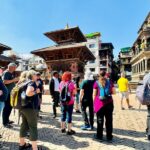
Dattatraya Square is one of those places where you can read the city in layers. You’ll get an intro to the square’s role in the overall Bhaktapur layout and catch early clues about why this city’s design feels so intentional. Expect plenty of photo moments, but also expect to slow down for explanations.
What I like about starting here is that you can get your bearings quickly. You’ll have context before you hit the larger Durbar Square, which makes the later stop feel less like a random highlight list and more like a storyline.



Taumadhi Square: when courtyards become the story
After Dattatraya, the tour moves to Taumadhi Square, a stop known for its courtyards and the way built space shapes movement. This is where you start noticing transitions: how a doorway or passage can change the vibe from open public square to semi-private courtyard.
The tour framing here helps. Courtyards can look similar in photos, but with a guide, you start seeing differences in layout and purpose. If you’re the type who likes architecture but also wants meaning, Taumadhi Square is a great “aha” stop.
One consideration: because courtyards often mean narrow entries and uneven stone, it’s not the best place to rush. If you take your time, you’ll get much more out of it.
Bhaktapur Durbar Square: the big center of gravity
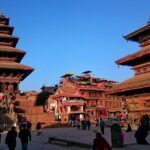
Then you reach Bhaktapur Durbar Square, the core showpiece. This is the place where royal-era architecture feels most concentrated. You’ll see how authority gets built into public space—through design, scale, and the way the square organizes people.
This stop is also where your guide’s job becomes hardest and most valuable. A well-run explanation turns “pretty stone” into “this is why it matters.” From the experience of guide Rajendra Manandhar, you can expect that kind of context: he’s known for being patient and answering questions, not just reciting facts.
If you like learning but also hate being talked at, this is often a sweet spot. The chance to ask random questions is part of what makes this tour work.
The handoff to Patan: where craft and courtyards take over
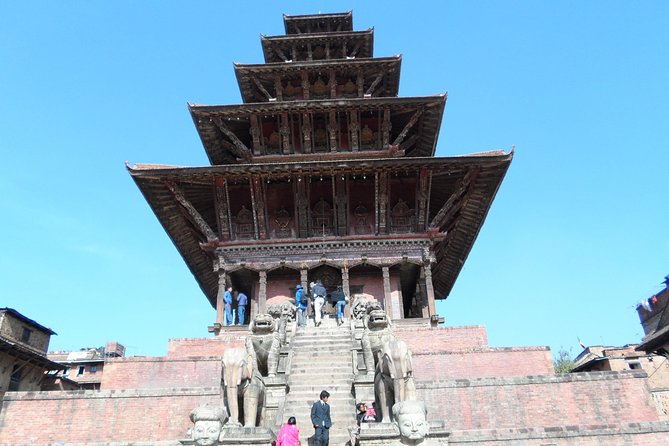
After finishing Bhaktapur, the tour heads to Patan Durbar Square, famous for wood carving and old courtyards. This switch is one of the best parts of the day. Bhaktapur tends to feel more about the overall city layout and the civic/royal square feeling. Patan leans more into craft details and enclosed-feeling courtyards.
If you’re a detail person, Patan is where you’ll likely start zooming in—carving patterns, door and window work, and the way courtyards create a slower rhythm. Even if you’ve seen other historic sites before, the craftsmanship focus makes Patan feel distinct.
Patan Durbar Square: look for the carvings, then look around
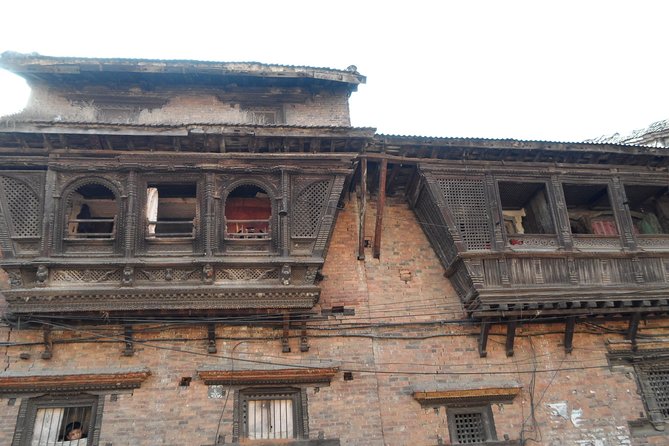
In Patan Durbar Square, don’t treat it like one big monument. Treat it like a cluster of surfaces and spaces. The carvings are the headline, but the courtyards are the second headline—because they change how light falls and how people move.
That’s where a guide helps again. Without context, you might miss why a courtyard’s position or shape is important. With guidance, you’re more likely to notice patterns and interpret what you see.
Golden Temple from the 12th century: a quieter finale with meaning
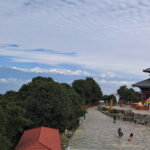
The tour continues to the Golden Temple, described as dating to the 12th century. This final stop gives the day a different texture. It’s not just another square—it’s a place you can slow down in.
This ending matters because by the time you reach it, your eyes have adjusted. Earlier squares can feel intense with angles and crowds and details. By contrast, this stop is a better moment for reflection and for taking in atmosphere rather than chasing photo angles.
Practical note: if your legs are already tired by the time you reach Golden Temple, don’t feel guilty about taking short breaks. This is the kind of location where pausing is part of the experience.
What the guide does for you (and why it’s a big deal)
The standout ingredient in the reviews is the guide experience, especially Rajendra Manandhar. The theme is consistent: kind, patient, and very able to connect history to what you’re actually seeing. The best part is that he answers questions, including the ones that pop into your head mid-walk.
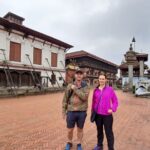
Another thoughtful touch: he’s described as taking pictures of the group. That’s a small thing, but it saves you from constant phone juggling or awkward photo timing.
Here’s how to get the most from the guide, even if your guide isn’t named Rajendra:
- Bring one or two curiosity questions about squares, courtyards, or daily life.
- Ask for practical pointing: where to look first, and what detail is worth your time.
- Let the guide set the pace for you once you’re in each square—then you can explore on your own for a few minutes.
If you do this, you’ll leave feeling like you understood the places, not just visited them.
Comfort and pacing: A/C vehicle helps, but wear shoes
The included private air-conditioned vehicle is a real quality-of-life upgrade. It reduces the stress of transit between Bhaktapur and Patan and gives you a chance to reset between stops.
Still, once you’re out, you’re on historic stone—uneven surfaces, lots of steps, and standing time in open squares. I’d plan for comfortable walking shoes and a water plan, even though food and drinks aren’t included. You’ll be happier if you’re not thinking about hunger or thirst while you’re trying to follow stories in crowded areas.
Also, because this tour is private to your group, you’ll likely have more flexibility in small pacing decisions. If someone needs a bathroom stop or a brief rest, it’s easier than in a big group format.
Who this tour suits best
This is a good fit if you:
- Want a structured day through Bhaktapur + Patan without the hassle of figuring out connections.
- Like learning from a guide who’s calm and responsive.
- Prefer major squares and courtyards over scattered single sights.
- Plan to be out for 6 to 8 hours and can handle some walking.
It may be less ideal if you:
- Are trying to do a very low-walking day.
- Expect an all-in ticket price (because entrance tickets aren’t included).
- Want a flexible itinerary that changes hourly based on whims.
Should you book Bhaktapur & Patan Durbar Square Day Tours?
If you want real value for a guided architecture-and-courtyard day, I’d say yes, with two conditions in mind.
First: budget for monument entrance tickets and bring your own snacks or plan to buy water and light food during breaks. Second: wear shoes that can handle stone and stairs, because this is built around squares, not indoor stops.
One more “yes” reason: the guide experience is a strong part of why this tour earns top ratings. With a patient guide who answers questions and helps with photos, you’re more likely to come away feeling you understood the city—not just collected a few snapshots.
FAQ
What time does the tour start?
The tour starts at 9:15 am.
How long is the Bhaktapur and Patan Durbar Square day tour?
It runs about 6 to 8 hours.
What’s included in the price?
The price includes a private air-conditioned vehicle and a local English-speaking tour guide.
Are monument entrance tickets included?
No. Monument entrance tickets are not included in the tour price.
Does the tour offer pickup, and is it private?
Pickup is offered, and it’s a private tour/activity, meaning only your group participates.
What is the cancellation policy?
You can cancel for a full refund up to 24 hours before the experience’s start time. Changes within 24 hours of the start time aren’t accepted.