REVIEW · POKHARA
Morning Half Day Tibetan cultural tour to Tibetan Settlements
Book on Viator →Bookable on Viator
You wake up before the city does. This half-day Tibetan cultural tour in Pokhara brings you into real morning life—guided by Mr. Thupten Gyatso and shaped by the Tibetan refugee community. I especially like the hotel pickup that keeps things hassle-free, and the chance to start with breakfast and tea before visiting the monastery. A small drawback: the very early 5:30am departure may feel steep if you’re not a morning person.
What makes this tour more than sightseeing is the human thread running through every stop: you’re meeting monks and residents who are refugees from Tibet, not just viewing religious buildings from the outside. You also get a clear sequence—monastery prayer first, a Tibetan family breakfast second, then another monastery to see monastic education up close. If you prefer long, unhurried tours (or you’re hoping for lunch included), this one is brief and morning-only.
In This Review
- Key highlights worth your attention
- A 5:30am start that makes the morning feel real
- Mr. Thupten Gyatso and the refugee-community perspective
- Jangchub Choeling Tibetan Monastery: morning prayer and Buddhist symbols
- Tashi Palkhel settlement breakfast: a Tibetan family meal, not a show
- Pema Ts’al Sakya Monastic Institute: meeting a young monk and learning education
- Price and logistics: is $60 worth it?
- What to do (and what not to do) on a religious-community morning
- Who this tour suits best
- Should you book this morning Tibetan cultural tour?
- FAQ
- How long is the Tibetan cultural morning tour in Pokhara?
- What’s included in the tour price?
- Is lunch included?
- What places do you visit on the tour?
- Who is the guide?
- Is admission covered for the stops?
- Do they offer hotel pickup and transport?
- Is bottled water provided?
- Is there a mobile ticket?
- Is there a group discount?
Key highlights worth your attention
- Mr. Thupten Gyatso guide from the Tibetan refugee community
- Jangchub Choeling Tibetan Monastery for morning group prayer and Buddhist symbols
- Tashi Palkhel settlement breakfast inside a local Tibetan family home
- Pema Ts’al Sakya Monastic Institute with a young monk sharing monastic life and education
- Round-trip hotel pickup and drop-off to reduce stress in Pokhara
- Breakfast plus coffee and/or tea to make the early start easier
A 5:30am start that makes the morning feel real
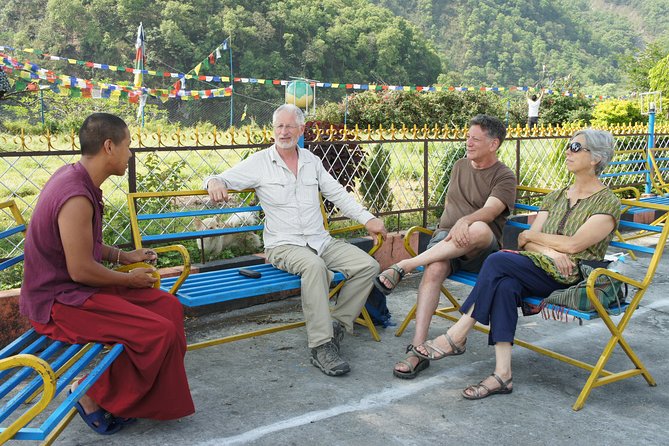
This tour runs early: it departs at 05:30 a.m. and returns around 09:00 a.m. That short window is exactly why it works. You’re not spending hours commuting or waiting around—you’re getting a focused cultural morning while the monastery atmosphere is still fresh.
You’ll also get round-trip transport from your Pokhara hotel. That’s a big deal here, because early departures can turn into a scramble if you’re organizing rides yourself. This format keeps your day simple: show up on time, get transported, and spend your energy on the visits.
The tour length is listed as 3 to 4 hours, and with the fixed start and return time, you should treat it as a true morning program—not a flexible “wander whenever you feel like it” outing. Plan your afternoon on purpose. Your body clock will thank you later.
You can also read our reviews of more historical tours in Pokhara

Mr. Thupten Gyatso and the refugee-community perspective
One of the strongest parts of this experience is the guide. You’ll go with Mr. Thupten Gyatso, and the tour is designed to provide insights through someone who comes from the Tibetan refugee community. That matters because it changes the tone from viewing to understanding.
Instead of only hearing about Buddhism as history, you’re hearing about it as lived practice—carried forward by people rebuilding daily life in Nepal. The tour specifically frames the community you’ll meet as refugees from Tibet, including monks and residents. You can expect the conversation to circle around what sustaining religious practice looks like in displacement.
A practical note: with cultural and refugee-related topics, you’ll likely get deeper answers if you ask respectful, simple questions. Keep them grounded—how daily routines work, what symbols mean, how monastery life supports education. You’ll get more out of the visit, and you’ll avoid turning it into a rapid-fire interview.
Jangchub Choeling Tibetan Monastery: morning prayer and Buddhist symbols
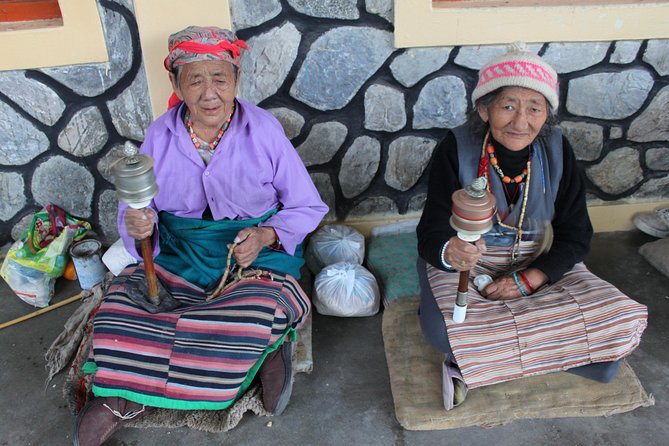
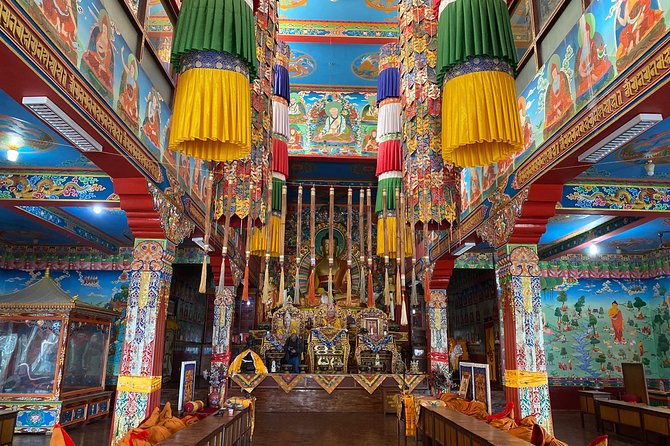
Your first stop is Jangchub Choeling Tibetan Monastery. You’ll arrive for a morning group prayer, and the tour highlights time among monks and residents, with a focus on Tibetan Buddhism’s symbols and images.
Even if you’ve never studied Tibetan Buddhist art before, this is approachable. The idea is not that you memorize a textbook—it’s that you start noticing. Expect guidance on what you’re looking at and why it’s meaningful. That’s how symbolism becomes readable instead of intimidating.
What I like about starting here is the pacing. The prayer setting sets the mood before you move on to daily life and food. You’ll also get a clearer sense of how the monastery connects to the wider community you’ll visit later.
The one possible drawback: because this is a morning prayer context, it can feel quiet and structured. If you want lots of casual chatting and sightseeing photos back-to-back, you might find the moment more reflective than tour-bus energetic. That’s not a problem—just choose based on what kind of experience you want at 7am.
Tashi Palkhel settlement breakfast: a Tibetan family meal, not a show
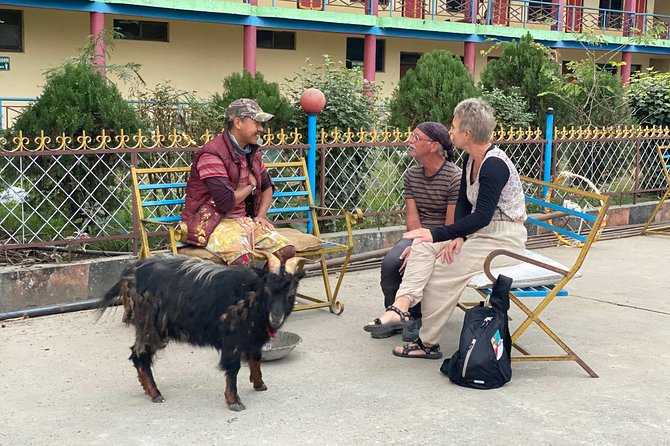
Stop two is Tashi Palkhel Tibetan Settlement, where you visit a local Tibetan family’s home for a traditional breakfast. This isn’t framed as a restaurant stop. The tour emphasizes spending time in someone’s home and learning directly about food through your guide.
Breakfast is included, along with coffee and/or tea and bottled water. That combination is more than convenience—it’s how the early start becomes survivable. It also helps the visit feel human instead of transactional, since you’re eating as part of the experience rather than before rushing to the next place.
The tour also signals that Mr. Thupten will introduce you to the delicious world of Tibetan food, with history and cultural context. That’s where value shows up for you as a visitor: you don’t just taste. You learn how food connects to identity and daily life in a refugee setting.
A consideration to keep in mind: home visits often come with more etiquette than public attractions. Follow your guide’s cues, keep your questions respectful, and be mindful with photos. If you feel unsure, ask quietly—your guide can help you do the right thing.
Pema Ts’al Sakya Monastic Institute: meeting a young monk and learning education
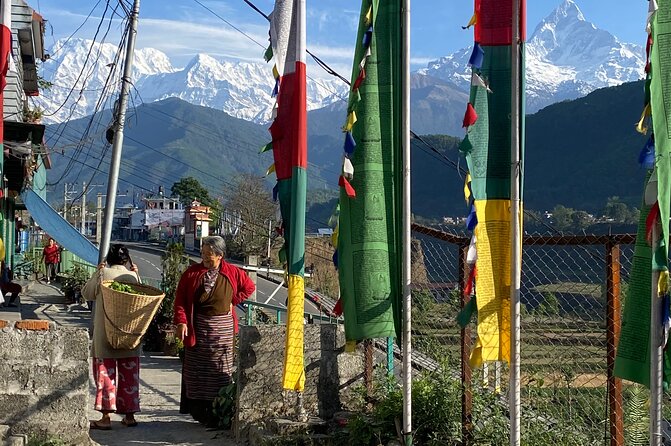
Your final stop is Pema Ts’al Sakya Monastic Institute, another monastery visit. This stop is specifically described as a chance to discover monastic life and education by meeting a young monk eager to share insights.
This is a great contrast to the home breakfast. You’ve already seen morning prayer and a family setting. Now you shift to how education works within monastic life, including what younger monks are taught and how they learn.
What I find especially useful here is that the tour doesn’t treat monasteries as silent backdrops. It highlights interaction and teaching—someone is actively explaining life and learning. For you, that means you can ask the questions you actually care about: how study fits into a monk’s day, why education matters, and how faith and learning connect.
Time-wise, each of the stops is listed around 1 hour (as presented), so you’ll get a taste of each place rather than an hours-long immersion. If you want longer time at a single monastery, you might not feel satisfied. If you want a balanced morning with three distinct settings, the structure works.
You can also read our reviews of more tours and experiences in Pokhara
Price and logistics: is $60 worth it?
At $60 per person for a morning tour, this is a fairly priced option in Pokhara for people who want real cultural contact, not just a vehicle-and-photo circuit. The key value isn’t only the guide—it’s what you get bundled in.
You’re paying for:
- Hotel pickup and drop-off
- A professional guide and driver/guide support
- Breakfast plus coffee and/or tea
- Bottled water
- Visits to three places, with admission tickets free as indicated for the stops
If you tried to assemble this alone, the cost of transport plus a guide plus time-based planning could add up fast—especially with the early 05:30 a.m. departure.
Group discounts are offered, and the tour is commonly booked about 5 days in advance on average. Translation: if you’re flexible and book early enough, you may get better value with group pricing. The mobile ticket also reduces friction; you’re not juggling paper confirmations in the morning rush.
The main “watch out” here is that lunch is not included. You’ll be done by about 09:00 a.m., so you’ll need to plan your next meal. If you’re the type who hates skipping a full day’s food plan, this could be a dealbreaker. If you’re fine with an earlier start and then eating later back in Pokhara, it’s no big deal.
What to do (and what not to do) on a religious-community morning
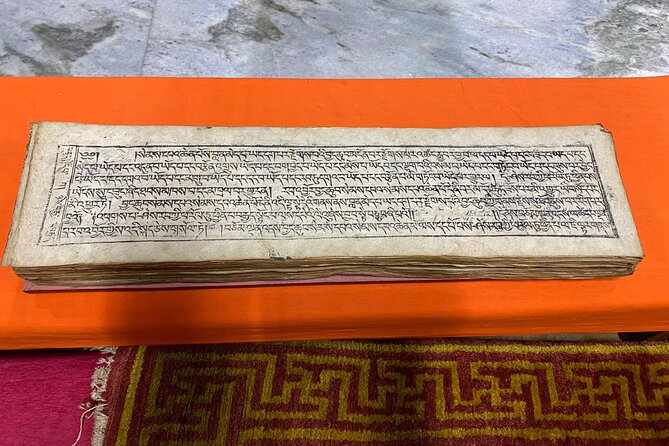
This tour is about Buddhist culture, monastery life, and Tibetan refugee community experiences. That means your behavior affects the tone as much as your questions.
A few practical tips:
- Dress modestly for monastery visits. You’ll likely feel the difference immediately.
- Keep your phone use calm. If prayer is happening, treat it as sacred time.
- Ask respectful questions, not trivia questions. Focus on meaning: symbols, education, daily routines.
- Be on time. The whole schedule depends on the early start and steady movement between stops.
You’ll also want to pace your expectations. This is a half-day with three structured stops, so you should think of it as a guided introduction. If you want a deep, multi-day Tibetan Buddhist study program, you’ll need a different kind of itinerary. For a morning in Pokhara, though, this format gives you a solid base of understanding.
Also, your inclusions are designed to keep you comfortable: water, tea/coffee, breakfast. Still, bring a layer if you run cold in the early morning—altitude and morning air can surprise you, even on a short ride.
Who this tour suits best
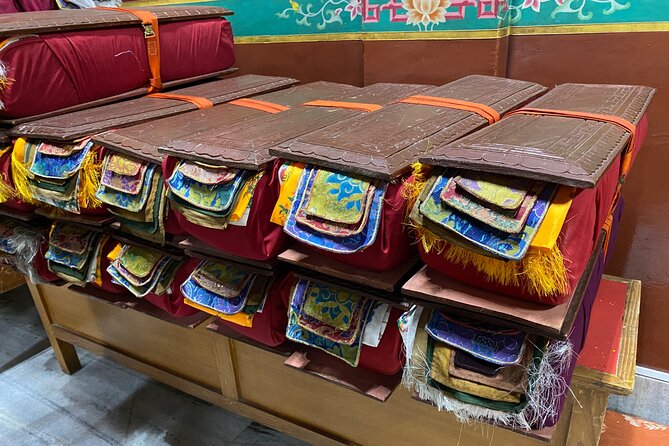
This one is a strong fit if you:
- Want Tibetan Buddhism explained in context, not as vague sightseeing
- Prefer meeting people and learning from a guide like Mr. Thupten Gyatso with direct refugee-community roots
- Like early mornings that feel purposeful rather than rushed
- Appreciate short tours with clear structure: prayer, home breakfast, then monastery education
It may not be the best match if you:
- Hate waking up before sunrise
- Want a long day with unstructured time and a relaxed pace
- Need lunch included as part of the basic package
Should you book this morning Tibetan cultural tour?
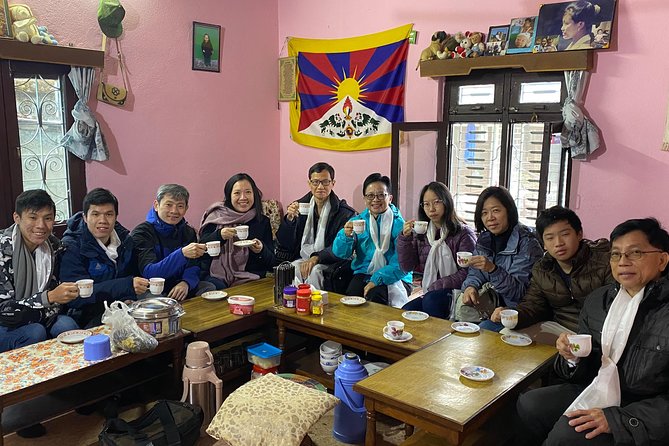
I’d book it if you want an honest, respectful look at Tibetan culture in Nepal with transport taken care of and the morning food covered. The best reason to choose it is the combination of a community-rooted guide plus three different types of visits: monastery prayer, a family breakfast in Tashi Palkhel, and education-focused monastery life at Pema Ts’al Sakya Monastic Institute.
I’d skip it if you’re only looking for photos or you’re not prepared for a 05:30 a.m. start. Also, since lunch isn’t included, plan your next meal so the morning doesn’t turn into a scramble afterward.
If you match the vibe—curious, respectful, and up for a structured morning—this tour offers strong value for your time in Pokhara.
FAQ
How long is the Tibetan cultural morning tour in Pokhara?
The tour lasts about 3 to 4 hours and runs from 05:30 a.m. to around 09:00 a.m.
What’s included in the tour price?
It includes hotel pickup and drop-off, a professional guide, bottled water, breakfast, and coffee and/or tea.
Is lunch included?
No. Lunch is not included.
What places do you visit on the tour?
You visit Jangchub Choeling Tibetan Monastery, Tashi Palkhel Tibetan Settlement, and Pema Ts’al Sakya Monastic Institute.
Who is the guide?
The tour is guided by Mr. Thupten Gyatso.
Is admission covered for the stops?
Admission tickets are listed as free for the stops included in the tour.
Do they offer hotel pickup and transport?
Yes. Hotel pickup and drop-off are included, with hassle-free round-trip transport from your Pokhara hotel.
Is bottled water provided?
Yes. Bottled water is included.
Is there a mobile ticket?
Yes. The tour features a mobile ticket.
Is there a group discount?
Yes. Group discounts are offered.