REVIEW · POKHARA
Afternoon Tibetan Cultural Tour to Tibetan Settlements Pokhara
Book on Viator →Operated by The Tibetan Encounter Day Tours P. Ltd · Bookable on Viator
Monastery sounds and butter tea in Pokhara. This half-day small-group walking tour in Pokhara brings you into Tibetan settlements through a Tibetan guide and hands-on stops that explain culture, religion, and refugee life. You’ll also get hotel transfers and an afternoon-food break, so the day stays easy on your schedule.
What I liked most is the human side of it: Mr. Thupten Gyatso guides you with stories that make Tibet feel personal, not distant, and his English is described as very good. I also love the way the tour includes a Tibetan family meal, where food becomes part of the lesson rather than an afterthought.
The main drawback is simple: it’s still a walking tour with monastery visits. If you have mobility limits or hate uneven paths, plan for a slower pace and bring solid shoes—and remember lunch isn’t included, so eat before or plan dinner after.
In This Review
- Key things to know before you go
- Why this 2–6 pm Tibetan cultural walk in Pokhara is worth your afternoon
- Pema Ts’al Sakya Monastic Institute: where learning and faith meet the real world
- Jangchub Choeling Tibetan Monastery: prayer chanting with horns, drums, and conch shell
- Tashi Palkhel Tibetan Settlement: a family home meal and the butter tea story
- Price and logistics: what $60 really buys you in Pokhara
- Tips before you go: make the most of Mr. Thupten Gyatso’s stories
- Should you book this tour? (Make the call in one minute)
- FAQ
- FAQ
- What time does the afternoon tour run in Pokhara?
- How long is the Tibetan cultural tour?
- Where does the tour take place?
- Is hotel pickup and drop-off included?
- How big is the group?
- Are monastery admissions included?
- What food and drinks are included?
- Is lunch included?
- Do you offer vegetarian or gluten-free options?
- Who guides the tour?
- Is free cancellation available?
Key things to know before you go
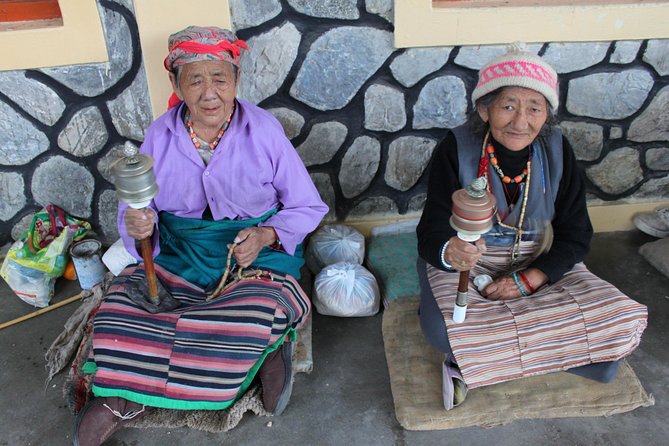
- Stories from Mr. Thupten Gyatso: you’ll hear first-hand context about Tibetan culture and life as a refugee community in Nepal
- Prayer chanting with big sound: expect horns, drums, and a conch shell at Jangchub Choeling Tibetan Monastery
- A home visit with real food: you’ll visit a Tibetan family and try traditional items like butter tea and Tibetan bread
- Small group size (max 15): this keeps the tour feeling personal, with room to ask questions
- Diet-friendly options: vegetarian is available, and gluten-free options can include plain rice with veg or non-veg curries
Why this 2–6 pm Tibetan cultural walk in Pokhara is worth your afternoon
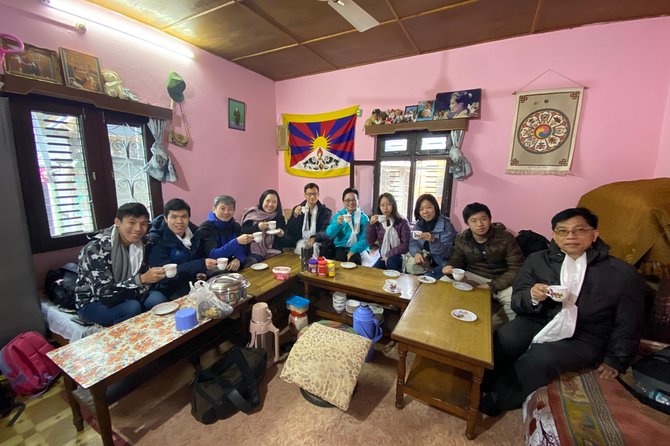
This tour runs from about 2:00 pm to 6:00 pm, which is a sweet spot in Pokhara. You avoid the hottest part of the day, and you still get a full cultural arc—monasteries first, then a village home experience.
I also like the pacing. It’s not billed as a marathon hike, and the tour is built around short, focused visits (about an hour at each major stop). That means you can enjoy what you’re seeing without spending the whole time checking your watch.
The other practical win is the included hotel pickup and drop-off. In Pokhara, that convenience matters because getting in and out of settlement areas can eat time if you’re doing it solo.
If you want a tour where food and religion connect to real daily life, this is a strong match.
You can also read our reviews of more historical tours in Pokhara


Pema Ts’al Sakya Monastic Institute: where learning and faith meet the real world
Your first stop is Pema Ts’al Sakya Monastic Institute, and you’ll spend about an hour here. Admission is free, and that matters: you can focus on people and place rather than budgeting for entry fees.
What makes this stop meaningful is the setting. Monastic institutes aren’t just quiet buildings; they’re part of the rhythm of Tibetan Buddhist community life. With a Tibetan guide like Mr. Thupten Gyatso, you’re more likely to understand what you’re seeing—why monks practice, what daily routines look like, and how religion travels with a people who have had to rebuild their lives.
A small consideration: monasteries ask for respect and restraint. Keep your voice low, watch your footing, and treat this like a living space, not a sightseeing backdrop.
This first stop also sets the tone for the rest of the tour. After you see the institute side of faith and study, the chanting at the next monastery hits harder.
Jangchub Choeling Tibetan Monastery: prayer chanting with horns, drums, and conch shell

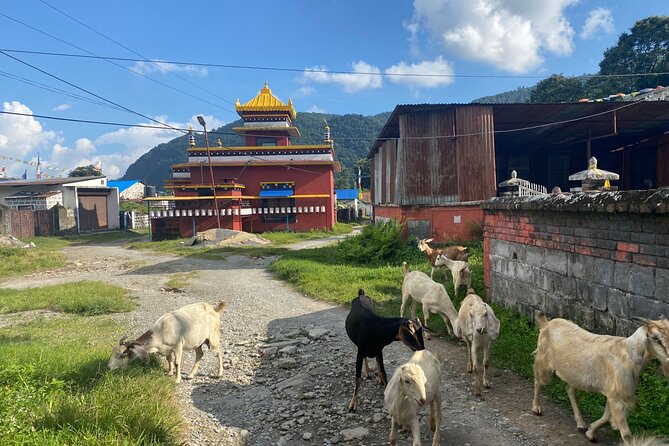
Stop two is Jangchub Choeling Tibetan Monastery, located inside the Tibetan village area you’re exploring. Again, the time is about an hour, and admission is free.
The standout here is the sound. The tour description specifically mentions afternoon prayer chanting with the monks, along with horns, drums, and a conch shell. Even if you don’t know the words, the rhythm and ceremony communicate a lot about how practice works in community.
This is also the kind of stop where your guide makes the difference. When Mr. Thupten Gyatso explains context—why chanting matters, what the instruments represent, and how these practices are preserved—it turns the experience from watching to understanding.
One thing to be ready for: chanting can be intense and a little loud. Bring a little patience and let the sound wash over you. If you hate noise, you might still enjoy it, but the sensory part will be unavoidable.
Tashi Palkhel Tibetan Settlement: a family home meal and the butter tea story
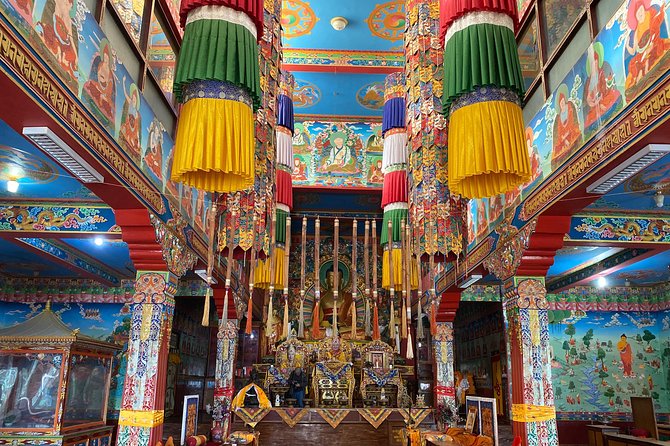
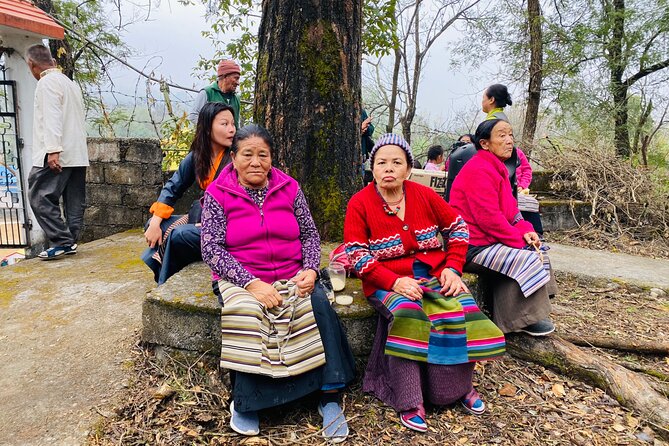
Your final stop is Tashi Palkhel Tibetan Settlement, where you visit a Tibetan family’s home. This is the most personal part of the tour, and it’s also where you get that memorable connection between culture and everyday choices.
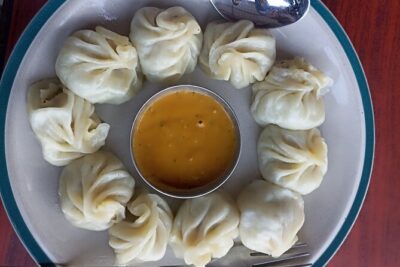
You’ll experience traditional Tibetan food here. Based on what people describe from past tours, butter tea and Tibetan bread are often part of the meal setup. That’s not just tasty—it’s a practical way to learn what people actually eat, not what brochures pretend they eat.
Mr. Thupten Gyatso also shares the history around Tibetan food during this segment. That’s valuable because it links ingredients and cooking styles to place, memory, and survival—not just flavor. Food becomes a story vehicle.
Diet notes are handled carefully in advance, which is a big plus. Vegetarian options are available if you mention it when booking. You can also request gluten-free food, including plain rice with veg or non-veg curries, depending on what works for you.
A gentle heads-up: this is a home visit, so keep expectations realistic. You’re not walking through a restaurant. You’re entering someone’s lived space, so follow your guide’s cues on how to behave, where to stand, and when to ask questions.
Price and logistics: what $60 really buys you in Pokhara
At $60 per person, this tour isn’t just a basic sightseeing loop. You’re paying for multiple things that add up: pickup and drop-off, a driver/guide setup, a professional guide, afternoon tea plus snacks and bottled water, and access to the monasteries without buying separate admissions.
You also get the “small group” advantage: the tour caps at 15 travelers. With a group that size, you can ask follow-up questions instead of letting them drift off into the guide’s background noise.
There’s also a practical perk that matters in real travel time: the tour is described as guaranteed to skip the long lines. Even on a half-day schedule, saving time from delays is worth money, because you’ll spend more of that time exactly where you want to be.
Add in the fact that the tour uses a mobile ticket, and it’s straightforward on the ground. In other words: fewer hassles, more time for the places themselves.
Group discounts are listed too. If you’re traveling with friends, it’s worth checking whether bundling makes sense for your dates.



Tips before you go: make the most of Mr. Thupten Gyatso’s stories
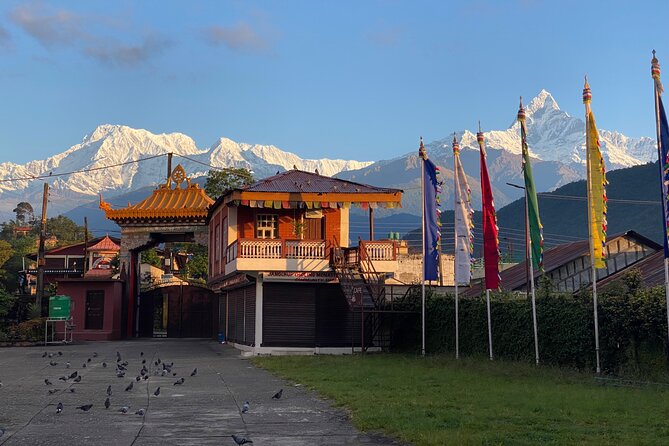
Bring the basics and you’ll enjoy this more. Wear comfortable shoes because you’ll be moving between stops on foot, including monastery areas where surfaces may not be perfectly even.
Since lunch isn’t included, I’d plan an earlier meal or be ready to eat soon after the tour ends around 6:00 pm. The tour does include afternoon tea and snacks, plus coffee and/or tea, so you won’t be totally empty—but it’s still not a full-day food plan.
If you have diet needs, communicate them early. Vegetarian is available, and gluten-free options can be arranged with plain rice and veg or non-veg curries. The more clearly you tell the operator what you can and can’t eat, the smoother the family meal section will be.
For questions, you’ll get the most out of asking things that connect visuals to meaning. For example:
- What’s the daily routine like in a monastery setting?
- How do Tibetan religious practices stay alive after displacement?
- How did foods like butter tea and bread become part of daily identity?
That kind of curiosity matches the tone of the tour. People leave loving it because they’re not just collecting photos—they’re collecting context.
And a final practical note: the chanting stop includes horns, drums, and a conch shell. If you’re sensitive to loud sounds, take that as your cue to stay calm and let the moment pass.
Should you book this tour? (Make the call in one minute)
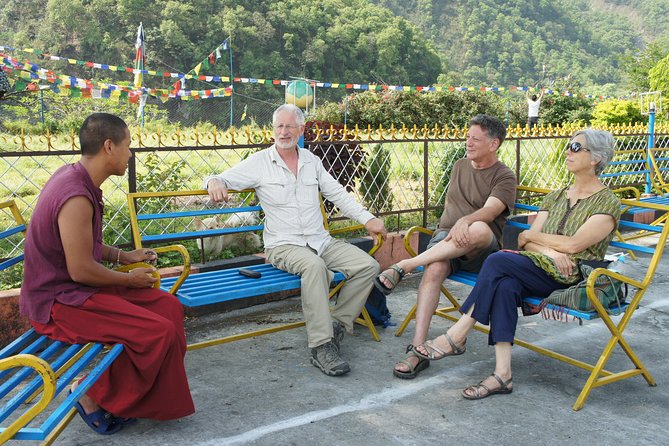
Book it if you want a half-day cultural experience that connects Tibetan Buddhism, refugee life in Nepal, and home-style food. This tour works well when you’re in Pokhara for a short time and you want something more meaningful than a standard photo walk.
You should also book it if you like tours with a real human guide. Mr. Thupten Gyatso is central to the experience, and the strongest praise centers on his storytelling and communication.
Skip it only if you’re looking for a long, nature-focused outing or you need a fully seated experience. It’s a walk with multiple stops, and lunch isn’t included, so you’ll want to plan your day around that.
If your schedule is flexible, keep in mind the tour offers free cancellation if you cancel at least 24 hours before the start time, which makes it less stressful if plans shift.
FAQ
FAQ
What time does the afternoon tour run in Pokhara?
The tour starts at 2:00 pm and returns at around 6:00 pm.
How long is the Tibetan cultural tour?
It’s about 4 hours in total.
Where does the tour take place?
It takes place in Pokhara, Nepal, focusing on Tibetan settlements.
Is hotel pickup and drop-off included?
Yes. Hotel pickup and drop-off are included.
How big is the group?
The tour has a maximum of 15 travelers.
Are monastery admissions included?
Admission tickets are listed as free for the stops.
What food and drinks are included?
You’ll receive afternoon tea, snacks, coffee and/or tea, and bottled water. The tour also includes traditional Tibetan food with a Tibetan family.
Is lunch included?
No, lunch is not included.
Do you offer vegetarian or gluten-free options?
Yes. A vegetarian option is available if you advise at booking. Gluten-free options are also available, including plain rice with veg or non-veg curries.
Who guides the tour?
The tour is guided by a Tibetan guide, listed as Mr. Thupten Gyatso.
Is free cancellation available?
Yes. You can cancel for a full refund up to 24 hours in advance of the experience start time.