REVIEW · POKHARA
Morning Tibetan cultural tour to Tibetan settlements Pokhara
Book on Viator →Operated by The Tibetan Encounter Day Tours P. Ltd · Bookable on Viator
Morning starts early, and it pays off. This Pokhara experience brings you into Tibetan settlement life, with a meal of momos and thukpa and a tight group feel led by Mr. Thupten Gyatso. You’re not just sightseeing buildings; you’re hearing how Tibetan culture, religion, and everyday life look in contemporary Nepal.
I especially like the small-group attention and the fact that the tour is built for conversations, not lectures. You’ll get to ask questions at a monastic institute and learn what the monastery symbols mean in daily practice. One thing to think about: the departure is very early (around 5:30 a.m.) and the full outing runs about 8–9 hours, so it’s best if you don’t mind an early start.
In This Review
- Key Things to Know Before You Go
- Why a 5:30 a.m. Start Makes Sense in Pokhara
- Price and Value: What $85 Gets You (And What It Doesn’t)
- The Real Star Is the Guide: Mr. Thupten Gyatso
- Jangchub Choeling Tibetan Buddhist Monastery: Where the Morning Story Begins
- Tashi Palkhel Tibetan Settlement: Taste Tibetan Food and Daily Life
- Lunch in Pokhara: Momos and Thukpa Stop You From Glazing Over
- Pema Ts’al Sakya Monastic Institute: Ask Questions and Meet Monastic Life
- Shree Gaden Dhargay Ling Monastery: Symbols You’ll Actually Recognize
- Tashi Ling Tibetan Village: The Long Walk Through Everyday Life
- Transfers, Small Groups, and Comfort Tips That Matter
- Who This Tour Fits Best (And Who Might Prefer Something Else)
- Should You Book This Morning Tibetan Cultural Tour?
- FAQ
- FAQ
- What time does the tour start?
- How long is the morning Tibetan cultural tour?
- Does the tour include hotel pickup or transfers?
- What will I eat during the tour?
- Are there vegetarian or gluten-free options?
- Can I cancel for a full refund?
Key Things to Know Before You Go
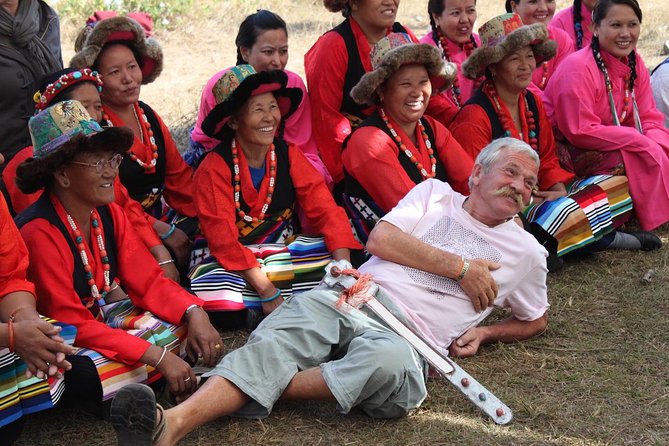
- Mr. Thupten Gyatso leads the morning, with explanations that connect culture, religion, and refugee life
- Multiple monastery stops with free entry and hands-on symbol spotting (prayer wheels, flags, stupas)
- A local Tibetan family visit where you’ll taste Tibetan food as part of the day’s rhythm
- Lunch is built in, including momos and thukpa, so you’re not hunting for food at noon
- Maximum group size is 15, which keeps the guide’s answers personal and your questions welcome
Why a 5:30 a.m. Start Makes Sense in Pokhara
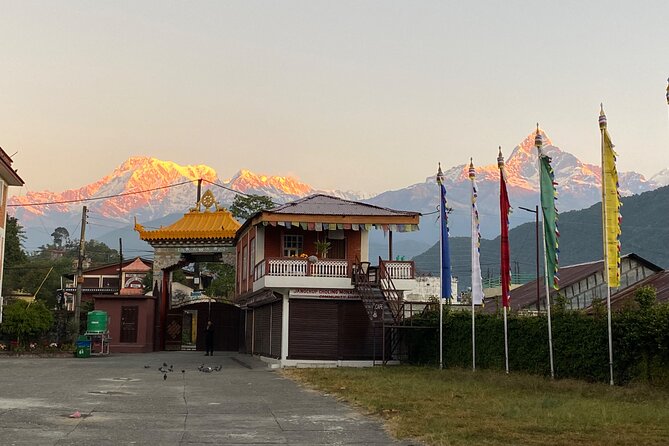
This tour starts at 05:30 a.m., which sounds early until you realize what it buys you: a cooler morning and a calmer feel around the monasteries and settlement areas. In a place where mornings can move quickly, being out early helps you actually experience the flow of daily life instead of arriving when everything is already in full motion.
You’ll also get a day that stays focused. Rather than scattering across Pokhara for hours, this outing funnels you into one theme: Tibetan community life. That makes the information stick. When the guide points out details in the monasteries and then turns around and shows you family life just after, you can connect the meaning to the people.
One practical note: because it runs in all weather, you should dress for the morning chill and also bring something light for later. This is one of those days where layers help you stay comfortable from start to finish.
You can also read our reviews of more historical tours in Pokhara


Price and Value: What $85 Gets You (And What It Doesn’t)
At $85 per person, you’re paying for a full guided morning and early afternoon that includes hotel transfers and a guided route through several sites. You’re not just getting transport and a checklist. You’re paying for interpretation—someone to explain what you’re seeing and why it matters.
Here’s what the price covers in plain terms:
- Hotel pickup/transfer service for convenience
- A small-group tour run by a guide (Mr. Thupten Gyatso)
- Free admission tickets at the stops listed in the schedule
- Lunch at a local restaurant, with momos and thukpa
- Food options that include vegetarian/non-vegetarian and gluten-free needs
What it doesn’t automatically guarantee: you’ll be able to control the day’s pace at each stop. Some visits, like meeting monks or walking through village areas, depend on timing and access. If you’re the type who hates structured schedules, this format might feel a bit firm. But if you like having your route planned and your questions answered, it’s good value.
If you’re budget-minded, the transfers and lunch are the big wins. In practice, that’s what turns an $85 tour from “just another guided day” into “a day that covers the stuff you’d otherwise pay for and manage yourself.”
The Real Star Is the Guide: Mr. Thupten Gyatso
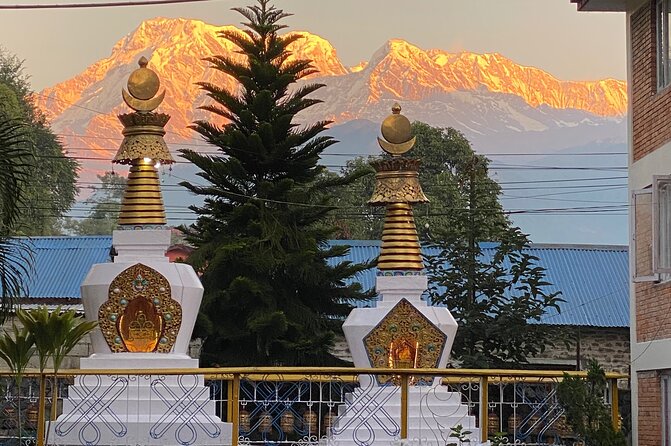
A good cultural tour lives or dies by the guide, and this one puts the guide front and center. Mr. Thupten Gyatso is part of the reason this experience earns top scores. The way he connects Tibetan people’s culture and history to what you see in monasteries makes the visits feel less like photo stops and more like a story you can follow.
Expect your guide to explain things you might otherwise miss. That includes religion-focused details—how Buddhist teaching shows up in monastery life—and also community-focused pieces, like what refugee life means in contemporary Nepal. Even when you’re simply walking a courtyard or reading visual symbols, the guide helps you understand what those visuals do for daily practice.
And because the group is limited to 15, you’re less likely to get lost in a crowd. You can ask questions without waiting forever, which matters a lot on a day that includes a monastic institute visit.
Jangchub Choeling Tibetan Buddhist Monastery: Where the Morning Story Begins
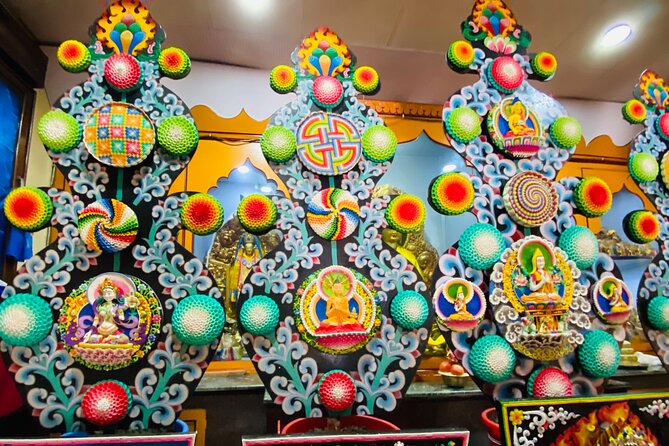
Your first stop is Jangchub Choeling Tibetan Buddhist Monastery, and it’s where the tone is set. You’ll start with a guided introduction that frames Tibetan culture and religion, plus the context of Tibetan life in Nepal.
This stop is also your chance to get your bearings fast. If you’re new to Tibetan Buddhism, the guide’s early explanations are what make the later symbol spotting make sense. Without that foundation, monastery visits can turn into “beautiful buildings, unclear meaning.” With the foundation, you’ll notice more: the way signs and objects connect to practice.
Time-wise, you have about 1 hour here. That’s enough time to see the main areas, hear the intro, and ask at least a couple of questions—especially in a small group. The drawback? If you’re hoping for a long, quiet, slow walk with zero structure, you may want additional free time later. This tour is designed to keep moving, not to linger for hours at one viewpoint.
Tashi Palkhel Tibetan Settlement: Taste Tibetan Food and Daily Life

After the monastery, the tour shifts into human scale at the Tashi Palkhel Tibetan Settlement. This is where the day stops feeling like a museum circuit and starts feeling like you’re meeting real routines.
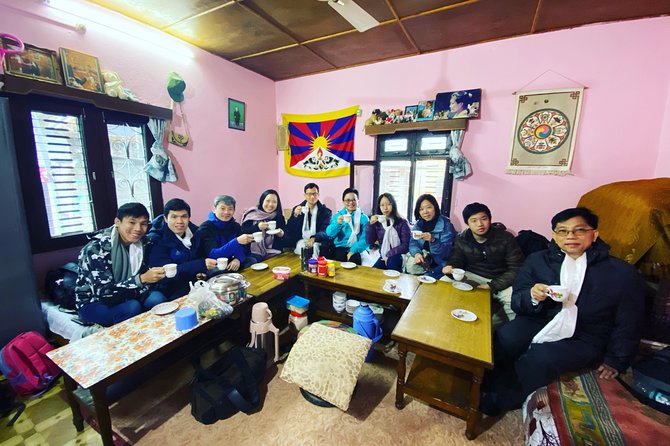
You’ll visit a local Tibetan family and get a taste of Tibetan food. The tour is described as including breakfast-style tasting, so you’re not just looking at homes from the outside—you’re experiencing food as culture. That matters because Tibetan cuisine is shaped by environment, ingredients, and tradition. A food visit also cuts through stereotypes faster than explanations alone.
There’s about 1 hour at this stop, which is a good length for a family visit. Too short and you feel rushed. Too long and the whole day can drift. Here, the timing keeps it easy to connect what you ate and what you learned: food, faith, and daily life are intertwined in places like this.
One small consideration: this part of the day may involve walking around a residential area. Wear comfortable shoes. Also, be ready to follow the guide’s cues about where to go and what to observe.
You can also read our reviews of more tours and experiences in Pokhara

Lunch in Pokhara: Momos and Thukpa Stop You From Glazing Over
Midday food is not an afterthought on this tour. Lunch is included, and the menu focus is momos and thukpa at a local restaurant.
This is exactly the kind of lunch that works for a structured morning because it’s hearty and Tibetan comfort food. Momos are filling without being heavy in a way that makes you sleepy. Thukpa can be especially nice if your morning started cold.
Also, the tour makes specific promises about food needs: you can get vegetarian/non-vegetarian options as well as gluten-free choices. That’s a big practical win. On group tours, it’s common to have limited choices, so it’s worth appreciating that this one addresses dietary needs directly.
If you’re counting timing, plan to eat without rushing. Since the afternoon includes monastery and village walking, a proper lunch helps you stay energized for the longer final portion.
Pema Ts’al Sakya Monastic Institute: Ask Questions and Meet Monastic Life
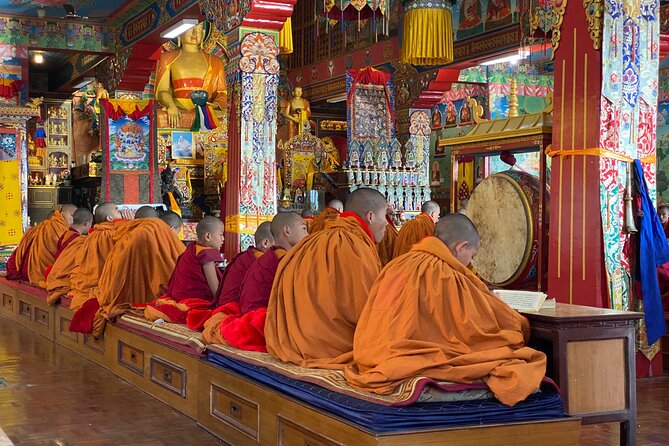
Next up is the Pema Ts’al Sakya Monastic Institute, where you get to visit a monastery and meet with a young monk. This is one of the most meaningful parts of the day because you’re not only seeing objects—you’re talking to someone learning and teaching within that environment.
You’ll have about 1 hour here, and the schedule specifically encourages questions. That turns the visit from passive watching into real exchange. If you’ve ever wondered what young monastics focus on—education, daily discipline, and how faith is practiced—this is where you’ll get closer to the answers.
A balanced expectation: you might not leave with every answer you came looking for, but you will leave with better questions. A monk-to-visitor conversation naturally has limits. Still, it’s an effective way to understand the role of education and structured life in Tibetan Buddhism.
If you’re shy, that’s fine. You don’t need to ask a perfect question. Even small curiosities—about routines, learning, or the meaning behind practice—can lead to a useful conversation.
Shree Gaden Dhargay Ling Monastery: Symbols You’ll Actually Recognize
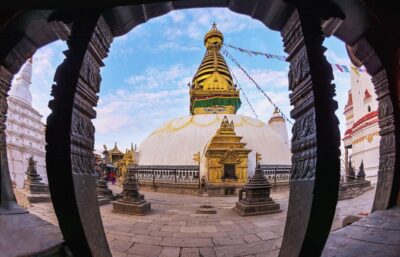
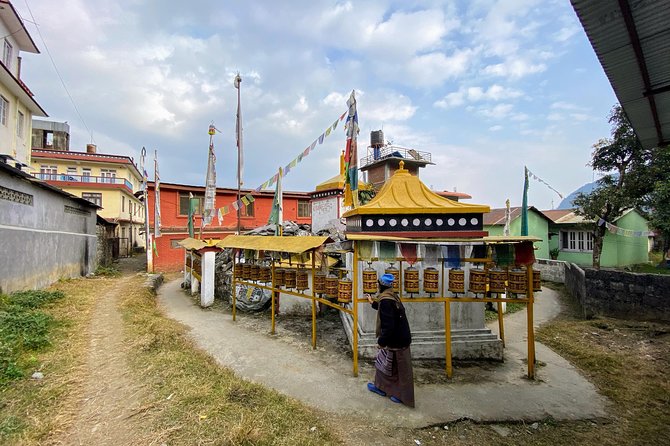
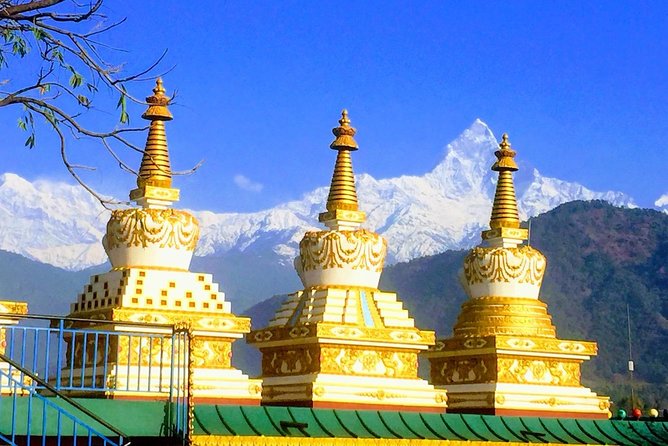
At Shree Gaden Dhargay Ling Monastery, the tour shifts toward visual literacy. You’ll learn the meanings of Buddhist signs and symbols important in daily life, including prayer wheels, prayer flags, and stupas.
This stop is about 45 minutes, which may feel quick at first. But symbol-based visits often go fast because the guide is pointing out multiple objects and explaining what each represents. The time limit works as a concentration tool. You can learn several key terms and then move on while the details are still fresh.
You’ll probably leave this stop looking at Buddhist symbolism differently for the rest of your trip. That’s the real payoff: future monastery visits across Nepal become easier to decode, and your photos come with context instead of just decoration.
The drawback here is simple: if you want a longer, slow, camera-and-breathing pace, a 45-minute stop may feel tight. But for many people, it’s the right length to learn without getting overloaded.
Tashi Ling Tibetan Village: The Long Walk Through Everyday Life
The final major segment is Tashi Ling Tibetan Village, and it’s longer than the earlier stops—about 4 hours. This is where you’ll walk around and see how people live their daily lives, and you’ll also explore Tibetan schools.
This long stretch is important because it gives the day breathing room. You’ve already learned about monasteries and symbols. Now you see how culture continues outside ceremonial spaces. Villages make the ideas practical: you understand what tradition looks like in normal days, not only in ritual moments.
There’s also a “moving at your pace” element here. A walking village visit can feel flexible within the structure of the tour. Still, you’ll want comfortable shoes and a small plan for how you want to spend your energy.
Since the day began early and earlier stops were fairly structured, 4 hours can feel like a lot if you’re not used to walking. On the flip side, it’s also the best part if you want more than a quick look. This is the segment most likely to make the whole tour feel real.
Transfers, Small Groups, and Comfort Tips That Matter
A few logistics details are quietly important:
- Pickup and hotel transfers reduce friction, so you can focus on the sites
- The tour runs with a maximum of 15 travelers, which helps conversation stay two-way
- It operates in all weather, so you should dress appropriately
If you’re doing this while adjusting to Pokhara, I’d plan this day as a “culture morning” rather than a “go-go sightseeing day.” You’re out for 8–9 hours, and the early start can make it hard to add much else afterward.
In terms of timing, you’ll likely want to keep your afternoon flexible. Even with a good lunch, you’ll have walking time and multiple stops. This isn’t a choose-your-own-adventure tour; it’s a focused, guided flow.
And if you’re considering dietary needs, confirm them when you book so the restaurant and kitchen can handle your order. The tour indicates it serves vegetarian/non-vegetarian and gluten-free options, but you still need to communicate what you require.
Who This Tour Fits Best (And Who Might Prefer Something Else)
This is a great fit if you:
- Want a culture-focused morning rather than a quick photo circuit
- Enjoy guided explanations you can ask questions about
- Like food-based cultural experiences (momos and thukpa, plus tasting at a local family)
- Prefer a smaller group where the guide can respond to individuals
It may be less ideal if you:
- Hate early mornings (again, it starts around 5:30 a.m.)
- Want lots of free time to roam on your own
- Prefer destinations where religion is not discussed or emphasized
The best part is the combination: monastery learning, a family food connection, and then a longer village segment. That mix gives you both the spiritual and the practical sides of Tibetan life in Pokhara.
Should You Book This Morning Tibetan Cultural Tour?
I think you should book this tour if you value guided context and respectful cultural access. The price makes sense because it includes transfers, lunch, and multiple sites with a guide who can explain what you’re seeing. The small-group size also improves the experience, especially at the monastic institute where questions are encouraged.
If you’re on the fence because of the early start, set a simple plan: go to bed on time, dress in layers, and treat the day as your main outing. In exchange, you’ll get a morning that connects Tibetan culture, religion, and daily life in Pokhara—plus a solid lunch you don’t have to figure out yourself.
FAQ
FAQ
What time does the tour start?
The tour departs at 05:30 a.m.
How long is the morning Tibetan cultural tour?
It runs about 8 to 9 hours.
Does the tour include hotel pickup or transfers?
Yes, hotel transfers are included for convenience, and pickup is offered.
What will I eat during the tour?
Lunch is included at a local restaurant, with momos and thukpa. You’ll also taste Tibetan food during a visit to a local Tibetan family.
Are there vegetarian or gluten-free options?
Yes. The tour serves vegetarian/non-vegetarian food as well as gluten-free food.
Can I cancel for a full refund?
Yes, you can cancel up to 24 hours in advance for a full refund.