REVIEW · POKHARA
Pokhara: Sarangkot Sunrise with Half or Full-Day City Tour
Book on GetYourGuide →Operated by MTA Trekking · Bookable on GetYourGuide
Early morning beats jet lag. Sarangkot sunrise is a legit way to see the Annapurna range at its most dramatic, with hotel pickup and a short climb to a prime viewpoint. What I like most is the sheer photo payoff: you’re timed for the moment the sky shifts, turning Annapurna and Machhapuchhre into golden silhouettes.
I also really like how this day doesn’t stop at the mountains. You roll straight into Pokhara’s big attractions, including the International Mountain Museum and the waterfall story at Davis Falls and Gupteshwor Cave. The only drawback to keep in mind is the weather gamble: on a cloudy morning, the sweeping peak views won’t be as clear, even though the schedule and stops still run.
In This Review
- Key highlights at a glance
- Sarangkot Sunrise from Pokhara: The Annapurnas in Morning Light
- Getting There on Time: The Car, the Stairs, and the Best Moment to Arrive
- What You’ll See: Dhaulagiri, Annapurnas I–III, Machhapuchhre, and Manaslu
- The Bindabasini Temple Reset After Sunrise
- International Mountain Museum: Mountaineering Gear and Nepal’s Climbing Culture
- Davis Falls: The Water That Disappears Underground
- Gupteshwor Cave: Watching the Same Waterfall Inside
- Price and Logistics: Why This $8 Day Feels Like a Deal
- Who This Tour Suits Best (and Who Might Want a Different Plan)
- Should You Book This Sarangkot Sunrise + City Combo?
- FAQ
- What time is the Sarangkot sunrise?
- How do you get to Sarangkot from Lakeside?
- Do you have to walk uphill at Sarangkot?
- What attractions are included after the sunrise?
- Can you see specific Himalaya peaks from Sarangkot?
- Is a guide included in the price?
- What is the cancellation and payment policy?
Key highlights at a glance
- Sarangkot sunrise with hotel pickup: a smooth, early start from Lakeside.
- 15 minutes of stairs to your viewpoint: short effort, big reward.
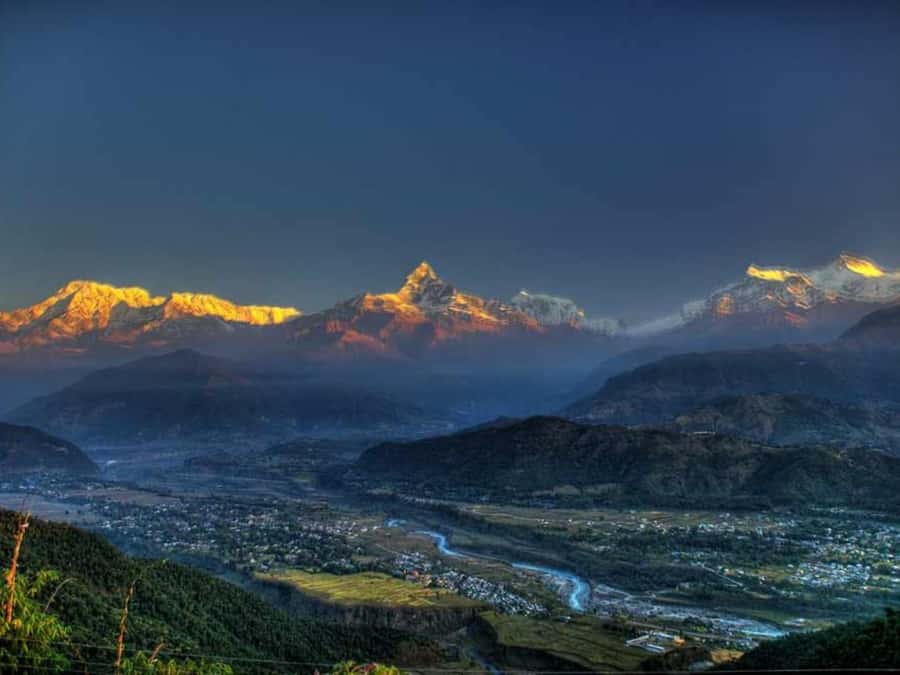
- Clear-day peak lineup: Dhaulagiri, Annapurnas I–III, Machhapuchhre, Manaslu.
- International Mountain Museum focus: expedition tools, mountaineering history, and cultures.
- Davis Falls + Gupteshwor Cave link: watch the waterfall vanish, then see it again underground.
Sarangkot Sunrise from Pokhara: The Annapurnas in Morning Light
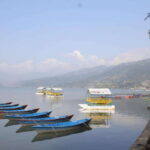
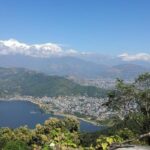
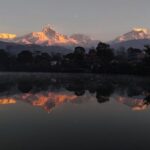
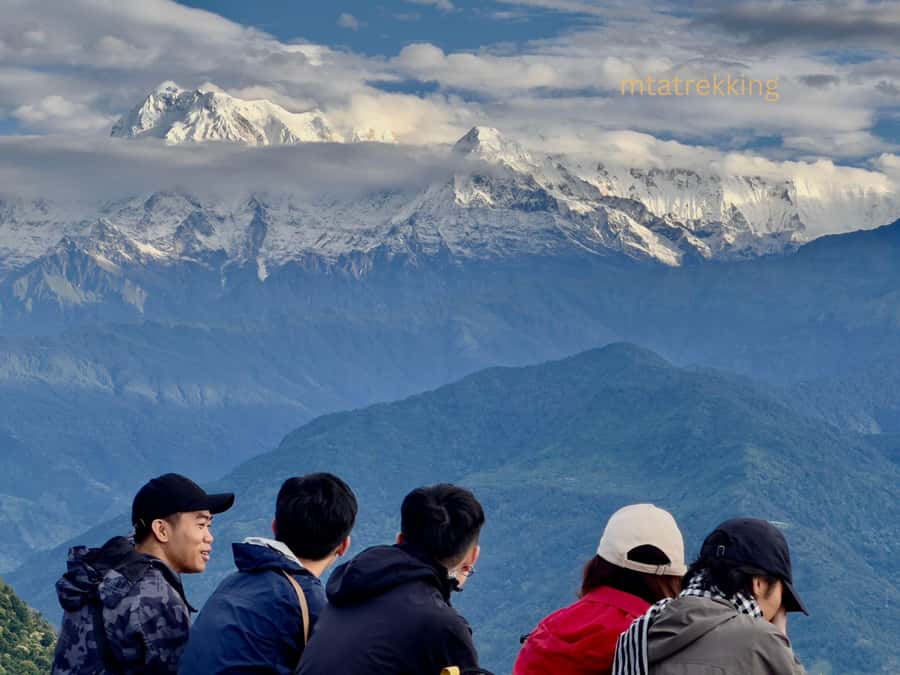
If you only do one early-morning activity in Pokhara, make it Sarangkot sunrise. This hill overlooks Phewa Tal and the Annapurna mountain wall, and it’s set up for exactly the thing you want to do when you’re this close to some of the world’s tallest peaks: catch them when the light is soft and the shadows are still shy.
The vibe is simple. You’re picked up from your hotel in the early hours, driven about 30 minutes from Lakeside to the Sarangkot area, then you walk up roughly 15 minutes of stairs to get to a viewpoint. Once you’re there, you’re not rushed out after five minutes. You get time to settle in, watch the sky change color, and take photos without feeling like you’re racing a clock.
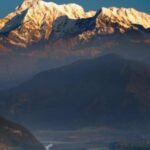
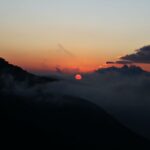
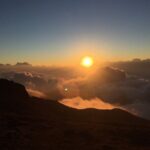
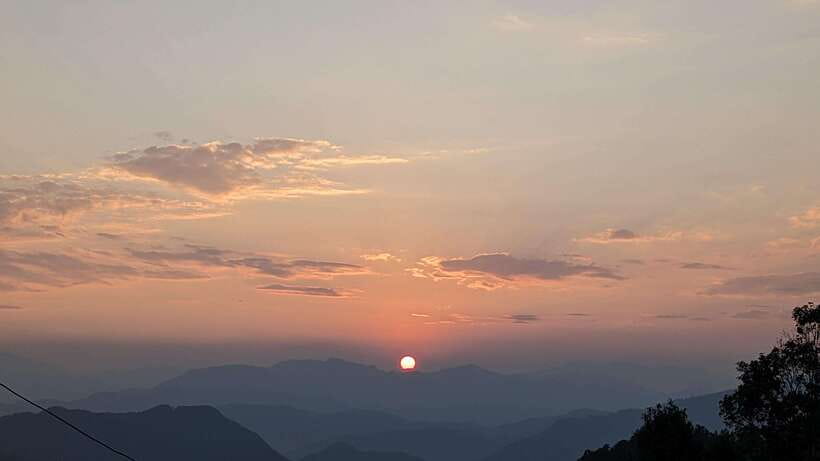
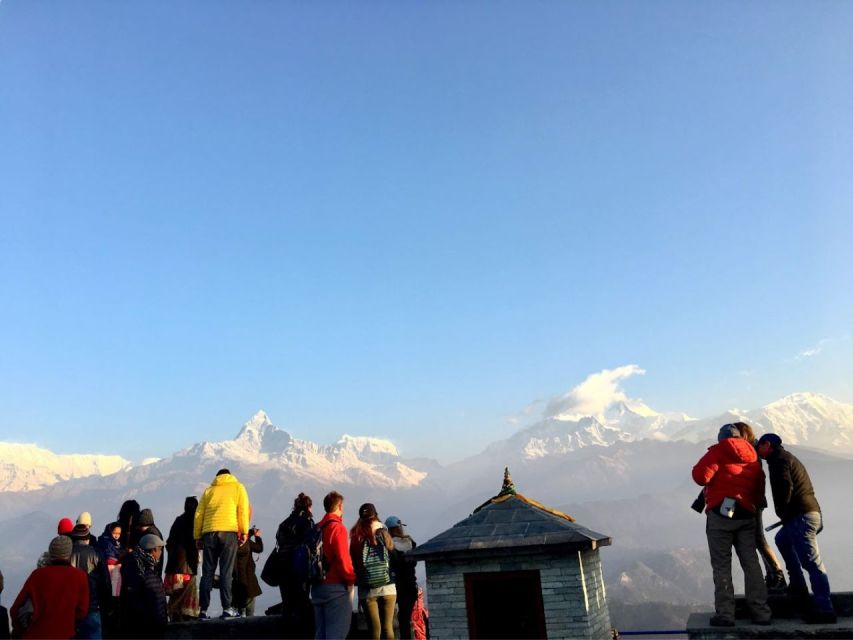
Two moments make this work. First is the transition in the clouds and sky—pastels of purple and pink that turn into warm orange and gold. Second is seeing how the peaks pop as the sun rises behind them. The mountains don’t just look tall. They look lit from within.
You can also read our reviews of more city tours in Pokhara
Getting There on Time: The Car, the Stairs, and the Best Moment to Arrive
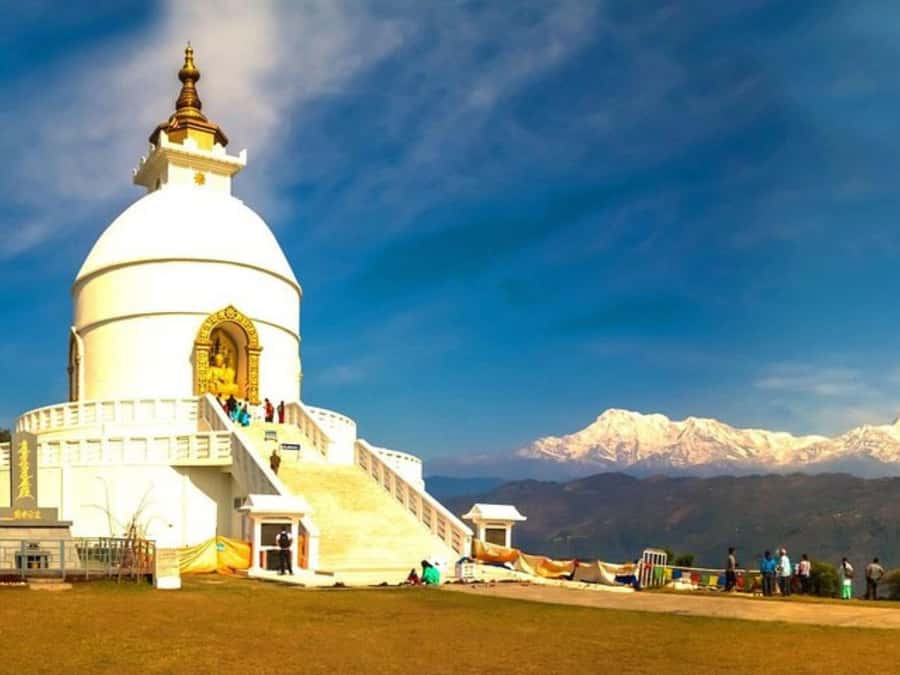
This tour is built around one key idea: sunrise rewards punctuality. The scheduled sunrise time is around 5:45, and the smart move is to aim to be at the spot earlier, around 5:30, so you don’t spend the best minutes squinting for a view.
You’ll get hotel pickup and drop-off, and the ride is described as comfortable and safe. In other words, you’re not negotiating rickety transport at dawn. The driver also tends to be patient, which matters because sunrise is slow. The sky doesn’t do dramatic flips on command. It gradually moves from dark to light.
The only physical part is that short stair climb. Expect about 15 minutes up. It’s not a hike through jungle or over rocky terrain, but it’s real steps. If you’re out of practice with stairs or you get winded easily early in the morning, you’ll want to go at your pace and keep a steady rhythm.
My practical tip: bring layers. Even if you’re warm during the drive, sunrise season in the hills can feel chilly while you wait. Also, bring something for photos—phones, power bank, whatever you use—because you’ll want multiple shots as the colors evolve.
What You’ll See: Dhaulagiri, Annapurnas I–III, Machhapuchhre, and Manaslu
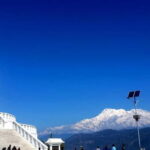
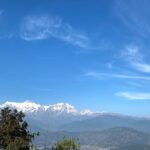
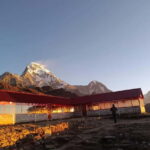
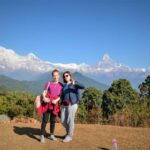
On a clear day, Sarangkot gives you a serious peak lineup. The view can include Dhaulagiri (8,167m), Machhapuchhre (6,997m), Annapurna I (8,091m), Annapurna II (7,937m), Annapurna III (7,219m), and Manaslu (8,163m)—plus the broad panorama of the Pokhara valley.
Here’s what that means for you on the ground. You’ll watch the sun rise behind the mountains, and the light spreads across snow and rock in stages. The sky often shifts into pink and orange hues, and the peaks look like they’re being edged with gold. This is also where Machhapuchhre earns its reputation. It’s a distinctive shape, and when the light hits it right, it feels almost unreal.
Just remember the “clear day” part. If clouds roll in, you might still get a pretty sky, but the peak details can fade. That doesn’t make the experience pointless. It changes the look. Instead of crisp snow lines, you get softer silhouettes and a more atmospheric sunrise.
The Bindabasini Temple Reset After Sunrise
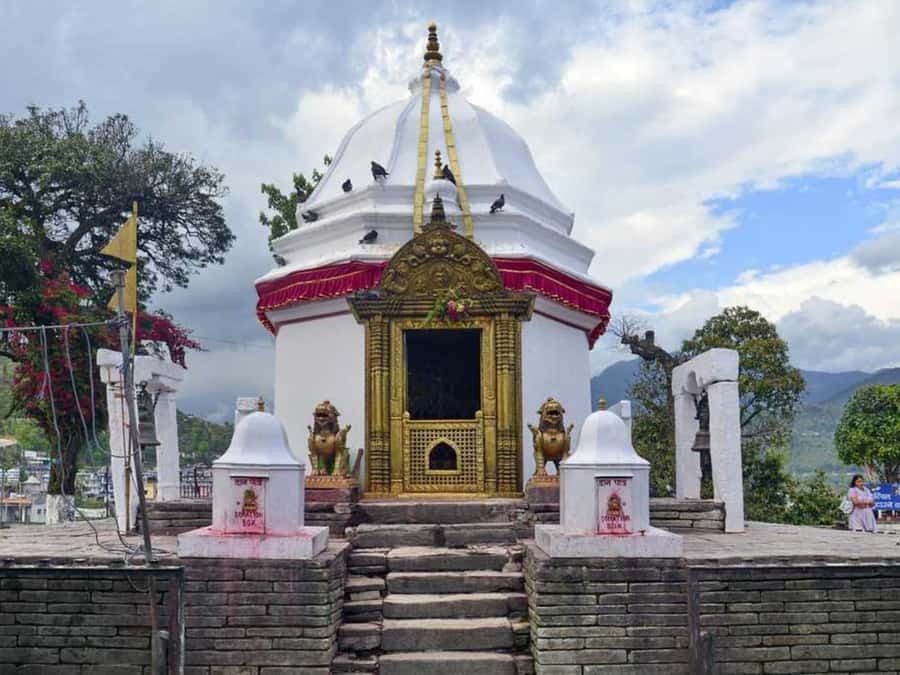
After you’ve watched the sunrise and taken your fill, you visit Bindabasini Temple. This stop is close enough to keep your momentum, but it changes the mood. The viewpoint is all big sky and big mountains. The temple is quieter and more human-scaled.
You’ll head there after the sunrise segment, then you return toward your hotel. Think of this as your decompression moment: you’re coming down from the high drama of the mountains and shifting into cultural Pokhara.
Even if you’re not a temple person, it’s a useful break. It gets you out of the “standing around in the cold with a camera” mindset and back into a calmer rhythm before the next round of sightseeing.
International Mountain Museum: Mountaineering Gear and Nepal’s Climbing Culture
By late morning, the pace picks up again. Around 10:30 AM, you’re picked up for a guided half-day sightseeing loop that includes the International Mountain Museum.
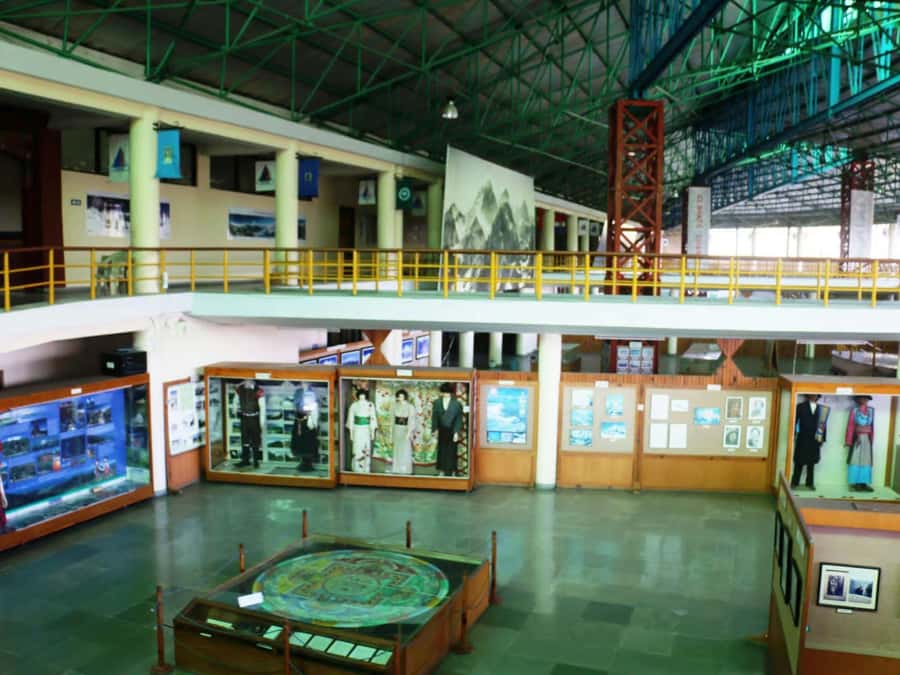
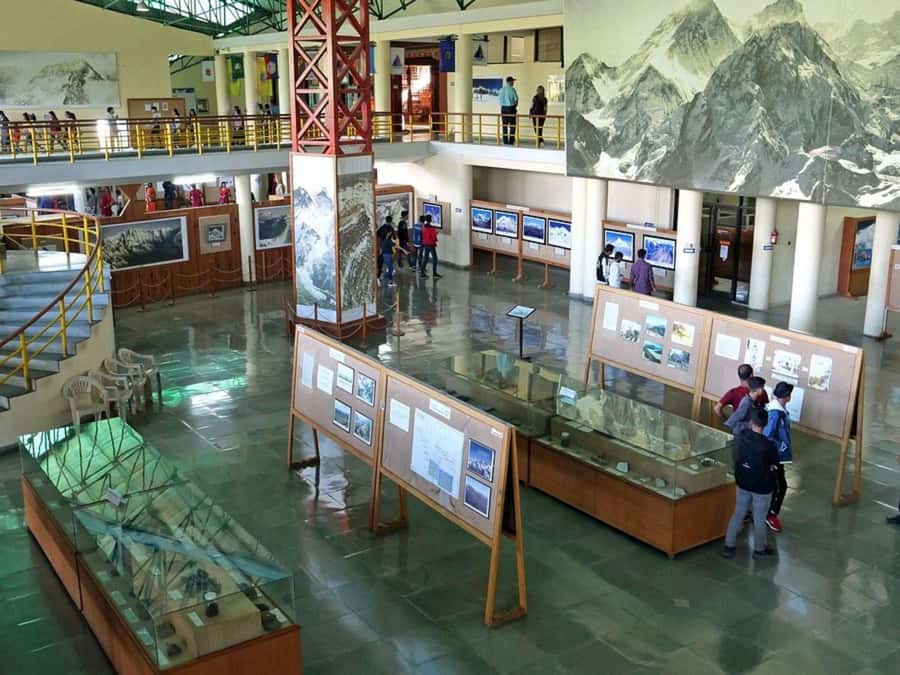
This museum matters because it connects what you just saw to how people survive and explore in these landscapes. You’re not only looking at mountains now—you’re learning about mountaineering history, Himalayan cultures, and famous expeditions. The museum also focuses on the tools used by climbers, which gives you a tangible sense of how challenging and specialized this world is.
The museum is also described as covering the cultures and ethnic groups of Nepal. That’s a big deal in a place like Pokhara, where the mountains feel personal to many communities. It helps you see the Himalaya as more than scenery.
One practical note: museums can be dense. If you’re not the type to read every label, don’t worry. Take a slower route through the key areas about expedition tools and legendary climbers, then let the rest be “as time allows.” You’ll still come away with a better understanding than you’d have from pure sightseeing.
You can also read our reviews of more tours and experiences in Pokhara

Davis Falls: The Water That Disappears Underground
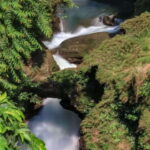
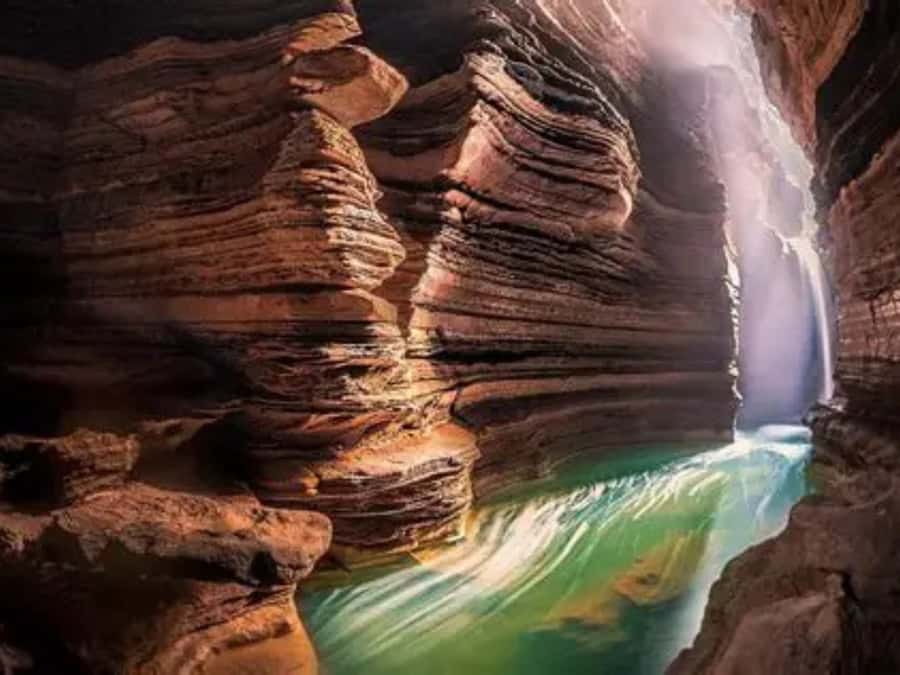
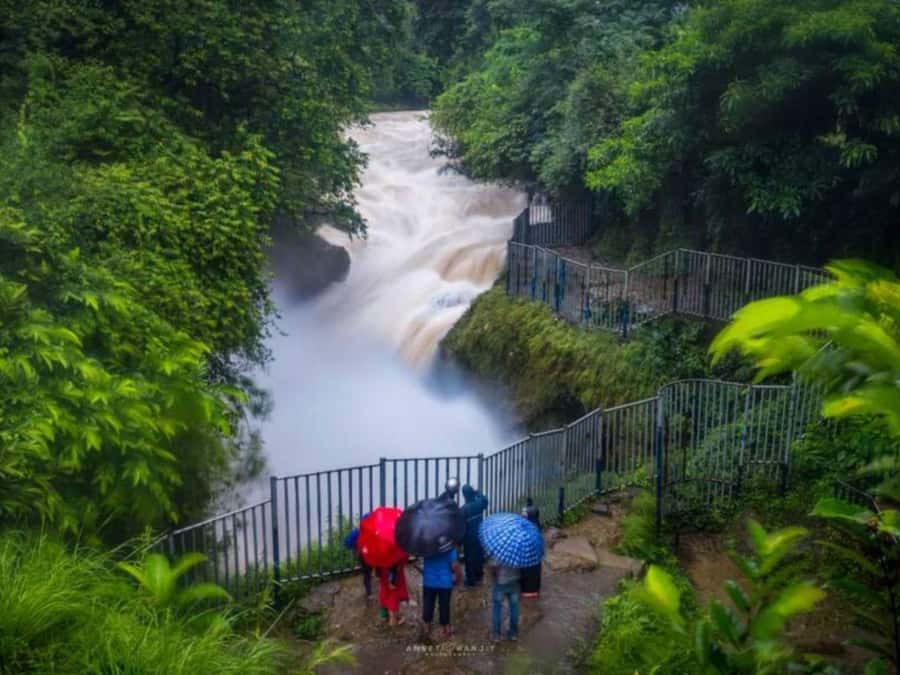
Next on the half-day route is Davis Falls, a waterfall that drops into an underground tunnel. The effect is unforgettable because it looks like the water simply vanishes after traveling so far on the surface.
It’s powerful in the most straightforward way. There’s motion, sound, and force. And because the fall vanishes underground, you feel that mix of curiosity and mystery—where does it go? That question is the perfect setup for what comes right after.
If you’re the type who likes learning how places work rather than just taking photos, this stop delivers. You’re seeing one of Pokhara’s most famous natural systems at close range, and it frames the next cave visit as more than a random add-on.
Gupteshwor Cave: Watching the Same Waterfall Inside
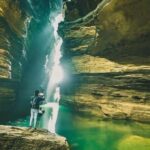
After Davis Falls, you’ll visit Gupteshwor Cave, where there’s a stunning view of an underground waterfall. Here’s the key connection: this is described as the same waterfall that comes from Davis Falls.
That’s why the pairing works so well. You get a “before” and “after.” You watch the water vanish into the tunnel at Davis Falls, then you go inside and see it again in Gupteshwor Cave. It turns a single attraction into a story with a beginning, middle, and payoff.
This is also a nice contrast with the museum. One is human history and gear. The other is nature doing its quiet engineering underground. Put together, it makes your morning feel like it covers both sides of the Himalaya: people and place.
Practical thought: caves can be cooler and damp. Wear shoes you’re comfortable walking in. You don’t want your day to end because you chose the wrong footwear for slippery floors or stone steps.
Price and Logistics: Why This $8 Day Feels Like a Deal
At $8 per person, this is the kind of value that makes sense if you understand what’s included. You get hotel pickup and drop-off, the Sarangkot sunrise experience, and then the sightseeing circuit to major Pokhara highlights: International Mountain Museum, Davis Falls, and Gupteshwor Cave (plus the Bindabasini Temple stop).
What’s not included is a guide and drinks, based on the tour details you’re working with. At the same time, the sightseeing portion is described as a guided half-day tour. So here’s the practical advice: when you book, confirm whether your package includes guide services for the sightseeing portion or if that’s an add-on. Either way, pickup and the main structure of the day are clearly part of the deal.
Even with drinks on you, the value is strong because transport time and coordination in Pokhara can quietly add up. Here, you’re getting a full run—mountain viewpoint early, then cultural and natural stops—without needing to arrange separate rides.
And the early start? It’s worth it. The sunrise slot is usually the one thing you can’t easily “wing” if you’re not local. A schedule gives you a shot at the best light, plus it keeps you from losing time navigating at dawn.
Who This Tour Suits Best (and Who Might Want a Different Plan)
This tour is ideal if you want a one-day mix of mountain views and Pokhara highlights without spending the whole day planning. It fits especially well for:
- First-time visitors who want the big-name Pokhara attractions in one morning stretch
- People who care about sunrise photography and want an organized way to get there
- Anyone who wants mountains plus context (the museum) plus nature (the caves and falls)
It might be less perfect if:
- You hate early mornings. The sunrise timing is real, and you’ll be up and moving early.
- You want a fully relaxed day with no walking. There’s a short stair climb at Sarangkot and cave walking at Gupteshwor.
- You prefer a lot of shopping time or long lunch breaks. This day is structured and packed.
Should You Book This Sarangkot Sunrise + City Combo?
I’d book it if your priority is clear: get a Himalayan sunrise view and then hit Pokhara’s key natural and cultural stops without extra logistics. The combination is practical and efficient. The sunrise is the main event, and the rest of the day supports it—temple stop for culture, museum for context, and Davis Falls + Gupteshwor for a nature story you can actually see.
One final decision tip: if you’re flexible and the weather might be changeable, consider how many days you have in Pokhara. Sunrise is always weather-dependent, and Sarangkot rewards patience. With just one day, I’d still lean toward booking, because even if visibility isn’t perfect, you’re still getting a worthwhile sunrise experience and major Pokhara sights in a single coordinated morning.
FAQ
What time is the Sarangkot sunrise?
Sunrise is around 5:45, and it’s recommended to get to the sunrise spot around 5:30 to secure a good viewing position.
How do you get to Sarangkot from Lakeside?
You’ll be picked up from your hotel and driven about 30 minutes from Lakeside to the Sarangkot area.
Do you have to walk uphill at Sarangkot?
Yes. After the drive, you walk up stairs for about 15 minutes to reach a good spot for sunrise.
What attractions are included after the sunrise?
After sunrise, you’ll visit Bindabasini Temple, then later (around 10:30 AM) you’ll go to the International Mountain Museum, Davis Falls, and Gupteshwor Cave.
Can you see specific Himalaya peaks from Sarangkot?
On a clear day, the view can include Dhaulagiri, Machhapuchhre, Annapurna I, Annapurna II, Annapurna III, and Manaslu, along with the Pokhara valley panorama.
Is a guide included in the price?
Hotel pickup and drop-off are included, but the tour details list a guide as not included. The sightseeing part is described as guided, so confirm what your booking includes.
What is the cancellation and payment policy?
You can reserve and pay later (book now and pay nothing today). Cancellation is allowed up to 24 hours in advance for a full refund.