REVIEW · POKHARA
Pokhara: City Sightseeing Group Budget Bus Tour
Book on GetYourGuide →Operated by Nepal Tour Adventure Pvt Ltd · Bookable on GetYourGuide
Big views, caves, and a temple rush. This one-day group bus tour strings together Pokhara’s biggest sights fast, from the World Peace Pagoda hilltop panoramas to the Gupteshwor cave’s sacred Shiva Lingam. I like the simple, efficient way you hit multiple locations without planning. The main trade-off: it’s a sharing mini-bus, so comfort is basic and you may notice cleanliness issues like flies.
What I really enjoy is the human rhythm of the day. The team keeps things moving and the tour is run with coordination from the tour director Raj, with a guide working in Nepali, Hindi, and English to help you get the story behind the stops.
For value, it’s hard to beat at $10, but remember entrance fees are extra (about NPR 1000 per person). Also, this isn’t for everyone: it’s not suitable for wheelchair users and may be tough if you have back or heart problems.
In This Review
- Key Highlights You’ll Feel Immediately
- Pokhara in One Day: How This Budget Bus Circuit Works
- Hill-Top Starts: Pumdikot Shiva Statue and the World Peace Pagoda
- Gupteshwor Mahadev Cave: Stalactites, Stalagmites, and Shiva Lingam
- Davis Falls and the Limestone Trio: Mahendra Cave and the Bat Cave
- Seti River Gorge and Bindabasini Temple: Views and Meaning in Pokhara
- Phewa Lake Finish: A Classic Pokhara Ending
- Price and Value: Why $10 Can Make Sense (and When It Doesn’t)
- Comfort, Cleanliness, and Timing: What You Should Plan For
- What to Bring (So You’re Happy at Every Stop)
- Who This Tour Suits Best (and Who Should Skip It)
- Should You Book This Pokhara Group Bus Tour?
- FAQ
- Where does pickup happen?
- How long is the tour?
- What sights are included in the route?
- Are entrance fees included?
- What is the transport like?
- Who provides the guide, and what languages do they speak?
- Is food allowed during the tour?
- Who might find this tour unsuitable?
Key Highlights You’ll Feel Immediately
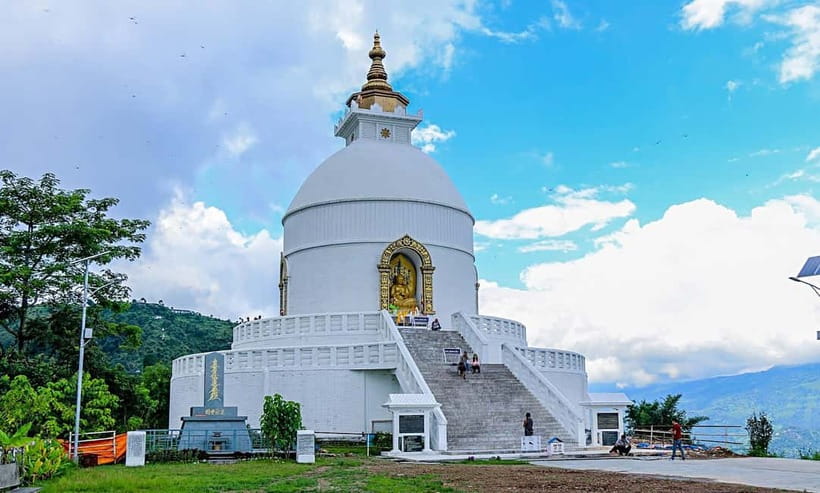
- World Peace Pagoda views over Pokhara Valley and Phewa Lake
- Gupteshwor Mahadev Cave with stalactites, stalagmites, and a Shiva Lingam
- Davis Falls plus the local legend tied to the waterfall plunging underground
- Cave-hopping on limestone ground at Mahendra Cave and the smaller Bat Cave
- Seti River Gorge and Bindabasini Temple for river viewpoints and a downtown shrine
- A finish at Phewa Lake so the day ends with an iconic Pokhara backdrop
Pokhara in One Day: How This Budget Bus Circuit Works
This is a straightforward, full-day sightseeing loop built around transport and timing. You’re picked up from your hotel in the Lakeside area, then you ride in a sharing basic mini-bus between stops while a local guide helps you along the way.
The itinerary is paced like a highlight reel. Expect about an hour at the first major hill stop, then a steady sequence of caves, falls, a gorge, and temple time, before ending at Phewa Lake. If you’re short on days in Pokhara, this kind of structure is exactly what you want.
The group setup also explains why it’s so affordable. You’re paying for the route, transport, and a guide for support—not for private comfort or a slow, deep exploration of each site.
You can also read our reviews of more city tours in Pokhara
Hill-Top Starts: Pumdikot Shiva Statue and the World Peace Pagoda
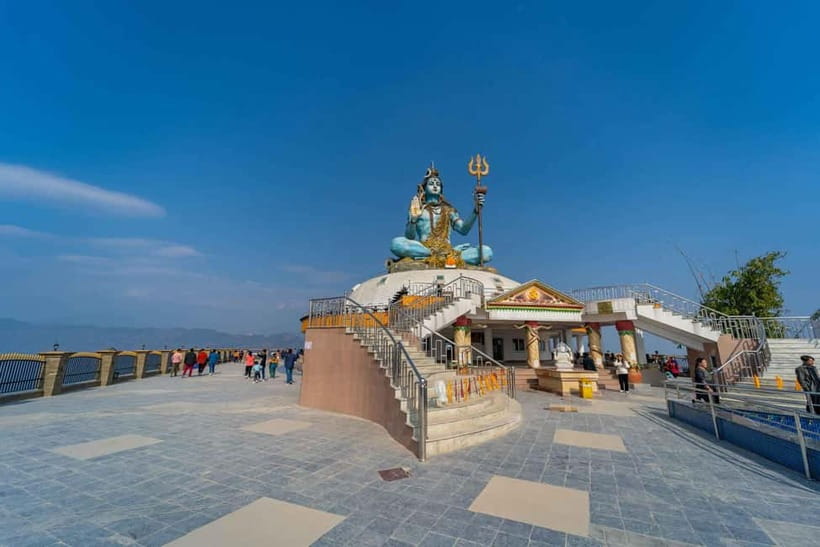
You begin with a ride out of Lakeside, then head to the hill area for the Pumdikot Shiva Statue. It’s a good warm-up stop: you get early views and the sense of why Pokhara is so tied to spirituality and hills.
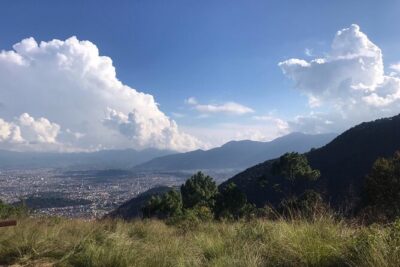
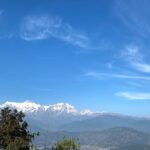
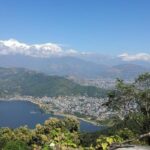
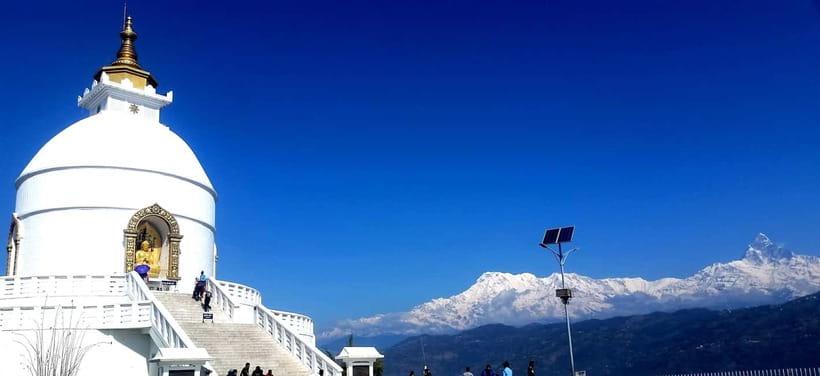
From there, the big visual moment arrives at the World Peace Pagoda. This towering white stupa sits on a hilltop with panoramic views over Pokhara Valley and toward Phewa Lake and the surrounding mountains. Even if you’ve seen photos, the scale hits differently in person, and you’ll likely want to spend a good chunk of time just looking and photographing.
One practical note: since you’re up on a hill and outdoors, plan for sun. The tour advice includes sunglasses and a hat, and I’m glad it does. You’ll be happier if you treat this as a morning-and-midday outdoor block.
Gupteshwor Mahadev Cave: Stalactites, Stalagmites, and Shiva Lingam
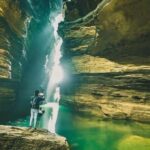
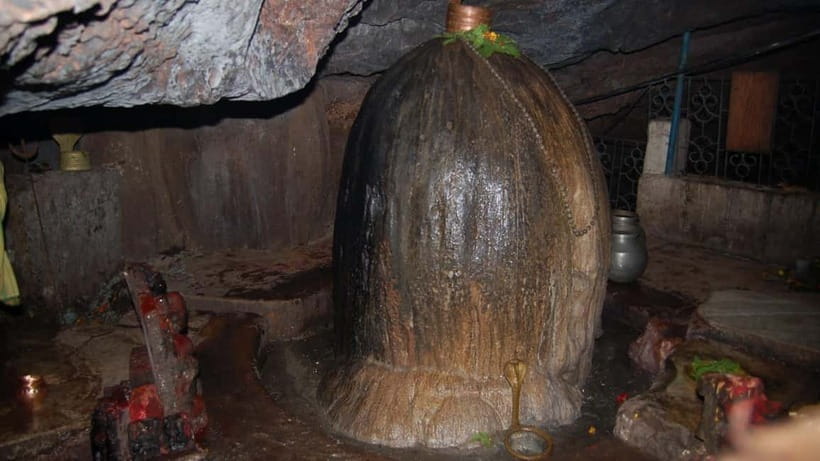
Next comes the cave stop: Gupteshwor Mahadev Cave, located near Davis Falls. This is one of the most memorable parts because it mixes natural formations with a sacred object you’ll actually see—an on-site Shiva Lingam.
Inside, the appeal is visual and tactile in the best way. You’re meant to marvel at limestone cave features like stalactites and stalagmites, and the setting feels cooler than the outside air. You’ll also notice the cultural focus: this isn’t just geology, it’s religious space.
Time inside is limited, so I recommend you go in with a clear goal: look slowly at the formations, then take a moment for the Lingam area. If you’re someone who rushes through, this is the stop where you’ll regret it.
For your comfort, the tour strongly suggests comfortable shoes. Even without getting technical, caves tend to mean uneven ground and short walks, so wear footwear you trust.
Davis Falls and the Limestone Trio: Mahendra Cave and the Bat Cave
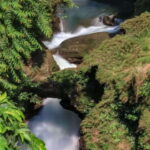
After Gupteshwor, you reach Davis Falls, a dramatic waterfall that plunges into an underground cave system. The key thing here is the spectacle plus the story: the tour includes the local legend connected to the waterfall, which helps you see more than just water crashing.
Davis Falls is often the “wow” stop for first-timers. The fall looks powerful from several angles, and the underground plunge makes it feel a little mysterious. If you like nature with local meaning, this is where the tour earns its keep.
From there, the route continues into more limestone cave time:
- Mahendra Cave: a larger cave with natural formations you can explore.
- Bat Cave: a smaller cave nearby, where you can learn about the bats living inside.
This is a cave sequence, so don’t expect a totally different vibe every time. The contrasts are in size and focus, but the overall feel is limestone, humidity, and short walks with time constraints. Bring the same mindset for all of them: look up, look slowly, and keep your camera ready, but not so ready that you trip over your own feet.
Seti River Gorge and Bindabasini Temple: Views and Meaning in Pokhara
After the caves, you move to Seti River Gorge. The gorge is known for the river views and the surrounding scene. It’s shorter time here, so you’ll want to decide early where you want to stand, then stay put long enough to take photos without constantly moving around.
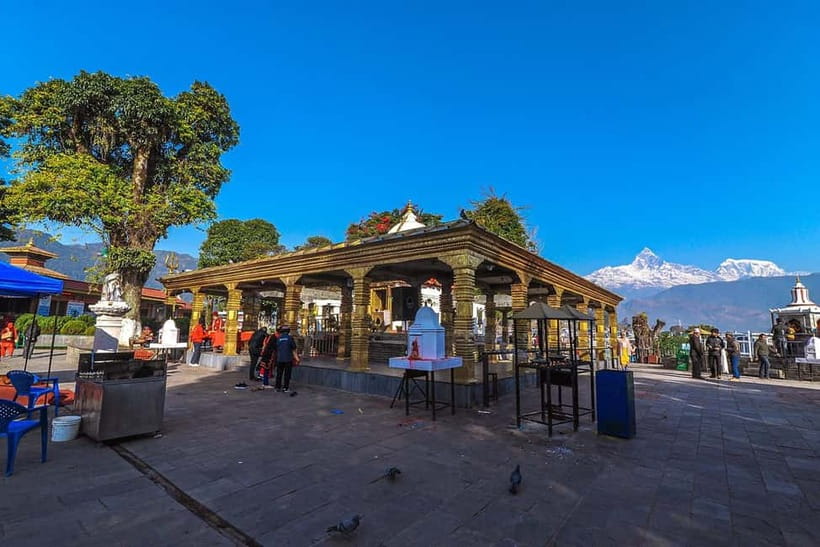
Then comes Bindabasini Temple in the heart of Pokhara. This is a different energy than the caves and falls. You’re visiting a beautiful Hindu temple where the guide shares the temple’s history and significance, giving you context you might miss if you just wandered in on your own.
I like this pairing because it balances the day. The earlier stops are mostly outdoors and under earth; the temple is human-scaled and centered on tradition. It also helps you understand why Pokhara isn’t just scenery—it’s a living place with faith in the middle of the town.


Phewa Lake Finish: A Classic Pokhara Ending
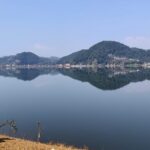
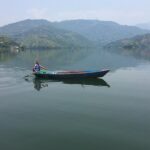
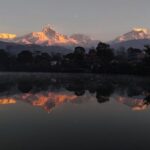
The tour concludes at Fewa Lake. You’ll get the classic Pokhara payoff: a place you can relax, take photos, and reset after a full day of walking and riding.
Even if you already planned to spend time by the lake on your own, finishing here makes sense. It’s a low-pressure ending point, and you can decide what you want next without committing to another structured stop.
Price and Value: Why $10 Can Make Sense (and When It Doesn’t)
At $10 per person for transport, pickup from Lakeside, and a guide, this tour is built for affordability. The route covers major Pokhara highlights in a single day, so you’re paying less for the logistics and more for access to a tight sightseeing plan.
But value depends on your expectations. If you want a private guide, pristine vehicle comfort, or lots of flexible time at each site, this won’t match that style. On a tight schedule, though, it’s one of the better ways to see more without spending more.
Also, budget doesn’t mean zero extra costs. Entrance fees are approximately NPR 1000 per person, and that should be part of your planning. Meals and personal expenses aren’t included either, so you’ll need to eat separately around the day.
Comfort, Cleanliness, and Timing: What You Should Plan For
This tour uses a sharing basic mini-bus, and that’s a key factor. One practical consideration is vehicle cleanliness—if you’re sensitive to that, pack a small sanitizer and be ready for a basic ride.
There’s also mention of flies on the bus for one booking, which tells me you should come prepared for a warm-climate transport reality. The best move is simple: don’t wear anything precious, keep your plan flexible, and focus on the sights outside.
Timing is another part of comfort. The day moves stop to stop with set visit windows, so you’ll spend time riding as well as walking. The trade-off is clear: you’re not wasting your Pokhara time trying to figure out routes and transport on your own.
If you prefer more English guidance, keep it in mind. The guide offers Nepali, Hindi, and English, but if your expectation is very detailed English commentary the whole day, you might want to ask for clarification at the start so you’re not waiting for the right moment to understand.
What to Bring (So You’re Happy at Every Stop)
The tour’s packing list is practical, and you’ll use most of it:
- Comfortable shoes for caves and short walks
- Sunglasses and a sun hat for hilltop and outdoor time
- Camera for your own personal photos
- Sunscreen and water for hydration and sun protection
- Comfortable clothes, since you’ll go in and out of different environments
One more practical thought: the tour advice says food and drinks aren’t allowed on the bus. So if you want snacks, plan them off the vehicle and bring enough water.
Who This Tour Suits Best (and Who Should Skip It)
This is a good fit if you:
- have limited time in Pokhara and want a full highlight run
- like organized day trips where the transport is handled
- are okay with a basic sharing vehicle
It may not be for you if you have:
- back problems
- heart problems
- wheelchair needs
The combination of walking, cave visits, and moving between stops adds up. If you know your limits, it’s better to choose a slower option where you can control pace.
Should You Book This Pokhara Group Bus Tour?
Book it if your top priority is seeing World Peace Pagoda, caves like Gupteshwor Mahadev, plus Davis Falls and the gorge/temple stops—all in one day—without paying premium prices. At $10, it’s a smart way to get oriented in Pokhara fast.
Skip or reconsider if you need a very clean, comfortable private vehicle, want long unhurried time at each site, or if walking and uneven cave areas would be difficult for you. Also, if English storytelling is your main need, it’s worth asking early how much detail you can expect so you’re not left guessing.
FAQ
Where does pickup happen?
You’ll be picked up from any hotel within the Lakeside area of Pokhara. You’ll use a name card for pickup.
How long is the tour?
The tour lasts 1 day.
What sights are included in the route?
The tour includes Pumdikot Shiva Statue, World Peace Pagoda, Gupteshwor Mahadev Cave, Davis Falls, Mahendra Cave, Bat Cave, Seti River Gorge, Bindabasini Temple, and concludes at Fewa Lake.
Are entrance fees included?
No. Entrance fees are not included and are approximately NPR 1000 per person.
What is the transport like?
You travel by sharing basic mini-bus between stops.
Who provides the guide, and what languages do they speak?
A local guide is included to assist you, and they work in Nepali, Hindi, and English.
Is food allowed during the tour?
Meals aren’t included, and food and drinks are not allowed on the bus.
Who might find this tour unsuitable?
It isn’t suitable for wheelchair users and may not be ideal if you have back problems or heart problems.