REVIEW · POKHARA
2 Iconic Suspension Bridge Tour in Pokhara
Book on GetYourGuide →Operated by Linkage Tour & Travel · Bookable on GetYourGuide
Suspension bridges make Pokhara feel real fast. I like the up-close walking over serious height at both Bhalam Bridge and Damsadi, and I also like that you get an English-speaking driver-guide who keeps everything smooth, whether it is Rajit or Pujan. It is a big view day, but it is also practical: you learn what these crossings do for daily life, not just pose for photos.
The main drawback to think about is the swaying. If heights and movement make you uneasy, you’ll want to mentally prep before stepping onto the bridge and take it slow.
Key Things to Know Before You Go
- Bhalam Bridge: a 295m crossing over the Kali River, about 70m above the gorge
- Damsadi Bridge: about 276m long and roughly 90m high near the Fusre River area
- Comfort-first private ride: clean, safe car and a friendly, English-speaking guide-driver
- Built-in photo time: stops along the way plus dedicated bridge walking time
- This trip has purpose: the bridges are lifelines for remote villages across deep valleys
In This Review
- Why Pokhara Suspension Bridges Feel Different Than Ordinary Viewpoints
- Getting There: Pickup in Pokhara and the Road to Bhalam
- Walking Bhalam Bridge Over the Kali River (70m Above the Gorge)
- PumpHouse Break: Legs, Photos, and a Local Midday Reset
- Damsadi Bridge Over the Kali Gandaki Valley (90m High, 276m Long)
- What the Bridges Mean for Real Life (Connection in Deep Valleys)
- Photography and Safety: How to Enjoy the Sway Without Stress
- Price and Value: Is $28 Worth a Private Bridge Day?
- Who This Tour Suits Best (and Who Might Prefer Something Different)
- Should You Book This Tour in Pokhara?
- FAQ
- FAQ
- How long is the tour?
- What is the price per person?
- Where does pickup happen?
- Which bridges are included?
- How long do I walk at Bhalam Bridge?
- Is there a stop in between the two bridges?
- How high are the bridges?
- What’s included in the price?
- What is not included?
- What about cancellation and flexibility?
Why Pokhara Suspension Bridges Feel Different Than Ordinary Viewpoints
Pokhara already sells the dream. Then you add a suspension bridge, and the dream gets physical. You are not just looking down at a river system from a viewpoint—you are crossing it, with a wide span and a long, swaying rhythm under your feet.
What I like most is how the day blends three things: engineering, culture, and camera time. The bridge is the headline, but the real payoff is understanding why people built and maintain these crossings in rugged terrain. You get that sense of resilience while you are standing right there, feeling the bridge move a little with every step.
And because this is a private 4-hour trip, you’re not stuck in a crowd. You can ask questions, pause for photos, and move at a pace that makes sense for your comfort level.
Getting There: Pickup in Pokhara and the Road to Bhalam
Your tour starts with pickup from your hotel or the airport in Pokhara, including the Lakeside area. That matters. If you have ever tried to piece together rural transport on your own, you know how fast the day can turn into waiting, negotiating, and rerouting.
Once you’re in the car, you head toward Bhalam with scenic driving time built in. There is also an early photo stop along the way on the Bhalam–Pokhara road. This is a small detail, but it changes the feel of the tour: you ease into the scenery before you commit to the bridge walking.
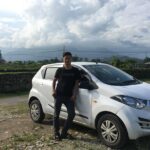
The car part is also where the tour’s “quality of life” shows. In at least one experience, the vehicle was clean and safe, with leather seats, strong temperature control, and a comfortable ride. That makes a difference when you’re doing a height-based activity right after transport.
Practical tip: wear shoes you trust. You’ll be on foot for bridge segments and stop-and-go walking, and the comfort you feel in the car will carry over to how confident you feel on the bridge.
You can also read our reviews of more tours and experiences in Pokhara.
Walking Bhalam Bridge Over the Kali River (70m Above the Gorge)
Bhalam Bridge is the first big crossing. It spans 295 meters across the Kali River, with the bridge deck sitting around 70 meters above the gorge. That combination—long span plus serious drop—creates the signature suspension-bridge sensation.
You’ll have time to walk across and take in the views. Expect a short but meaningful window (about 45 minutes of walking time at the Bhalam area). That is enough time to do three things well:
- get your bearings on the sway
- stop for photos without rushing
- look around and notice what the bridge connects on both ends
This is also where the guide component pays off. You’re not just hearing general “wow” facts. You can get background on the engineering and, most importantly, why bridges like this matter for people living in remote valleys. When you understand that locals rely on these crossings for connection across difficult terrain, the walk feels less like a thrill ride and more like an everyday necessity you’re briefly sharing.
Photo tip that actually helps: if you’re going with one camera, plan for one “wide” shot (bridge + river valley) and one “detail” shot (footbridge cables/structure). The wide shot sells the height. The detail shot shows the engineering, and it will look more impressive when you review it later.
PumpHouse Break: Legs, Photos, and a Local Midday Reset
After the first bridge, the tour includes a PumpHouse stop. Think of it as a reset point. You get a break time plus photo stops, sightseeing, and another stretch of walking (again around 45 minutes).
This stop is valuable because it breaks up the mental intensity of the bridge portion. Suspension bridges demand your attention—your balance, your pace, and your comfort matter. A mid-tour pause lets you regroup so the second bridge doesn’t feel like one long push-through moment.
It also adds variety to the day. If all you do is drive and cross, the tour can feel one-note. The PumpHouse timing gives you a change in rhythm: stand, walk, look, take a few photos, then head back into the bridge zone.
What to do during this stop:
- hydrate (you’ll have mineral water included, so use it)
- take a few photos from angles you can’t get from the bridge deck
- ask your guide about what you are seeing nearby and how the area fits into river-crossing life
And if you’re traveling solo, this is often when having a guide who can help with photos becomes a lifesaver. Some experiences include photo help for solo guests, so you are not stuck with only shaky self-timers.
Damsadi Bridge Over the Kali Gandaki Valley (90m High, 276m Long)
After Bhalam, the tour moves to Damsadi Bridge, near the Fusre River area. This crossing is even more imposing by height: roughly 90 meters up, with a long 276 meters span stretching over the Kali Gandaki river valley.
Crossing Damsadi is where the day becomes most memorable for most people—because your brain starts to compare. You’ve already felt a suspension bridge at Bhalam, and now you’re stepping into a bigger, higher feeling.
You’ll walk across and enjoy the panoramic views, with time structured so you can actually take it in. And yes, the bridge sways. That sway is part of the engineering. The good news is that you don’t need hero-level courage. You just need a steady pace and a willingness to look forward rather than down at every step.
The guide can help with context here too. This isn’t just a tourist photo point; it is another connection for communities across a deep river system. When you connect the engineering to the human need, the crossing feels meaningful in a quieter way.
Practical crossing tips:
- keep a consistent stride and do not rush
- hold your own pace—don’t let faster walkers pull you into a speed you’re not comfortable with
- pause briefly for photos only when it feels stable
Then you’ll say goodbye to Damsadi and head back to Pokhara with time to relax in the car through rural villages and scenery.
What the Bridges Mean for Real Life (Connection in Deep Valleys)
If you only care about views, you’ll still have a great day. But I think the best part is the understanding you walk away with.
Suspension bridges in Nepal help connect villages across deep river valleys and rugged mountain terrain. That connection isn’t symbolic. It is practical:
- goods move more safely
- people can reach healthcare and education
- families and communities stay connected across challenging terrain
And there is a second layer that hits you when you’re standing on the bridge: resilience and innovation. These bridges are built to match local geography. They adapt to the reality of big rivers, steep terrain, and the need to keep travel safer and more efficient.
As a bonus, these bridges have become iconic landmarks for visitors too. But the key is that tourism doesn’t replace the bridge’s original purpose. You’re visiting a working piece of infrastructure. That gives the day a different tone than most sightseeing stops in Nepal.

Photography and Safety: How to Enjoy the Sway Without Stress
Suspension bridges can be dramatic. That is the point. Still, the difference between a good photo moment and a shaky one usually comes down to how you prepare your body and your expectations.
Here’s the approach I recommend:
- Arrive calm: settle your pace before you start walking. Once you commit, you want your rhythm.
- Use your guide: ask where to stand for photos. Guides often know the best angles and when it is easiest to get shots without blocking other walkers.
- Plan for cable and distance shots: the cables and structure look great up close, and the valley views look incredible from the middle span.
Safety-wise, the tour is designed around walking and enjoying the experience with a friendly driver-guide. The car pickup is private and the group is just your party, so you aren’t dealing with chaos. The bridge walking time is set (including about 45 minutes at key points), which helps you avoid the feeling of being constantly herded.
If you are anxious about heights, don’t pretend you aren’t. Just go slower than everyone else. Take one step, then let your brain settle, and keep moving.
Price and Value: Is $28 Worth a Private Bridge Day?
At $28 per person for a 4-hour private car tour, this is one of those deals that can feel either very fair or slightly tight—depending on what you want from the day.
Here’s what you get that justifies the price:
- private transport in a car
- mineral water included
- a friendly driver (English-speaking)
- entry ticket included
- pickup from your hotel or the airport in Pokhara (including Lakeside)
That package matters. Going alone often means paying for transport anyway and then losing time negotiating and waiting. When your day is only a few hours long, saved friction is value.
What you should accept as the trade-off: a short time window. You’re doing two major bridges plus photo stops and a mid-tour break. That schedule is great for variety, but it means you likely won’t linger for long on every single photo angle. If your dream is slow and unhurried, you might want to build extra time on your own after the tour.
Still, for many people, the balance is exactly right: enough time to cross both bridges, get the views, and learn what you’re seeing—without turning the day into a logistical headache.
Who This Tour Suits Best (and Who Might Prefer Something Different)
I think this tour fits best if you:
- want a focused Pokhara suspension bridge experience without transport stress
- enjoy photography but also like a bit of practical context
- feel better with an English-speaking guide-driver who can answer questions
- want a private group day so you can move at your comfort level
It may be less ideal if:
- you get strongly uncomfortable with heights and swaying
- you want a longer time at each site for slow walking and extended views
Also, if you travel solo, this kind of private format is often worth it. You are not stuck asking strangers for photos. One experience included the guide taking good photos of a solo guest, and that can make a noticeable difference to your final set of images.
Should You Book This Tour in Pokhara?
If your checklist includes Bhalam Bridge, Damsadi Bridge, and a day that feels organized from pickup to return, I’d say book it. The value comes from the mix of private transport, included entry ticket, and real context from a guide-driver like Rajit or Pujan—plus the simple joy of actually walking across those long spans.
I’d only pause if you know bridges and height sway can trigger serious anxiety. In that case, consider whether a slower, more flexible plan would suit you better.
FAQ
FAQ
How long is the tour?
The tour lasts about 4 hours.
What is the price per person?
It costs $28 per person.
Where does pickup happen?
Pickup is available from any hotel or from the airport in Pokhara, including Lakeside.
Which bridges are included?
You visit Bhalam Bridge and Damsadi Bridge.
How long do I walk at Bhalam Bridge?
You have about 45 minutes for walking and sightseeing at the Bhalam Bridge area.
Is there a stop in between the two bridges?
Yes. There is a PumpHouse stop with break time, photo stop, sightseeing, and about 45 minutes of walking.
How high are the bridges?
Bhalam Bridge is about 70 meters above the gorge. Damsadi Bridge is about 90 meters high.
What’s included in the price?
The tour includes a private car, mineral water, a friendly English-speaking driver, and entry ticket.
What is not included?
Personal expenses are not included.
What about cancellation and flexibility?
You have free cancellation up to 24 hours in advance for a full refund, and there is a reserve now & pay later option.