REVIEW · KATHMANDU
Everest Base Camp Trek 15 Days
Book on Viator →Operated by Sherpa Expedition & Trekking · Bookable on Viator
Everest Base Camp changes your sense of scale. On this 15-day trek, you’ll walk through Sherpa villages, visit monasteries, and end up at the world’s highest-peak doorstep with warm lodge nights and real Sherpa hospitality guided by people like Lakpa and Pasang.
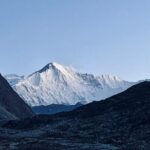
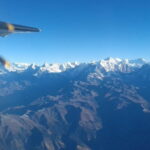
I like the mix of culture and scenery, not just high altitude. You get time in traditional Buddhist places, plus the visual swing from forested valleys with rhododendrons and pine to the stark, barren drama of the Khumbu icefall area, often framed by huge mountain views.
One consideration: you’re working with altitude and weather. This trek needs good conditions, and it’s built for trekkers with at least moderate fitness, so plan for slow days and cold nights.
In This Review
- Key highlights worth knowing before you go
- Everest Base Camp on 15 days: what the experience really feels like
- Kathmandu meet-up and the early start that sets the tone
- Sherpa villages and monasteries: culture stops that add meaning to the miles
- From pine and rhododendrons to Khumbu icefall terrain
- Lodge nights: warmth, routine, and staying sane at altitude
- Altitude, fitness, and pacing for a 15-day Everest trek
- What you’re paying for: value in the $2,400 price
- Logistics that can trip you up: what to plan for
- Who should choose this Everest Base Camp trek
- Should you book Everest Base Camp with Sherpa Expedition & Trekking?
- FAQ
- How much does the Everest Base Camp trek cost?
- How long is the trek?
- Where does the trek start?
- What time does the trek start?
- Do you offer pickup?
- Is this a private tour or shared group?
- What fitness level do I need?
- What’s included in the price?
- What’s not included?
- What happens if weather is poor or the minimum number of travelers isn’t met?
Key highlights worth knowing before you go
- Private group setup: Only your group participates, which usually means more personal pacing and fewer waiting gaps.
- Sherpa-led culture days: You’ll move through traditional Sherpa communities and see Buddhist customs up close.
- Lodge nights with real comfort: Clean, scenic lodges mean you can warm up after trekking and focus on recovery.
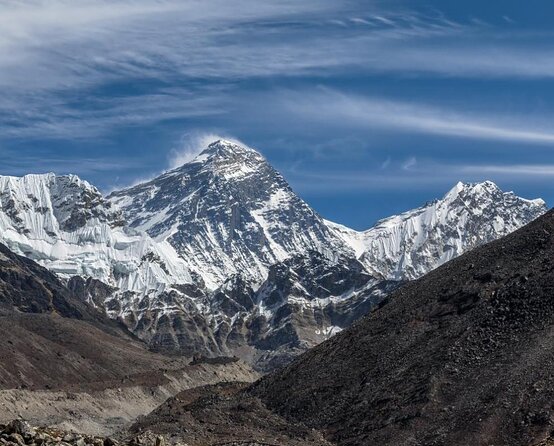
- Big scenery range: Expect pine and rhododendrons early, then a sharper shift toward icefall glacier terrain.
- Support that makes the trek feel manageable: Guides and porters can help with practical load-sharing, including day-bag carry when needed.
- Kathmandu start time is early: 6:15 am start helps you get the trek rhythm in place.
Everest Base Camp on 15 days: what the experience really feels like
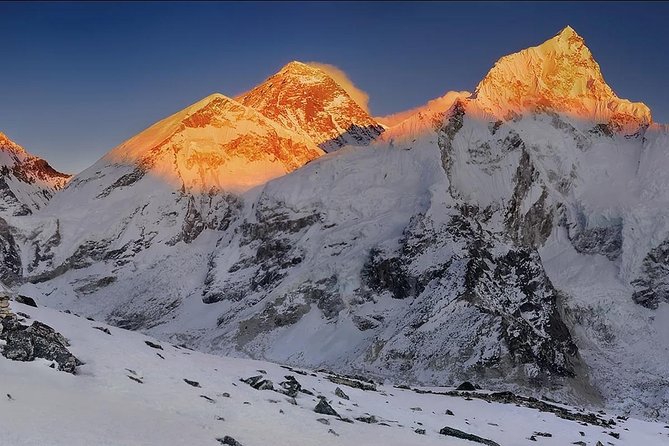
Everest Base Camp isn’t just a destination. It’s a long, gradual education in how the mountains work—how quickly the air thins, how the weather can change your plan, and how the local communities live and breathe around the big peaks.
On this route, you’re not only chasing altitude. You’re also getting the Sherpa side of the Khumbu—traditional villages, Buddhist culture, and monasteries sitting in the background of serious high-mountain views. That combination is why this feels different from a simple hiking trip: the trek has a storyline, not just a summit goal.
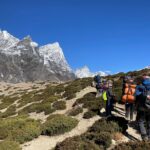
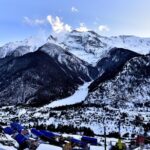
You’ll likely spend a chunk of your days moving through classic high-altitude Nepal terrain: alpine rhododendrons and pine forests at lower elevations, then later a more barren, glacial world around icefall scenery. Even without getting lost in technical detail, you can feel the transition in your body and your eyes. Trees give way to rock, then to ice-and-snow geometry, and suddenly everything looks more severe and more real.
And then there’s the lodge rhythm. This trek is designed for nights in clean scenic lodges, where you can eat well, warm up, and reset before the next day’s effort. That matters because the hardest part of Everest trekking is often not one steep climb—it’s the repeated daily grind at altitude. Lodges help you keep your routine, which helps your recovery.
You can also read our reviews of more hiking tours in Kathmandu
Kathmandu meet-up and the early start that sets the tone
Your trek starts back at the Sherpa Expedition & Trekking meeting point in Kathmandu, near public transportation, with a 6:15 am start time. If you’re arriving in Nepal and want a smoother first morning, the fact that pickup is offered can be a big help. You don’t have to scramble for transport when you’re still adjusting to a new country, new air, and new schedules.
This kind of early start can feel intense at first, but it’s practical. Getting moving early helps you beat the day’s traffic and weather changes in Kathmandu, and it helps your group establish a steady tempo right away.
Since this is a private tour/activity, your pace and needs matter more than fitting into a larger crowd. That usually translates into less time spent waiting, clearer communication with your guide, and a more natural rhythm for adjustments.
Sherpa villages and monasteries: culture stops that add meaning to the miles
Everest Base Camp trekking can become numbers and elevation charts if you let it. But the best versions keep pulling you back to the people who live there.
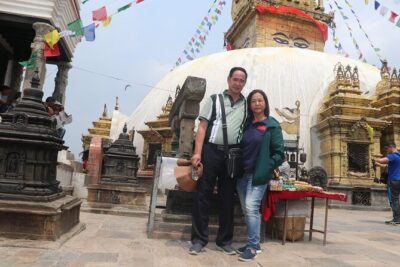
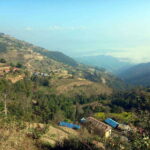
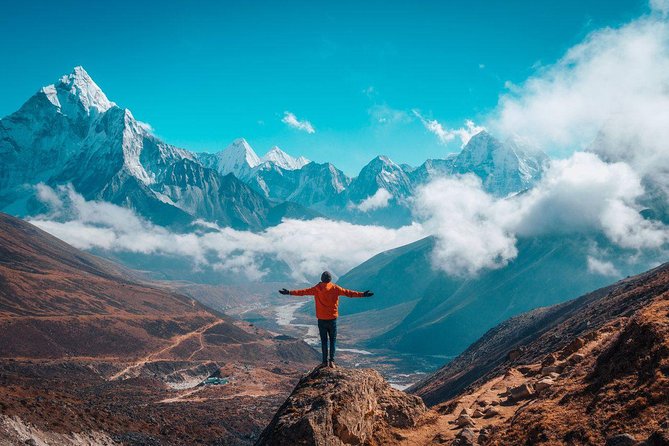
Here, you’ll explore traditional Sherpa villages and see Buddhist culture and customs along the way. That can mean monastery visits and heritage stops where you’re not just taking photos—you’re noticing how daily life connects to spiritual practice and mountain geography.
A good guide makes these pauses more than sightseeing. With guides such as Lakpa, Pasang, Buddha Tamang, and others highlighted in past trek experiences, the cultural moments tend to come with context: how communities adapt to altitude, why certain places matter, and how traditions shape everyday routines. That’s the sort of information that makes the trek stick in your head long after the photos fade.
The other nice benefit is mental. When the walking day feels long, these culture stops give your brain a change of pace. You get to shift from “step, breathe, climb” to “look, listen, understand.” It’s a small trick, but on a 15-day trek it can keep morale from sagging.
From pine and rhododendrons to Khumbu icefall terrain
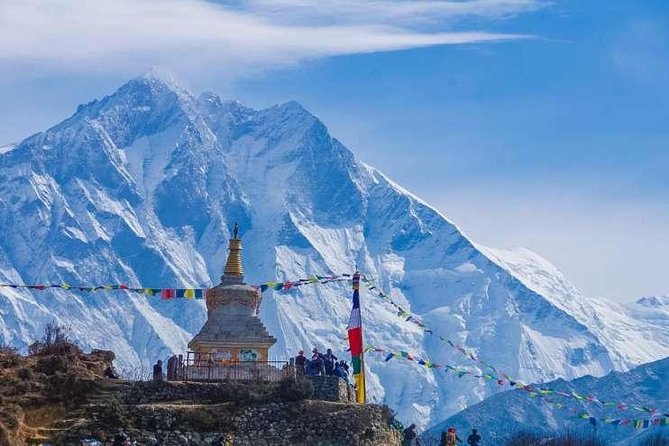
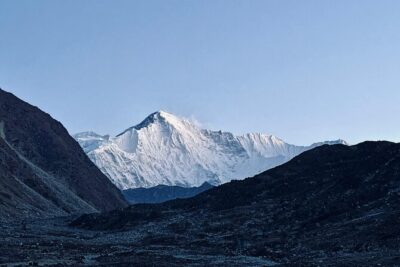
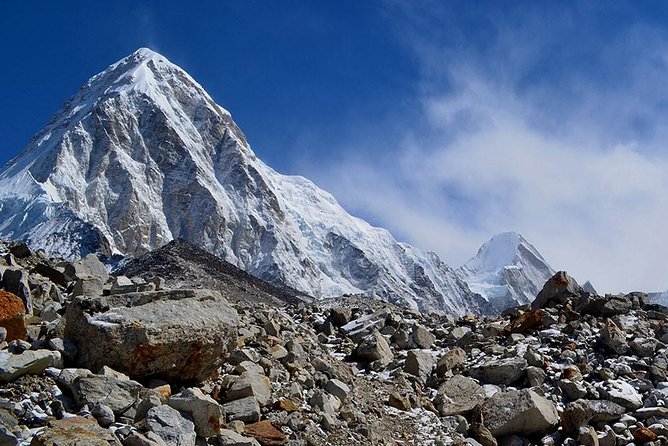
You’ll experience a real environmental shift on this trek. The route is described as moving through alpine rhododendron and pine forests, then later toward the barren Khumbu icefall glacier area.
That progression is more than scenery variety. It affects what you wear, how your body feels, and how your sense of safety plays out. Forested segments can feel more sheltered, while higher and more barren areas can be colder, windier, and less forgiving if conditions deteriorate.
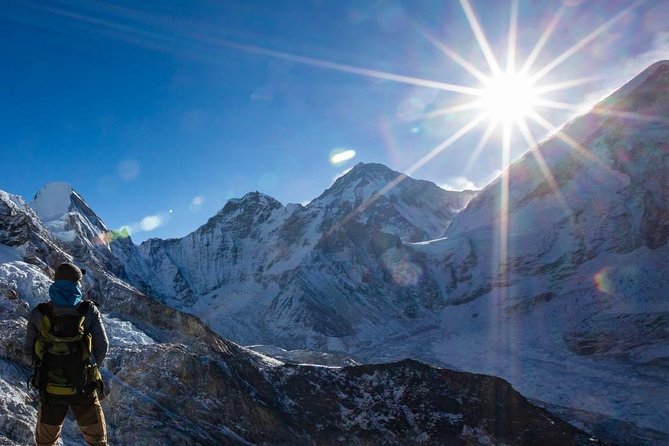
And then you hit the Khumbu icefall context. This part of the trek is known for that stark, glacier-heavy feel—ice, rock, and an openness that makes the altitude seem even more intense. Even if you’ve seen Everest imagery before, being this close to the ice world changes your perspective. It’s not the gentle “mountain postcard” feeling anymore. It’s a working, evolving natural zone.
Practical note: in cold, high-altitude environments, the goal isn’t to rush. The route works best when you keep your effort steady, breathe calmly, and let your body acclimate as you go. If you push too hard early, you’ll pay for it later, especially when the terrain turns colder and more exposed.
Lodge nights: warmth, routine, and staying sane at altitude
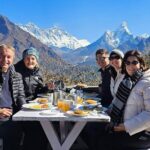
The trek is designed around staying overnight in warmth and comfort at clean, scenic lodges. That might sound like a simple amenity, but it’s actually one of the smartest parts of the plan.
When you’re trekking near high elevations, sleep quality affects altitude adjustment. If you’re tired, your recovery drops, and the next day feels harder. Lodges give you a predictable place to recharge: eat your meals, dry what you can, warm up, and get ready.
Meal service is also part of the included package. Dinner, breakfast, and lunch are included, which keeps you from having to make constant choices mid-trek. Food matters in altitude trekking: you need energy, you need something warm, and you need it when you’re hungry—not after you’ve wandered around trying to find the right snack option.
One more practical upside: a lodge base reduces stress. It’s easier to plan your day if your night is covered, rather than wondering what kind of shelter you’ll find at the end of each long walk.
Altitude, fitness, and pacing for a 15-day Everest trek
This experience calls for moderate physical fitness. That’s a helpful clue. You don’t need to be a marathoner, but you do need to be comfortable walking for multiple hours a day and managing fatigue over time.
A 15-day trek also means you’ll have time to adjust. That’s good news because altitude isn’t a one-time hurdle—it’s a slow buildup. Your pace needs to be conservative enough that you can keep moving without turning each day into a fight.
In past trek experiences highlighted by solo travelers and group trekkers, the best guides pay close attention to adaptation to altitude and keep your comfort and safety front and center. People like Gumbo and Tendi are specifically mentioned for making sure trekkers always felt safe and well looked after, with adaptation monitored as conditions changed.
So here’s the mindset that helps you get the most out of the trip: treat the trek like training for your body, not like a race for your legs. If you go slow enough, most of the “hard parts” become manageable rather than scary.
What you’re paying for: value in the $2,400 price
The listed price is $2,400.00 per person for about 15 days in the Everest region, and the included items matter.
You’re getting:
- Dinner, breakfast, and lunch
- Sleeping bag and duffel bag
- All fees and taxes
That’s value in three ways. First, meals remove a daily budgeting headache. Second, gear like a sleeping bag and duffel bag reduces what you have to pack or buy on short notice. Third, “all fees and taxes” means fewer surprise line items later.
What’s not included is also clearly stated, which helps you plan:
- Nepal visa
- Insurance
- Tips for guide/porter
- Snacks
- Alcoholic beverages and soda/pop
So the real question becomes: does the package feel fair for your style of travel? If you want a structured, guided trek where meals and basic gear are handled and you can focus on acclimation and enjoying the route, the price can make sense.
If you prefer maximum flexibility to self-organize, you may find the package less cost-friendly. But for many people, the cost is justified by the reduction in decision fatigue and the practical support system that keeps the trek flowing.
Logistics that can trip you up: what to plan for
Even the best trek can get complicated if you’re not ready for the small stuff.
Start time is early, and pickup is offered, which helps. Still, Kathmandu mornings can be unpredictable. Build buffer time around the 6:15 am start so you’re not rushing.
Weather is another big factor. This experience requires good weather. If poor weather cancels the trek, you’ll be offered a different date or a full refund. That’s not a downside—it’s the reality of high-altitude travel.
Also consider what you’ll need to bring personally since some things are not included. Snacks are not included, and that matters because hunger can hit when you’re tired or cold. Alcohol and soda/pop aren’t included either, so you’ll want to budget for drinks if that matters to you.
Finally, tips aren’t included. On a trek like this, tips support your guide and porters directly. If you’re unsure what to budget, it’s smart to plan it early rather than trying to figure it out while you’re exhausted.
Who should choose this Everest Base Camp trek
This trek fits well if you:
- Want a guided experience rather than self-navigation
- Prefer private group comfort over mixing with strangers
- Care about Sherpa culture and Buddhist heritage, not just walking to a point on a map
- Appreciate clean lodge nights and included meals to protect sleep and recovery
- Have at least moderate fitness and realistic expectations about altitude and daily effort
It may not be the best match if you:
- Want a low-cost, highly DIY style of trekking
- Plan to skip acclimation pacing and push hard every day
- Are not comfortable with weather-related changes, since the trek depends on good conditions
Should you book Everest Base Camp with Sherpa Expedition & Trekking?
If your goal is a well-supported Everest Base Camp trek with Sherpa culture, lodge comfort, and guided help that keeps you safe and moving, this is a strong option. The included meals and basic trekking gear reduce stress, and the private format tends to make the whole experience feel less chaotic.
Book it if you’re the type who enjoys the journey as much as the endpoint—forest to icefall, monastery pauses, big mountain views, and day after day of steady trekking at altitude.
Don’t book it if you need a guaranteed itinerary no matter what weather does. This experience depends on conditions, and being flexible is part of the deal.
If you’re unsure, your best move is to be honest about your fitness, bring snacks to cover your personal needs, and pick a travel window where you can handle a possible reschedule. That combination makes Everest feel like a life-changing trip instead of a stressful one.
FAQ
How much does the Everest Base Camp trek cost?
The price is $2,400.00 per person.
How long is the trek?
It’s listed as approximately 15 days.
Where does the trek start?
It starts at the Sherpa Expedition And Trekking meeting point on Chaksibari Marg, Kathmandu 44600, Nepal.
What time does the trek start?
The start time is 6:15 am.
Do you offer pickup?
Pickup is offered.
Is this a private tour or shared group?
This is a private tour/activity. Only your group will participate.
What fitness level do I need?
Travelers should have a moderate physical fitness level.
What’s included in the price?
Dinner, breakfast, and lunch are included, along with a sleeping bag and duffel bag. All fees and taxes are included too.
What’s not included?
Not included are Nepal visa, insurance, tips for guide/porter, snacks, alcoholic beverages, and soda/pop.
What happens if weather is poor or the minimum number of travelers isn’t met?
The experience requires good weather. If it’s canceled due to poor weather, you’ll be offered a different date or a full refund. If it’s canceled because the minimum isn’t met, you’ll be offered a different date/experience or a full refund.