REVIEW · KATHMANDU
Everest Base Camp Trek 14 Days
Book on Viator →Operated by Nepal Nirvana Trails · Bookable on Viator
Lukla to Everest Base Camp is pure Himalayan drama. This 14-day trek is interesting because you get real altitude strategy, not just big promises: Kathmandu to Lukla by air, then days of climbing through Sherpa villages toward Base Camp. I also like that you’re set up for success from the start, with airport pickup and a guide meeting in the evening, plus an equipment check so you don’t show up underprepared. And I like the built-in acclimatization days in Namche and Dingboche, where the views reward the slow, smart pace.
What you’ll like most, in plain terms, is how the trip balances effort and recovery. You’ll walk long enough to feel the trek, but you also get intentional breathing room at key points. Another win: the route is framed around classic highpoints, from the Everest View Point above Namche to the Kalapatthar climb near the end, so your effort connects to specific, memorable viewpoints.
One possible drawback: the price includes a lot, but not everything. Your own accommodation and food during the trek aren’t included, so you’ll need to plan extra spending for tea house nights and your meals along the way. Also, the schedule is built around early starts and flight timing, so if you’re very sensitive to travel-day uncertainty, you should go in with flexibility.
In This Review
- Fast Facts: What Makes This EBC Trek Work
- Why This 14-Day Everest Base Camp Plan Feels Real
- Kathmandu in Thamel: Gear Check Before the Climb
- The Lukla Flight Day: Where the Trek Truly Starts
- Namche Bazaar and the Everest View Point: Acclimatization With a Prize
- Tengboche Gompa: Forest Trails and Spiritual Quiet
- Dingboche and Its Altitude Rhythm: Panoramas and Smart Choices
- Lobuche: Rougher Ground and a Closer Icefall Feeling
- Everest Base Camp Day From Gorakshep: The Walk to the Edge
- Kalapatthar Morning: Your Best Shot at the Big Final Views
- Heading Back to Namche and Lukla: Familiar Trails, New Fatigue
- Back to Kathmandu in Thamel Mode
- Price and Value: What $999 Covers (and What It Doesn’t)
- Guides and Support: Why It Matters More at 5,000m+
- Who Should Book This Everest Base Camp Trek
- Should You Book This Everest Base Camp Trek?
- FAQ
- Where does this Everest Base Camp trek start and end?
- What time does the experience start?
- Are airport transfers included?
- Are flights included in the price?
- What permits are included?
- What is included for the guide?
- What is not included?
- Is this a private tour?
Fast Facts: What Makes This EBC Trek Work
- Lukla flights are baked in, including your Kathmandu/Manthali to Lukla segment and the Lukla back flight timing.
- Two acclimatization days (Namche and Dingboche) help you climb higher more safely and comfortably.
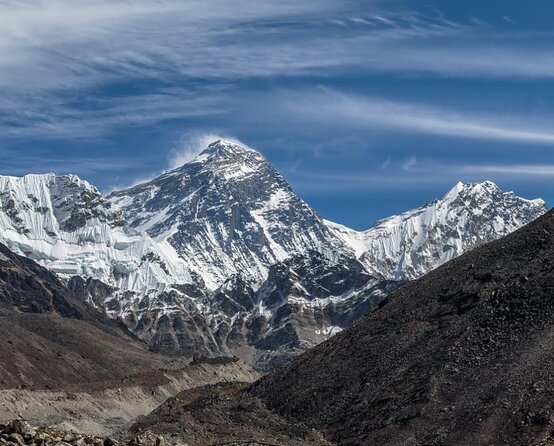
- Classic viewpoint hits: Everest View Point (via an Everest Hotel area) and Kalapatthar for big final panoramas.
- Permits included: TIMS and local permits, plus Sagarmatha National Park access.
- Private group format, so you’re not sharing your pace with random strangers.
Why This 14-Day Everest Base Camp Plan Feels Real
Everest Base Camp is the kind of goal that can turn into a stress test if the logistics are sloppy. This style of trek is built to reduce that risk. You fly into the Khumbu region, then follow a route that gradually increases altitude while still giving you dramatic scenery day after day.
I like that the plan is structured around human needs: adjust, walk, rest, then go again. You start with a familiar setup in Kathmandu, then shift into trekking rhythm—dense forests early on, busier village hubs like Namche mid-trek, then tougher, rockier ground as you approach the Base Camp zone.
And yes, the trek delivers the wow factor. You’ll be able to see Everest and nearby giants on viewpoint days, and you’ll also get close to the icefall atmosphere once you reach Gorakshep and walk out to Base Camp.
You can also read our reviews of more hiking tours in Kathmandu
Kathmandu in Thamel: Gear Check Before the Climb
Day 1 is all about getting you organized. After your arrival, an airport representative meets you and escorts you to your hotel or hostel in Kathmandu. In the evening, you meet your guide and do an equipment check—this is the small step that prevents big problems later.
Thamel is convenient for first-day logistics because it’s where you can sort out last-minute needs—boots that aren’t broken in yet, warm layers, gloves, or anything you forgot. Even if you don’t plan to shop much, it helps to have that easy access on Day 1 rather than discovering issues at altitude.
Practical tip: take the equipment check seriously. If your pack is bulky or your layers don’t layer well, you’ll feel it on day 2 when you’re adjusting to trekking temperatures and climbing pace.
The Lukla Flight Day: Where the Trek Truly Starts
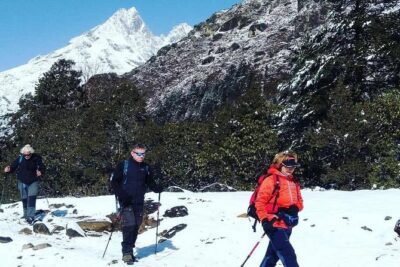
Day 2 begins with a flight to Tenzing Hillary Airport in Lukla, then a walk up to Phakding village for the night. This is the point where the trip stops feeling like a city vacation and starts feeling like the Himalaya.
The big advantage here is that the flight is included and scheduled as part of the package. Your airport transfer and the local flight schedule are handled, which reduces the chance of last-minute scrambling. Still, you should remember that mountain air travel can be weather-dependent—so build a mindset of patience.
Phakding is a good first trekking night. It’s not too high, so you can settle in and start moving with less pressure. It also sets you up for the next day’s climb toward the park area and Namche Bazaar.
Namche Bazaar and the Everest View Point: Acclimatization With a Prize
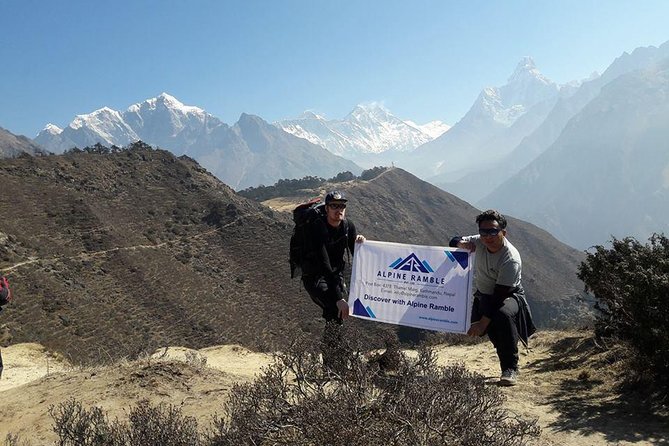
Day 3 takes you through a classic corridor: you cross the Dudh Koshi river, pass Monjo village, and enter Sagarmatha National Park. Then you walk through dense forests before reaching Namche Bazaar.
Namche is one of the key nodes of the Khumbu region. It’s where you feel both the local rhythm and the growing altitude pressure. You’ll likely notice the air feels thinner and the pacing feels different, even if the walking isn’t the hardest day.
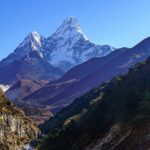
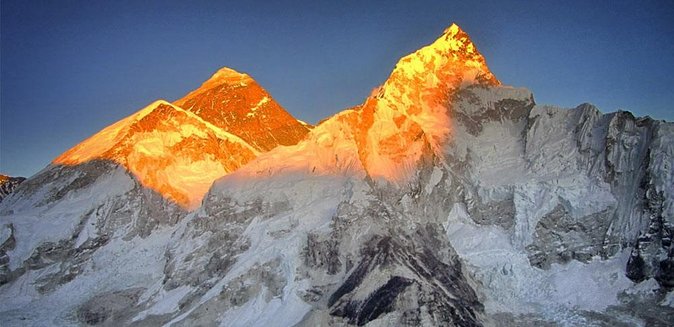
Day 4 is your first acclimatization day. You’ll stay in Namche and hike up to an Everest Hotel area viewpoint—often called the Everest View Point. From there, you can see Mount Everest alongside Ama Dablam, Thamserku, Lhotse, and more.
This is one of the smartest parts of the plan. You’re not just “resting.” You’re moving enough to help your body adapt, but you’re doing it in a controlled way. If you’re the type who hates wasting a day, this viewpoint hike gives you a reason to rest without feeling like you’re losing progress.
Tengboche Gompa: Forest Trails and Spiritual Quiet
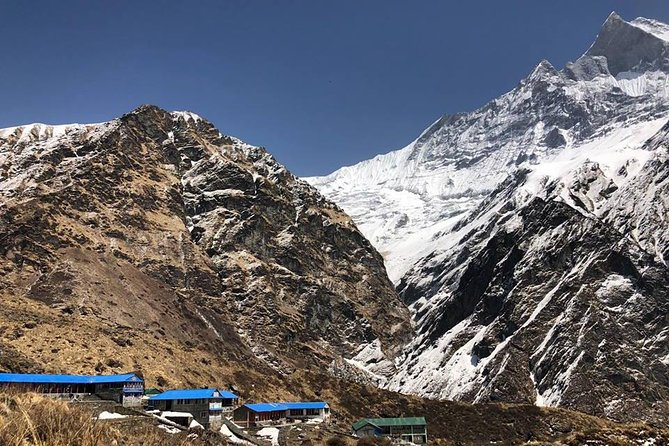
Day 5 moves you from Namche toward Tengboche, passing through juniper and rhododendron forests. Along the way, you get mountain views that feel more frequent than the early forest days, and you reach a major cultural stop: Tengboche Gompa.
Visiting the monastery is a meaningful break in a trek that can otherwise be only sweat and scenery. It gives you a different angle on the region—Sherpa culture isn’t just a background detail. It’s part of what you’re walking through.
One consideration: Tengboche days can feel long and chilly. If you’re cold easily, you’ll want dependable gloves and a layer that works when the wind shifts.
Dingboche and Its Altitude Rhythm: Panoramas and Smart Choices
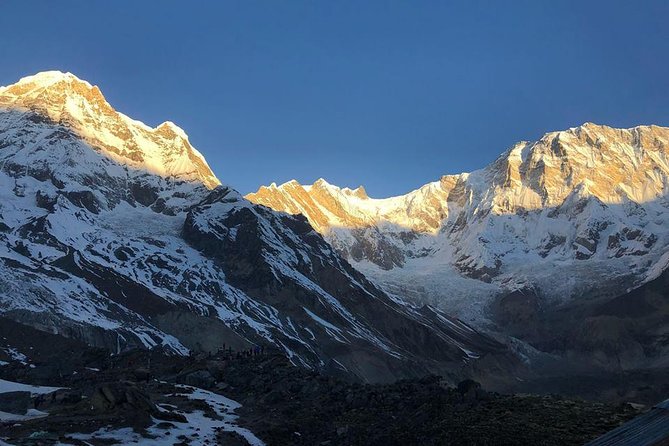
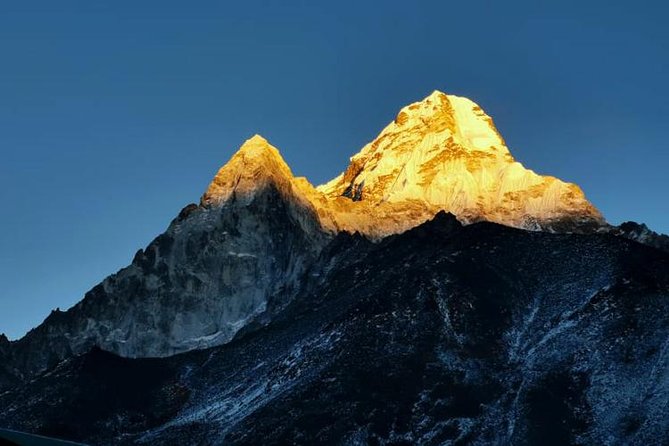
Day 6 takes you to Dingboche. You cross the Imja Khola, and the trail begins to open into bigger mountain panoramas—think Island Peak and Ama Dablam appearing more clearly as you gain altitude.
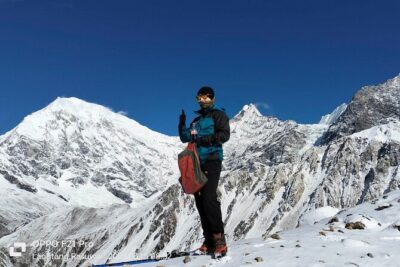
Day 7 is your second acclimatization day, and this one comes with options. You can hike to Nangkartshang Peak (5083 m) or to Chhukung Ri (5546 m). The point isn’t just the summit feeling—it’s training your body to handle altitude while still giving yourself a choice.
If you want the best chance of enjoying your high-altitude days without getting worn down, choose the option that matches how you feel that morning. Push only as much as your energy and breathing allow.
This is also where Sherpa village life becomes more about high-altitude survival than village bustle. You’ll see how everyone has adapted—where meals are, where people rest, and how routine changes as altitude climbs.
Lobuche: Rougher Ground and a Closer Icefall Feeling
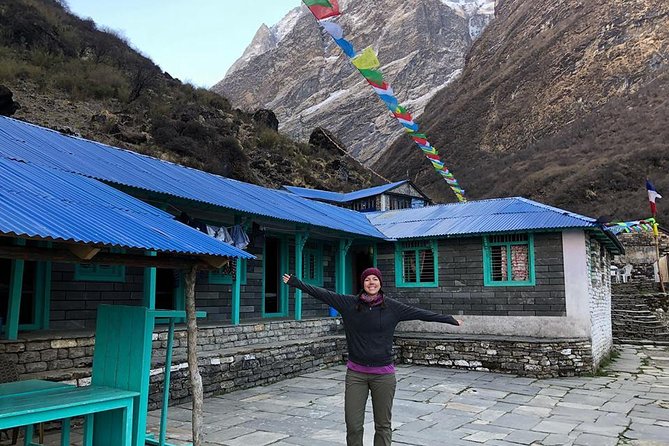
Day 8 moves toward Lobuche. The trail is described as uneven and rocky, and you’ll notice the change. This is the phase where the walk stops being gentle and turns more physical.
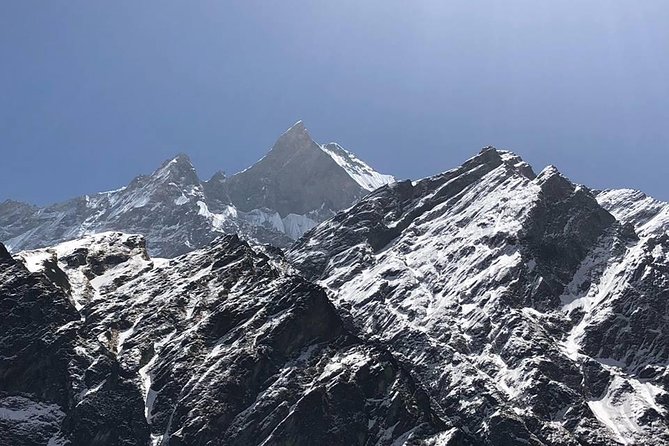
Views become sharper and more direct: Pumori, Nuptse, Lobuche Peak, and surrounding peaks often sit in your sightline with less tree cover blocking things. It’s a good reminder that you’re not far from the Base Camp zone now—you’re just still paying for altitude with your legs.
Practical tip: if your knees get cranky on rough trails, start protecting them early with careful foot placement. This is also a good day to check your socks and consider blister prevention if you’ve had any hot spots.
Everest Base Camp Day From Gorakshep: The Walk to the Edge
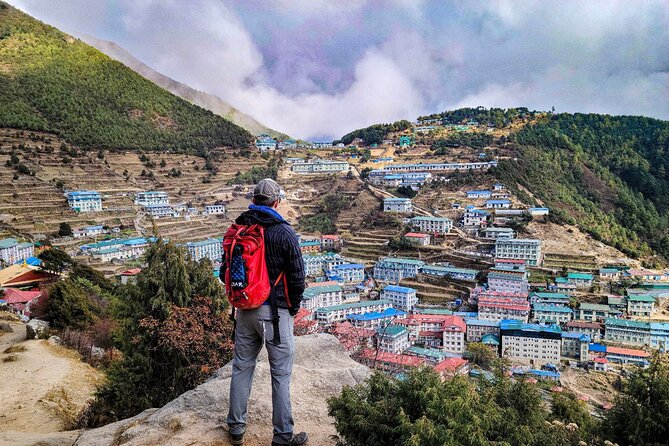
Day 9 is a long one. You’ll trek through the Khumbu Glacier area to Everest Base Camp, then return to Gorakshep. This is the day with the signature payoff: you can view the Khumbu icefall from the Base Camp area.
The emotional part is obvious. The practical part is endurance. This is where you’ll want to keep your effort steady. Don’t sprint early because you’ll pay later.
Also, manage expectations. At Base Camp, conditions can feel harsher than you’d guess from photos. Wind, cold, and strong light can change quickly. Having layers that you can adjust on the fly matters more than a single perfect outfit.
Kalapatthar Morning: Your Best Shot at the Big Final Views
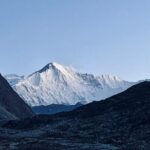
Day 10 brings the hike to Kalapatthar, where views of Everest and the surrounding peaks can be stunning. After that, you trek down to Pheriche.
This is an important design choice. Base Camp gives you the goal. Kalapatthar gives you the view angle that helps the whole journey click into place. Many people remember this morning because it’s one of the few times you’re higher than the main camp vibe while still close enough for clarity.
Then you descend to Pheriche. A descent day can feel easy until you remember gravity exists. Watch your step, keep your stride controlled, and let your legs recover while you still move.
Heading Back to Namche and Lukla: Familiar Trails, New Fatigue
Day 11 starts the return toward Namche Bazaar, crossing suspension bridges and passing villages. Day 12 continues to Lukla with stops like Jorsale and Monjo, then the walk back toward Phakding before reaching Lukla.
This return stretch often feels different psychologically. You’ve already done the tough part, so your mind wants to relax, but your body is still tired. The trail can also feel longer on the way back because you’re not climbing toward a fresh objective each day.
The good news is that the route you follow is the one you’ve already learned. That means fewer surprises about pacing, altitude effects, and what each day tends to feel like.
Back to Kathmandu in Thamel Mode
Day 13 includes an early morning flight back to Kathmandu, about 35 minutes. After landing, you have free time for the rest of the day—usually a good window to walk Thamel again, buy souvenirs, and eat something that doesn’t come with trekking altitude rules.
Day 14 ends with a drop to your hotel or the airport.
A small but useful mindset here: after an Everest Base Camp trek, even a simple walk through Kathmandu can feel unreal. Take the time to process the scale of what you did and to thank the people who helped make it run smoothly.
Price and Value: What $999 Covers (and What It Doesn’t)
This trek lists a price of $999 per person. What makes it feel like more than just a marketing number is what it includes.
Included items cover the big-ticket trip components:
- Flight tickets between Kathmandu/Manthali and Lukla, plus Lukla back to Kathmandu/Manthali
- Airport transfers and local flight schedule handling
- Guided support (guide salary, guide food, and insurances)
- Park permits: TIMS and local permits
- Official taxes and government VAT
- A mobile ticket and pickup offered
What’s not included is just as important:
- International flights
- Nepal entry visa
- Travel/health insurance that covers emergency rescue/evacuation
- Accommodation and food for you during the full trek
- Tips for the trekking guide (it’s expected)
So the real value question is this: you’re paying for the structure and the hardest logistics, while you fund your own day-to-day comfort at tea houses. If you plan your trekking budget thoughtfully—teahouse beds, meals, snacks—you’ll feel like the price makes sense.
If you prefer a fully packaged “everything included” model, this might not match your style because guest meals and lodging aren’t included.
Guides and Support: Why It Matters More at 5,000m+
When you’re climbing toward Everest’s backyard, small help becomes big help. This program is private, so your guide can adjust pace and support to your group rather than forcing a one-size routine.
You’ll also see the operator’s leadership name, KP Dhital, pop up in communications and team responses. Across different guide names tied to this trekking operation—people like Man Bahadur, Navraj, Raju, Roshan, Ram, Bhairas, Bala, and Abinash—the consistent theme is care and professionalism. That usually translates into practical support: checking in on how you’re coping, keeping plans moving, and helping you focus on the climb instead of logistics panic.
One more support angle: the permit setup and park access are handled. That’s not glamorous, but it saves time and confusion at the worst possible moment.
Who Should Book This Everest Base Camp Trek
This trek suits you if:
- You have moderate physical fitness and can handle a 14-day walking schedule with altitude changes
- You want a classic route with key acclimatization days
- You like the idea of a guided plan that keeps major logistics (especially flights and permits) in-house
- You appreciate a private group format for a steadier pace
You might want to think twice if:
- You hate early starts and flight timing uncertainty
- You want a fully all-inclusive price with your trek lodging and meals included
- You don’t want to manage day-to-day budgeting for tea houses and food
Should You Book This Everest Base Camp Trek?
Yes—if you want a structured, classic Everest Base Camp trek with flights, permits, and guide support handled, this can be a good value for the planning effort you save. The standout feature is the way it treats acclimatization as real work, not a checkbox. Namche and Dingboche aren’t just “stops”; they’re designed to help you enjoy higher days more instead of just surviving them.
Book it if you’re comfortable covering your own tea house nights and meals, and if you’re ready to train your pacing for rougher ground as you approach Lobuche and Gorakshep. Skip it if you’re looking for an ultra-luxury, all-inclusive package with zero extra budgeting, because the trek costs don’t end with the listed $999.
In other words: this is a solid way to chase Everest Base Camp without letting logistics steal your energy. Just go in informed, pack smart, and respect the altitude rhythm.
FAQ
Where does this Everest Base Camp trek start and end?
It starts in Kathmandu (the meeting point is listed at Nepal Nirvana Trails in Thamel) and ends back in Kathmandu.
What time does the experience start?
The start time is listed as 5:45 am.
Are airport transfers included?
Yes. The tour includes arrival and departure airport transfer services.
Are flights included in the price?
Yes. The trek includes flight tickets from Kathmandu or Manthali to Lukla, and from Lukla back to Kathmandu or Manthali, along with the local flight schedule.
What permits are included?
All applicable national park TIMS and local permits are included.
What is included for the guide?
Guide salary, food of the guide, and insurances related to the trip cost are included.
What is not included?
International flight tickets, Nepal entry visa, travel and health insurance that covers emergency rescues and evacuations, accommodation and food of guests during the trek, and tips for the trek guide are not included.
Is this a private tour?
Yes. It’s listed as a private tour/activity, so only your group will participate.