REVIEW · KATHMANDU
Short Everest Base Camp Trek 10 Days
Book on Viator →Operated by Eco Holidays Nepal · Bookable on Viator
Everest Base Camp feels close, but it’s not easy. In 10 days you’ll ride the buzz of Kathmandu to Lukla flights, walk into the Khumbu region, and reach Everest Base Camp with views of multiple 8000m peaks along the way.
What I like most is how the trip is set up to keep things simple: meals are included (breakfast, lunch, dinner), and you’re not stuck figuring out food at elevation every day. You also get helpful support from a team that’s earned a strong reputation, with guides like Pradeep and Dhruba Dharel showing up in feedback as calm, organized, and safety-focused.
The other standout is the included trekking kit. You get a sleeping bag, down jacket, and duffel bag that’s returned after the trek, which cuts down both upfront costs and hassle in Kathmandu. The only real drawback to think about is that this is a short EBC plan, so you’ll need to handle altitude carefully and move at a sensible pace, especially if you’re prone to getting winded fast.
In This Review
- Key highlights worth your attention
- Short Everest Base Camp: What This 10 Days Really Delivers
- Kathmandu Arrival to Lukla: The Flight Day That Sets the Tone
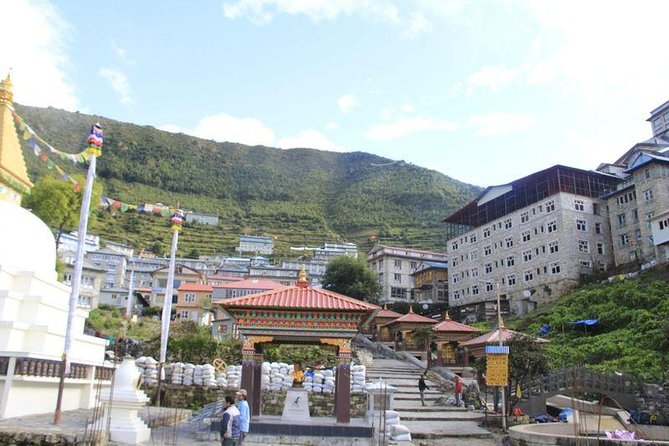
- Dhudhkosi Valley to Namche Bazaar: Sherpa Capital Time (Not Just a Stop)
- Tyangboche Monastery: When the Views Come With Meaning
- Khumbu Glacier and Icefall Zone: The Part That Makes It Real
- Arriving at Everest Base Camp: What You’ll Feel at the Foot of the Giants
- Included Gear and Tea Houses: Comfort Details That Matter at Elevation
- Guides, Safety, and the Difference Between Chaos and Calm
- Price and Logistics: Is $1,690 Good Value for a Short EBC?
- Who This Trek Suits Best (and Who Should Consider Another Plan)
- Should You Book This Short Everest Base Camp Trek?
- FAQ
- Where is the meeting point in Kathmandu?
- What’s included in the trek price?
- What is not included?
- How fit do you need to be?
- Is this a private tour?
- How long is the trek?
- What happens if weather is poor?
Key highlights worth your attention
- Lukla flights included in both directions, so you’re not guessing schedules or arranging separate transport.
- Namche Bazaar time on the way—enough to understand Sherpa life and not just pass through.
- Tyangboche Monastery stop, an old place that gives the whole trek a different rhythm.
- Khumbu glacier and icefall area views on the route to the world’s biggest mountain.
- Tea house accommodation during the trek, with meals handled for you.
- Private tour setup, meaning your group stays together rather than mixing with strangers mid-trek.
Short Everest Base Camp: What This 10 Days Really Delivers
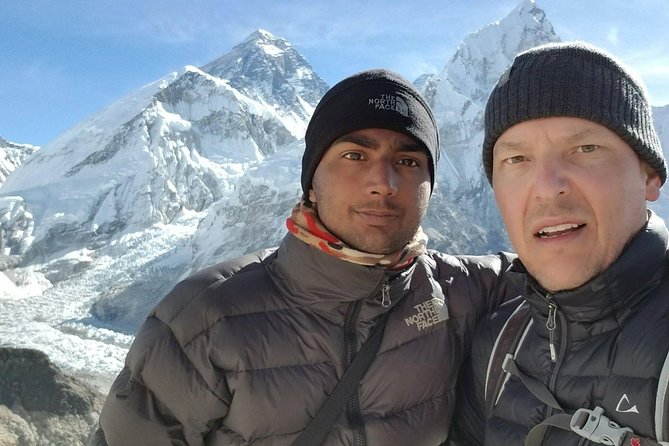
A short Everest Base Camp trek is a trade: you compress time, but you don’t compress effort. The payoff is that you can still experience the signature parts of the Khumbu without turning it into a month-long project. If you want the classics—Lukla, Namche Bazaar, the monastery, and the approach to the glacier zone—this format is built for that.
You’re also paying for a lot of the “hidden” logistics. This package includes both-way flights Kathmandu–Lukla–Kathmandu, air-conditioned vehicle and pickup, all fees and taxes, and tea house stays. Add in the daily breakfast, lunch, and dinner, plus returnable trekking gear, and it starts to look less like a basic tour and more like a mostly-managed trek.
The key question for you is comfort vs. control. This itinerary keeps you moving through the big sights, with structure already decided. If you like a clear plan and don’t want to constantly make decisions at altitude, you’ll likely feel grateful for the setup.
You can also read our reviews of more hiking tours in Kathmandu
Kathmandu Arrival to Lukla: The Flight Day That Sets the Tone
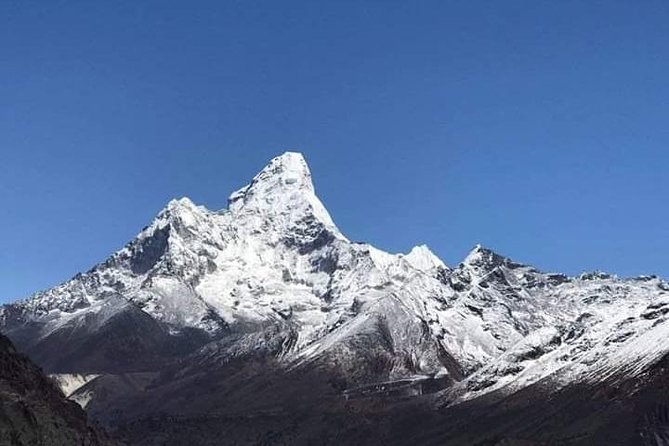
For most people, the trek begins before your boots touch dirt. You start at Tribhuvan Airport in Kathmandu, and the trip includes the round-trip flights to Lukla. That matters because Lukla logistics can be stressful in real life—weather delays, schedule changes, and the fact that you’re traveling to a mountain airstrip.
On a route like this, the Lukla flight does two jobs:
- It saves you days of approach hiking.
- It gives you an immediate feel for the Khumbu region before you even start climbing.
I’d treat that flight day as your “watch weather and energy” day. Keep your camera charged, have layers ready, and don’t plan anything beyond the trek itself when you land. Once you’re in motion, you’ll be walking through the Dhudhkosi river valley, which is often the first big mental shift from Kathmandu life.
Dhudhkosi Valley to Namche Bazaar: Sherpa Capital Time (Not Just a Stop)
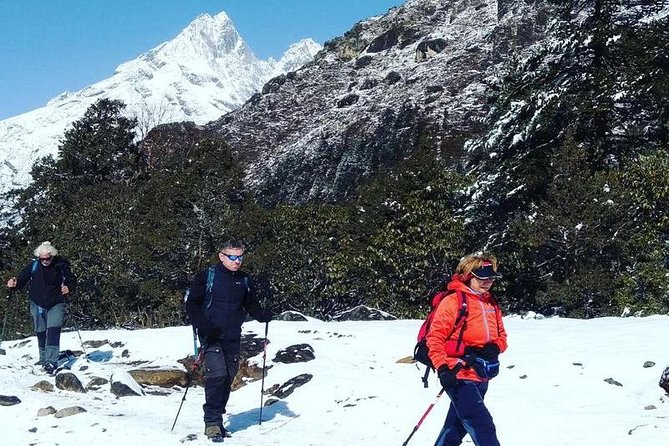
One of the best parts of this trek is that it doesn’t rush you through Namche Bazaar. Namche is the Sherpa capital, and it’s where you get a real sense of how people live, trade, and adapt to the mountains. In many trekking routes, Namche becomes a quick viewpoint moment. Here, you get time to breathe and absorb the place.
This is also where your body starts telling you what your schedule will allow. The Dhudhkosi river valley walking helps you build rhythm before the steeper sections. You’ll likely notice:
- the air feeling sharper,
- your legs working more even when the trail seems gentle,
- and the way altitude changes how you move.
A practical tip: treat Namche like a checkpoint for pacing. Don’t force extra speed just because other trekkers are moving fast. This trek is “short,” which means your plan depends on smart effort, not heroic effort.
Tyangboche Monastery: When the Views Come With Meaning
The trek’s spiritual and cultural anchor is Tyangboche Monastery, described as an old monastery and a major moment on the route. This stop matters because it changes the tone of the trek. You’re not just chasing altitude milestones—you’re stepping into the religious heartbeat of the region.
Even if you don’t attend ceremonies, the monastery area gives you:
- a calmer rhythm,
- a sense of continuity (this region isn’t a theme park),
- and often some of the clearest mountain-picture vibes when skies cooperate.
It’s also a useful altitude marker. You’ll usually feel the thinner air more strongly by the time you reach this zone, so the monastery stop can help you slow down and observe. In practical terms, that means less rushing, more taking in what your body is telling you, and better chances of keeping a steady pace to the higher zones.
Khumbu Glacier and Icefall Zone: The Part That Makes It Real
Eventually, you move toward the Khumbu glacier and the icefall area. This is where the Everest story stops being a poster on a wall and becomes a visual reality: ice, steepness, and the scale of the mountain system.
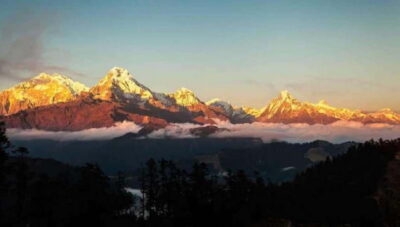
You’re also there to see the big neighbors—peaks higher than 8000m around Everest. That matters because it’s easy to think only Everest is the story. In reality, the entire skyline belongs to the Himalaya, and this trek gives you a front-row seat.
One consideration: the glacier and icefall region isn’t a place for careless behavior. The terrain and conditions can demand extra focus, and weather can change fast. So if you’re tempted to move slowly only because you’re tired, don’t. Move slowly because you’re attentive.
Your guide support matters here. In feedback tied to this operator, guides like BK and Susil are described as experienced and detail-minded, which is exactly what you want when conditions tighten.
Arriving at Everest Base Camp: What You’ll Feel at the Foot of the Giants
Reaching Everest Base Camp is the obvious target, but the real value is how it builds. You don’t just arrive—you’ve already walked through:
- the river valley approach,
- the Sherpa hub of Namche Bazaar,
- the monastery zone at Tyangboche,
- and the glacier/icefall gravity of the Khumbu.
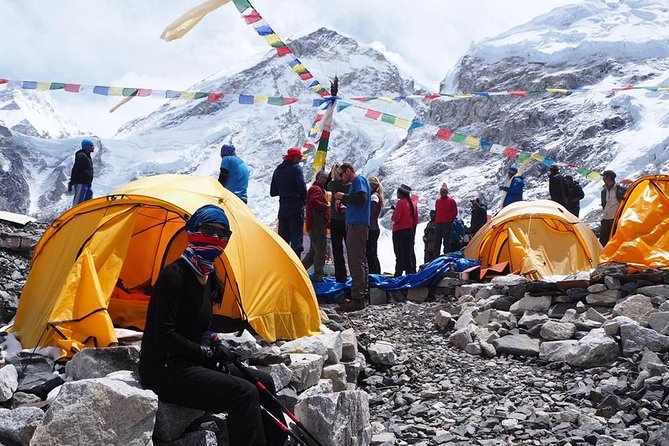
At Base Camp, you’re at the foot of Mount Everest, with neighboring giants towering nearby. Even if you’ve seen photos, it’s the difference between “watching” and “standing in the scene.”
What to do with that moment:
- Take your time, especially if you feel breathy.
- Don’t burn energy chasing photos for an extra hour if your body is already working hard.
- Save your strength for the return—because the trek isn’t done once you’ve reached the landmark.
Included Gear and Tea Houses: Comfort Details That Matter at Elevation
This package handles a lot of the “stuff” that trips people up. You get:
- Tea house accommodation during the trek,
- sleeping bag and down jacket (returnable after the trek),
- a duffel bag for carrying your kit,
- a route map,
- and breakfast/lunch/dinner daily.
Why this is valuable: at altitude, comfort affects stamina. If you’re colder than expected, you don’t sleep well, and poor sleep turns into slower walking. With the down jacket and sleeping bag included, you reduce the risk that your gear choice becomes the weak link.
Tea houses also make the trek more manageable because you’re not planning every meal from scratch. One small caution: the package doesn’t include everything at tea houses. It lists coffee and/or tea as not included, along with bottled water, alcohol, and soda/pop. So you’ll want cash on you for small extras and to keep yourself hydrated properly.
If you’re trying to travel light, this setup is a plus. If you like controlling every gear choice yourself, you might compare the included kit to what you already own—but for many people, the bundled approach is a win.
Guides, Safety, and the Difference Between Chaos and Calm
This is the part you’ll notice most when something goes slightly off-script. Reviews tied to this operator highlight guides such as Pradeep, Dhruba Dharel, BK, and Susil as organized and helpful—people who manage the details and keep you safe.
That kind of guiding matters because Everest Base Camp isn’t just about walking. It’s about decision-making in changing conditions:
- how fast to go,
- when to slow down,
- how to respond if weather shifts,
- and how to keep morale steady when you’re tired.
This tour is also private: only your group participates. That’s a real quality-of-life difference. You’re not forced into the pace of strangers who might be walking too fast or too slow for your group’s altitude plan.
Price and Logistics: Is $1,690 Good Value for a Short EBC?
At $1,690 per person for about 10 days, the price looks fair when you compare what’s inside the box. You’re not just paying for a guide to walk beside you. You’re paying for:
- round-trip flights Kathmandu–Lukla–Kathmandu,
- daily breakfast/lunch/dinner,
- tea house lodging,
- returnable cold-weather gear,
- pickup and an air-conditioned vehicle,
- and all fees and taxes.
What you’re not paying for is also clear. Hotel in Kathmandu is not included, travel insurance is not included, and porter is not included if needed. You’ll also want a budget for bottled water and hot drinks like coffee/tea.
My value check for you is simple:
- If you’d otherwise pay for Lukla flights + daily meals + gear + tea houses, then this package can be cost-effective and less stressful.
- If you already have everything (including gear and planning confidence), you could potentially build a cheaper trip yourself—but the hassle can cost you time and energy.
Who This Trek Suits Best (and Who Should Consider Another Plan)
This trek asks for moderate physical fitness. That’s honest, and it also means you should prepare like it’s a real climb effort, not a casual hike.
You’ll likely enjoy it if you:
- want the Everest Base Camp experience in a shorter timeframe,
- like having structure and meals handled,
- prefer a private group setup,
- and are comfortable with altitude walking when you’re moving uphill day after day.
You might want to rethink if you:
- struggle with stairs or steady uphill effort,
- have limited flexibility to handle weather delays,
- or know you get altitude symptoms quickly.
A final thought: since this is a short plan, pacing is everything. Go slower than your ego. Your body will thank you later.
Should You Book This Short Everest Base Camp Trek?
If you want the Everest classics—Lukla flight, Dhudhkosi valley walking, Namche Bazaar, Tyangboche Monastery, the glacier zone, and Everest Base Camp—in about 10 days, this is a strong option. The included gear and meals reduce everyday stress, and the private setup keeps your experience cohesive.
I’d book it if you like “mostly handled” travel: you show up, you follow the plan, and you focus on walking well. I’d also make sure you’re budgeting for the obvious extras that aren’t included, like travel insurance, your Kathmandu hotel, bottled water, and any porter support you decide you want.
One more practical note: the experience depends on good weather, so you’ll want mental flexibility for mountain conditions.
FAQ
Where is the meeting point in Kathmandu?
The trek starts at Tribhuvan Airport in Kathmandu, Nepal.
What’s included in the trek price?
It includes breakfast, lunch, dinner, an air-conditioned vehicle, all fees and taxes, both-way flights Kathmandu–Lukla–Kathmandu, return trekking equipment (sleeping bag, down jacket, and duffel bag), a route map, and tea house accommodation during the trek.
What is not included?
Not included items are coffee and/or tea, bottled water, alcoholic beverages, soda/pop, personal expenses, travel insurance, the hotel in Kathmandu, and a porter if needed.
How fit do you need to be?
The trip is for travelers with moderate physical fitness.
Is this a private tour?
Yes, it’s private. Only your group will participate.
How long is the trek?
The duration is listed as approximately 10 days.
What happens if weather is poor?
The experience requires good weather. If it’s canceled due to poor weather, you’ll be offered a different date or a full refund, and you can cancel up to 24 hours in advance for a full refund.