REVIEW · KATHMANDU
Private Kathmandu Sightseeing Tour | UNESCO World Heritage sites
Book on Viator →Operated by Breakfree Adventures Pvt. Ltd. · Bookable on Viator
Four UNESCO stops, zero stress.
This private Kathmandu tour is built for people who want big results without the daily scramble, thanks to hotel pickup and a professional English-speaking guide who explains what you’re actually seeing. You also get to choose how many UNESCO sites you tackle that day—2, 4, or 7—so the plan matches your stamina and your flight schedule.
The main thing to watch is cost creep: the tour price does not include monument entry fees, so you’ll want to budget extra in Nepali rupees depending on the number of UNESCO sites you select.
If you like a day that’s part guided walkthrough and part breathing room, this format can work well—especially when the guide keeps a steady pace and you’re not fighting traffic or hunting meeting points yourself.
In This Review
- Key points worth clocking
- Why this UNESCO day tour works in Kathmandu
- Picking 2, 4, or 7 UNESCO sites without overdoing it
- The logistics: pickup, private A/C car, and keeping your day on track
- Stop-by-stop: what you’ll see and what to expect
- Swayambhunath Monkey Temple: the “high view” start
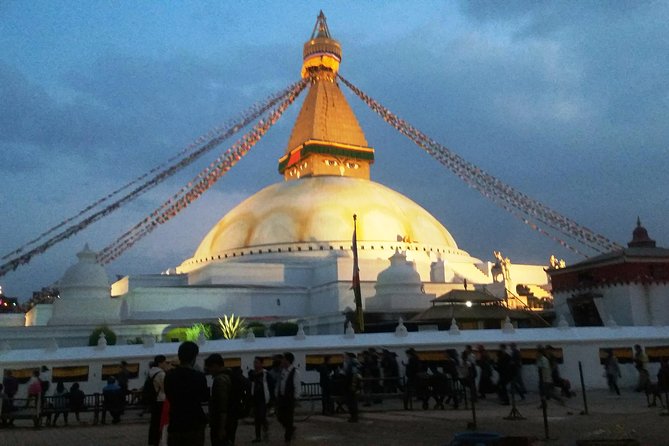
- Boudhanath Stupa: a major Buddhist gravity well
- Pashupatinath Temple: Hindu ritual energy (and a key access rule)
- Patan Durbar Square: royal power in stone
- Patan Museum and Patan Gate area: a quick culture bridge
- Thamel and Kathmandu city drive time: practical breaks and orientation
- Changu Narayan Temple: a shorter, focused heritage visit
- Bhaktapur Durbar Square: the longer royal-square payoff
- Kathmandu Durbar Square: the city-center anchor
- Price and value: what $17 really buys (and what costs extra)
- Who this tour suits best
- One-day pacing: fast enough to cover, slow enough to enjoy
- Should you book this Kathmandu UNESCO tour?
- FAQ
- What UNESCO sites are included on the tour?
- Can I choose how many UNESCO sites to visit?
- Is hotel pickup and drop-off included?
- What’s included in the price?
- Are monument entry fees included?
- How long does the tour take?
- Is this a private tour?
- Can I take a lunch break during the tour?
- Are there restrictions on entering Hindu temples?
- Can I cancel and get a full refund?
Key points worth clocking
- Pickup from Kathmandu city-center hotels keeps your morning from turning into a scavenger hunt
- Two pacing styles in one day: guided stops plus time to wander and look closely
- UNESCO options (2 / 4 / 7 sites) let you match the valley to your time
- Temple access rules can affect what you see up close at Hindu inner areas
- A/C private transport matters in Kathmandu traffic
- Guides like Dipesh, Deepak, Bidhya, Shankar, and Razz are repeatedly praised for clear, respectful explanations
Why this UNESCO day tour works in Kathmandu
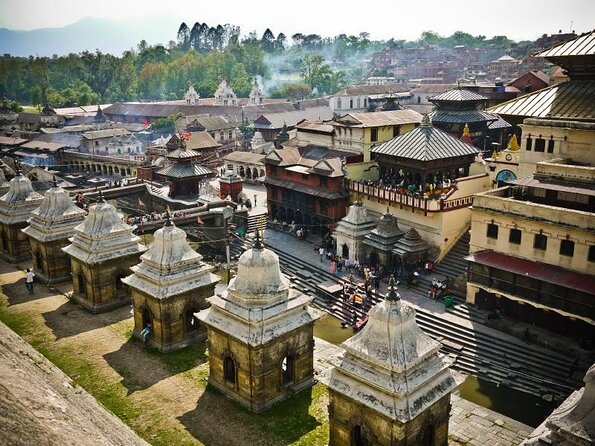
Kathmandu Valley is packed with layers: Hindu temples, Buddhist stupas, royal squares, and living traditions that still run on ceremony and faith. The hard part is not the sightseeing—it’s logistics. Distances add up, traffic can turn slow fast, and trying to stitch together multiple sites on your own is a hassle.
This tour solves a big chunk of that headache with a private vehicle and hotel pickup and drop-off. You’re not stuck figuring out where to meet, when to catch what bus, or which ticket desk you need first. Then you add an English-speaking guide who gives context as you go. That’s what turns a pile of monuments into a story you can follow.
The private setup also means you can move at your group’s rhythm. People who have done the 4-site version often say it feels like a strong introduction—enough to understand the city without exhausting yourself. If you choose the 7-site plan, you’ll see more, but you’re also trading comfort for quantity. Either way, having the plan held together by a guide makes the day feel smoother.
You can also read our reviews of more private tours in Kathmandu

Picking 2, 4, or 7 UNESCO sites without overdoing it
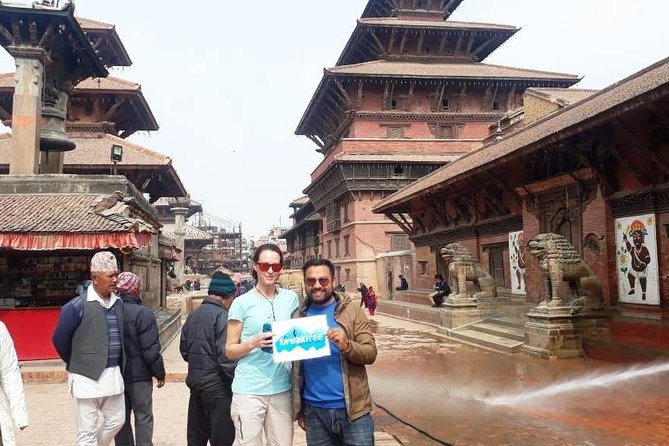
The tour is designed around one choice: how many UNESCO World Heritage sites you want in a single day. It’s not just math. It changes your day’s pacing, driving time, and how much time you’ll have to slow down and look.
Here’s the practical way to decide:
- 2 UNESCO sites are best if you’re short on time, recovering from travel, or you want to keep the day light.
- 4 UNESCO sites is the sweet spot for most first-timers who want a solid overview. You’ll get a mix of iconic religious sites plus a royal-square stop.
- 7 UNESCO sites is for people who want the full Kathmandu Valley UNESCO highlight reel in one push. It’s longer and it’s more intense, but it’s also the most efficient way to check off a lot.
One more detail: the tour’s entry fees scale with your UNESCO selection. So your choice affects your final spend.
The logistics: pickup, private A/C car, and keeping your day on track
Your day starts with hotel pickup and drop-off by a private vehicle, using an air-conditioned car. That’s a real upgrade in Kathmandu, where you’ll still deal with traffic—just not in a way that makes you feel cooked.
The tour includes:
- Professional English-speaking guide
- Private transportation with air conditioning
- All taxes
- Mobile ticket
Pickup is included from hotels in Kathmandu city-center areas. If you’re farther out, extra charges may apply. So if you’re staying at the edge of town, confirm the pickup point when you book.
Also, you’re not sharing this with random strangers. It’s a private tour—only your group—so you don’t have to compromise on pace or timing.
Stop-by-stop: what you’ll see and what to expect
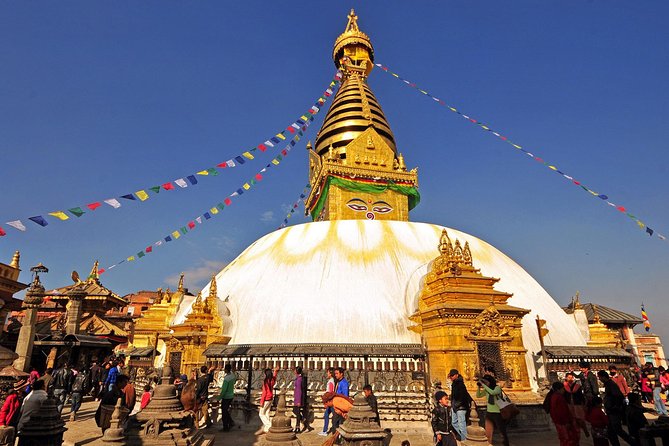
This is a UNESCO-heavy day, but the stops are chosen to show different sides of Kathmandu Valley: spiritual hubs, royal architecture, and city-center heritage zones.
Swayambhunath Monkey Temple: the “high view” start
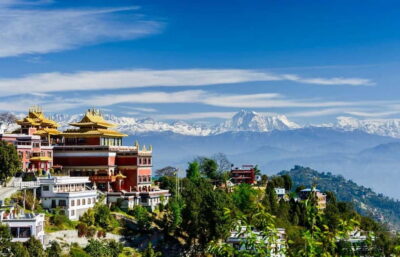
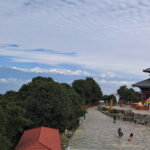
You’ll begin at Swayambhunath, often called the Monkey Temple. The itinerary sets this as a short visit (about 30 minutes). Admission is listed as not included for that stop.
What makes Swayambhu special is the way it gives you instant context. From the temple area, you get a sense of why the valley’s religious sites are so dominant—this is a place built for looking outward and connecting to the city’s spiritual center.
Quick heads-up: the monkey theme is real, so keep your attention on personal items and let your guide manage the flow if there are animals around.
You can also read our reviews of more historical tours in Kathmandu

Boudhanath Stupa: a major Buddhist gravity well
Next is Boudhanath Stupa, with about 1 hour here. Again, admission is listed as not included for this stop.
Boudhanath is one of the valley’s most recognizable Buddhist monuments, and the best part of going with a guide is the explanation of how the space works—ritual space versus just photo space. You’ll get time to observe people moving around the stupa area at their own pace while your guide fills in the why behind what you’re seeing.
If your timing lands you near lunch, consider asking your guide about a rooftop cafe overlooking Boudhanath. One guide-led itinerary included this kind of lunch stop, and it’s a good way to turn the “break” into something memorable.
Pashupatinath Temple: Hindu ritual energy (and a key access rule)
Then comes Pashupatinath Temple (listed twice in the itinerary with about 1 hour each time). Admission is not included for these blocks.
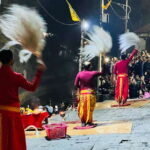
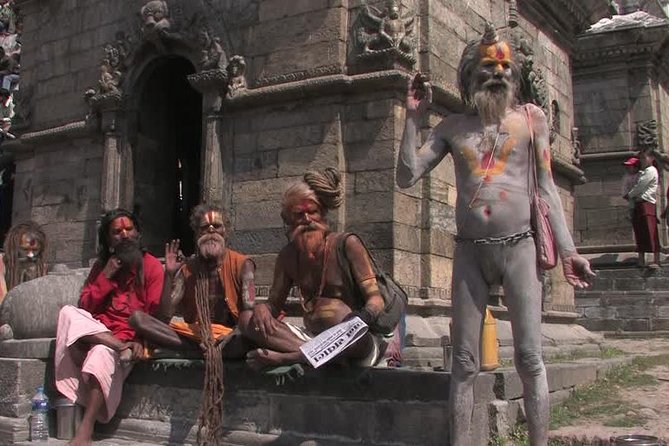
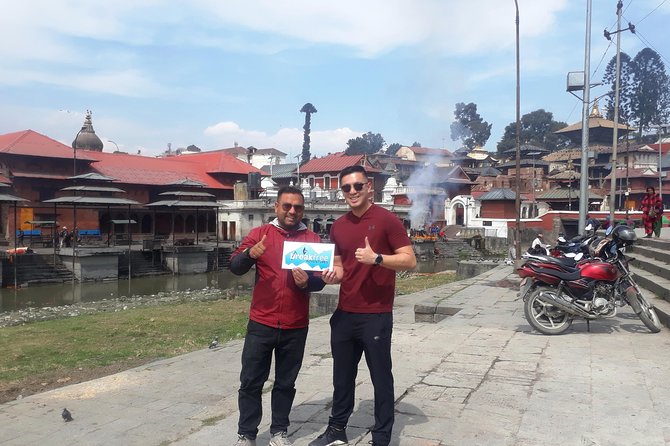
This is the big Hindu pilgrimage center in the Kathmandu Valley. What you’ll notice quickly is that it isn’t just architecture. It’s an active religious place. Your guide can help you understand what rituals mean and what parts of the site you’re looking at.
There’s an important restriction you need to know: only Nepali and Indian nationals of the Hindu faith are permitted to enter the inner premises of Hindu temples during the tour. If you’re not eligible, you may still view the sites from permitted areas, but you won’t have full access inside.
One more practical note from on-the-ground experience: if there’s a ceremony underway—like a cremation ritual at the right time—your guide may help you observe respectfully. That kind of moment is powerful, but it can also affect how the visit flows.
Patan Durbar Square: royal power in stone
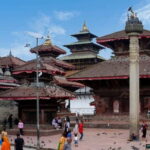
After the Pashupati and stupa spine, the tour shifts to Patan with Patan Durbar Square for about 1 hour. Admission is listed as not included.
This stop is all about the visual language of power—temples, courtyards, and the kind of palace-era design that tells you this city wasn’t built on casual ambition. If you’re the type who likes to compare spaces—how they’re laid out, where people gather, how architecture funnels movement—Patan Durbar Square is a great place to slow down.
Patan Museum and Patan Gate area: a quick culture bridge
Next you visit Patan Museum for about 30 minutes. Admission is not included.
The museum is described as a collection of older palaces, courtyards, temples, and the Sundari Chowk area. Even in a short visit, it can help you connect what you saw in Durbar Square to the broader story of Patan’s heritage.
The itinerary also references Patan Gate, described as the entrance to the city of Patan. Even if you don’t treat it as a full stop, it helps mark the shift between “valley religious core” and “historic city boundary.”
Thamel and Kathmandu city drive time: practical breaks and orientation
Your day may include time around Thamel, Kathmandu’s central tourist hub full of shops, restaurants, hotels, and general street-life. The itinerary doesn’t position Thamel as a UNESCO stop, but it’s useful for practical reasons: bathrooms, quick snacks, and a bit of orientation so you’re not totally lost when you go out on your own later.
Also expect driving through Kathmandu and Kathmandu Valley areas as part of the UNESCO loop. Driving time is simply part of the deal here—Kathmandu Valley heritage sites are not all next door.
Changu Narayan Temple: a shorter, focused heritage visit
Then you’ll reach Changu Narayan Temple, listed at about 30 minutes. Admission is not included.
Changu Narayan is another UNESCO site on the route, and its advantage in a packed day is that it’s a more focused stop. You’ll get a clear, explain-it-and-move-on experience—good for keeping the day from running away from you.
Bhaktapur Durbar Square: the longer royal-square payoff
Next is Bhaktapur Durbar Square, with about 2 hours. Admission is not included.
If you’re deciding between 4 and 7 UNESCO sites, Bhaktapur is one reason the 7-site option can feel like a different kind of trip: it gives you more time in a heritage zone where you can actually wander and compare details without feeling like you’re constantly on the move.
Expect this stop to feel less like a checklist and more like a place you could keep exploring.
Kathmandu Durbar Square: the city-center anchor
Finally, the itinerary includes Kathmandu Durbar Square for about 30 minutes. Admission is not included.
This is the Kathmandu city-center UNESCO stop, and it works well at the end of the day because you’re already “trained” by the earlier visits to recognize what matters: the carved stone work, the temple layouts, and the way the squares function as ceremonial spaces.
One extra note: the itinerary also lists a Swayambhu segment with admission listed as free. Because the plan is option-based and timing can vary, treat that as a tour-specific detail rather than something you can bank on without asking your guide.
Price and value: what $17 really buys (and what costs extra)
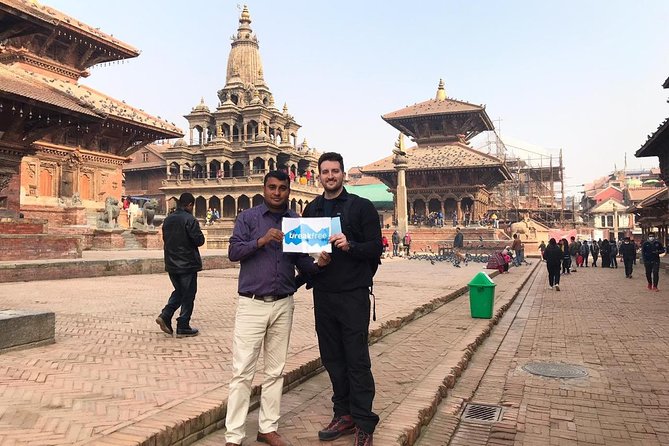
The headline price is $17 per person, and it does include some meaningful basics: private A/C transport, a professional English guide, hotel pickup/drop-off, and taxes.
But here’s the part you should plan for: monument entry fees are separate. The listed fees are:
- NPR 1400 for 2 UNESCO sites
- NPR 2600 for 4 UNESCO sites
- NPR 5800 for 7 UNESCO sites
So your real “value” depends on your chosen option. A 2-site plan looks cheaper at the door, but you’re also paying for fewer UNESCO moments. The 7-site plan has higher entry fees, but it spreads the guided experience across more heritage stops—often the best deal if you have limited days in Kathmandu.
Also budget for:
- Meals and drinks (not included)
- Personal expenses
- Gratuities for guide and driver (not included)
Guides in the reviews often get praised for pacing and explanations, so if this tour ends up being your highlight day, it’s fair to tip in line with local norms.
Who this tour suits best
This tour fits you if:
- You want an overview day that packs major heritage spots into one route
- You value hotel pickup and not dealing with meeting points
- You want a guide to explain what you’re looking at—especially around religious meaning and site layout
- You like the idea of choosing 2, 4, or 7 sites instead of being forced into a one-size plan
It’s especially good for first-time visitors, people with limited time, and solo travelers who don’t want to navigate transfers across multiple UNESCO sites.
The one group it won’t perfectly serve is anyone expecting full access inside Hindu temple inner premises. If you don’t meet the listed eligibility, you’ll still be able to participate, just not with the same level of interior access at Hindu sites.
One-day pacing: fast enough to cover, slow enough to enjoy
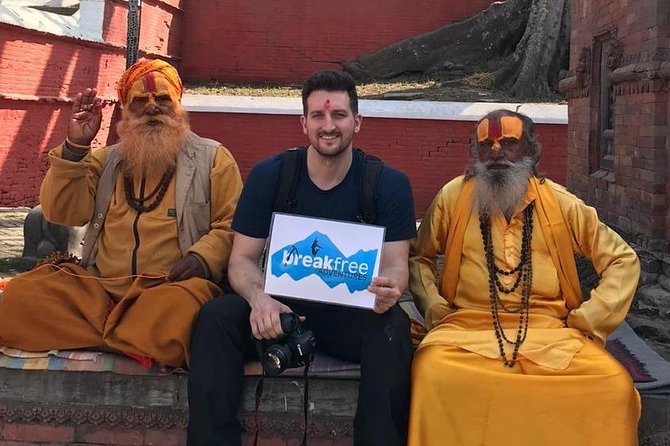
A pattern I like in these kinds of valley tours is the balance between “guided” and “wander.” The itinerary includes short, defined visit windows (like 30 minutes at Swayambhu or Kathmandu Durbar Square) plus longer ones (like 1 hour at Boudhanath and Pashupatinath, 2 hours at Bhaktapur). That structure keeps you from doing only photo stops.
Many people also mention enjoying that they were not rushed, and that the guide is able to adjust on the fly if your group wants extra time at a point of interest. If you have questions—about rituals, architecture, or Nepalese daily life—this tour format tends to handle that well.
Should you book this Kathmandu UNESCO tour?
If you have one day (or just a couple) in Kathmandu and you want the valley’s UNESCO highlights without stress, I’d book it. The biggest wins are the private pickup logistics and the fact you’re not just “seeing temples”—you’re learning what they mean and how they fit together.
Choose 4 UNESCO sites if you want the strongest blend of value, pacing, and not feeling wrung out at the end. Choose 7 sites only if you genuinely want an intense day and you’re comfortable with a lot of driving and multiple religious stops.
If you’re sensitive to crowded places or you’re unsure you can handle active ritual sites, ask your guide about timing and respectful viewing options. And if temple inner access matters to you, check the Hindu inner premises eligibility rule early so you’re not disappointed.
Overall: this is a practical, efficient UNESCO day with enough guidance to make the monuments click—and enough structure to keep the chaos of Kathmandu from taking over your schedule.
FAQ
What UNESCO sites are included on the tour?
The route includes Swayambhunath (Monkey Temple), Boudhanath Stupa, Pashupatinath Temple, Patan Durbar Square, Patan Museum, Changu Narayan Temple, Bhaktapur Durbar Square, and Kathmandu Durbar Square. The exact number of UNESCO stops depends on whether you choose 2, 4, or 7 sites.
Can I choose how many UNESCO sites to visit?
Yes. You can select options for 2, 4, or 7 UNESCO World Heritage Sites during the day.
Is hotel pickup and drop-off included?
Yes. The tour includes hotel pickup and drop-off by a private vehicle for hotels located in Kathmandu city centers. Extra charges may apply for pickup or drop-off outside those areas.
What’s included in the price?
The tour includes hotel pickup and drop-off, a professional English-speaking tour guide, private transportation with air conditioning, and all taxes.
Are monument entry fees included?
No. Monument entry fees are not included. The listed fees are NPR 1400 for 2 UNESCO sites, NPR 2600 for 4 UNESCO sites, and NPR 5800 for 7 UNESCO sites.
How long does the tour take?
The duration is listed as approximately 4 to 10 hours, depending on how many UNESCO sites you choose.
Is this a private tour?
Yes. It’s a private tour/activity, and only your group participates.
Can I take a lunch break during the tour?
Yes. You can take a lunch break during the tour. Your guide can recommend restaurants.
Are there restrictions on entering Hindu temples?
Yes. Only Nepali and Indian nationals of the Hindu faith are permitted to enter the inner premises of Hindu temples during the tour.
Can I cancel and get a full refund?
Yes. Free cancellation is available, and you can cancel up to 24 hours in advance for a full refund. If you cancel less than 24 hours before the start time, the amount paid is not refunded.