REVIEW · KATHMANDU
Nagarkot Sunrise & Bhaktapur UNESCO Heritage Private Tour
Book on Viator →Operated by Attractive Travels and Tours Pvt. Ltd. · Bookable on Viator
That early morning view is worth the alarm. This private half-day tour pairs Nagarkot sunrise with Bhaktapur UNESCO sites and a hands-on Thangka stop, all with round-trip hotel transfers from Kathmandu.
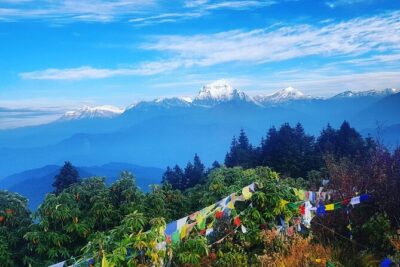
I especially liked the way the guide (Prakash is a name that comes up a lot) helps you read the horizon—on clear mornings you can spot multiple Himalayan ranges, and even Mt. Everest gets called out when conditions allow. I also like that bottled water is included, so you’re not scrambling for basics right after sunrise.
One thing to keep in mind: the star attraction is weather-dependent. When clouds or fog roll in, Everest and even some peak lines can disappear, and the day can feel more like a temple and street tour than a mountain-view slam dunk.
In This Review
- Key things I’d watch for before you go
- A 4:20 a.m. start for eight-Himalaya sunrise viewing
- Nagarkot View Tower: Everest may be hiding, but the peaks still teach you
- Bhaktapur Durbar Square: UNESCO streets after the mountain payoff
- Dattatreya Temple and Pujari Math: smaller stops with strong personality
- Thangka painting school in Bhaktapur: a cultural break you’ll remember
- Nyatapola Temple and the Bhairab connection: Bhaktapur’s top pagoda moment
- Pottery Square: watching everyday craft in motion
- Price and timing: is it good value at $50?
- Who should book this Nagarkot sunrise + Bhaktapur heritage combo?
- Should you book it? My honest call
- FAQ
- FAQ
- What time is pickup in Kathmandu for this tour?
- Is this tour private or shared?
- How long does the tour take?
- What is included in the price?
- What entrance fees are not included?
- Are meals included?
- Do I need to plan for tips?
- Can I cancel for a full refund?
- Is the tour popular right away, or should I book early?
Key things I’d watch for before you go
- 4:20 a.m. hotel pickup: you’ll be leaving Kathmandu very early to maximize sunrise chances
- Eight Himalayan ranges on clear days: Everest may be visible, but only if visibility cooperates
- Bhaktapur Durbar Square entrance is extra: NPR 2000 (about USD 15) per person is not included
- Thangka painting school is included: you’ll get a more cultural, skills-based stop than a quick photo stop
- Bhaktapur monuments may show earthquake impact: some buildings may be damaged or not fully accessible
A 4:20 a.m. start for eight-Himalaya sunrise viewing
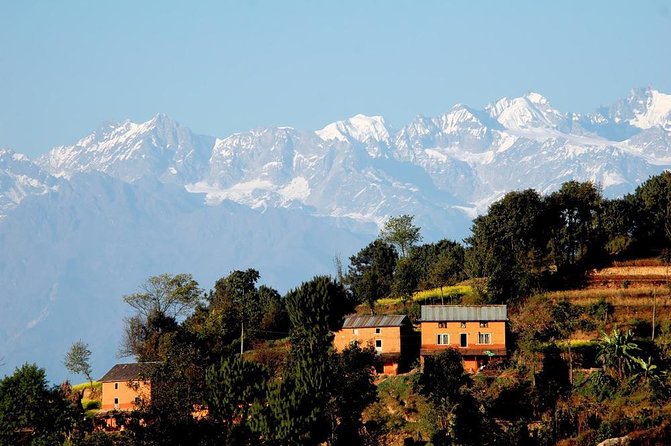
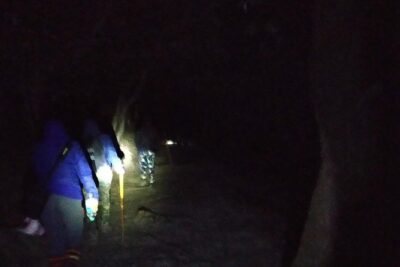
If you like your sightseeing with a little suspense, this tour delivers. You’re picked up from your Kathmandu hotel at 4:20 a.m., then driven toward Nagarkot—far enough outside the city that sunrise views can feel like a reward, not just a backdrop.
Nagarkot is one of the closest hill lookouts to Kathmandu, and it’s popular for a reason: you’re high enough to see far, and close enough that the logistics are still reasonable. The tour is about 5 to 6 hours total, which means you get your big morning experience and still have time for breakfast, rest, or a relaxed afternoon.
The sunrise part is the headline, but the tour design is smart: after the view time, you shift to Bhaktapur, walking through old squares and temple areas without the pressure of another early-morning start.
You can also read our reviews of more private tours in Kathmandu

Nagarkot View Tower: Everest may be hiding, but the peaks still teach you
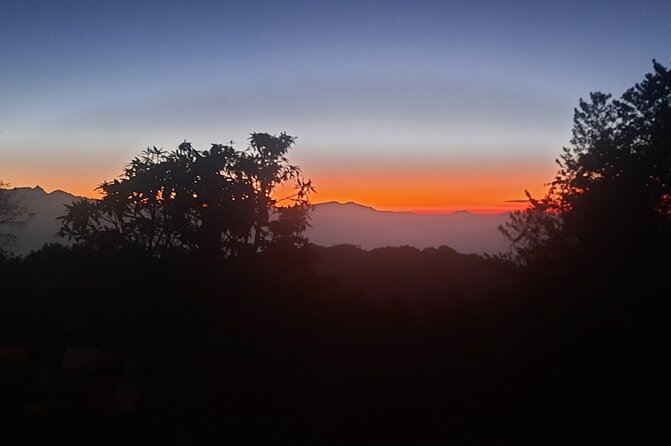
The main viewing happens around Nagarkot View Tower. Admission there is listed as free, so you’re mainly paying for transportation, guide time, and the rest of the day’s stops—not extra fees at the viewpoint.
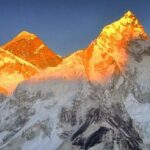
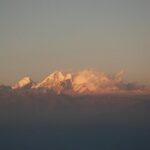
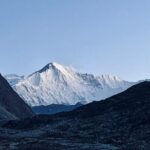
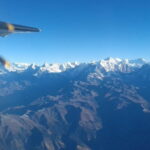
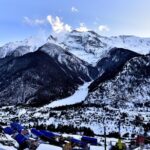
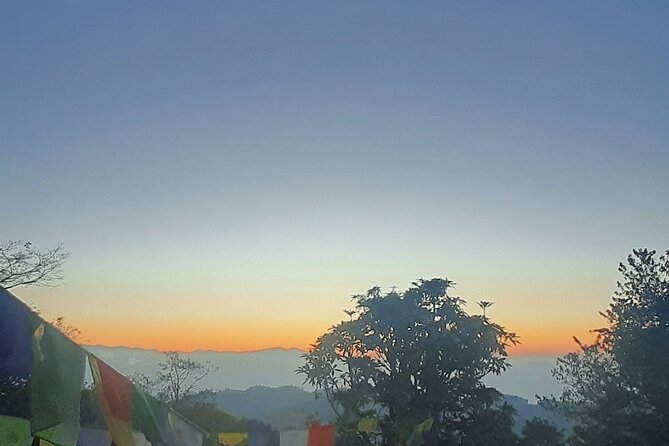
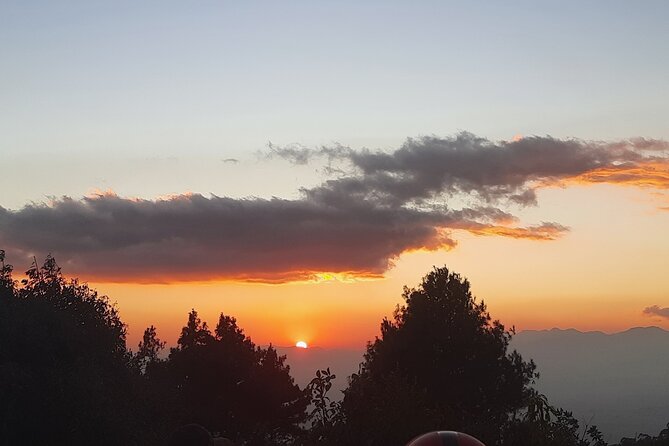
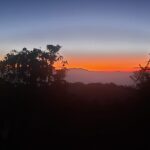
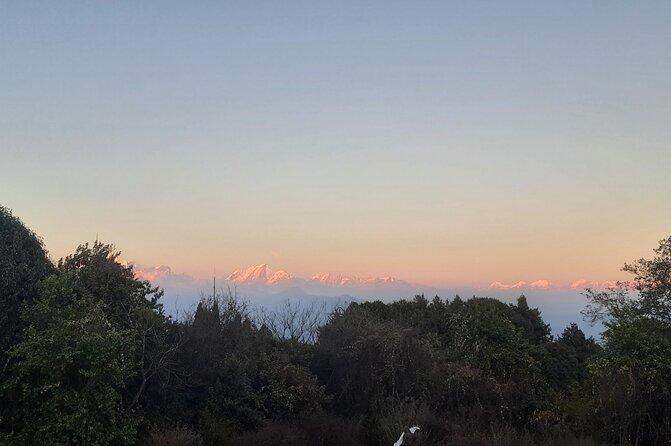
What you can expect depends on the sky. On clear mornings, the guide can point out multiple Himalayan ranges (eight are mentioned), including Mt. Everest when conditions are right. When the weather is less cooperative—fog or cloud cover—don’t be surprised if Everest is tucked out of sight. Even then, the sunrise itself can be special, and you’ll usually still have enough visibility to enjoy the mountain atmosphere.
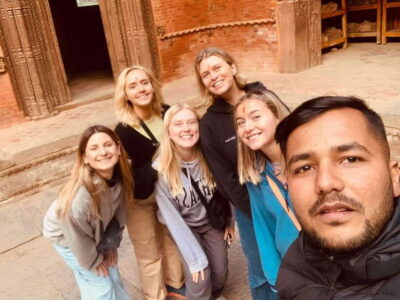
One of my favorite ways to experience places like this is through a guide’s “spotting” skills, not just by staring. With Prakash, the approach seems to be practical: he helps you identify what you’re looking at and keeps the timing smooth so you’re not rushing through the best light.
Also, the viewpoint time doesn’t have to feel like a workout. One traveler noted the walk/hike portion felt easy and not very tiring, and you generally get back to your hotel before mid-morning in many cases—great if you want a trip that doesn’t steal your whole day.
Bhaktapur Durbar Square: UNESCO streets after the mountain payoff
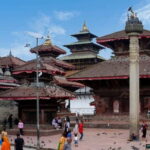
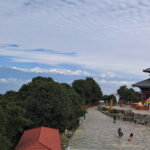
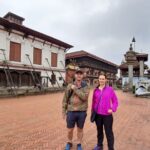
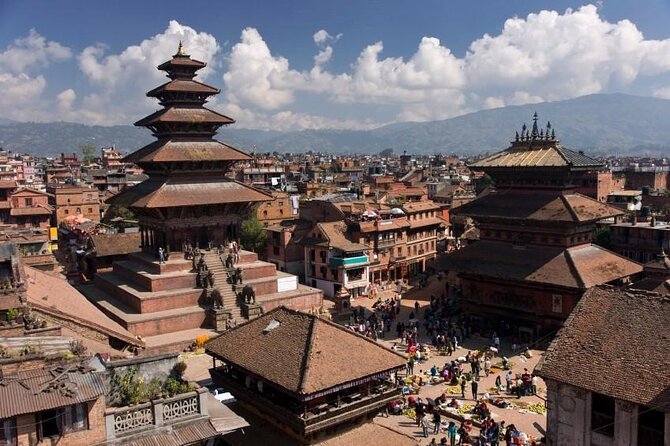
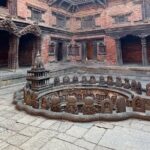
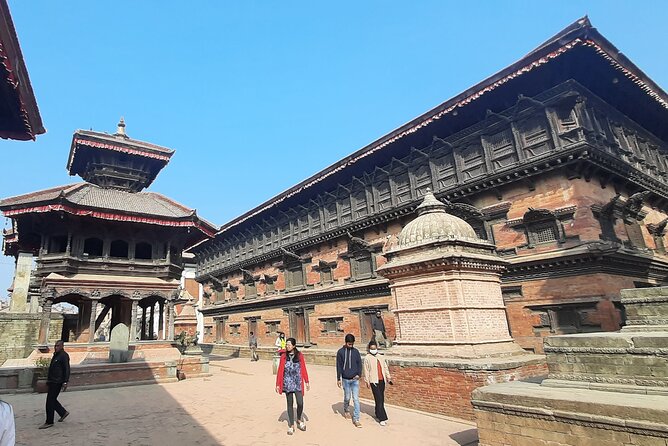
After the sunrise, the tour heads into Bhaktapur, the old royal city known for heritage architecture and temple squares. The centerpiece is Bhaktapur Durbar Square (UNESCO), where you’ll spend about two hours exploring the historic core.
This is the kind of site where context matters. Without someone to explain what you’re seeing, it can turn into “temples and more temples” with lots of similar stone. With a guide, you get a better sense of what the buildings meant and why the layout is the way it is.
Two practical notes for your expectations:
- Entrance is not included. You’ll pay NPR 2000 (USD 15) per person for the UNESCO World Heritage site entry.
- You might see signs of earthquake impact. Some buildings can appear damaged or not fully intact, which can affect what you’re able to view or photograph.
Still, Bhaktapur is a place where walking between courtyards and squares feels like stepping into a living timeline. If your morning in Nagarkot was all about distance and peaks, the afternoon shift is all about detail and human scale.
Dattatreya Temple and Pujari Math: smaller stops with strong personality
Before or around the main square time, you’ll visit the Dattatreya Temple area, plus related historic spots including Pujari Math (priest house) and a 15th-century peacock window. There’s also mention of seeing the Bhimsen temple near the Dattatreya Square.
These kinds of stops are where the tour becomes more than just movement. Durbar Square can be visually intense, but Dattatreya gives you a different texture: ornate details, religious architecture, and the sense that this isn’t a “museum day,” it’s a sacred neighborhood space.
The time allocated here is relatively short (about 20 minutes), but it’s enough to get the meaning of the site and make the effort worthwhile. If you like good contrasts—major square first, then a more specific temple—this stop helps the day feel balanced.
Thangka painting school in Bhaktapur: a cultural break you’ll remember
One included highlight is a visit to a Thangka painting school in Bhaktapur. This is a big reason the tour feels more authentic than a checklist walk.
Thangka art isn’t just decorative; it’s tied to religious stories and traditional technique. Even if you don’t leave with a painting you made (the tour data doesn’t say you will), you’ll likely come away with a clearer understanding of what Thangka work involves—tools, styles, and the idea that this craft gets taught and practiced.
This stop also helps with pacing. Sunrise tours can be a bit emotional (in a good way), and temple-heavy afternoons can get mentally heavy too. A skills-based cultural visit gives your brain a different job.
You can also read our reviews of more historical tours in Kathmandu

Nyatapola Temple and the Bhairab connection: Bhaktapur’s top pagoda moment
Another temple stop on your schedule is Nyatapola Temple, described as the tallest pagoda-style temple built in the 17th century by King Bhupatendra Malla. You’ll also visit the nearby Bhairab temple around the same area.
This is one of those “yes, you should stop here” spots. Nyatapola’s design is eye-catching even when you’re tired after sunrise. And pairing it with the nearby Bhairab temple helps you understand that Bhaktapur’s religious landscape isn’t isolated landmarks—it’s a network of places connected by worship routes and local traditions.
You’ll spend about 20 minutes here, so it’s not a deep architectural lecture—but it’s enough to take in the main features and get oriented.
Pottery Square: watching everyday craft in motion
You’ll also visit Pottery Square, where you can observe how pottery items are made. The stop is short (around 20 minutes), but it’s valuable because it shows you craft as a living activity, not as a souvenir transaction.
This is especially nice after Durbar Square and the temples. You shift from monuments to hands-on process, from stone storytelling to the quiet rhythm of making.
If you buy anything, keep it practical. The tour data doesn’t mention shopping inclusions, so your best strategy is to treat this as an observation stop unless you truly want a specific handmade item.
Price and timing: is it good value at $50?
Let’s talk money like an adult. The tour price is $50 per person, and it includes:
- All transportation as per the itinerary
- A professional tour guide
- Thangka painting school
- Bottled water (one bottle per person)
- Nagarkot View Tower admission (free)
- Pickup offered and round-trip hotel transfers from Kathmandu
What’s not included:
- Food
- Tips
- Bhaktapur Durbar Square UNESCO entrance fee: NPR 2000 / USD 15 per person
So the “true cost” isn’t just the $50. Add the UNESCO entry fee once per person, and you’re closer to roughly $65 per person total before any snacks, drinks, or gratuities.
Is that worth it? For many people, yes—because you’re buying three things at once:
- An early sunrise transport plan you don’t have to figure out yourself
- A guide who can help you interpret Himalayan views (and not just read a sign)
- An included cultural stop (Thangka school), plus multiple major Bhaktapur sites
If you’re trying to do this on your own, you’d still need transport early in the morning, a way to get around Bhaktapur efficiently, and some local context. Paying for a guide often saves you time and helps you enjoy the day instead of managing it.
Who should book this Nagarkot sunrise + Bhaktapur heritage combo?
This tour is a great fit if:
- You want one big morning in the mountains and one heritage-focused afternoon without planning between them
- You like guided interpretation, especially for spotting peaks and understanding temple areas
- You’re okay with a very early pickup and keeping the day structured
- You prefer a private tour where only your group participates
It can be a smarter choice than a generic sightseeing day if you’re short on time in Kathmandu and want a mix of nature + UNESCO heritage in one go. And because the walking time is generally described as easy on the sunrise side, it’s not trying to be an all-day hike.
Should you book it? My honest call
Book it if you’re the type who can appreciate the experience even when the mountain show changes. The best-case scenario is clear skies and peak spotting—maybe even Everest. But even in fog or cloud, you still get a structured, culturally rich day in Bhaktapur.
Skip it (or adjust expectations) if your entire trip goal is seeing Everest specifically. Weather is a real factor here, and the view can shift from spectacular to muted in a hurry.
FAQ
FAQ
What time is pickup in Kathmandu for this tour?
Pickup is listed at 4:20 a.m. from your hotel in Kathmandu.
Is this tour private or shared?
It’s a private tour/activity, and only your group participates.
How long does the tour take?
The duration is listed as approximately 5 to 6 hours.
What is included in the price?
Included are transportation as per the itinerary, a professional tour guide, a visit to a Thangka painting school, and bottled water (one bottle per person). Nagarkot View Tower admission is listed as free.
What entrance fees are not included?
Bhaktapur Durbar Square UNESCO World Heritage Site entrance fee is not included. It’s listed as NPR 2000 (USD 15) per person.
Are meals included?
No. Foods are not included, so you’ll need to pay for meals separately.
Do I need to plan for tips?
Tips for your guide and driver are not included.
Can I cancel for a full refund?
Yes. Free cancellation is available up to 24 hours in advance for a full refund.
Is the tour popular right away, or should I book early?
The average booking window is listed as about 27 days in advance, so booking ahead is a good idea.