REVIEW · HIMACHAL PRADESH AND UTTARAKHAND
Nagtibba Trek (Pantwari to Pantwari)
Book on Viator →Operated by Kaushik's Cafe & Trek · Bookable on Viator
A two-day trek, with big Himalayan payoff. This overnight Nagtibba trek takes you from Pantwari up to Nag Tibba for a real tent-camp night, then pushes for the summit early so you can catch sunrise (when timing and weather cooperate). It’s built for first-timers who want the trekking feel without committing to a long expedition.
What I like most is the mix of structure and comfort. You get a professional guide throughout, and the group stays small (up to 16), so it feels manageable instead of chaotic. I also really value that all meals are included, and the food quality comes up again and again—fresh, filling, and better than you’d expect on a short trek.
One thing to plan for: the second day starts early, around 3:30 am, so you’ll be trading sleep for sunrise. And private transportation isn’t included, so you’ll need to handle getting yourself to the meeting point in Pantwari.
In This Review
- Key things to know before you go
- From Pantwari to Nag Tibba: a first-trek route with an overnight camp feel
- Day 1: sunset camp, hot snacks, and meals that keep the trek easy
- What to watch for on Day 1
- Day 2: the 3:30 am climb, biscuits and fruit, and sunrise timing
- The key consideration: sunrise depends on timing and weather
- Guide team and group vibe: Sanjay Bhaiya and Sardar ji set the tone
- What you actually get: meals, camping gear, and the real value of the price
- The hidden cost to factor in: getting to Pantwari
- Weather, cancellation, and how to think about risk on a short trek
- How to prepare: cold nights, warm starts, and tent comfort
- Who should book this trek, and who might prefer something else
- Should you book the Nagtibba Trek?
- FAQ
- How long is the Nagtibba Trek?
- Where does the trek start and end?
- Is a guide included?
- What meals are included?
- Is tent accommodation and sleeping gear provided?
- Do I need to bring private transportation?
- Is the trek cancelled if the weather is bad?
Key things to know before you go
- Overnight tent setup with sleeping mats and sleeping bags included, so you’re not scrambling last minute.
- Sunset base-camp welcome with hot tea and pakoda, plus optional Maggi on the night you arrive.
- Early summit routine with fruit and biscuits on the way up, then time at the top for sunrise if you’re on track.
- Guides make the pace feel easy, with Sanjay Bhaiya named by multiple people, plus Sardar ji helping run camp.
- Small group size (maximum 16 trekkers) which helps the experience stay personal.
- All meals included across the two days, including dinner, two lunches, and two breakfasts.
From Pantwari to Nag Tibba: a first-trek route with an overnight camp feel
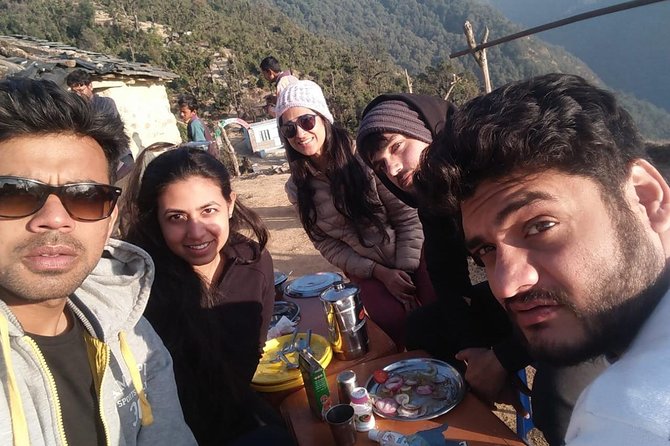
If you’ve been curious about Himalayan trekking but not ready for days and days on the trail, this is a smart way to test the waters. You start in the Pantwari area and work your way up toward Nag Tibba, staying overnight at a tent camp before continuing to the summit the next day and hiking back down.
The best part is that the trek still has a full rhythm of trekking life: walking, settling in, then waking up early for the view payoff. It feels like you did something outdoorsy and real, without the logistics-heavy burden of a long trek. And because it’s beginner-friendly and guided, you’re not left guessing what comes next.
You’ll also notice the trip is designed as a complete package. Besides the trek itself, you get the tent setup (sleeping mats and sleeping bags) and meals, so your budget stays under control.
You can also read our reviews of more hiking tours in Himachal Pradesh and Uttarakhand
Day 1: sunset camp, hot snacks, and meals that keep the trek easy
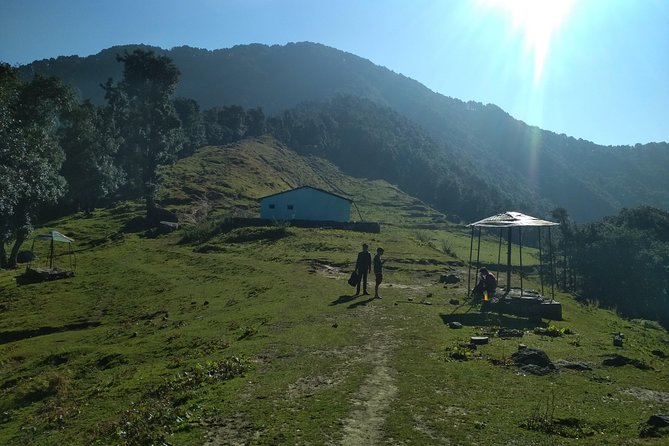
Day 1 is about settling in and getting into the trekking mindset without rushing. After you reach the base area around Nag Tibba, you retire to your tents. Then you get that classic hill-station moment: a sunset view that people describe as majestic.
To help you transition from travel to trekking mode, the camp welcomes you with hot tea and pakoda. If you want something familiar and comforting, you can also get piping hot Maggi for a small extra cost (INR 40 is mentioned). That kind of option matters when you’re hungry after walking and you don’t want to think too hard.
Food is included on this overnight trek, and it’s one of the biggest strengths. You’ll have dinner on Day 1, and the meals keep coming across as home-style and genuinely tasty, not just a rushed trek ration. When you’re only away for about two days, good food isn’t a bonus—it’s part of whether the experience feels enjoyable or punishing.
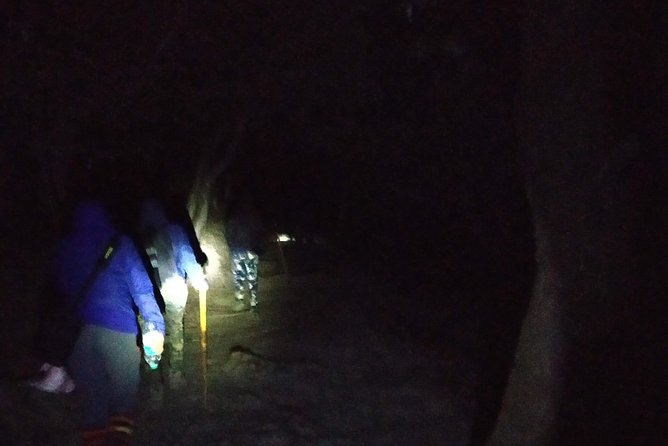
At night, the tent camp setup is practical: sleeping mats and sleeping bags are included, so you’re not hunting for gear at the last minute. Plus, if you want it, they will build a fire (that detail shows up in feedback), which can turn a cold night into something cozy.
What to watch for on Day 1
You may start in warmer conditions and feel the air get cooler as you climb, so bring a mindset for temperature swings rather than assuming everything will be chilly from the start. Nights can get cold, but the sleeping gear included helps a lot.
Day 2: the 3:30 am climb, biscuits and fruit, and sunrise timing
Day 2 is the “work for the view” day. You wake up at 3:30 am to get ready for the summit. If you’re the type who hates early alarms, this is the moment you’ll feel it. But it’s also the reason the trek is so popular: sunrise at the summit is the payoff.
On the way up, you’ll get fruit and biscuits, which is exactly what you need when you’re climbing before a proper breakfast. You keep moving, reach the top, and then have time to witness sunrise if you’re on time—then you can relax for a bit before starting the descent.
After that, you hike down to your departure point, and the activity ends back at the meeting point. In other words, this is a full loop experience: arrive, overnight, summit morning, then back out without any complicated add-ons.
The key consideration: sunrise depends on timing and weather
This trek requires good weather. If conditions aren’t right, it can be rescheduled or refunded, so don’t plan this as a strict one-day photo mission. If the weather cooperates, you get the summit-and-sunrise moment. If it doesn’t, you’ll still have a guided trek experience that prioritizes safety.
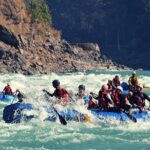
Guide team and group vibe: Sanjay Bhaiya and Sardar ji set the tone
A guided trek can either feel stiff (rule-heavy) or reassuring (helpful). This one leans reassuring. People repeatedly highlight the friendliness and helpfulness of the guides, and the name Sanjay Bhaiya comes up again and again as a guide who’s informative and kind.
There’s also mention of Sardar ji supporting the camp experience, especially around organization and staying comfortable at base camp. When a trek is this short, the difference between a “walk and hope” trip and a properly run one is huge. Here, the structure is built in: you know what happens next, and the guide helps keep the pace and timing workable.
Group size helps too. With a maximum of 16 trekkers, you’re not swallowed by a big crowd. You can ask questions, get explanations, and feel like you’re part of a small team moving together.
If you’re trekking solo or new to hiking in the Himalayas, this kind of guidance and small-group format is exactly the kind of environment where you can learn without feeling behind.
What you actually get: meals, camping gear, and the real value of the price
Let’s talk money without the fluff. The listed price is $23.87 per person for an approximately 2-day trek. That’s low compared to what you’d pay for a guided overnight in most places, mainly because the essentials are bundled.
Here’s what’s included:
- Dinner (Day 1)
- Lunch (2)
- Breakfast (2)
- Overnight tent accommodation
- Sleeping mats and sleeping bags
Not included:
- Private transportation
So you’re paying for the trek experience itself—guide support, camp basics, and food—rather than trying to assemble everything yourself. For a short overnight, that matters. The meals are a meaningful part of your energy and comfort, and multiple people call out how good the food is.
You also get a mobile ticket, which is convenient if you’re juggling other plans. And the meeting point is clearly set at Kaushik’s Cafe & Trek in Pantwari, so you’re not wandering to find the start.
The hidden cost to factor in: getting to Pantwari
Since private transport isn’t included, your travel plan needs one extra step: how you get yourself to the meeting point. If you’re already in the region, this is easy. If you’re coming from farther away, consider building in time and money for local transit.
Weather, cancellation, and how to think about risk on a short trek
Short treks still depend on conditions. This one explicitly requires good weather. If poor conditions cause cancellation, you’ll be offered a different date or a full refund.
If you like low-risk planning, there’s also free cancellation with a window up to 24 hours before the experience starts. For people building a multi-day trip around tight schedules, that flexibility helps you avoid feeling stuck.
Bottom line: treat sunrise as a bonus that you’re trying for, not a guarantee. The trek is designed for good weather, and that mindset keeps expectations realistic.
How to prepare: cold nights, warm starts, and tent comfort
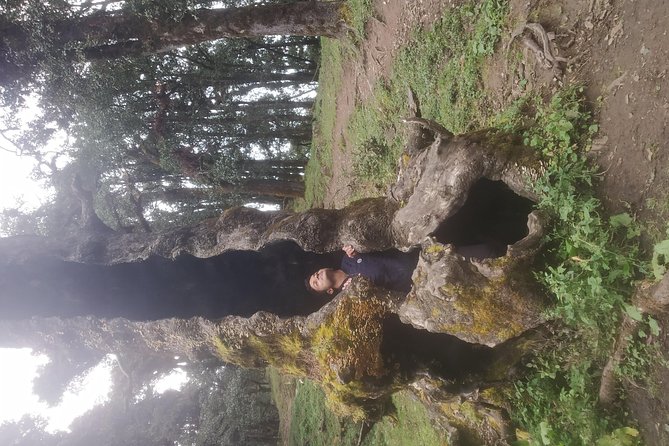
From the experience feedback and the itinerary timing, you should prepare for temperature swings. One person notes it can be a bit hot to begin, then cooler as you climb, with chilly air at night.
Good news: you’re not sleeping on bare ground without protection. The trek includes sleeping mats and sleeping bags, which is exactly what you want on a cold hill night. And if you want it, they may build a fire to warm up.
What I’d personally plan for:
- Warm layers you can handle early morning at the summit push
- A mindset that nights are cold even if the day feels manageable
- Comfortable trekking clothes and footwear you trust, since you’ll walk both days
You don’t need to be a survival expert here. This is beginner-friendly, and the camp setup is meant to keep you comfortable enough to actually enjoy the whole experience.
Who should book this trek, and who might prefer something else
This trek fits best if you:
- Want a first trek and like the idea of learning with a guide
- Prefer a short overnight rather than a long multi-day commitment
- Care about good meal support and not just scenery
- Don’t mind an early 3:30 am wake-up for sunrise
You might rethink it if you:
- Want a late-morning start or a slower schedule
- Expect private transportation to be included
- Dislike cold nights, even with a sleeping bag and mat
The good news: the pacing and organization seem designed for newcomers. Multiple people describe the experience as relaxed and well planned, especially around camp and the way the guide manages the day.
Should you book the Nagtibba Trek?
If you’re shopping for an easy entry into Himalayan trekking, I’d seriously consider booking this. The combination is strong: a guided route, a real overnight tent camp with sleeping gear, and meals that aren’t an afterthought. For around two days, it gives you the full experience cycle—walk, camp, summit morning, then hike back down.
I’d only hesitate if you’re sensitive to early starts or if you haven’t planned how you’ll reach Pantwari. But if you can handle a cold-ish night and wake up at 3:30 am, you’ll likely find this is one of the most satisfying short treks in the region.
FAQ
How long is the Nagtibba Trek?
The trek is listed as approximately 2 days.
Where does the trek start and end?
It starts at NagTibba Trekking – Kaushik’s Cafe and Trek in Pantwari and ends back at the meeting point.
Is a guide included?
Yes. A professional guide accompanies the group.
What meals are included?
Dinner, two lunches, and two breakfasts are included.
Is tent accommodation and sleeping gear provided?
Yes. Overnight tent accommodation is included, along with sleeping mats and sleeping bags.
Do I need to bring private transportation?
Private transportation is not included, so you’ll need to arrange your own way to the meeting point.
Is the trek cancelled if the weather is bad?
This trek requires good weather. If it’s cancelled due to poor weather, you’ll be offered a different date or a full refund.