REVIEW · HIMACHAL PRADESH AND UTTARAKHAND
Nag Tibba 2 Days Trek (Pantwari to Pantwari)
Book on Viator →Operated by Himalaya Shelter · Bookable on Viator
Nag Tibba turns a weekend into a proper mountain reset. It’s a short trek that still gives you the feeling of earning your views, with a temple stop for a Snake God story and a peak day aimed at big Himalayan horizons. The trek runs as a Pantwari to Pantwari loop and keeps groups small, with a maximum of 20 people.
What I like most is the mix of practical hiking and local meaning. You start with a climb toward the Kathian Campsite and a small temple dedicated to a Snake God, then you move on to Nag Tibba Peak with sightlines toward Mt. Swargarohini and Mt. Bandarpunch.
One thing to consider: this is not a gentle walk. Even though it’s only two days, the experience is described as difficult but rewarding, so you’ll want a moderate physical fitness level and realistic expectations.
In This Review
- Quick highlights
- Pantwari to Pantwari: a weekend trek with a real trail rhythm
- Day 1 to Kathian Campsite: hiking for temple vibes and campsite calm
- Day 2 to Nag Tibba Peak: views toward Swargarohini and Bandarpunch
- Guides and group size: why support really matters on a tough two-day climb
- Food, tents, and the rhythm of camp life
- Price and value: what $24 buys in a two-day Himalayan reset
- Weather is the real schedule boss
- Who should do this Nag Tibba weekend trek (and who shouldn’t)
- Should you book Nag Tibba 2 Days Trek (Pantwari to Pantwari)?
- FAQ
- FAQ
- Where does the Nag Tibba 2 Days Trek start and end?
- How long is the trek?
- What fitness level do I need?
- How many people are in a group?
- What do you do on Day 1?
- What do you see on Day 2?
- What happens if weather is poor or I need to cancel?
Quick highlights
- Two-day format that still hits both campsite hiking and a peak push
- Snake God temple stop during the climb to Kathian Campsite
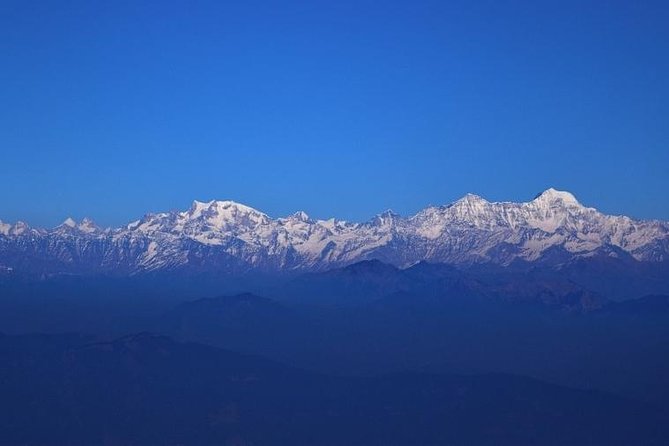
- Nag Tibba Peak views featuring Mt. Swargarohini and Mt. Bandarpunch
- Small groups (up to 20) which usually helps the pace feel manageable
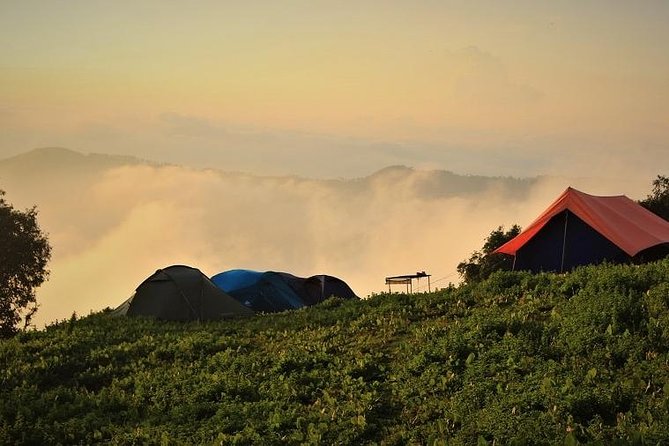
- Simple tent stays that people consistently describe as comfortable enough
- Trek leaders who motivate even when the hike feels tough
Pantwari to Pantwari: a weekend trek with a real trail rhythm
Pantwari is a solid base for a fast Himalayan getaway. Your start point is the Pantwari Nagtibba trek area (StartH3MP+GWM, Pantwari, Uttarakhand 249186), and the trek ends back at the same meeting point. That loop matters on a short trip: you aren’t spending your only two days figuring out logistics.
The overall time on the trail is short enough for many people to try a first or second trek, but long enough to feel like you left the city behind. I like that this experience is designed as a weekend plan rather than an all-consuming vacation. You still get that sense of moving uphill, changing air, and settling into camp life.
The group size stays small, and that tends to make the whole experience feel more personal. One of the most common positives from the trek is the way leaders keep things steady—especially for people who find it harder than they expected.
You can also read our reviews of more hiking tours in Himachal Pradesh and Uttarakhand
Day 1 to Kathian Campsite: hiking for temple vibes and campsite calm
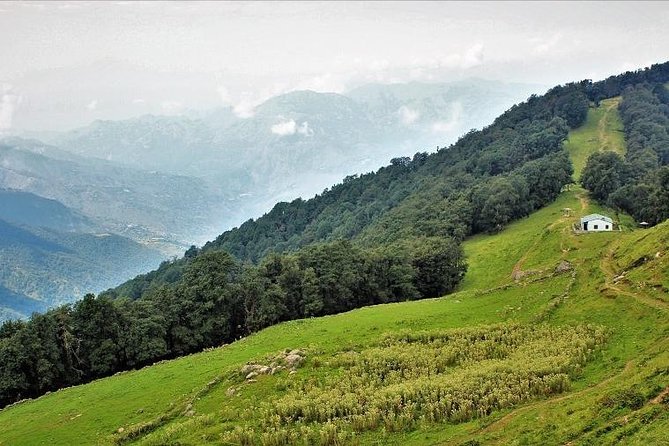
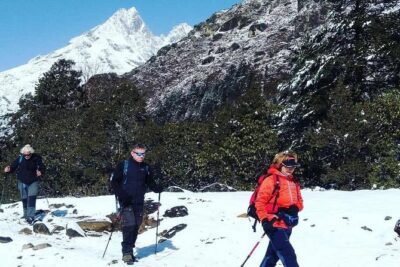
Day 1 is a hiking push toward Kathian Campsite, roughly 5–6 km. That distance doesn’t sound massive on paper, but short treks often feel tougher because the trail tends to work your legs quickly. If you’re expecting a casual stroll, the “difficult but rewarding” vibe will be a surprise—in a good way once you’re moving.
Along the way, you’ll explore a small temple dedicated to a Snake God. This is one of those details that makes the trek feel more than exercise. It gives you a local cultural anchor, and it helps break up the hike with a meaningful pause. The good news: the experience lists admission ticket free for this stop, so you’re not juggling extra costs at the temple.
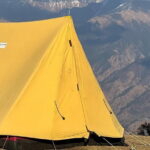
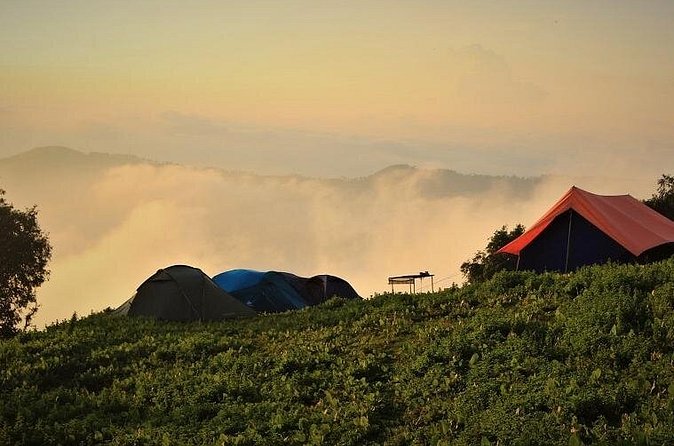
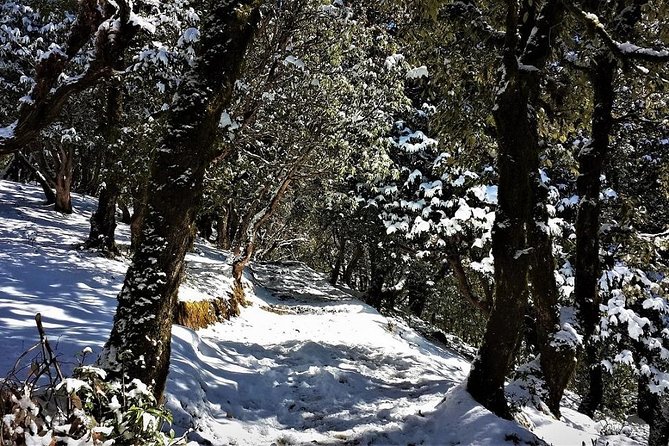
At Kathian Campsite, this is where the trip starts to feel like a proper mountain overnight. People mention tent accommodation being simple but comfortable. And there’s often that relaxed evening mood you only get when the day ends at altitude—quiet, a little windy, and far from the buzz of city travel. If you like conversation around a campfire or just soaking in calm mountain air, this is the part of the weekend you’ll probably remember most.
Potential downside on Day 1: you’ll need to pace yourself so you don’t burn out too early. With a peak-focused Day 2, arriving at the campsite ready for an early next-day effort is key.
Day 2 to Nag Tibba Peak: views toward Swargarohini and Bandarpunch
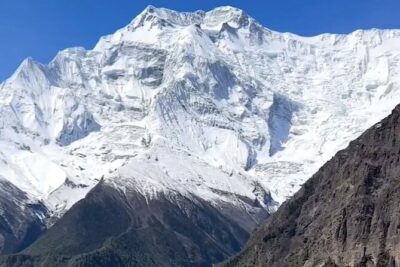
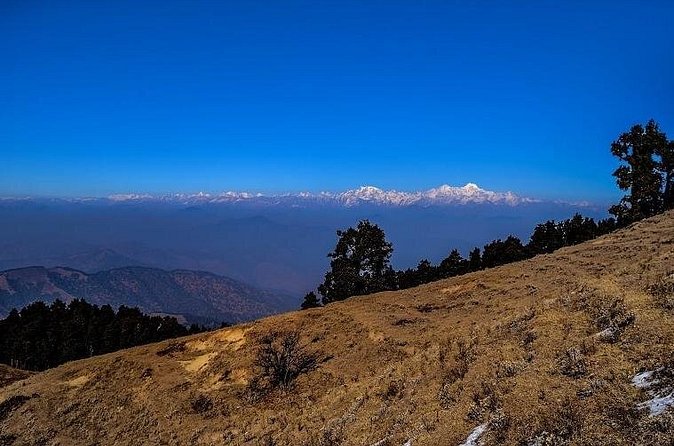
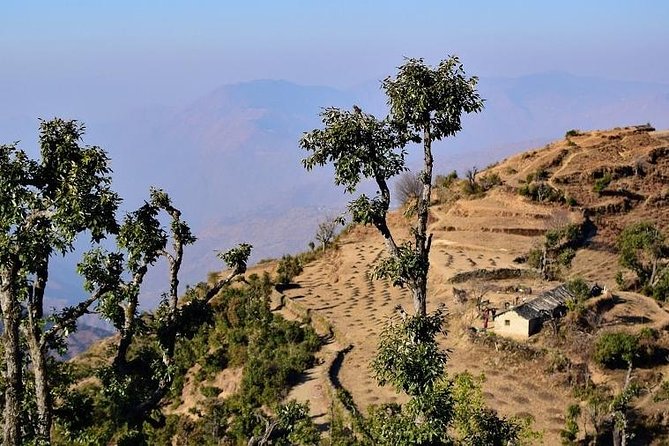
Day 2 is the payoff. You hike up to Nag Tibba Peak, and the point here is views—big, open, and dramatic on a clear day. The experience specifically calls out sights toward Mt. Swargarohini and Mt. Bandarpunch, plus additional peaks in the wider mountain line.
Even if you only get one real “wow” moment, peaks like this are usually about timing and weather more than anything else. The trek itself requires good weather, and that requirement matters. On the right day, the ridge feeling is hard to beat. On a bad weather day, you may feel the hike more than you enjoy the horizon.
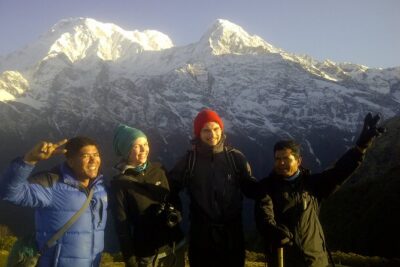
This second day is also where trek leadership really shows. In the feedback for Nag Tibba, leaders like Abhishek, Mukesh, and Ramesh are praised for keeping people motivated through the effort. For a two-day trek, that kind of encouragement can make the difference between finishing tired and finishing satisfied.
The “one hour” timing listed for peak-related stops can be misleading if you think it’s only one hour of effort. In reality, the day includes your push to get there, your time soaking in views, and then getting back safely. Plan for a full hiking day even when the timetable looks compact.
Guides and group size: why support really matters on a tough two-day climb
This trek caps at 20 travelers, which is a practical advantage on a trail. Smaller groups tend to move with fewer slowdowns and less crowding around viewpoints or narrow sections. For a short two-day trek, that smoothness matters. You feel the rhythm of walking and breaks, instead of constant waiting.
What stands out from the trek feedback is the role of the leader. Mukesh Rana is highlighted as fantastic and caring, with food and scenery making a strong impression. Abhishek is mentioned for keeping everyone motivated, even when the hike felt difficult. Ramesh uncle is praised for the same thing—pushing pace when needed and supporting people with a good attitude.
That matters because Nag Tibba is often described as difficult but rewarding. When a trek is short, the tough parts come close together. A leader who can read the group and adjust pacing helps you keep the hike enjoyable rather than stressful.
If you like structured guidance but still want a natural-feeling trek (not a theme-park version of mountains), this format fits. You get a real trail experience with human support.
Food, tents, and the rhythm of camp life
One of the biggest practical wins is how people describe the food. For a mountain tent stay, you might expect basic meals. Instead, multiple Nag Tibba experiences praise the food as fresh and super tasty, and also note how surprising it is given you’re cooking on or near the trail.
I also like that the tent setup is described as simple but comfortable. That sounds plain, but it’s honest and useful. You’re not paying to sleep in luxury, but you also shouldn’t be miserable. For a two-day trek, comfort affects enjoyment fast. If your sleep is too uncomfortable, the peak day feels longer.
There’s also a social, calm vibe that shows up in the feedback. People mention campfire conversations and a tranquil evening in the Himalayas that contrasts with city chaos. Even if you don’t want to chat much, this kind of environment gives you a reset. It’s one of the reasons a short trek can feel emotionally bigger than its duration.
Possible consideration: since the accommodations are tent-based and described as simple, you should be comfortable with basic camping standards. This trek is for people who enjoy the outdoors more than people who need a lot of creature comforts.
Price and value: what $24 buys in a two-day Himalayan reset
At $24 for a two-day trek, the value is the headline. Even without knowing every included item in detail, you’re paying for a guided two-day hiking experience with overnight camping elements and peak viewpoints built into the schedule. The pricing also makes it one of those options that helps you try trekking without feeling like you took a huge financial risk.
Another value win: the experience lists mobile ticket and mentions admission ticket free for the temple stop. That reduces surprise add-ons during the trek day. For short getaways, fewer extra costs make the whole trip feel cleaner.
Also, small group size can raise value. With a maximum of 20 people, the logistics and attention from guides generally feel more controlled than in very large tour groups.
If you’re comparing treks, the main question is fit, not price. If you’re in good enough shape for a difficult-but-rewarding hike, the cost makes this a strong try. If you want an easy walk with minimal effort, you might feel the challenge more than you expected.
Weather is the real schedule boss
The experience requires good weather. That’s not just a polite note—it’s the difference between enjoying wide peak views and getting stuck with reduced visibility.
One specific data point from the feedback: a trek in September was described as having excellent weather, not very hot and not very cold. That’s useful because it suggests this trek can be comfortable in shoulder-season conditions, at least during some months.
Still, keep expectations flexible. If weather turns, the experience may be canceled and you’ll be offered a different date or a full refund. So treat the trek like a plan that depends on mountain conditions, not a guaranteed sightseeing day.
Practical takeaway: don’t build your whole trip around a single fixed mountain day. Having flexibility makes the experience land better.
Who should do this Nag Tibba weekend trek (and who shouldn’t)
This trek suits you if you:
- Want a two-day Himalayan experience without committing to a long vacation
- Have moderate physical fitness and can handle a short but challenging hike
- Like cultural stops, especially the Snake God temple moment
- Appreciate small-group pacing and motivated guides (people specifically mention leaders like Mukesh Rana, Abhishek, and Ramesh)
You might skip this one if:
- You’re looking for an easy stroll rather than a difficult but rewarding trek
- You’re not comfortable with tent-based camping standards that are described as simple
If you’re coming from the North Indian plains, this is a realistic entry into higher-altitude trekking without going full marathon. It’s also a nice second-step trek if your first hike got you hooked.
Should you book Nag Tibba 2 Days Trek (Pantwari to Pantwari)?
I’d book it if you want a short weekend that still delivers both meaning and views. The combination of hiking to Kathian Campsite, a Snake God temple stop, and a Day 2 push to Nag Tibba Peak with sightings toward Swargarohini and Bandarpunch is a strong payoff for the time you spend.
I’d also book it if you like the idea of motivated leadership—feedback for this trek repeatedly mentions guides like Mukesh Rana, Abhishek, and Ramesh keeping people encouraged through the tough parts.
Skip or rethink it if you know you don’t handle “difficult” hikes well, even when they’re only two days. And if your dates are fixed and you can’t handle weather changes, plan your schedule so you’re not stranded if conditions cancel the trek.
FAQ
FAQ
Where does the Nag Tibba 2 Days Trek start and end?
It starts at the Pantwari Nagtibba trek meeting point (StartH3MP+GWM, Pantwari, Uttarakhand 249186, India) and ends back at the same meeting point.
How long is the trek?
The trek runs for about 2 days.
What fitness level do I need?
You should have a moderate physical fitness level.
How many people are in a group?
The maximum group size is 20 travelers.
What do you do on Day 1?
You hike to Kathian Campsite (about 5–6 km) and explore a small temple dedicated to a Snake God.
What do you see on Day 2?
You trek to Nag Tibba Peak and enjoy views of peaks including Mt. Swargarohini and Mt. Bandarpunch.
What happens if weather is poor or I need to cancel?
The trek requires good weather. If it’s canceled due to poor weather, you’ll be offered a different date or a full refund. You can also cancel for free up to 24 hours in advance for a full refund.