REVIEW · KATHMANDU
8 Days Private Guided Trekking in Annapurna Circuit with Pickup
Book on Viator →Operated by Bold Himalaya Treks and Travels Pvt Ltd · Bookable on Viator
The Annapurna Circuit hits hard—in a good way. This 8-day private guided trek runs you through classic high-altitude scenery, Gurung-style villages, and a big-cold finale over Thorong La Pass, with your logistics handled by Bold Himalaya. I like how the team keeps the trip practical and paced, and how guides like Sobit and Sirjan bring a calm sense of control plus real humor on tough days. I also like the altitude support, with guides such as Sirgan stepping in when someone needs help with altitude sickness.
One thing to plan around: the altitude is not a suggestion. You’re going up to 5416m on Thorong La, and the tour is for people with at least moderate fitness, plus it doesn’t include travel insurance or tips for your guide. If you’re anxious about cold mornings or have health questions, sort that with a doctor before you go.
In This Review
- Key highlights I’d prioritize before you book
- Annapurna Circuit in 8 days: the smart way to focus on the trail
- Pickup and the drive to Chame: where the trek actually starts
- Day 2: Dhikur Pokhari to Upper Pisang—forests, villages, and a slow altitude climb
- Days 3 and 4: Ngawal viewpoint time, then Manang acclimatization (don’t skip it)
- Days 5 and 6: Yak Kharka to Thorong High Camp—the night before Thorong La
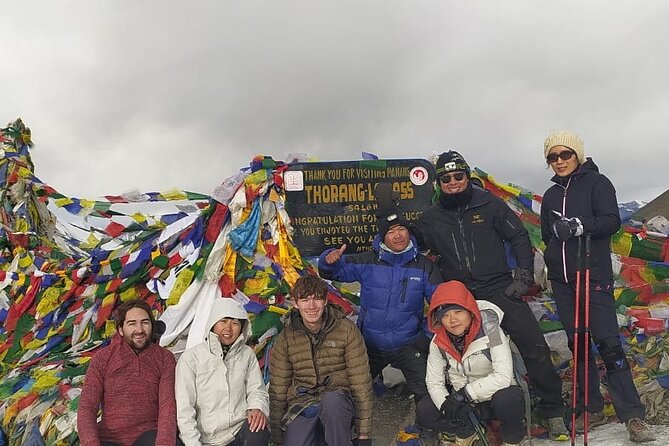
- Day 7: Thorong La Pass (5416m) to Muktinath—early start, big descent, spiritual stop
- Day 8: Jomsom to Pokhara by jeep—ending on water instead of another mountain
- Value and pricing: is $260 a good deal here?
- Guides and pacing: why support matters on the Annapurna Circuit
- What to pack and how to prepare for Thorong La (without overthinking)
- Should you book this Annapurna Circuit trek with Bold Himalaya?
- FAQ
- What’s the duration of this Annapurna Circuit trek?
- Where does the trek start, and is pickup included?
- What’s included in the trek permit paperwork?
- Are meals included?
- Does the tour include gear like a sleeping bag or trekking poles?
- What isn’t included in the price?
Key highlights I’d prioritize before you book
- Private group with your own guide: only your group participates, so you’re not sharing attention with strangers.
- Thorong La Pass day is structured: early start to the pass, then a long descent to Muktinath and onward drive to Jomsom.
- Acclimatization isn’t skipped: a rest day in Manang with an optional hike to Gangapurna Lake.
- Permits and TIMS are included: Annapurna Conservation Area permit plus TIMS card are handled for you.
- Food coverage is strong: 7 breakfasts, 7 lunches, and 7 dinners are included, so you’re not worrying about meals daily.
- Real guide support shows up: from pacing tweaks (Garap) to altitude help (Sirgan), support is part of the value.
Annapurna Circuit in 8 days: the smart way to focus on the trail
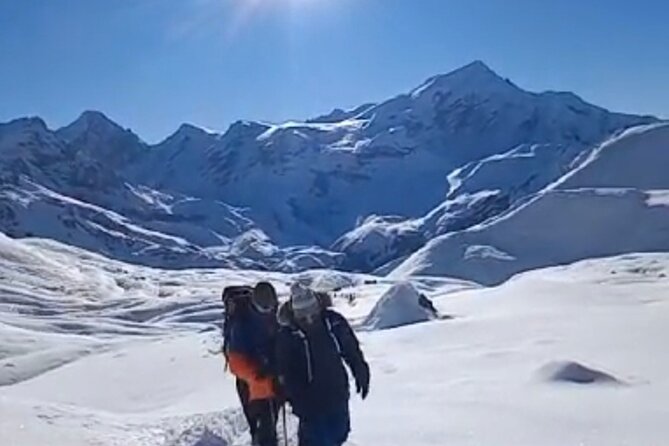
An 8-day Annapurna Circuit trek is often a sweet spot for people who want the famous highs without spending weeks on the route. What makes this plan feel workable is the daily rhythm: drive days to reset you, trekking days with clear end points, and one built-in altitude day in Manang.
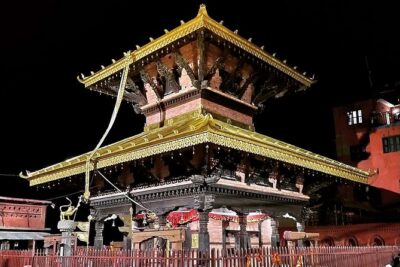
You’ll also get a mix of trekking styles. Some days are woodland and village walks, others are alpine climbs, and then you hit the pass day that’s all about timing and steady effort. The tour’s theme is not just scenery—there’s also room for cultural moments, including a stop connected to the sacred Lord Vishnu Temple mentioned in the trip overview.
The best part for most people is that you don’t spend energy doing logistics math. You show up, and the route keeps moving.
You can also read our reviews of more guided tours in Kathmandu
Pickup and the drive to Chame: where the trek actually starts
The trip begins with pickup in Kathmandu (and the broader service includes shared transportation from Kathmandu, Pokhara, or Chitwan to the Besisahar to Chame jeep section). That matters because getting to the trailhead in Nepal can eat time and patience if you DIY it.
Day 1 is a long travel day: you drive to Besisahar, then continue by jeep to Chame. It’s about 6 hours of moving, and the goal is simple: get you positioned so Day 2 is real trekking, not another half-day of scrambling for transport.
Practical tip: wear layers for the jeep ride. Even if your day starts warm, Nepal drive days can shift quickly once you’re moving through valleys and higher roads.
Day 2: Dhikur Pokhari to Upper Pisang—forests, villages, and a slow altitude climb
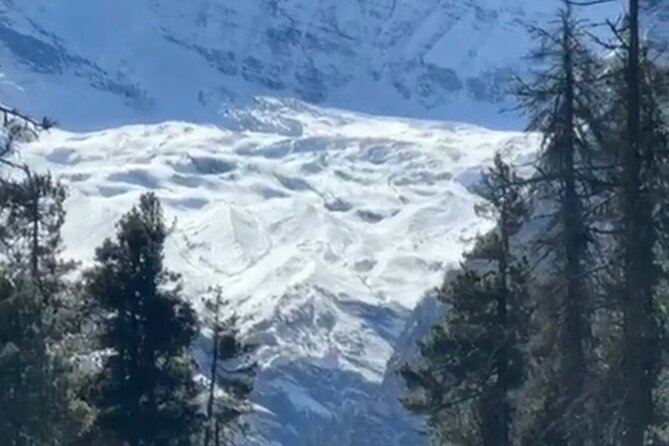
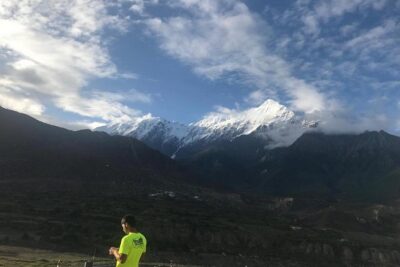
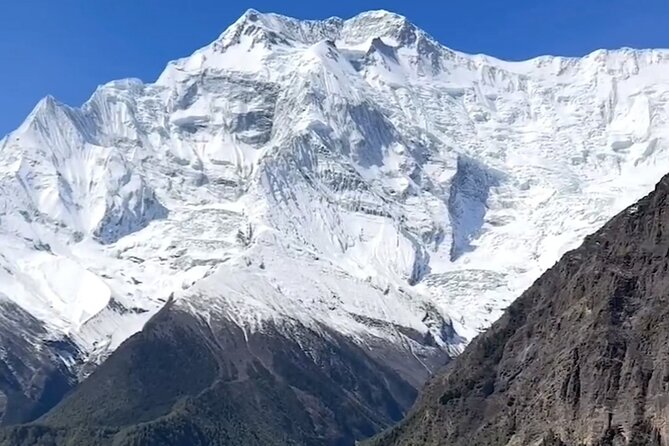
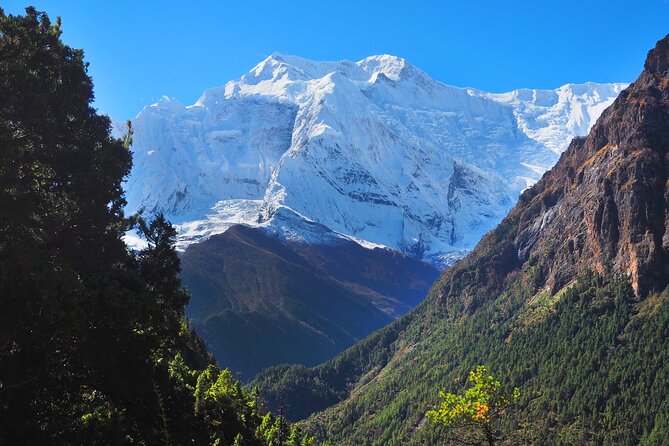
Day 2 brings you into the trek proper, and it’s a good transition day. You’ll trek through dense forests with views toward Annapurna II, then pass Dhikupokhaari village and keep moving toward Pisang. The route includes Lower Pisang before you climb up to Upper Pisang, where you overnight.
This is the kind of day you’ll appreciate if you like the feel of the circuit beyond just the high pass. Upper Pisang is higher than where you started the morning, so you’re gradually gaining altitude without going straight into the hardest terrain.
What can be a downside on Day 2: forest days can mean you’re in cloud or mist more often than you expect. If visibility is low, you’ll want to stay present anyway—because the village moments and the steady climb still make it worthwhile.
Days 3 and 4: Ngawal viewpoint time, then Manang acclimatization (don’t skip it)
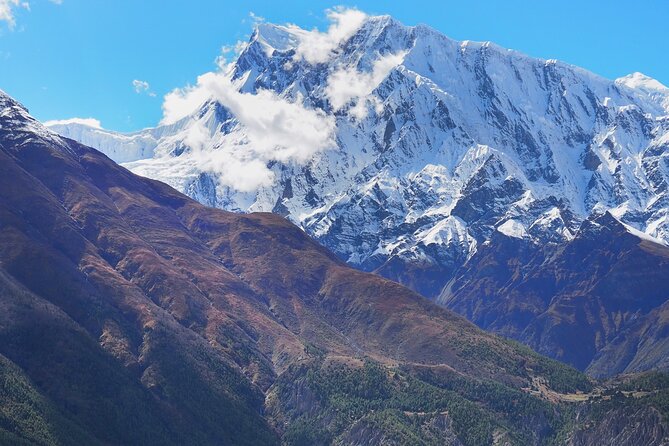
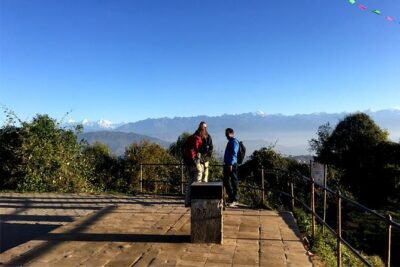
By Day 3, you’re heading toward Manang, after a stop that includes a trek to Ngawal with breathtaking views of the Annapurna range. Then you continue on to Manang to unwind after a day of walking. This day is around 6 hours total trekking time.
Manang is more than just a dot on the map. It’s your acclimatization anchor. Day 4 is a rest day there, and that choice is genuinely valuable. Your body needs time to adjust before Thorong La day.
On Day 4 you have an optional hike to Gangapurna Lake. If you feel good, it’s a great way to get movement in without forcing your stamina to the edge. If you’re not feeling great, you can rest and let your breathing settle.
Either way, you’re practicing one of the biggest altitude rules: gaining height in increments, not all at once.
Days 5 and 6: Yak Kharka to Thorong High Camp—the night before Thorong La
Day 5 takes you from Manang’s acclimatized zone toward Yak Kharka through alpine terrain, passing Letdar along the way. It’s about 5 hours of trekking. You’ll likely notice the air getting thinner and the environment becoming more stark. This is the day many people start feeling the “serious trek” vibe.
The goal on Day 6 is to reach Thorong High Camp (4450m). The walk from Yak Kharka to Thorong High Camp is about 4 hours, but it’s a crucial step because it sets you up for the next morning’s pass push.
You can think of these two days as the runway. They’re not about winning a distance contest. They’re about getting your body into the right rhythm for the early start over the pass.
If you’ve got even mild worry about cold nights, plan ahead. Thorong High Camp is high, and comfort depends on what you pack and how you manage your layers—this is where having trekking poles helps if they were provided for you.
You can also read our reviews of more private tours in Kathmandu
Day 7: Thorong La Pass (5416m) to Muktinath—early start, big descent, spiritual stop
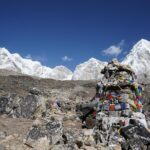
Day 7 is the headline. You start early to ascend to Thorong La Pass at 5416m. Then you descend to Muktinath at around 3800m and drive to Jomsom.
This day is listed at about 6 hours total. In practice, it’s a long day because you’re combining an altitude summit effort with a heavy-feeling descent and then the transfer component to Jomsom.
The most important thing you can do is keep your effort steady on the way up. Your guide’s job here is to manage pacing and decision-making so you don’t blow up early. One of the most reassuring pieces of support from this trip style is that guides like Garap adjusted pacing and equipment for the trekker who needed it, and Sirgan was extremely helpful for someone dealing with altitude sickness.
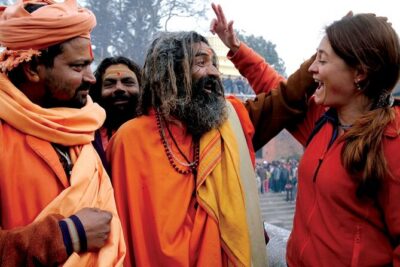
After you clear the pass, Muktinath isn’t just another stop. The trip overview calls out a visit connected to the sacred Lord Vishnu Temple, and Muktinath is a place where spiritual stops feel real, not staged. It gives the day a second meaning: you’re not only traveling through altitude—you’re also arriving at a cultural landmark.
Day 8: Jomsom to Pokhara by jeep—ending on water instead of another mountain
The final day is travel and recovery. You take a scenic jeep ride from Jomsom to Pokhara, about 6 hours, and then you arrive in Pokhara, the lakeside city.
This matters because Pokhara is where you can actually exhale. After Thorong La day, the ride acts like a bridge between high-altitude exertion and a more comfortable travel pace.
One thing to keep in mind: jeep rides can feel long if you’re sore. Bring something for comfort, and treat this day as part of the trek’s finish line, not a free bonus.
Value and pricing: is $260 a good deal here?
At $260 per person, this is positioned as a cost-effective way to get a structured, guided Circuit trek rather than piecing everything together yourself. The average booking timeline being about 38 days in advance also tells me people are planning ahead to secure dates—so if you like a specific travel window, don’t wait too long.
What you actually get for the price is the real story:
- Permits included: Annapurna Conservation Area permit + TIMS card. This saves you time and avoids the common hassle of trying to sort paperwork last minute.
- Meals included: 7 breakfasts, 7 lunches, and 7 dinners. For a trek, that’s meaningful value. It reduces daily decision fatigue and lets you focus on walking and rest.
- Guides are fully supported: the guide includes insurance and coverage for salary, food, and accommodation, which typically improves consistency.
- Transport included for key legs: shared transport from the Kathmandu/Pokhara/Chitwan region to the Besisahar-to-Chame jeep section, plus Jomsom to Pokhara.
There are also clear exclusions. Travel insurance isn’t included, and tips for your guide aren’t included. Bar bills and extra meals fall outside the package too.
My take: $260 makes sense if you want a guided plan that handles the paperwork, most food, and the key transfers. It’s less attractive if you’re hoping to keep costs ultra-low and you’re already set on doing logistics independently.
Guides and pacing: why support matters on the Annapurna Circuit
This is where the trip earns its strong reputation: the guides don’t just point and walk. They adjust.
I like that the service style emphasizes pacing and equipment. In one case, Garap adjusted gear and the trekker’s tempo so the trek could be completed. In another situation, Sirgan was extremely helpful when altitude sickness showed up, and that kind of response can be the difference between quitting and continuing.
Then there’s the human touch. Sobit and Sirjan were described as humorous, and that matters on long days when the work is real. Humor isn’t fluff here—it helps morale when the air thins and the trek starts feeling repetitive.
For you, the practical benefit is this: you’re more likely to keep moving safely because someone with local trekking experience is watching the whole picture—trail timing, your condition, and how tomorrow will feel based on today.
What to pack and how to prepare for Thorong La (without overthinking)
The tour includes trekking poles if you need them, and a sleeping bag if required, but the rest of your comfort depends on your own preparation.
Since you’re going to 5416m, plan for cold mornings and big temperature swings. Bring layers you can adjust quickly, and keep your head and hands covered on the pass day. Even if the day starts clear, higher altitude can shift fast.
Also prepare mentally for an early start. The pass day is not the kind of day where you want to feel rushed by your own packing decisions the night before.
Finally, if you have any health considerations, the trip data is explicit: talk to a doctor for assistance. That’s boring advice, but altitude trekking makes it worth it.
Should you book this Annapurna Circuit trek with Bold Himalaya?
I’d book this tour if you want a private guided Circuit that handles permits, meals, and the key transfers, and you’re comfortable taking on one of Nepal’s classic high-altitude days. The Manang rest day is a big plus, and the fact that guides can adjust pacing and support altitude issues is a real selling point.
I’d think twice if your fitness level is low right now or if you’re looking for a low-effort walking holiday. Thorong La is the core challenge of the itinerary, and the tour is built around that reality.
If you want a trek where you can focus on walking, culture stops, and views from places like Ngawal—without turning your trip into a logistics project—this is a strong match.
FAQ
What’s the duration of this Annapurna Circuit trek?
It’s listed as an 8-day trek, with daily timing varying by route segment.
Where does the trek start, and is pickup included?
The tour is in Nepal with Kathmandu listed for the start, and pickup is offered. Shared transportation is included from Kathmandu, Pokhara, or Chitwan to the Besisahar to Chame jeep section.
What’s included in the trek permit paperwork?
The package includes the Annapurna Conservation Area permit and the TIMS card.
Are meals included?
Yes. The tour includes 7 breakfasts, 7 lunches, and 7 dinners.
Does the tour include gear like a sleeping bag or trekking poles?
If you need a sleeping bag, it’s included, and trekking poles are included as well.
What isn’t included in the price?
Not included items are extra meals, tips for the guide, travel insurance, and bar bills.