REVIEW · KATHMANDU
Kathmandu: Full-Day 7 UNESCO Tour with Lunch – Private/Group
Book on GetYourGuide →Operated by Relax Getaways Pvt. Ltd · Bookable on GetYourGuide
One day. Seven UNESCO sites. That’s the whole point. You get a fast, guided circuit of Kathmandu Valley’s biggest spiritual and palace landmarks—Swayambhunath, Durbar Squares, Changu Narayan, Pashupatinath, and Boudhanath—so you can get your bearings fast. I especially like the private hotel pickup setup and the way the local guides turn each stop into something you understand, not just something you photograph. The main catch is that this is a long, packed day with lots of walking, so you’ll want energy (and a little patience for traffic).
In This Review
- Key Things I’d Plan Around
- Price and What You’ll Still Pay Today
- Getting Started in Thamel: Pickup, Timing, and Comfort
- Swayambhunath: Views, Stupas, and Monkey-Temple Energy
- Kathmandu Durbar Square: Palace Courtyards and Wood-Carving Details
- Changu Narayan Temple: Older, Smaller, and Surprisingly Moving
- Pashupatinath by the Bagmati River: Sacred, Serious, and Vivid
- Patan Durbar Square and Bhaktapur Durbar Square: Newari Craft You Can Follow
- Boudhanath Stupa: Tibetan Culture in One Big Monument
- Lunch and Breaks: The Food Setup You’ll Actually Notice
- The Real Upgrade: How Guides Change Your Day
- Who This Tour Suits (and Who Might Want a Slower Plan)
- Should You Book This 7 UNESCO Full-Day Tour?
- FAQ
- How many UNESCO sites does the tour cover?
- Is pickup included?
- What time does pickup happen for group tours?
- Are monument entrance fees included?
- How much are the monument entrance fees?
- Is lunch included?
- What language is the guide available in?
- Is the tour comfortable for long travel times?
- What should I bring?
- Is the tour wheelchair accessible?
- Is cancellation allowed if my plans change?
Key Things I’d Plan Around
- 7 UNESCO sites in one day means constant motion, tight timing, and fewer long stays.
- Hotel pickup + air-conditioned transport saves time and keeps the day comfortable between sights.
- All-inclusive option matters: monument fees and lunch are included only if you select that package.
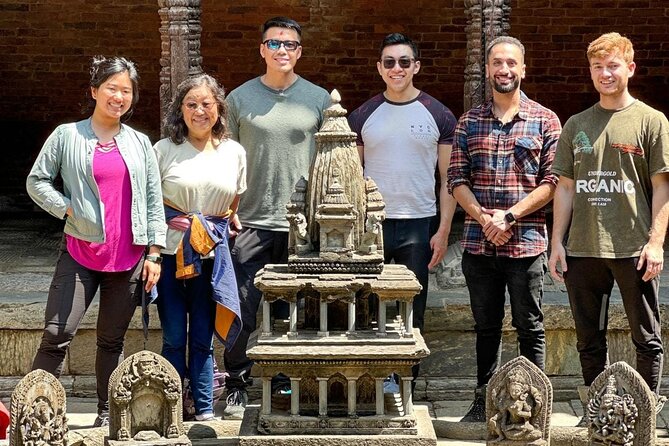
- Guides are the secret sauce—people repeatedly mention guides like Asmita, Sumit, Sajina, and Ram for clear explanations and good pacing.
- Entrance fees can be unavoidable unless you choose the all-inclusive package, so carry cash if needed.
- Bring sun protection: one practical tip I’d take from the reviews is sunscreen, because you’ll spend time outdoors.
Price and What You’ll Still Pay Today
This tour is priced at $5 per person, which sounds almost unreal—until you look at what’s separate. Monument fees are the big “watch this” item. The tour information says total entrance fees for the heritage sites are about USD 43 (NPR 5,800 per person), and that figure is relevant whether you’re on a group or private tour (with the all-inclusive package covering the fees).
So here’s the value math I’d use:
- If you choose the all-inclusive option, that low base price can feel like a bargain because guide + transport + lunch + fees are wrapped together.
- If you don’t choose all-inclusive, plan on paying monument fees at sites, and have enough cash ready. Even with a guide, that’s time you’ll spend queuing and paying.
There’s also a note for SAARC nationals: a total USD 22 fee. If that applies to you, it’s worth confirming your eligibility ahead of time.
You can also read our reviews of more private tours in Kathmandu
Getting Started in Thamel: Pickup, Timing, and Comfort
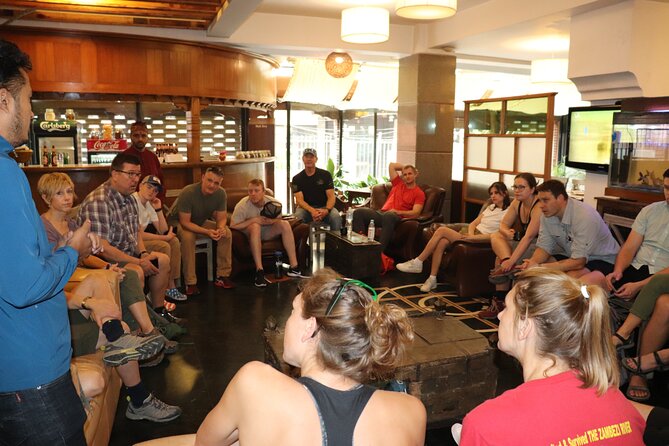
Most group departures start around 8:00 AM from the Thamel area, and you’ll receive your exact pickup time the day before. Kathmandu traffic can be chaotic, and the tour info is honest about a 3–5 minute delay sometimes happening due to coordination or road conditions. Build in a little buffer and you’ll enjoy the rhythm more.
The transport is an air-conditioned private vehicle, and the day is designed to get you close to the action so you’re not wandering for hours just to reach each monument. Reviews also mention consistently good, careful driving—especially names like Krishna popping up as a driver people felt safe with.
Swayambhunath: Views, Stupas, and Monkey-Temple Energy
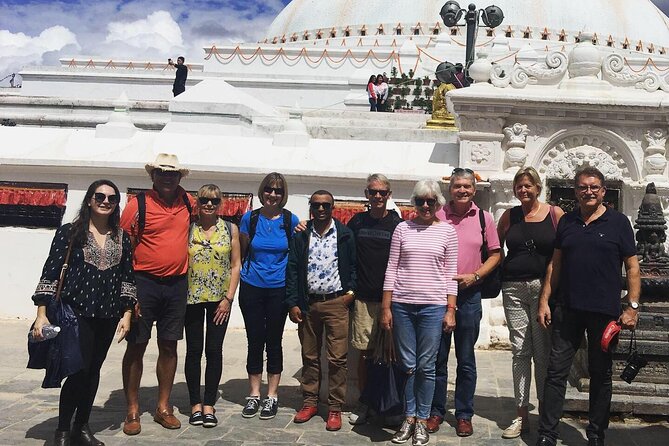
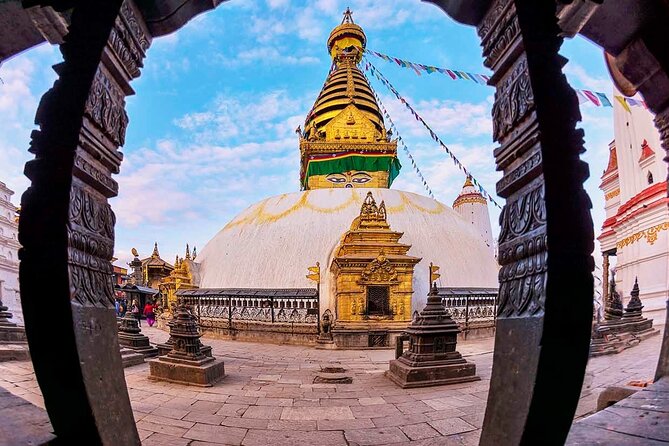
Your day often begins with Swayambhunath, commonly called the Monkey Temple. It sits on a hill with sweeping views across the valley, and that vantage point is one of the main reasons this site is worth early energy.
What I like about starting here on a structured tour: the guide doesn’t just point out the big stupa. You get context for why the layout and symbols matter to visitors and practitioners, and you see how Swayambhunath fits into Kathmandu Valley’s broader spiritual map.
Practical note: expect stairs and uneven walking. Even if your transport drops you near the entrances, you’ll still be climbing and moving through crowds.
Kathmandu Durbar Square: Palace Courtyards and Wood-Carving Details
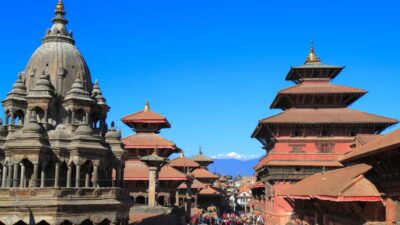
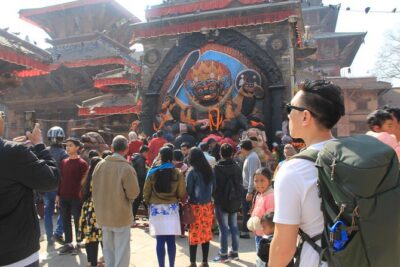
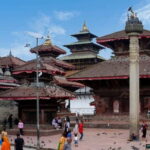
Next up is Kathmandu Durbar Square, the kind of place where “historic” becomes real because you can see old royal architecture still shaping the street scene around it.
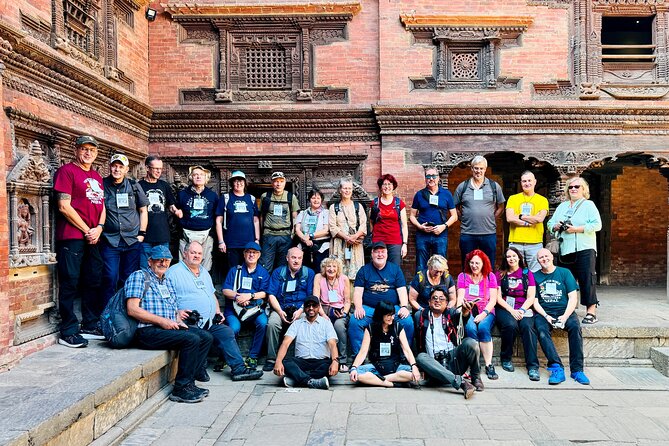
This stop is a favorite because Durbar Squares aren’t just big monuments—they’re whole clusters of temples and palace courtyards, and they show the workmanship of Newar artisans in a way that’s hard to appreciate from a distance. With a guide, you also get the story of how the royal past and living religious practices overlap here.
If you only have one day in Kathmandu, this is the kind of stop that makes the rest of your photos click. The carvings and temple forms stop looking random.
Changu Narayan Temple: Older, Smaller, and Surprisingly Moving
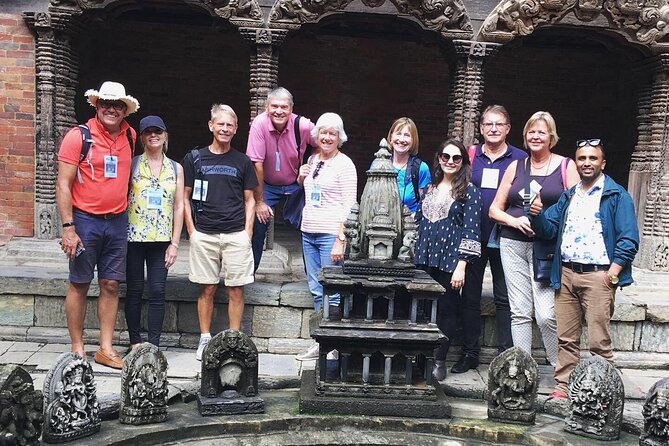
Changu Narayan Temple is often described (right in your tour info) as one of the oldest Hindu temples in Nepal, dedicated to Vishnu, with carvings that date back centuries. Even when you’re crunched for time, this is one of those stops that benefits from calm attention.
Why it works in a one-day route: it breaks the pattern of “big and busy” with something more focused and detailed. If your guide is strong—reviews repeatedly highlight guides such as Sumit and Asmita for clear English and thoughtful storytelling—this stop can land emotionally, not just visually.
You can also read our reviews of more tours and experiences in Kathmandu

Pashupatinath by the Bagmati River: Sacred, Serious, and Vivid
Pashupatinath Temple is one of the most sacred Hindu temples in the world, and it sits on the banks of the Bagmati River. This is where the spiritual “why” becomes impossible to ignore.
What you should expect: a serene-but-intense atmosphere where religion isn’t staged for tourists. You’ll likely see pilgrims moving through the temple area and riverbank flow, and the guide’s explanations help you understand the rituals and the temple’s importance beyond simple sightseeing.
Practical tip: dress modestly and be mindful of where you can stand. This is a religious place first.
Patan Durbar Square and Bhaktapur Durbar Square: Newari Craft You Can Follow
Many one-day tours try to cram in too much. This route still pulls it off because it includes not only Kathmandu’s main squares, but also Patan Durbar Square and Bhaktapur Durbar Square—two places known for intricate Newari architecture and living traditions.
Here’s what I’d look for:
- At Patan, pay attention to how temples and courtyards work together as a city of stone and carving.
- At Bhaktapur, look for density and detail. The architecture feels more “complete” in a way that makes you slow down even if time doesn’t.
One drawback of doing both in a single day: you’ll skim parts that deserve more time. A couple of review notes basically say the same thing in plain words—Bhaktapur, in particular, can deserve a full day on its own if you want to wander more deeply.
Boudhanath Stupa: Tibetan Culture in One Big Monument
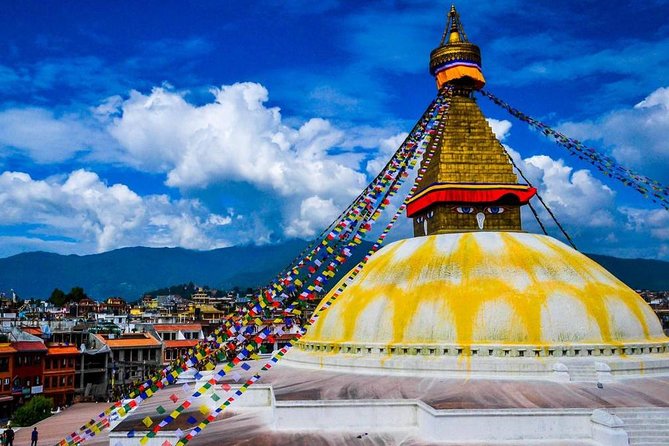
The tour ends with the awe-inspiring Boudhanath Stupa, a massive Buddhist monument and a hub for Tibetan culture and spirituality. This is a strong finish because you go from palace squares and Hindu temples into a different spiritual atmosphere—and the scale of Boudhanath does the emotional heavy lifting.
What I like here is the variety of activity around the stupa. Even if you’re not fluent in the symbols, you can feel why people come—this is the kind of place where devotion and daily life overlap.
If your guide has extra time, you might get short cultural stops too. One review mentioned a healing bowl moment and a Tibetan color painting visit as memorable add-ons. Those may not be guaranteed every day, but they reflect the kind of “more than just photos” approach some guides bring.
Lunch and Breaks: The Food Setup You’ll Actually Notice
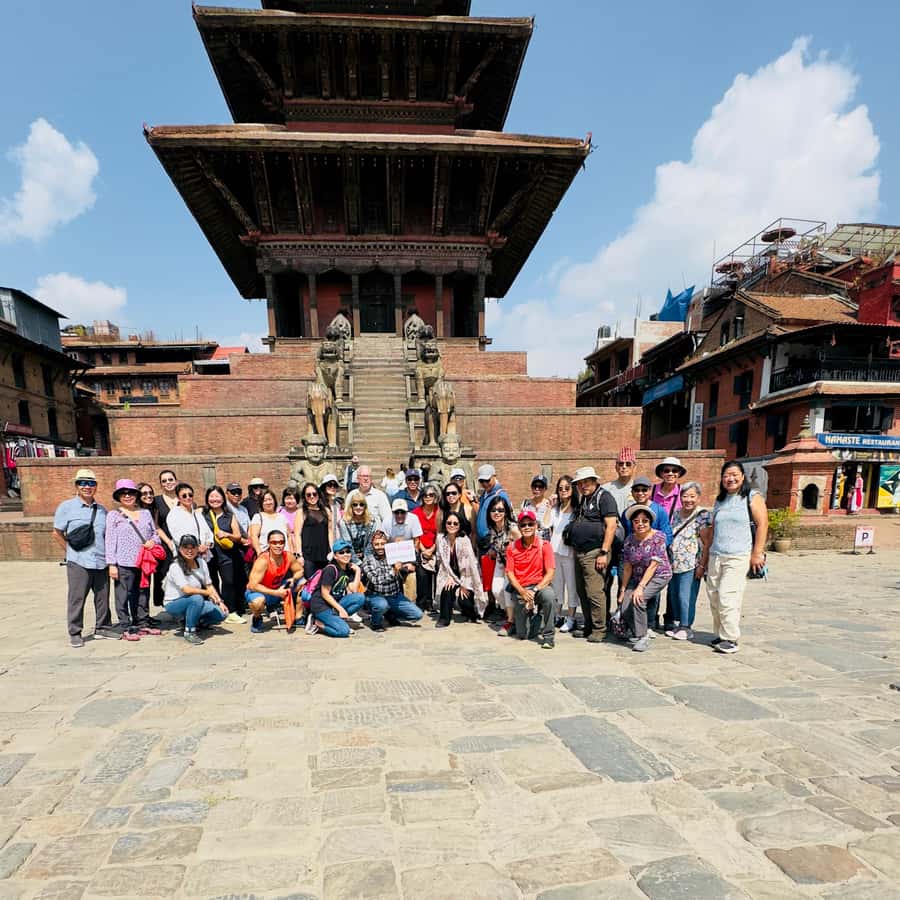
If you pick the right package, food is part of the experience instead of an afterthought.
Your tour includes a lunch box with items like bottled water (500ml), a muffin, donut, banana, seasonal fruit, and juice. For the all-inclusive option, you also get lunch at a local restaurant with a Nepali meal, and monument fees are covered too.
In one review, a lunch choice like rice with chicken and vegetables was described as delicious and filling. That’s consistent with how tour meals work in Nepal: simple, hearty, and meant to keep you going through walking.
One other practical point: because the day is packed, short tea/snack pitstops can make a difference. Several reviews mention guides stopping for snacks and tea, and I’d take that as a sign to pace yourself.
The Real Upgrade: How Guides Change Your Day
With a tour like this, the guide can make or break your experience. The best thing about the guides mentioned in reviews is not just facts—it’s clarity and pacing.
People repeatedly praised guides by name, including:
- Asmita for organized communication and strong explanations
- Sumit for high English level and patient answers to questions
- Sajina for detail, enthusiasm, and accommodating questions
- Ram for deep local knowledge and smooth navigation through Kathmandu traffic
- Anon/Ananta in multiple reviews for warmth and keeping the day moving well
Here’s how you can get more out of it:
- Ask one “why” question per stop (not ten). You’ll remember the answer.
- Use the viewpoint moments (like from Swayambhunath) to ask how sites connect historically across the valley.
- If you’re short on time, don’t ask for more sights. Ask for more meaning.
Who This Tour Suits (and Who Might Want a Slower Plan)
This is a great choice if:
- You’re doing Kathmandu as a tight schedule stop and want to cover the essentials.
- You like spirituality, architecture, and religious history more than “wandering without a plan.”
- You want private pickup and a guide so you don’t spend your day sorting logistics.
It’s not ideal if:
- You dislike long days or you prefer a slow, sit-down pace.
- You have mobility limitations—your info says it’s not suitable for wheelchair users.
- You need a route designed for someone with visual impairment—your info also says it’s not suitable for visually impaired people.
Also, be realistic: seven major sites means you’ll be walking, standing, and moving through crowds. Bring sunscreen, water, and comfortable footwear.
Should You Book This 7 UNESCO Full-Day Tour?
If your goal is to see the big Kathmandu Valley highlights in one day and you want a guide to explain what you’re looking at, I think this tour is a smart buy—especially with the all-inclusive option if you want fewer hassles.
I’d recommend booking this when:
- You only have one full day in Kathmandu.
- You want a structured route that covers Hindu and Buddhist sites together.
- You value a knowledgeable guide more than lingering at one place.
I’d hesitate if:
- You’d rather spread sites out over multiple days for slower wandering, because the pace here is intense by design.
- You’d feel stressed about paying for monument entry unless you’ve chosen the all-inclusive package.
For most first-timers, this is the kind of day that helps you understand Kathmandu quickly—then you can decide what deserves your second visit.
FAQ
How many UNESCO sites does the tour cover?
The tour covers 7 UNESCO World Heritage Sites in Kathmandu Valley in a single full day.
Is pickup included?
Yes. The experience includes hotel pickup and drop-off.
What time does pickup happen for group tours?
For group tours, pickup begins around 8:00 AM within the Thamel area, and you’ll get your exact pickup time one day in advance.
Are monument entrance fees included?
Entrance fees are included only if you select the all-inclusive option. Without that option, monument fees are not included.
How much are the monument entrance fees?
Entrance fees for all heritage sites total approximately USD 43 (NPR 5,800 per person).
Is lunch included?
Yes. The tour includes a lunch box with items like bottled water, fruit, juice, and a muffin/donut. If you choose the all-inclusive option, lunch at a local restaurant is included as part of the package.
What language is the guide available in?
Guides are available in English and Hindi.
Is the tour comfortable for long travel times?
The tour uses air-conditioned private transportation, and it includes bottled water for refreshment during the day.
What should I bring?
Bring a camera, cash (especially if monument fees are not covered in your package), a daypack, and an ID/passport (a copy is accepted).
Is the tour wheelchair accessible?
No. The tour is not suitable for wheelchair users.
Is cancellation allowed if my plans change?
You can cancel up to 24 hours in advance for a full refund.