REVIEW · KATHMANDU
Kathmandu: Local Women-Led Nepali Cooking & Momo Class
Book on GetYourGuide →Operated by Relax Getaways Pvt. Ltd · Bookable on GetYourGuide
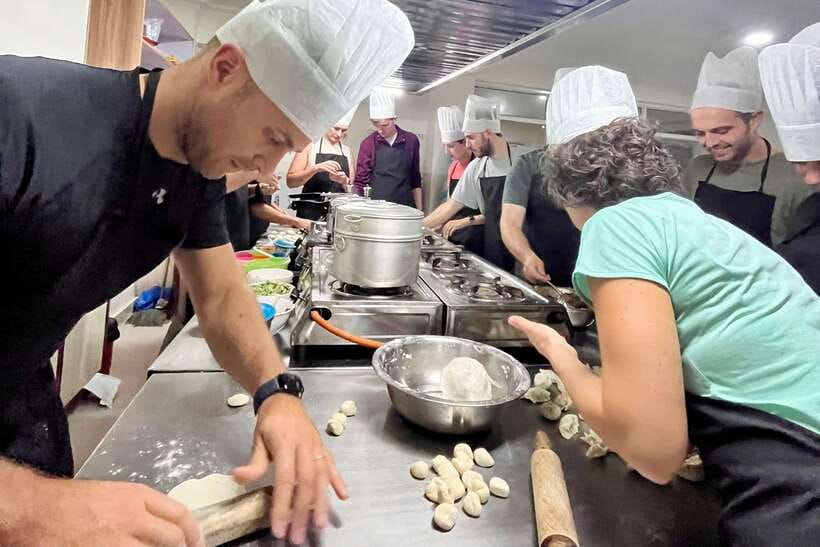
Momos start with a dough lesson. This local, women-led Kathmandu class pairs a market stop with hands-on cooking, so you learn how Nepali flavors are built from scratch. I especially liked watching instructors like Nish guide everyone through each step without rushing.
My second big win was how practical the teaching felt—English guidance, a small group setup, and patience from the team (including Vikram in some classes) made it easy to actually get it right. You’re not just tasting; you’re shaping dumplings, mixing fillings, and learning why each ingredient matters.
One thing to consider: the cooking space has stairs, and the class isn’t suitable for wheelchair users or visually impaired people.
In This Review
- Key things to know before you cook in Kathmandu
- Why Thamel is the right starting point for Nepali cooking
- Market visit: choosing spices, vegetables, and fillings like a home cook
- Momo from scratch: dough, fillings, and the folding you’ll repeat at home
- Dal bhat, curry, and roti: building a Nepali meal rhythm
- Chatamari, bara, yomari, and sweets: more than a momo class
- Tea, kitchen pacing, and practical tips that make the class smoother
- Value for $4: what you actually get in three hours
- Who should book this Kathmandu cooking class
- Should you book this women-led momo and Nepali cooking class?
- FAQ
- How long is the Kathmandu cooking and momo class?
- What dishes will I learn to cook?
- Is the class vegetarian-friendly?
- Does the price include pickup?
- Is the instruction in English?
- Is there a recipe book after the class?
- What should I bring with me?
Key things to know before you cook in Kathmandu
- Women-led instruction with clear names you’ll remember, including Nish and Vikram
- Market-shopping first, so you learn ingredient choices in real life
- You make momo and dal bhat, not a quick demo
- Menu flexibility for vegetarian or meat options
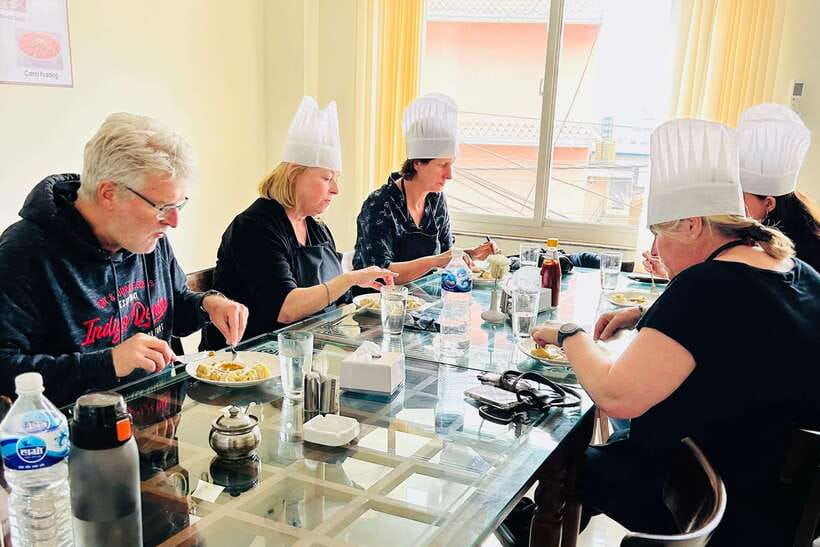
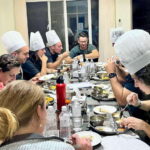
- You eat what you make, with masala tea and plenty of food
Why Thamel is the right starting point for Nepali cooking
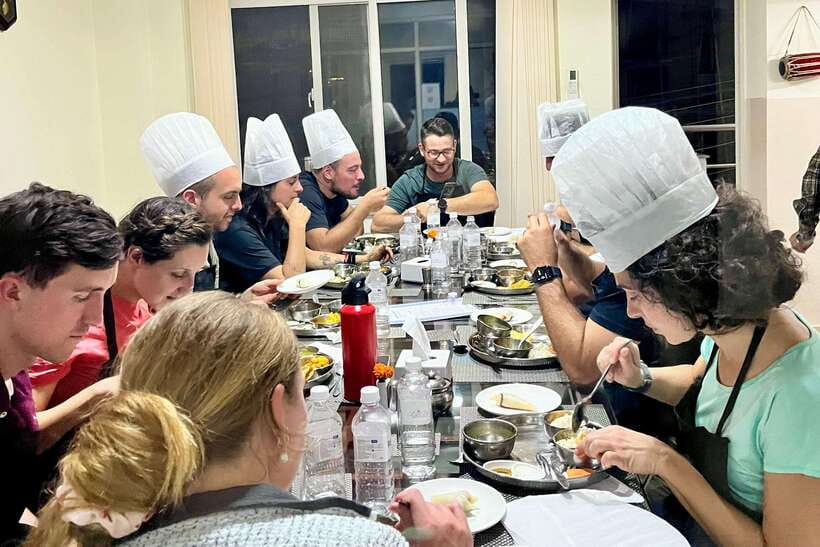
Thamel is a smart base because it’s close to where the action is, and the class is designed to fit into a normal day. If you’re staying nearby, you can usually keep things simple and get there without a big planning headache.
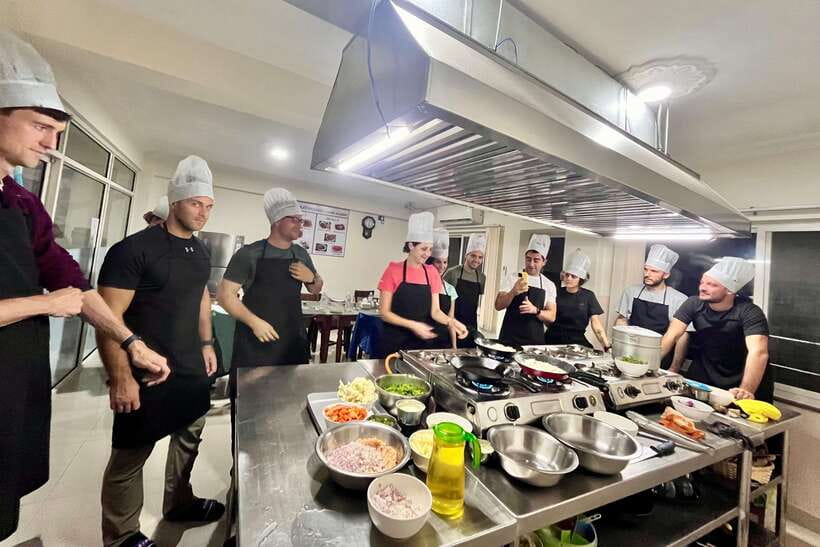
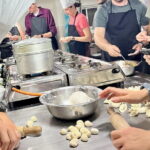
The class has a relaxed, kitchen-focused rhythm: you arrive, get geared up, cook, and then sit down for what you made. Nish (and sometimes Vikram) set the tone—friendly, organized, and tuned to helping you follow along even if you’re new to Nepali food.
You can also expect a small group. That matters because momo technique is hands-on, and you’ll want close help while you’re folding and pressing. Plus, the atmosphere is social in a low-pressure way, which is great if you enjoy meeting people while doing something practical.
If you’re thinking about logistics, note that pickup is optional (depending on what you choose), and the class duration runs around three hours, including the market visit and eating. Also plan to arrive about 15 minutes early so you don’t feel rushed when the cooking starts.
You can also read our reviews of more cooking classes in Kathmandu
Market visit: choosing spices, vegetables, and fillings like a home cook
The market stop isn’t just a photo break. It’s where you learn why certain ingredients work—what to look for, how to select vegetables and spices, and how meat options differ when you’re cooking Nepali dishes at home.
In this class flow, you go out early enough that the shopping connects directly to what you’ll cook next. You’ll pick up items used in momo fillings and dal bhat staples, plus any additional dishes you choose from the menu. Seeing the ingredients in person helps you understand what “fresh” and “spices” really mean in Nepali cooking.
It’s also where you start to notice flavor building blocks. For example, the class highlights how spices show up across dishes, not only in sauces. After the market, your kitchen work makes more sense because you’ve already handled the ingredients and chosen them yourself.
One small caveat: the market commentary can vary depending on the guide and pace. If you’re the type who wants a long explanation at every stall, you might wish you had more time hearing details about every item—but the hands-on cooking more than makes up for it.
Momo from scratch: dough, fillings, and the folding you’ll repeat at home
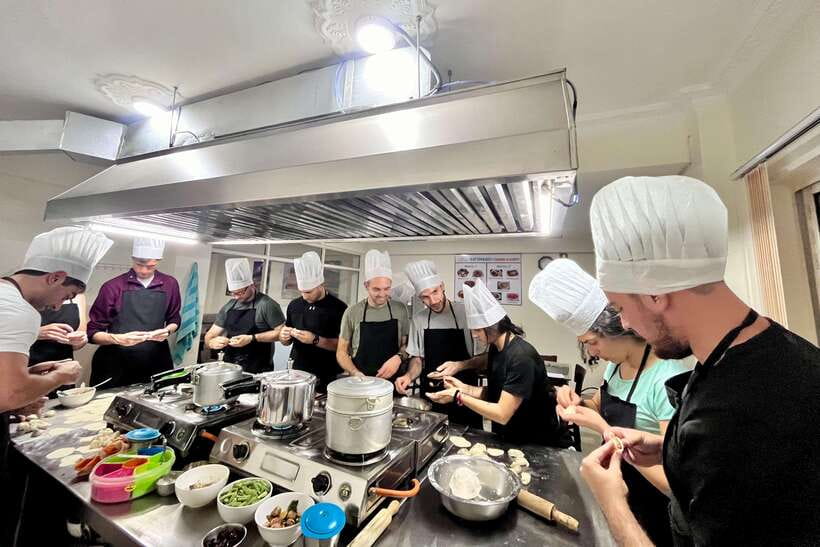
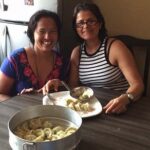
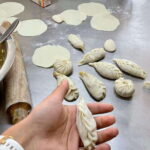
Momo is the star of the show, and you’ll work through it from dough to filling to shaping. This is the part you remember because it’s tactile: you mix, portion, fill, and fold. Then you get to eat dumplings that came from your own hands.
The class typically covers momo with options for chicken or vegetarian fillings, so you can pick what fits your diet. Many people leave saying they feel confident making momos again at home, mainly because the steps are broken down clearly and practiced as you go.
You’ll also learn the “why,” not only the “how.” The instructors explain the technique behind getting the right wrapper texture and the right balance in the filling. You’re not just copying shapes—you’re learning the method so your dumplings don’t turn out gummy or dry.
Dipping sauce is another practical win. You’re not stuck with a generic store-bought sauce; you’ll make the kind of sauce Nepalis expect to go with momo. That combination is what makes momo feel like food, not just dumplings.
If you want extra motivation, pay attention during the shaping stage. Several guides’ teaching styles get praised for being patient and encouraging, and it shows in how the group learns together. And yes, you might find you eat a lot—one guest ended up with extra to take later because they couldn’t finish all the momos right away.
Dal bhat, curry, and roti: building a Nepali meal rhythm
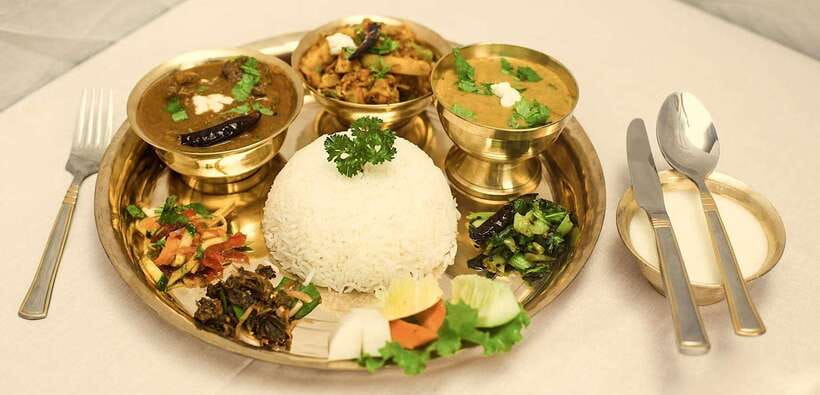
Dal bhat is the core comfort dish, and this class treats it like the main course, not an afterthought. You’ll learn how to bring together rice and lentil curry into the Nepali plate rhythm—simple on paper, but very specific in practice.
The “from scratch” value here is that you see how lentils and spices create depth without needing fancy shortcuts. The class also puts focus on seasoning, so you learn how the flavor changes as you cook rather than guessing at the end.
Depending on your menu choices, you may also make roti and a chicken curry side. That matters because it gives you a full meal picture: something starchy, something saucy, something spiced. The result is a plate that feels like what you’d order in Kathmandu, not just a single dish workshop.
For vegetarians, there are still plenty of ways to build variety. The menu can include vegetarian options alongside the dal bhat focus, so your cooking time stays meaningful instead of feeling like you’re waiting while others make meat-based dishes.
This part of the class is also a good way to understand Nepali cooking habits. Many dishes rely on spice blends used across multiple recipes, so once you learn how they behave in dal, you’ll recognize patterns when you taste other items later.
Chatamari, bara, yomari, and sweets: more than a momo class
Even if momo is the headline, you’re very likely to cook more than one dish. The menu can include things like chatamari (often called the Nepali pizza because it’s a flatbread topped with ingredients), bara (deep-fried lentil patties), and sweet dumplings like yomari.
Chatamari is a fun change of pace because you get a batter/flatbread-style approach instead of dumplings. It’s also a chance to learn how toppings and seasoning work together, so the dish is more than just “bread with stuff.”
Bara gives you contrast in texture—crispy outside, tender inside. It’s one of those snacks that teaches you how lentil-based batter and frying work as a system. If you’re a foodie who likes technique, this is a highlight.
For dessert, you may see sweets like yomari (filled with jaggery and sesame) and sometimes carrot pudding (or other sweet items such as kheer, depending on the menu). These desserts show you that Nepali cuisine isn’t only spicy and savory. Jaggery-based sweetness has a distinct flavor—warm, round, and not just “sugar.”
There are also other optional dishes that may appear depending on what you select, including thukpa (a hearty noodle soup), mushroom choila (spicy marinated mushrooms), and additional curries. The practical takeaway is that you’ll leave with a handful of recipes you can repeat, not just one.
You can also read our reviews of more tours and experiences in Kathmandu

Tea, kitchen pacing, and practical tips that make the class smoother
Masala tea is part of the experience, and it’s more than a token drink. It gives you a Nepali flavor baseline while you’re working, so you’re tasting the same kind of spice warmth that shows up in the food.
The pace tends to be slow enough for questions. Multiple guests mention the instructors’ patience, and that shows in how the group doesn’t get left behind. If you’re shy or your English is limited, you can still follow the step-by-step structure, and the guides will help you catch up.
Hygiene is taken seriously in the kitchen setup. You’ll want to tell the instructor about allergies or medical conditions before you start, since they ask you to share that information up front.
Practical stuff to bring and wear:
- A camera, since you’ll likely want photos of the dishes and the process
- Comfortable clothing for cooking (you’ll work with hands and heat)
- Expect aprons and kitchen tools to be provided
You can also request a recipe book after the class. You’ll be able to get a PDF version via WhatsApp, and physical books are available for purchase if you want a printed copy later.
Finally, a small reality check: this isn’t wheelchair-friendly and there are stairs. If mobility is an issue for you, plan accordingly before you book so you don’t end up climbing more than you expected.
Value for $4: what you actually get in three hours
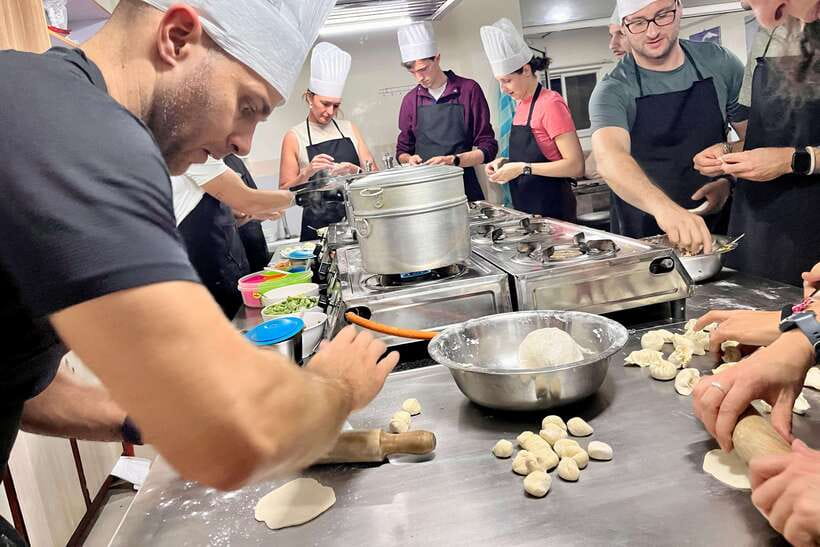
At around $4 per person, this class is strong value because it combines three things people usually pay separately for: market shopping, hands-on cooking instruction, and a full meal you eat at the end.
Most “food tours” give you bites and a story. This gives you skills. You learn momo technique, you make dal bhat, and you often make additional dishes from the menu selection. The cost reflects that it’s practical and local—your money goes into ingredients, teaching, and the kitchen experience.
It also helps that the class is built for small groups. That’s not just comfortable; it’s efficient. When you’re spending time folding and shaping, you need guidance, and small-group teaching makes it more likely you’ll finish with dumplings that look like dumplings.
What’s not included is specialty drinks or alcohol. That keeps the price low and predictable. If you do want extra beverages, you’d handle that on your own.
Overall, if you’re in Kathmandu for a short visit and want one activity that teaches you something real, this is a good pick. You come out with a meal, plus the ability to recreate at least some dishes later.
Who should book this Kathmandu cooking class
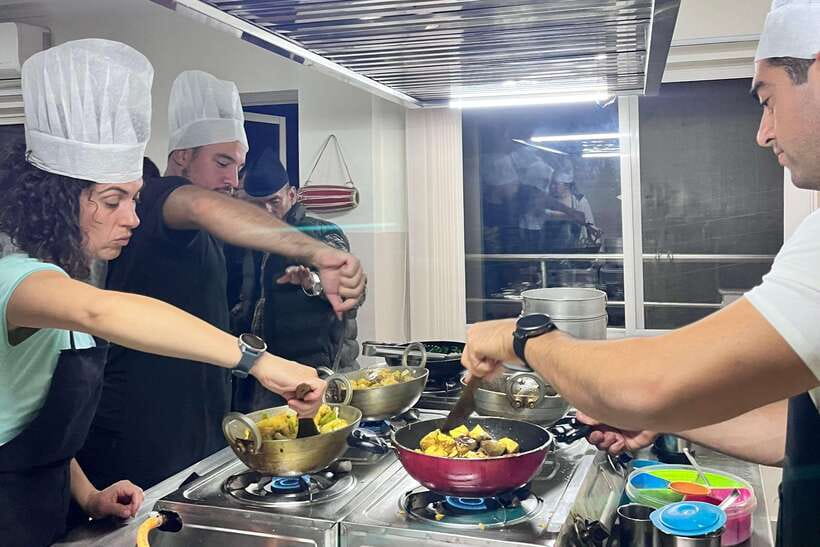
Book it if you want a hands-on introduction to Nepali food and you like practical learning. It fits first-timers very well because the class is focused on core staples like momo and dal bhat, while still offering extra dishes for variety.
It also fits groups of friends or couples. People consistently like the social, relaxed kitchen vibe, and you’ll naturally talk while working. If you’re traveling solo, small-group setup helps too, since you’ll be paired into the cooking and tasting flow.
Choose it carefully if you need step-free access or have visual accessibility needs, since the class isn’t set up for wheelchair users or visually impaired people.
If you have dietary restrictions, tell them in advance. The class supports vegetarian and meat options, and they also request that you share allergies or medical conditions prior to cooking.
If your main interest is one very specific dish only, you might want to check your menu options ahead of time. The class focuses on momo and dal bhat, with other dishes depending on what you select, so plan based on your priorities.
Should you book this women-led momo and Nepali cooking class?
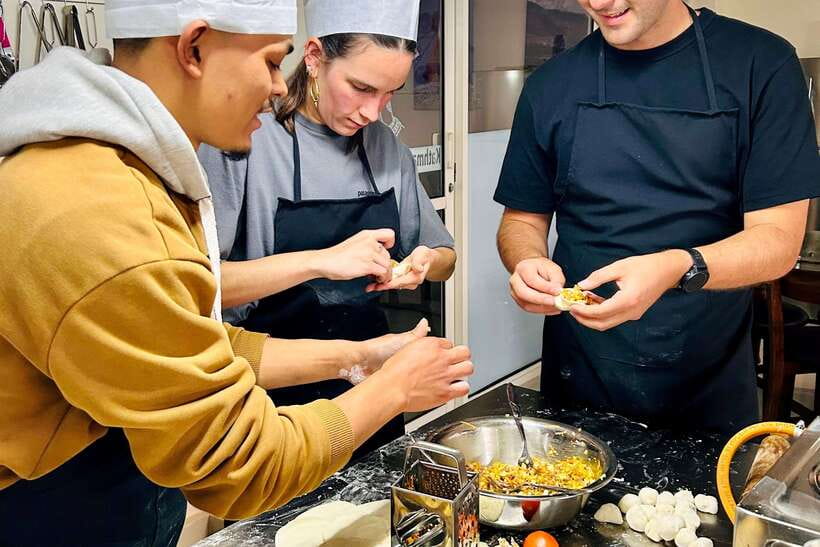
Yes, if you want a low-cost, skills-based food experience in Kathmandu that ends with a real meal. For most people, the biggest reason to book is simple: you come away knowing how to make momo dough and filling, and you learn how dal bhat works as a complete plate.
I’d book especially if:
- You’re short on time and want the “core” Nepali dishes
- You like markets and ingredient choice
- You want something you can repeat at home, not just eat once
Skip it only if mobility is a major concern for you, or if you prefer purely observational food experiences. If you’re ready to cook, this class is one of the most practical ways to connect with everyday Nepali food culture in a few hours.
FAQ
How long is the Kathmandu cooking and momo class?
The experience lasts around 2 to 4 hours, and it’s typically about 3 hours total, including the market visit, cooking, and tasting.
What dishes will I learn to cook?
The class focuses on momo and dal bhat as main dishes, with menu options to add other Nepali dishes. Options can include chicken or vegetarian momo, roti, and other items like chatamari, bara, and sweet treats.
Is the class vegetarian-friendly?
Yes. You can choose vegetarian options, including vegetarian fillings for momo, and you can let the organizers know your dietary preferences in advance.
Does the price include pickup?
Hotel pickup and drop-off are included only if you select the pickup option. Pickup is available from within Kathmandu.
Is the instruction in English?
Yes. The instructor teaches in English.
Is there a recipe book after the class?
You can request a recipe book after the class. You can get a PDF version via WhatsApp, and physical books may be available for purchase for an additional cost.
What should I bring with me?
Bring a camera. Wear comfortable clothing for cooking, since you’ll be working in the kitchen.