REVIEW · KATHMANDU
Everest Base Camp trek with Helicopter return 9 days
Book on Viator →Operated by Adventure Master Trek · Bookable on Viator
Nine days, then the sky brings you home. This Everest Base Camp with helicopter return trek is built for people who want the classic Everest highlights without a long grind. You’ll spend 7 full days in the Khumbu, gradually climbing to Kala Patthar (5,644 m) before returning toward Kathmandu via helicopter.
Two things I really like: the built-in altitude care and the route variety. You get an oximeter and first-aid support, with checks of pulse, oxygen saturation, and heart rate twice a day—plus expert mountain guides who keep the group moving with safety in mind. And the walking days hit the recognizable Sherpa circuit: Namche Bazaar, Khumjung, Tengboche, Dingboche, the Khumbu Glacier day, and finally Gorak Shep and Kala Patthar.
One consideration: your final day includes a big viewpoint mission and then a flight-based return rhythm. Once you commit to the helicopter exit, you’re less in control of pace for the last stretch than on a full down-trek.
In This Review
- Key things that make this Everest plan work
- Why a helicopter return makes Everest feel doable in 9 days
- Day-by-day rhythm: Lukla, Namche acclimatization, and the climb toward Khumjung
- From Kyangjuma to Tengboche: sunrise energy and Sherpa-town atmosphere
- Dingboche to the Khumbu Glacier: where the trek starts feeling remote
- Gorak Shep and Kala Patthar: your high-mountain payoff window
- The helicopter exit: trading one long day for a clean finish
- Price and value: what $3,888 covers (and what you’ll still pay)
- Guides, safety checks, and how the trip feels as a group
- Who this Everest Base Camp with heli return suits best
- Should you book this 9-day Everest Base Camp with helicopter return?
- FAQ
- How long is the Everest Base Camp trek with helicopter return?
- Where does the trip start, and is airport pickup included?
- Are flights to and from Lukla included?
- When does the helicopter ride happen?
- What is the trekking difficulty level?
- Do you include acclimatization time?
- What’s included for meals during the trek?
- Is medical support provided on the trek?
- Are permits and official fees included?
- Is tipping required?
Key things that make this Everest plan work
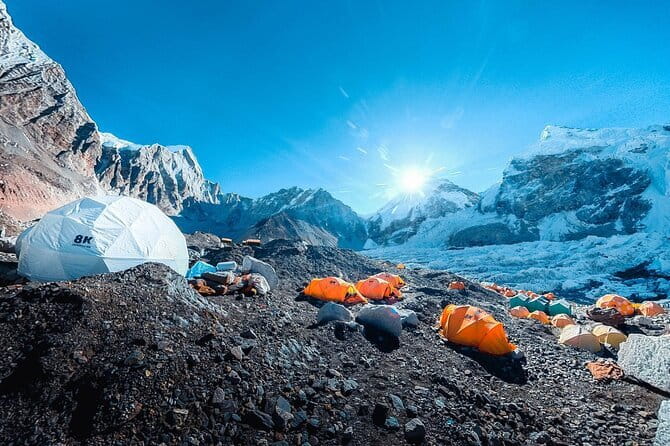
- Helicopter return from Gorak Shep to Lukla: saves you from the long descent.
- Altitude monitoring twice daily: oximeter checks plus a first-aid kit.
- Classic Khumbu stops, not a generic route: Namche, Khumjung, Tengboche, Dingboche.
- Kala Patthar is the payoff: a well-used trail above Gorak Shep for mountain views.
- One porter for two people: shared support helps keep the trek manageable.
Why a helicopter return makes Everest feel doable in 9 days
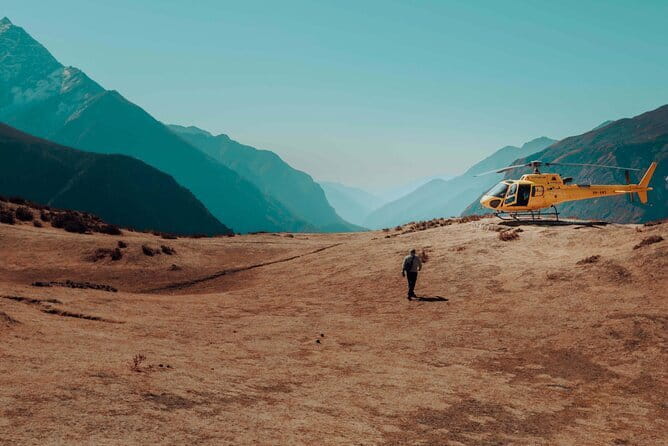
Everest Base Camp is famous for being tough in the best way. The problem is time. A normal out-and-back style trek can chew up weeks. This version is designed around a shorter goal: get you into the Everest region, reach the key high viewpoints, and then return by air after the big moments.
The trek is rated moderate, which matches the overall feel of the itinerary. You’re not doing technical climbing, but you are gaining altitude day after day and walking long stretches at altitude. The route description also flags where it gets more serious: once you go above Dingboche (4,410 m), the trail becomes more remote and steeper. That’s where your fitness and steady pacing matter most.
What I like for practical travelers is the balance between effort and payoff. You still get sunrise energy at Tengboche, a Khumbu Glacier day, and the “stand back and look up” moment from Kala Patthar. But you avoid spending multiple additional days just getting back downhill.
You can also read our reviews of more hiking tours in Kathmandu
Day-by-day rhythm: Lukla, Namche acclimatization, and the climb toward Khumjung
The trip starts with a smooth landing routine in Kathmandu. An airport team meets you at the international terminal, helps you check in, and can assist with bags. After that, you focus on one mission: rest up before the mountain schedule begins.
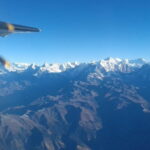
Next comes the jump to Lukla by flight. Lukla flights are short and framed by serious views from the air, and you land at Tenzing Hillary Airport. Once you’re there, porters join and you transition quickly into the trekking world, rather than spending days just traveling.
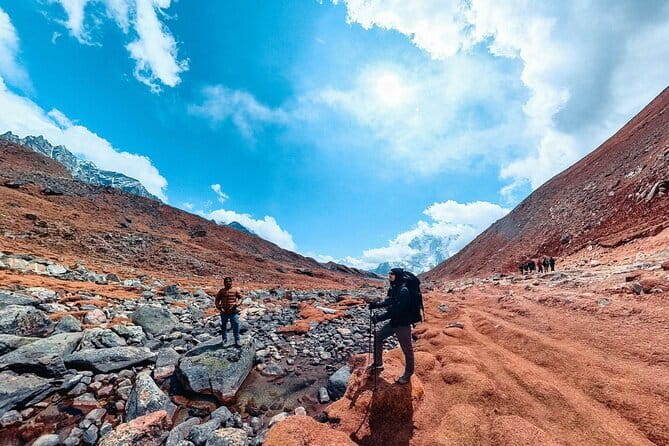
The first walking day moves from Phakding toward the Namche area via stops like Toktok (2,760 m) and Monjo. The route passes through rhododendron and magnolia forests, which is a nice contrast to the rocky high-altitude feel later on. You’ll also cross bridges—small detail, big comfort—because it gives your legs a break from constant steepness while you settle into the rhythm.
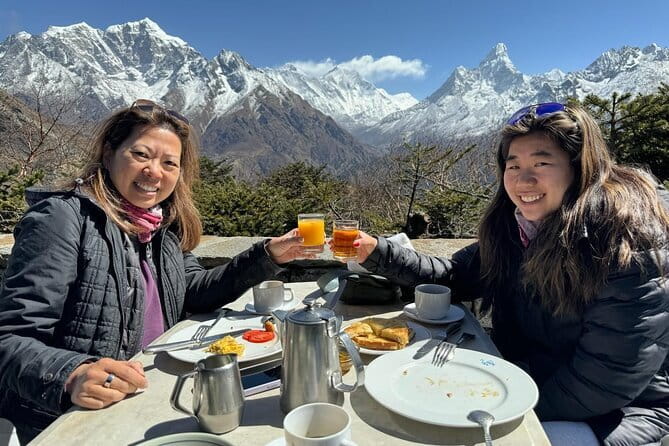
Then you reach Namche Bazaar and get a full acclimatization-style reset. This is a smart choice. At high altitude, your body needs time to adjust, and you also need time to feel like a person again, not a breathing machine. On the rest day, you head to the Syangboche Airstrip above Namche to reach the Everest View Hotel. That’s a great way to absorb big Everest views without stacking more altitude stress right away.
What to watch: the days are paced for acclimatization, but the overall pattern still climbs. If you show up with weak cardio or you rush the walking pace, you’ll feel it later.
From Kyangjuma to Tengboche: sunrise energy and Sherpa-town atmosphere
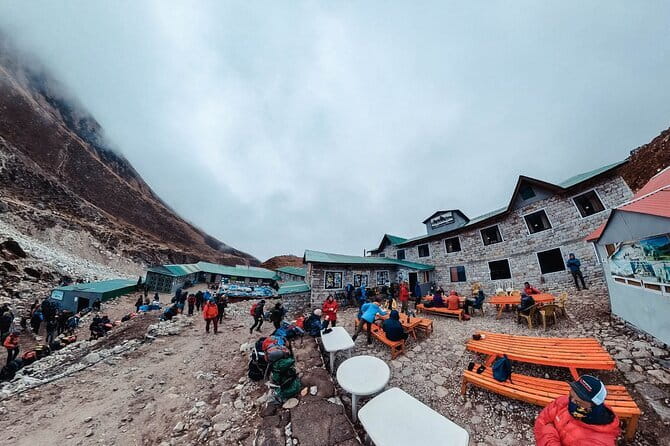
After Namche, the route continues upward to Kyangjuma (3,550 m). This day sits in that “views plus effort” zone: you climb along green foothills and keep getting new perspectives as you move higher. The description emphasizes that the trail winds uphill and then drops down toward the next area, which usually helps your legs stay functional instead of just grinding upward nonstop.
Then comes Tengboche, and this is one of the itinerary highlights. You get up early for sunrise and move out after breakfast, descending through rhododendron forest to Deboche (3,320 m). This is the kind of day that changes the mood of the trek. In the middle of a climb-heavy journey, the early start plus forest walking gives you variety.
The region around Tengboche is also known for wildlife sightings, and the plan specifically suggests you might see musk deer, blue sheep, and other animals along the way. Even if you don’t see them, the idea matters: this isn’t just a line on a map. It’s a living landscape with plenty happening around your route.
Small practical note: sunrise days mean earlier wake-ups. If you’re not a morning person, set your expectations now. Your body will thank you later for being ready before it gets cold.
Dingboche to the Khumbu Glacier: where the trek starts feeling remote
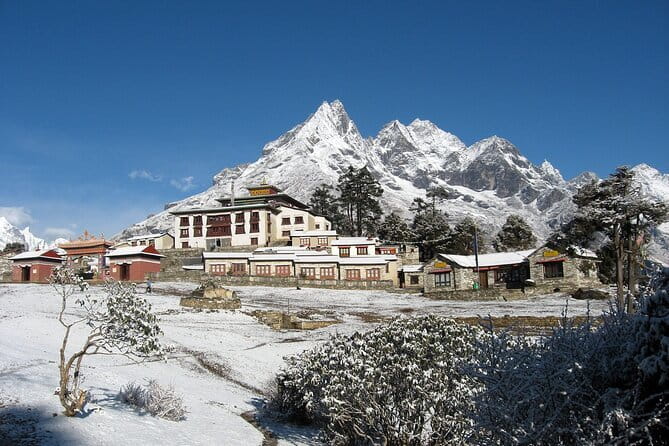
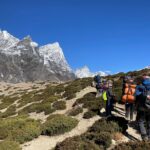
Once you’re higher in the Khumbu, the trekking narrative shifts. Day 7 focuses on the Khumbu Glacier and a ridge climb leaving Dingboche. The walking along the glacier is a major part of the feel of this trip: long stretches of scenery that look otherworldly, but still demand steady steps and focus.
You also get named mountain context in the route description—Cholatse and Tawache are called out as visible along parts of the day. That matters because it turns the experience from just “high mountains everywhere” into “I can orient myself in this place.” At altitude, orientation helps your mind stay calm and your pace stay steady.
This is also where the trek gets more remote and steep once you’re above Dingboche. Even without technical difficulty, the steepness and isolation can make the day feel longer than the clock says. If you tend to get impatient when it’s uphill, treat this day as practice: slow, consistent steps win.
Why this day is valuable: it’s the bridge between the populated Sherpa stops and the more stark high camps. You come in from towns like Namche and Tengboche, then gradually trade that comfort for big, wild-feeling terrain.
Gorak Shep and Kala Patthar: your high-mountain payoff window
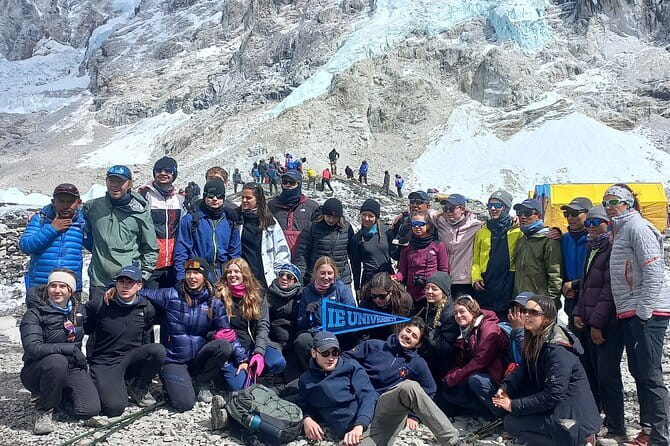
Gorak Shep is the big “ready your legs” day. You leave Lobuche and follow a wide valley up toward Gorak Shep. The route description notes a rocky path and that as elevation increases, it gets steeper. The day is long—about 8 hours in the plan—so you’ll want to control your pace early rather than sprinting the first half.
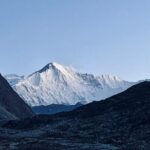
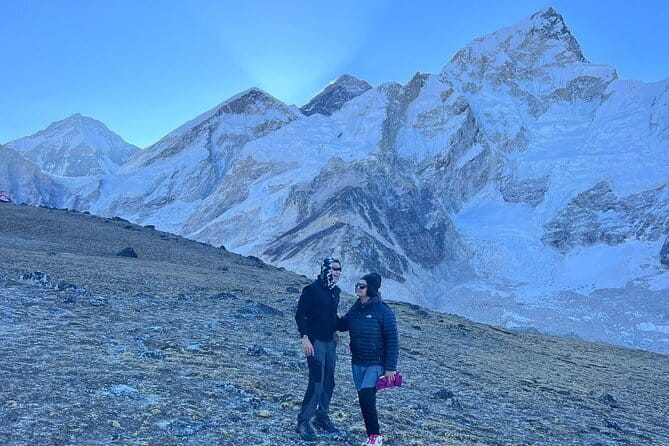
Once you reach Gorak Shep, you’re positioned for the main viewing mission: Kala Patthar. The trail starts above Gorakshep and is described as well-used and easy to follow, which is a real morale booster in thin air. This is the moment built for mountain lovers who want to see Everest’s scale up close from a high viewpoint.
The plan specifically calls out early sun golden rays for that feel of morning light hitting peaks. It’s not just for photos. Early light also tends to make the whole area feel clearer, which helps you actually appreciate what you’re seeing.
You can also read our reviews of more tours and experiences in Kathmandu
The helicopter exit: trading one long day for a clean finish
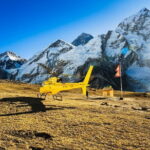
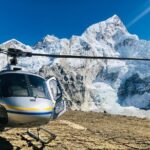
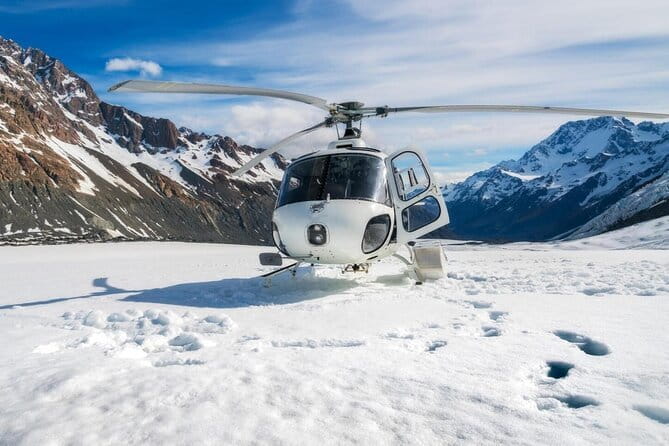
At some point on the last day, after the Kala Patthar viewing, the trip moves into the air part of the story. The helicopter flight runs from Gorakshep to Lukla. From there, you connect onward to Kathmandu via the included flight.
This is where the whole “9 days” concept earns its keep. Instead of finishing with several slow days of descent, you get a faster reset to civilization. You’ll still have done the hard, memorable work up high. The difference is how you finish.
It also means your last day is structured around a schedule that includes both a viewpoint and the return transport. If you hate time pressure, build in buffer time mentally. If you love a clear plan, you’ll feel at home here.
Price and value: what $3,888 covers (and what you’ll still pay)
At $3,888 per person, this trek isn’t cheap. The value comes from what’s bundled.
You’re paying for major transport legs that are expensive to DIY at Everest. That includes:
- Kathmandu to Lukla by flight
- the helicopter flight from Gorakshep to Lukla
- private car transfers within Kathmandu for airport arrival and departure
- guide services, including guide lodging and insurance
You also get support and logistics that matter at altitude:
- permits and official fees handled for the trek
- a first-aid kit and an oximeter
- meals on the mountain portion: 8 breakfasts, 8 lunches, and 8 dinners
- trip completion certificate
- porter support with one porter for two people
What’s not included is also clear, and you should budget for it:
- Visa and your medical/travel insurance
- international airfare
- lunch and dinner in Kathmandu
- tea house add-ons like hot showers and phone charging, which can cost about $2 to $5
- drinks on trek and extra desserts
- tipping for your guide, porter, and driver (tipping is expected)
How I’d frame the cost: if you want Everest but you’re short on time, this packaged plan can be better value than piecing together flights, helicopter timing, permits, and guide support yourself.
Guides, safety checks, and how the trip feels as a group
This is guided by expert mountain guides, and you’ll feel that most through pacing and decision-making. The most practical safety element is the twice-daily monitoring with an oximeter—pulse, oxygen saturation, and heart rate checks. That’s not a vibe check. It’s data, and it pushes the group toward slower, safer choices when needed.
The included first-aid kit also signals that someone has planned for the realities of trekking at altitude, not just the dream version of Everest photos.
In the experience quality department, the operator has earned praise in past Everest base camp trips for keeping things efficient and making the process easier. Names mentioned include Raj and Ramesh, both described as helpful and supportive in their roles. If you get a guide who works like that, you’ll likely appreciate the calm competence behind the scenes.
One more detail I find meaningful: the guide’s salary, food, drinks, lodging, and transportation are covered. That often translates into fewer awkward cost negotiations mid-trek and a smoother experience overall.
Who this Everest Base Camp with heli return suits best
This trek fits best if you want Everest highlights, you can walk at altitude, and you prefer a shorter schedule. It’s listed for travelers with moderate physical fitness, so you should expect demanding altitude days even though the plan avoids technical climbing.
It’s also a good match for:
- people who don’t have weeks to spare
- travelers who want Kala Patthar and the glacier-feeling day, but don’t want a long return descent
- anyone who values structured support like oximeter checks, permits handled, and meals included on trek
It may be less ideal if you want maximum flexibility on day length or if you dislike early starts for sunrise missions. The plan is guided and time-shaped by transport.
Should you book this 9-day Everest Base Camp with helicopter return?
If you’re trying to balance ambition with reality, I’d lean yes. The core reasons: you still hit the big Everest moments—Namche acclimatization, Tengboche sunrise, Khumbu Glacier walking, Gorak Shep, and Kala Patthar—while the helicopter return protects your time and energy.
Before booking, do a quick gut check:
- Can you handle long walking days at altitude with a moderate fitness level?
- Are you okay with a fixed schedule and flying components (especially on the way out)?
- Have you planned for what’s not included: visa, travel insurance, and tea house add-ons?
If those answers are yes, this is a smart, high-reward Everest option.
FAQ
How long is the Everest Base Camp trek with helicopter return?
The duration is 9 days (approx.), with about 7 full days spent trekking in the mountains and a helicopter return on the last day.
Where does the trip start, and is airport pickup included?
It’s based in Kathmandu. An airport team can meet you at the international airport terminal and transfer you by private car, including help with check-in and bag handling.
Are flights to and from Lukla included?
Yes. Flights from Kathmandu to Lukla are included, and Lukla is also part of the return connection after the helicopter flight.
When does the helicopter ride happen?
The helicopter flight included is from Gorakshep to Lukla.
What is the trekking difficulty level?
The Everest Base Camp trek with helicopter return is described as moderate, with remote and steeper trail conditions once you go above Dingboche.
Do you include acclimatization time?
Yes. There is a rest day in Namche Bazaar so your body can get used to the altitude.
What’s included for meals during the trek?
The trek includes 8 breakfasts, 8 lunches, and 8 dinners. Lunch and dinner in Kathmandu are not included.
Is medical support provided on the trek?
Yes. The trip includes a first aid kit and an oximeter used to check pulse, oxygen saturation, and heart rate twice a day.
Are permits and official fees included?
Yes. The package covers the permits fees you need while hiking, plus taxes and official costs paid to the government.
Is tipping required?
Tipping to the guide, porter, and driver is expected, and it is not included in the tour price.