REVIEW · KATHMANDU
Full Day Kathmandu City Tour: Highlights of the Kathmandu Valley
Book on Viator →Operated by Breakfree Adventures Pvt. Ltd. · Bookable on Viator
Kathmandu Valley can feel like a blur. This full-day tour gives you a smart route through major UNESCO landmarks, with a guide to translate what you’re seeing. You start with Bhaktapur Durbar Square’s palace-and-temple vibe, then move to Pashupatinath on the Bagmati River, and finish at Boudhanath Stupa where Tibetan Buddhism is right in front of you.
I love the way the day is built for understanding, not just photos. On tours led by guides like Shankar, the explanations feel taught, patient, and practical, and you’ll actually know why each place matters. I also like that you get hotel pickup and drop-off in an air-conditioned private vehicle, so you’re not spending the day wrestling with Kathmandu logistics.
One thing to plan for: monument entry fees are not included (about US$25 per person), so the final cost is higher than the tour price on its own. Also, you only have limited time at each stop, so if you want to linger for hours at one site, this schedule might feel a bit tight.
In This Review
- Key highlights worth prioritizing
- How the Kathmandu Valley tour runs (time, comfort, and pacing)
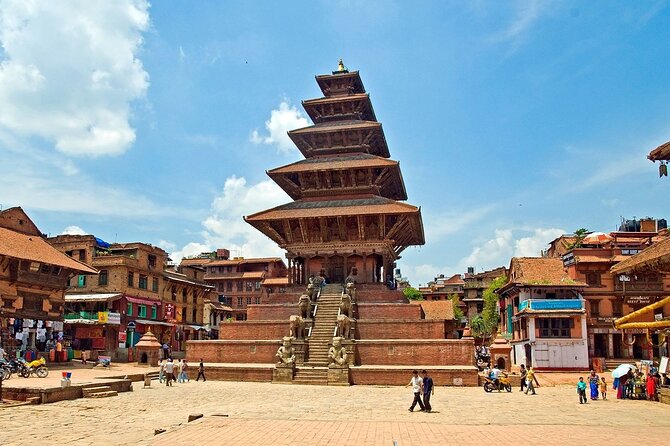
- Bhaktapur Durbar Square: UNESCO palaces and carved craftwork
- Pashupatinath Temple on the Bagmati River: rituals you can watch with context
- Boudhanath Stupa: Tibetan Buddhism in a circle you can join
- Why the 3-stop route works in Kathmandu (and where it may feel short)
- The value math: what you really pay for at $45 plus entry fees
- What a teacher-style guide adds (and why Shankar matters)
- Comfort and logistics: private transport and a full-day rhythm
- Who should book this tour, and who might skip it
- Should you book the Full Day Kathmandu City Tour?
- FAQ
- What is the duration of the Kathmandu City Tour?
- What does the $45 per person price include?
- Are monument entry fees included?
- Does the tour include meals?
- Is pickup from my hotel provided?
- Can I cancel and get a full refund?
Key highlights worth prioritizing
- Bhaktapur Durbar Square: UNESCO craftsmanship, wood carvings, and palace courtyards in one focused stop
- Pashupatinath Temple by the Bagmati River: rituals explained in plain language, with time to observe respectfully
- Boudhanath Stupa: one of Nepal’s largest stupas, with pilgrims circling and prayer wheels turning
- Shankar-style guiding: teaching-focused introductions and thoughtful answers to your questions
- A/C pickup + drop-off: you save energy and time during travel between heritage sites
- Mineral water included: a small thing, but it helps on a full day
How the Kathmandu Valley tour runs (time, comfort, and pacing)
This is a full-day Kathmandu experience that clocks in around 6 to 7 hours. You’ll get hotel pickup and drop-off by private vehicle with air conditioning, plus a professional English-speaking guide and mineral water during the tour.
What makes the structure work is the tight schedule per stop: about 1 hour 30 minutes in Bhaktapur, then about 1 hour each at Pashupatinath and Boudhanath. That pacing is ideal if you’re in Kathmandu for a short stay and want a strong first pass at the valley’s biggest spiritual and historic sites.
The tour price is $45 per person, and it includes taxes. The catch is that admission fees for monuments are not included, and you’ll want to budget extra for those. If you prefer fully packaged days where you pay once, this might annoy you a little, but it’s also common for Kathmandu heritage tours.
You can also read our reviews of more city tours in Kathmandu
Bhaktapur Durbar Square: UNESCO palaces and carved craftwork
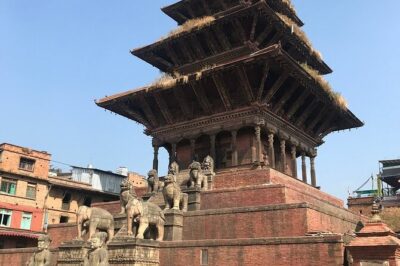
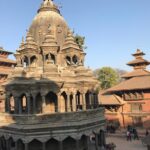
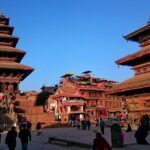
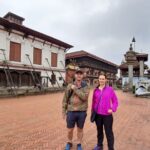
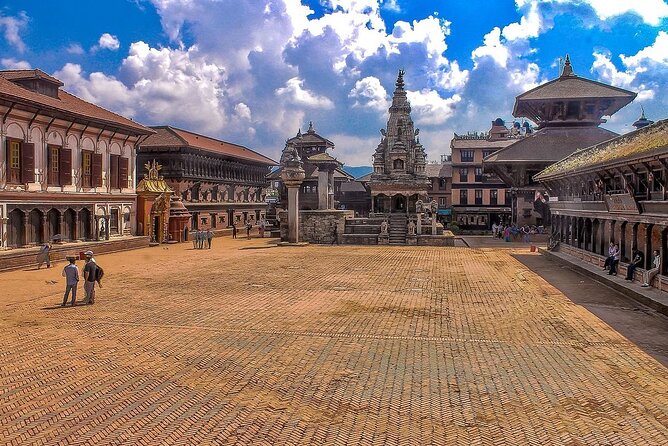
Your day starts at Bhaktapur Durbar Square, a UNESCO World Heritage Site. This is the kind of place where you can’t just look forward; you’ll keep noticing details in the corners. The standout here is the mix of palace structures and temples, plus the intricate carved woodwork that gives Bhaktapur its visual identity.
You get about 1 hour 30 minutes, which is enough time to walk the main areas, spot the architectural features, and slow down without feeling rushed. The guide’s job is to help you read the site quickly: what you’re seeing, how it fits together, and why Bhaktapur matters within the valley’s story.
Admission is not included here, so keep some cash or a plan for paying entry fees. Also, Durbar Square can mean crowds, especially during busy hours. If you’re sensitive to noise, pick moments to step aside, watch from the edges, and let the carvings come to you.
Pashupatinath Temple on the Bagmati River: rituals you can watch with context
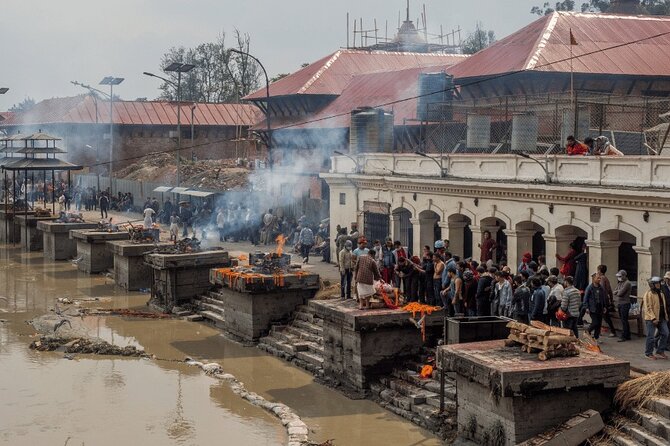
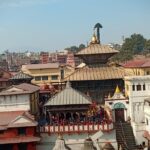
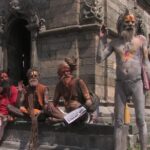
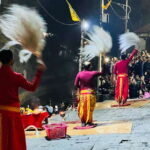
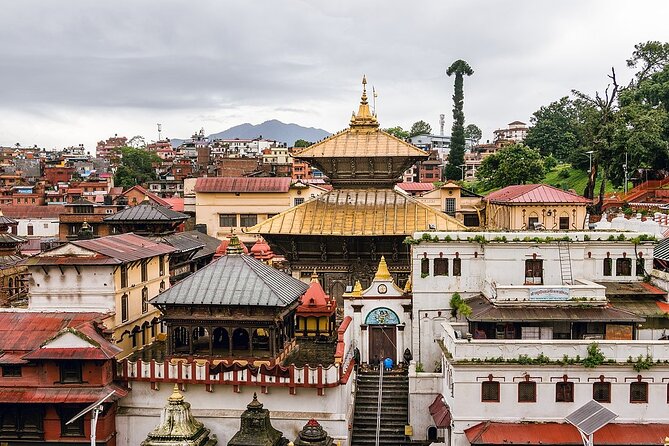
Next comes Pashupatinath Temple, dedicated to Lord Shiva. This stop is about 1 hour, and it’s a front-row view of Hindu pilgrimage life along the Bagmati River.
The big value isn’t only the scale of the temple complex. It’s that you’re not left guessing. A good guide makes the rituals and sacred significance easier to follow, so you understand what you’re seeing while you observe. On days led by guides like Shankar, the explanations have a teacher feel: clear, respectful, and tuned to your questions.
Practical note: admission is not included for this stop either, and you should expect to spend some time moving through the temple approach areas before you’re fully set for watching. Also, this is a functioning religious site. You’ll likely want to keep your attention on behavior and boundaries more than on photography.
If you want spiritual sites to feel informative rather than confusing, this is the stop where the guide’s role really shows.
Boudhanath Stupa: Tibetan Buddhism in a circle you can join
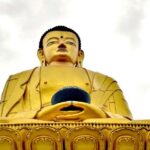
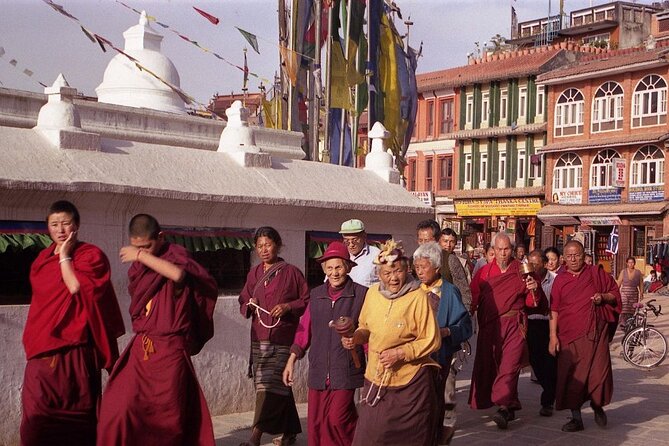
Your final major stop is Boudhanath Stupa, one of Nepal’s largest stupas and a major focus of Tibetan Buddhism. You’ll spend about 1 hour here, and the vibe is different from Bhaktapur and Pashupatinath.
The key activity is the circumambulation—pilgrims walk around the stupa while prayer wheels spin and people offer prayers. Watching the pattern of movement is surprisingly calming, and when your guide explains what you’re seeing, it stops being just a visual scene and becomes a lived practice.
Admission is not included for this stop, either, so again, budget for entry fees. You’ll also want to be mentally ready for a mix of visitors and worshippers, which can change how you experience the stupa at different moments of the hour.
This is a strong closing stop because it gives you time to shift from temple-and-ritual observation into a slower rhythm of attention. It’s also the easiest place to connect the valley’s religious layers—Hindu and Buddhist traditions side by side in one day.
Why the 3-stop route works in Kathmandu (and where it may feel short)
A lot of Kathmandu days fail because they’re either too rushed or too scattered. This one stays focused. Each landmark gets a real chunk of time: 1.5 hours at Bhaktapur, then 1 hour each at Pashupatinath and Boudhanath. That’s enough to get value from a guide-led walk without spending your whole day in traffic.
The private vehicle helps a lot. Even when you’re not looking at the scenery, you’re not burning energy navigating buses or negotiating taxis. Drivers mentioned by name in tour experiences, like Sujan and Kanchha, are described as careful—important on a road system that can feel chaotic if you’re doing it on your own.
Still, it’s not a slow travel day. If you want long museum-style exploration or you like sitting with one place for two or three hours, the schedule won’t match that style. The tradeoff here is efficiency: you leave with clear impressions and a guided framework for what you saw.
You can also read our reviews of more tours and experiences in Kathmandu

The value math: what you really pay for at $45 plus entry fees
At $45 per person, the tour price is fairly straightforward on paper. What’s included is the part that usually costs you time and hassle: pickup/drop-off, a professional English-speaking guide, air-conditioned private transportation, mineral water, and taxes.
The extra line item is monument entry. Admission fees are not included and are listed as about US$25 per person (approx.). So your realistic all-in figure is closer to the tour price plus that admission amount.
For me, this is good value if:
- You don’t want to plan a route between sites on your own.
- You want a guide to explain the meaning behind the visuals.
- You’re doing Kathmandu for the first time and want the big spiritual-historic highlights.
If you’re the type who enjoys self-guided wandering and you’re comfortable paying admission and finding your own transport, you might be able to do it cheaper. But you’d give up the structured pacing and the explanatory layer that makes the sites click.
What a teacher-style guide adds (and why Shankar matters)
The strongest praise tied to this kind of tour is usually about one thing: the guide. On experiences led by Shankar, the explanations have a teaching rhythm—he’s described as patient, balanced in how he frames religion and history, and skilled at answering questions without making you feel rushed.
That matters because these sites are not simple landmarks. Bhaktapur Durbar Square is a complex mix of palace and temple design. Pashupatinath is a working pilgrimage center tied to Hindu tradition. Boudhanath is a cornerstone for Tibetan Buddhist practice. Without context, you can see a lot and still leave with a fuzzy understanding.
A guide like Shankar changes the whole day from scenery to meaning. You’ll likely pick up small mental hooks that make your next stop easier to understand. Even better, the guiding approach tends to feel respectful. You’re not being pushed into a single viewpoint; you’re being given tools to interpret what you’re witnessing.
Comfort and logistics: private transport and a full-day rhythm
This tour is built around convenience. You’ll be picked up from your hotel and returned afterward by private vehicle. That alone makes the day feel easier than cobbling together transport between heritage sites.
You’ll ride in an air-conditioned vehicle and get mineral water during the tour. That may sound basic, but on a full day in Kathmandu, it reduces friction. You’re not trying to time purchases or manage dehydration while you’re also trying to keep up with a guide.
It’s also a private tour/activity in the sense that only your group participates. That means the timing and pace can feel more tailored than a large public-group bus day.
One more note: your admission tickets for the monuments are not included, so you’ll want to keep your money plan ready. And gratuities for the guide and driver are not included, so decide your tipping budget in advance. (Even small amounts help keep service smooth.)
Who should book this tour, and who might skip it
I think this tour fits best if you:
- Want a first serious look at Kathmandu Valley heritage in one day.
- Prefer guided interpretation over self-guided guessing.
- Like the mix of Hindu pilgrimage and Tibetan Buddhist practice.
- Want the convenience of hotel pickup and a private air-conditioned car.
You might consider something else if:
- You dislike religious environments and would rather focus on architecture only.
- You expect entry fees to be fully included in the price.
- You want lots of free time to explore without a set schedule.
The good news is that the tour is designed so most people can participate. The more you enjoy walking through historic places with a guide explaining what you see, the more you’ll get out of it.
Should you book the Full Day Kathmandu City Tour?
If you’re short on time and you want a clear, guided route through the valley’s biggest landmarks, I’d book this. The price includes the hard parts: private pickup/drop-off, air-conditioned transport, and a guide who helps you understand the sites instead of just marching you past them.
Plan for the add-on reality: monument entry fees are extra, and the day is structured around three main stops with set time windows. If you accept that tradeoff, you’ll likely feel like the day moves efficiently while still giving you a chance to absorb each place.
My bottom line: this is a smart choice for first-timers and for anyone who values explanation as much as sightseeing, especially if you get a guide with the teaching style described by many guests.
FAQ
What is the duration of the Kathmandu City Tour?
The tour runs about 6 to 7 hours.
What does the $45 per person price include?
It includes hotel pickup and drop-off, a professional English-speaking guide, private air-conditioned transportation, mineral water, and all taxes.
Are monument entry fees included?
No. Monument entry fees are not included and are listed as approximately US$25 per person.
Does the tour include meals?
No. Meals and drinks are not included.
Is pickup from my hotel provided?
Yes. Hotel pickup and drop-off by private vehicle are included.
Can I cancel and get a full refund?
Yes. You can cancel up to 24 hours in advance for a full refund. If you cancel less than 24 hours before the start time, the paid amount is not refunded.