REVIEW · KATHMANDU
Annapurna Circuit Trek
Book on Viator →Operated by Adventure Bound · Bookable on Viator
Crossing Thorong La changes your perspective. What makes this trek interesting is the combination of classic high-pass scenery and hands-on planning support. I love the licensed expedition guide setup, and I also like that the route builds in an acclimatization day at Manang. One drawback: it can turn seriously cold at night, with reports of -20°C and strong wind during high-altitude stages.
I also like that you skip the fuss. You get pickup offered, transport between key points, tea house lodging, and even the permits handled through the trek package. You’ll still pay for personal extras, like charging and drinks, but the core logistics feel covered.
The big payoff is the way the route keeps changing. You’ll move from river valleys to high mountain settlements, cross Thorong La, then drop down toward Muktinath and the Kali Gandaki area before ending with Poon Hill and Pokhara.
In This Review
- Key Things I’d Pay Attention To
- Why the Annapurna Circuit Feels Like a Guided, Not a Chaotic, Adventure
- The Guide Factor: What “Personal Attention” Looks Like in Real Life
- Altitude Reality Check: Manang Helps, Thorong La Humbles
- Day-by-Day Walkthrough: Jagat to Chame to Pisang to Manang
- From Manang to Thorong Phedi: The Slow Grind Toward 5,416m
- Muktinath to Jomsom to Tatopani: A Different Kind of Mountain Day
- Ghorepani, Poon Hill, and the Final Descent to Pokhara
- Tea Houses and Meals: What You’re Really Buying With the Package
- Price and Value: Is $1,175 a Good Deal?
- What to Pack for Annapurna Cold and High Altitude
- Who This Trek Suits (and Who Might Want a Different Option)
- Should You Book This Annapurna Circuit Trek?
- FAQ
- FAQ
- How long is the Annapurna Circuit trek?
- Where does the trek start and end?
- What kind of accommodation do you use during the trek?
- Are meals included?
- Is airport pickup or local pickup included?
- What’s included besides the guide and lodging?
- What isn’t included in the price?
Key Things I’d Pay Attention To
- Your guide matters here: named support like Rabin, Santosh, Sandip, Ganesh Ji, and Chakra shows up in the feedback and it’s a big part of the value.
- Acclimatization is real: a full day at Manang helps you handle higher elevations before the pass.
- Cold is not theoretical: at altitude, night temps can freeze water, so plan for layers and dry survival basics.
- Teahouse trekking is the rhythm: plan around tea house stays and set meal coverage, not restaurant-style freedom.
- The day-to-day is mixed: long drives, short hikes, then a big pass day, so your energy plan should match the schedule.
Why the Annapurna Circuit Feels Like a Guided, Not a Chaotic, Adventure
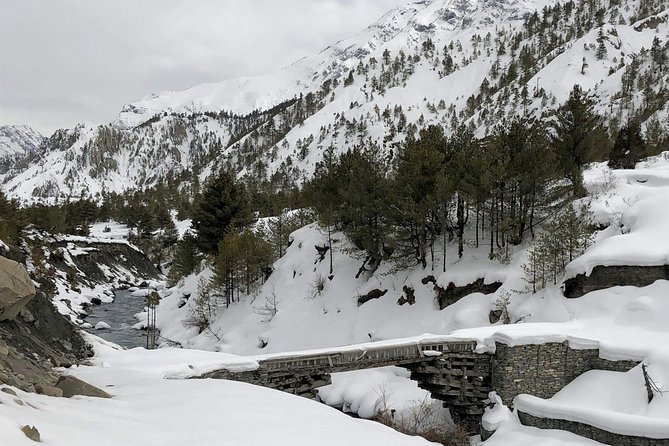
The Annapurna Circuit is famous for a reason: it stacks a lot of big-mountain moments into a single journey. The route is well known, but this trek still feels personal because you’re not doing the logistics alone. With a government-licensed guide and a plan that handles safety and timing, you’re free to focus on walking, pacing, and noticing details.
I especially like the balance between structure and flexibility. You have a defined route and support, but you’re also walking through real villages, markets, and everyday life at trail level—not just passing scenic viewpoints and leaving. If you enjoy chatting with people along the trail, this style of guided trek tends to make that easier because you’re not constantly solving what’s next.
Still, don’t treat the trip like a casual hike. Several walking days land in the 5–8 hour range, and the altitude is the real boss. If you’re newer to hiking at elevation, you’ll want to approach the days calmly and trust the acclimatization plan.
You can also read our reviews of more hiking tours in Kathmandu
The Guide Factor: What “Personal Attention” Looks Like in Real Life
This trek is built around having your own expedition guide. That matters because Annapurna has enough variables—weather, altitude, trail conditions—that “winging it” is rarely fun. The feedback names a number of guides, and the consistent theme is calm guidance plus day-to-day problem solving.
For example, Rabin is repeatedly described as being there step by step and helping with decisions. Santosh gets praised for being attentive and knowledgeable, with a smooth flow from one day to the next. Sandip is noted for professionalism and care, and Ganesh Ji for patience and encouragement through the Thorong La crossing. Chakra is described as helpful and professional, with extra depth on traditions and mountains.
What that means for you: your guide isn’t just translating signs. You’re getting a real helper for pacing, route timing, and staying steady at altitude. You also have someone who can answer questions about local customs and trail routines, which turns the trek from exercise into understanding.
One more practical point: having a licensed guide and a first-aid medical kit in the package reduces the number of unknowns you’re carrying in your head. You still need common sense, but the trip design makes it easier to stay focused on the trail.
Altitude Reality Check: Manang Helps, Thorong La Humbles
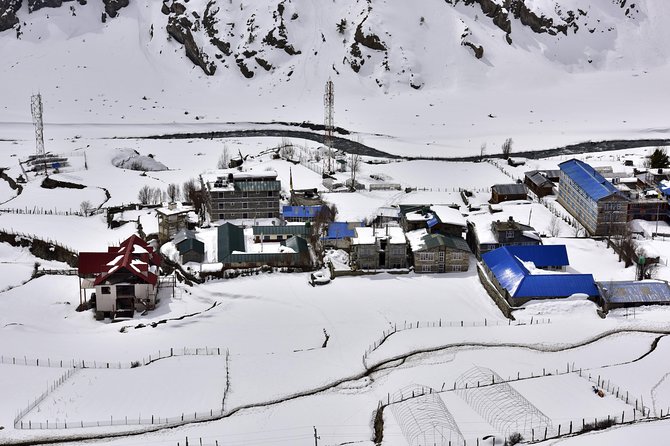
This trek uses altitude like a lesson plan. You don’t just sprint upward and hope for the best. After reaching Manang (3,540m), you get an acclimatization day. That full day is one of the best “value moments” on the schedule because it gives your body time to adjust before going higher.
Then comes the push toward the pass. You hike to Yak Kharka (4,120m) and then onward to Thorong Phedi (4,450m). Those aren’t huge mileage days, but they put you where the air gets thin. The schedule sets you up for the big day: Thorong Phedi to Muktinath via Thorong La (5,416m).
The pass day is also where cold can become more than uncomfortable. One feedback story mentions night drops to -20°C and wind around 20 km/hr, with water freezing even in a regular bottle. That’s a reminder that you need real cold-weather planning at altitude, not just a warm jacket and good intentions.
What I’d do with this info: pack for freeze conditions, especially for your head, hands, and water management. Even if your exact weather differs, the risk is real on this kind of schedule.
Day-by-Day Walkthrough: Jagat to Chame to Pisang to Manang
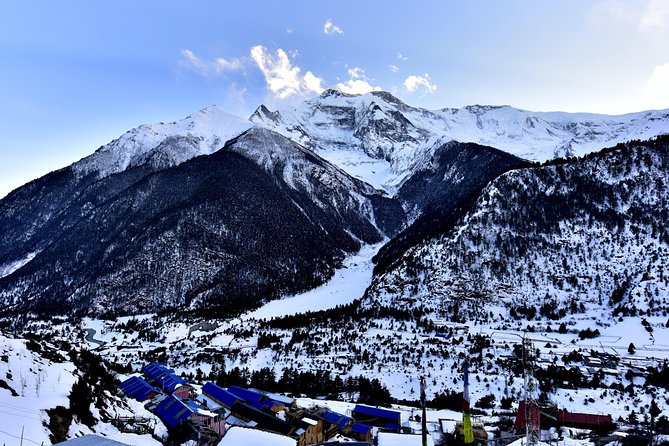
This trek starts with a long day of transit, then settles into hiking rhythm.
Day 1: Kathmandu to Jagat (about 8–9 hours)
You drive from Kathmandu to Jagat at 1,100m via Besisahar. It’s a full travel day, so treat it as your “warm-up” for logistics. The upside is you land in the trek corridor without needing extra coordination.
Day 2: Jagat to Dharapani (6–7 hours)
You hike from Jagat (1,100m) up to Dharapani at 1,960m. This is a good first serious day because it lets you feel the terrain without jumping too high too fast.
Day 3: Dharapani to Chame (5–6 hours)
Chame sits at 2,710m. The hike gives you time to adjust your pace and start getting used to thin air. It’s also a classic trekking stretch with plenty of chances to watch how the valley changes as elevation increases.
Day 4: Chame to Pisang (5–6 hours)
Pisang reaches 3,300m. By now, you’ll likely notice how the mountain setting changes day to day—more alpine feel, more wind exposure, and colder mornings.
Day 5: Pisang to Manang (6–7 hours)
You reach Manang at 3,540m. This is where the trek becomes more “high country.” Manang is also the staging point for your acclimatization.
Day 6: Acclimatization day at Manang
This is not downtime in the boring sense. It’s your chance to rest your body while still moving enough to help your acclimatization. If you want the best odds for the pass day, this is the day you protect.
A possible drawback in this section: if you rush, you’ll pay for it later. The altitude climb is gradual on paper, but your body still tells the truth. Keep your effort steady and let the schedule work for you.
From Manang to Thorong Phedi: The Slow Grind Toward 5,416m
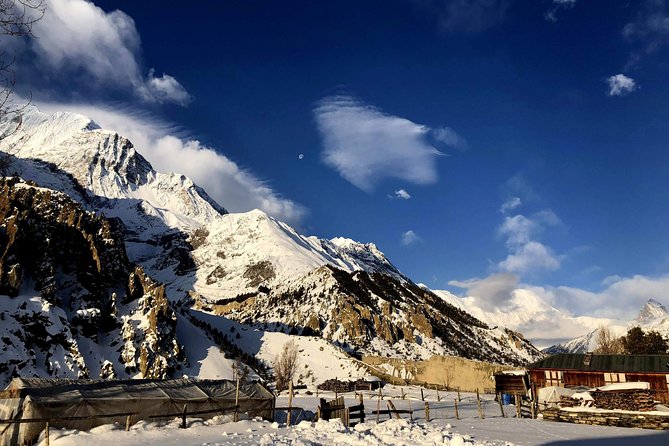
After Manang, the hikes get more “elevation-focused” than “just scenic.” You’re walking where altitude starts affecting breathing and sleep.
Day 7: Manang to Yak Kharka (4–5 hours)
Yak Kharka is 4,120m. It’s a shorter hiking day, which helps you conserve energy before the pass build-up.
Day 8: Yak Kharka to Thorong Phedi (4–5 hours)
You reach 4,450m at Thorong Phedi. This is prime prep territory. You’re likely to feel colder temperatures at night and early morning. This is also a good time to follow your guide’s advice closely about hydration and rest.
Day 9: Thorong Phedi to Muktinath via Thorong La (7–8 hours)
This is the day that defines the trek. You cross Thorong La at 5,416m, then descend toward Muktinath (3,802m). The physical effort is real, but the reward is also huge: the pass is a major milestone, and the descent into a different set of mountain communities feels like a switch flipped.
Practical consideration: start cold but don’t go out too fast. Your body climbs before your legs do. If you feel stuck, slow down early instead of suffering through the middle.
Muktinath to Jomsom to Tatopani: A Different Kind of Mountain Day
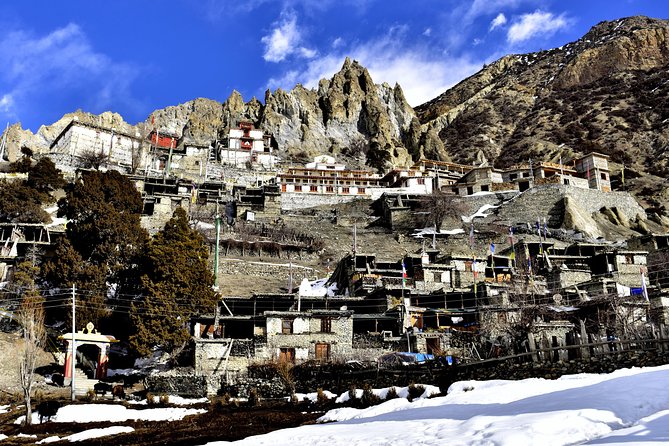
After the pass, the trek shifts mood and logistics. You’ll go from high-altitude crossing energy to a more downhill flow and then to transport.
Day 10: Muktinath to Jomsom (5–6 hours)
You descend to Jomsom at 2,743m. The trail day gives you a change in elevation and surroundings, and it can feel like you’re finally breathing easier.
Day 11: Jomsom to Tatopani (4–5 hours by bus)
Instead of hiking all the way, you drive to Tatopani at 1,290m. Tatopani is known for natural hot springs, so this is your “recovery with a purpose” day. Even if you don’t stay in the water long, the idea is clear: warm up after the pass.
One thing to plan: transport days are great for legs, but you might feel more tired from sitting too. Stretching and water still matter.
Ghorepani, Poon Hill, and the Final Descent to Pokhara
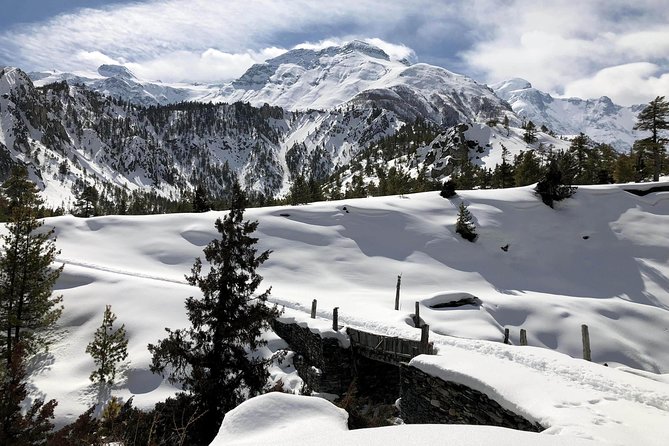
This is where the trek ends the hard way—then eases off.
Day 12: Tatopani to Ghorepani (7–8 hours)
You hike up again to Ghorepani at 2,750m. Expect a return to colder air and long walking hours. The good news is you’re now moving toward a well-loved payoff point.
Day 13: Early hike to Poon Hill (3,210m), then down to Nayapul (2,070m) and taxi to Pokhara
This is a long day: early hike up to Poon Hill, then a trek down to Nayapul, and finally transport to Pokhara. Poon Hill gives you that classic mountain sunrise or early-morning view moment, then you transition into lower elevations and more comfortable walking.
Day 14: Drive from Pokhara (822m) to Kathmandu (1,400m)
You finish with a drive back to Kathmandu. It’s a good wrap: you don’t end the trip with another grueling hike.
Tea Houses and Meals: What You’re Really Buying With the Package
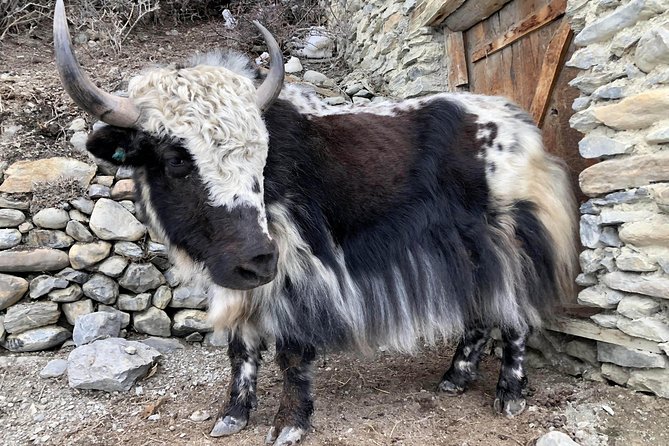
This trek includes tea house accommodation during the trek and three standard meals each day you’re trekking (breakfast, lunch, dinner). That’s not just convenience. It’s a big mental load off your shoulders when you’re moving through remote areas.
It also helps with budgeting. You don’t have to decide each meal on the fly. You’ll still run into personal expense costs—phone calls, bar bills, battery recharge, extra porters if you choose one, shower items, and bottle or boiled water—but the core meals are handled.
Also included: Annapurna Conservation Park permits and TIMS fee, plus a trekking map and first-aid medical kit. You’re paying for less guesswork, and less admin time, which matters on trek days when you want your head clear.
Price and Value: Is $1,175 a Good Deal?
At $1,175 for a trek that runs about 14 days, the value depends on one thing: do you want your time spent on logistics—or on the trail? This package covers a lot of the “expensive headaches,” like transportation between key points, permits, and licensed guide support.
Here’s what you’re getting that usually costs extra if you plan on your own:
- Guide services and on-the-ground management
- Tea house lodging during the trek
- Permits (Annapurna Conservation Park) and TIMS
- TIMS and related trail compliance costs handled through the package
- Basic safety gear in the form of a first-aid medical kit
What’s not included is also clear, which is good for budgeting. You’ll still need travel and rescue insurance, and you’ll pay for personal items, tips, and potentially a porter if you need one. Tips for guides and porters aren’t included, and that’s part of local expectations.
My take: if you want to hike classic terrain without spending days building a plan, negotiating rides, or tracking permits, the price feels fair. If you’re comfortable doing logistics yourself and you already have everything lined up, you might find a cheaper route. But for most people, the included structure is what makes this trek worth it.
What to Pack for Annapurna Cold and High Altitude
Your biggest packing challenge on this trek is cold. The altitude and wind risk show up in the kind of conditions people describe: freezing water, strong winds, and harsh night temps. Even if your weather ends up milder, prepare as if you might face real cold.
Focus on:
- Warm layers you can adjust on the move
- Gloves and a hat for early morning and pass-day conditions
- A plan for keeping water drinkable when temps drop
- Footwear that can handle long days and varied surfaces
- Sunscreen and eye protection for high, bright days
Also plan for teahouse routines. Since lodging is tea house based, you may face limits on charging and hot water. Bringing what you need for personal comfort is smart, even if some personal items cost extra on the ground.
Who This Trek Suits (and Who Might Want a Different Option)
This trek fits well if you have moderate physical fitness and you want a classic challenge with guided structure. The route is demanding mainly due to altitude and the pass day, not because every day is technically extreme.
It’s a great match if:
- You want a private experience where only your group participates
- You like the idea of a guide handling timing, permits, and safety planning
- You value cultural context and trail guidance from real local experts
- You enjoy tea house trekking and can handle basic comfort
It’s not the best match if:
- You’re not prepared for cold and wind at high elevation
- You don’t like long days of walking, even when some days are shorter
- You’d rather fully control every meal and stop without a set plan
Should You Book This Annapurna Circuit Trek?
Yes—if your priority is to reduce stress and hike with strong on-the-ground support. The package covers the big moving parts (permits, transport between key points, tea house lodging, and guide support), and the experience is clearly built around the Thorong La milestone plus acclimatization at Manang.
I’d say book it if you’re the kind of person who wants to spend your mental energy on pacing, breathing, and enjoying the hike. If you hate cold weather risks or you’re not ready for a serious pass day, then choose a gentler trek.
FAQ
FAQ
How long is the Annapurna Circuit trek?
The experience is listed at about 14 days.
Where does the trek start and end?
It starts in Kathmandu and returns to Kathmandu after finishing in Pokhara.
What kind of accommodation do you use during the trek?
You stay in tea houses during the trekking portion.
Are meals included?
Yes. The package includes three standard meals during trekking: breakfast, lunch, and dinner.
Is airport pickup or local pickup included?
Pickup is offered, and transportation is arranged between major points.
What’s included besides the guide and lodging?
Included items cover bus transport for key legs, private transportation from Nayapul to Pokhara, Annapurna Conservation Park permits, TIMS fee, a trekking map, and a first-aid medical kit.
What isn’t included in the price?
Travel and rescue insurance, personal expenses (like phone calls, laundry, bar bills, charging, shower items, and extra water needs), tips for guides and porters, and an extra porter if required are not included.