REVIEW · KATHMANDU
Kathmandu Durbar Square – Private/Small Group
Book on Viator →Operated by Amazing Kathmandu Tours · Bookable on Viator
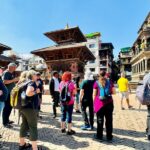
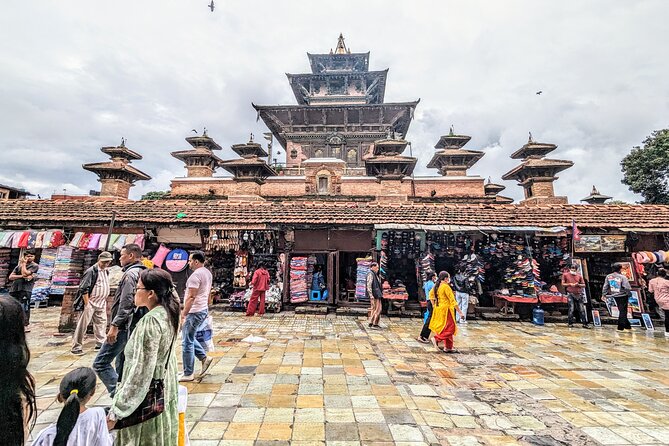
Kathmandu Durbar Square hits you with history fast. This small-group tour focuses on the spiritual and cultural layer most people miss, from the Toothache Tree to the Living Goddess Kumari. You start in Thamel and walk through the square and nearby temples, where Nepal’s Newar traditions show up in real places, not just photos.
I love how the pace is built for understanding, not rushing. You get a professional guide and time at each stop (about 45 minutes each), plus context for what you’re actually seeing around Kathmandu Durbar Square. I also like the group size: up to 5 people means fewer bottlenecks at temples and more back-and-forth questions as you go.
One thing to consider: admission tickets and site fees are not included, and the Kumari window moment can be more like a short chance to witness than a guaranteed show. So go with patience, and bring some extra cash for ticketing.
In This Review
- Key things that make this tour work
- A Small-Group Walk from Thamel to Durbar Square
- Wasya Dyaa (Toothache Tree): the local belief up close
- Seto Machindranath Temple: one place, two religious lenses
- Kathmandu Durbar Square: Kumari from the sacred window
- Hanuman Dhoka: the palace complex that carries two dynasties
- Price and logistics: what you’re really paying
- Timing, what to expect in the 3 hours, and how to prep
- Who this tour suits best (and who might skip it)
- Should you book Kathmandu Durbar Square – Private/Small Group?
- FAQ
- How long is the Kathmandu Durbar Square private/small group tour?
- What does the tour cost?
- Is this tour only for private groups?
- Where do we meet, and where does the tour end?
- Are tickets included for the temples and sites?
- What is the cancellation window?
Key things that make this tour work
- Small group (max 5): easier questions, calmer pacing, less waiting around.
- A guided route through UNESCO-level landmarks: you don’t just walk past buildings; you learn what they mean.
- Toothache Tree (Wasya Dyaa / Vaisha Devi): a local belief you can see up close, not hear about secondhand.
- Seto Machindranath as a shared sacred site: Buddhists and Hindus connect with the same temple space.
- Kumari at Kathmandu Durbar Square: power and purity explained where it matters.
- Hanuman Dhoka palace complex: a royal seat that links Malla and Shah periods in one area.
A Small-Group Walk from Thamel to Durbar Square
This tour is designed for people who want Kathmandu with edges: religion, legend, art, and old-school city life all in the same 3 hours. You meet at Pumpernickel Bakery on Paryatan Marg, then head out toward the UNESCO-listed heart of the city.
The smart part is that the route doesn’t skip the “in-between” places. You’ll pass through Thamel and nearby streets and make stops that explain Kathmandu’s worldview before you reach the biggest names. On the way, you also visit Naradevi Temple (the tour overview lists it), which helps you see how daily devotion fits into the grander monuments later.
With a private/small group format, you’re less likely to feel like you’re herded. You can ask practical questions as you walk—about traditions, why certain gods are honored, and what Newar culture looks like when it’s not performing for tourists.
You can also read our reviews of more private tours in Kathmandu
Wasya Dyaa (Toothache Tree): the local belief up close
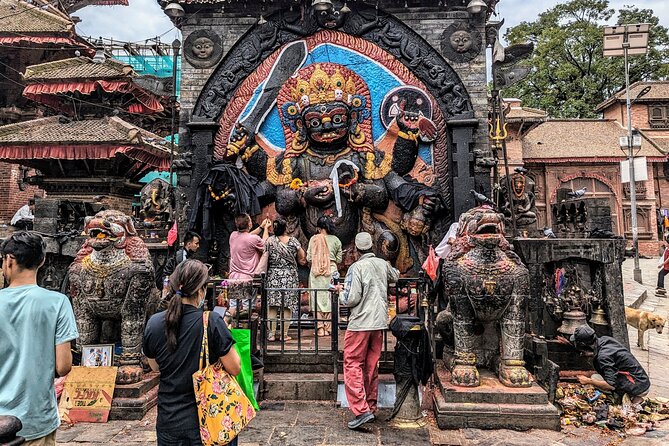
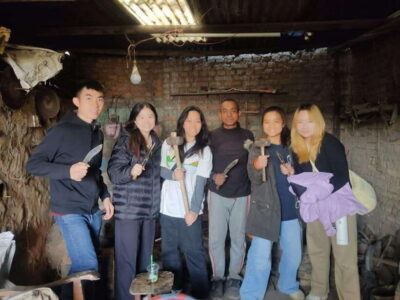
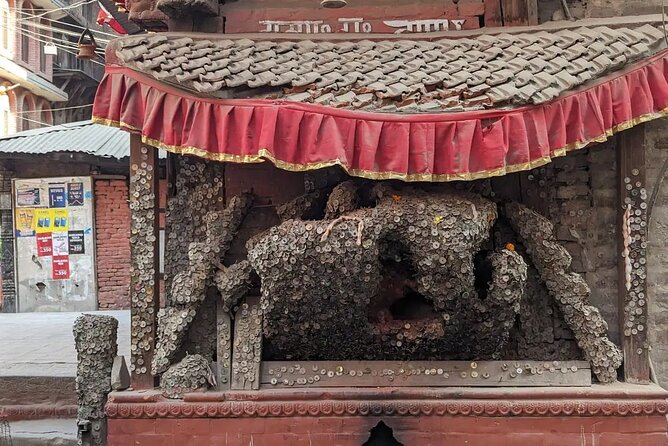
Stop one is Wasya Dyaa—also known as Vaisha Devi—often described as the Toothache Tree. It’s a wooden idol near Thahiti Tole in Kathmandu. The key detail here is the belief: people think hammering a coin into the tree’s wood can ease toothaches.
What I like about this stop is that it’s small and human-sized. You’re not staring at a giant hall and guessing at the meaning. You’re seeing how folk religion becomes a physical ritual in the middle of city streets. The tour sets you up to understand why a plain object like a wooden idol becomes important—because it’s tied to comfort, luck, and local stories people pass down.
What to watch for: this is a tradition with its own rules. If you’re curious but unsure, just follow your guide’s lead. Some people participate, some don’t—either way, you can still get the story and understand what locals are doing.
Admission tickets aren’t included at this stop, so if there is any entry fee or donation practice in effect that day, plan to cover it separately.
Seto Machindranath Temple: one place, two religious lenses
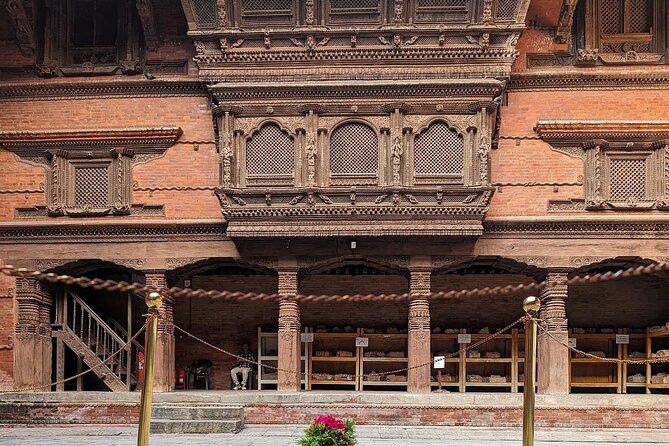
Next up is Seto Machindranath Temple, located southwest of Asan Tole at the junction of Kel Tole. This is one of those sites where Kathmandu’s “shared sacred geography” comes through clearly.
The temple attracts both Buddhists and Hindus. Buddhists associate him with Avalokiteshvara, while Hindus see him as a rain-bringer incarnation. That might sound like a neat trivia fact—until you stand there and realize the same space serves different needs at different times: protection, compassion, and weather.
I like how your guide connects the dots. You’ll have time here (about 45 minutes) to understand the symbols and the different interpretations without it turning into a rushed lecture. If you’ve visited religious sites elsewhere, you’ll notice the difference: instead of one dominant narrative, Kathmandu often layers meanings.
One consideration: because this stop serves multiple communities, expect active religious life. Even if you don’t join in, you’ll likely see people praying and moving through the space.
Again, admission tickets are not included at this stop.
Kathmandu Durbar Square: Kumari from the sacred window
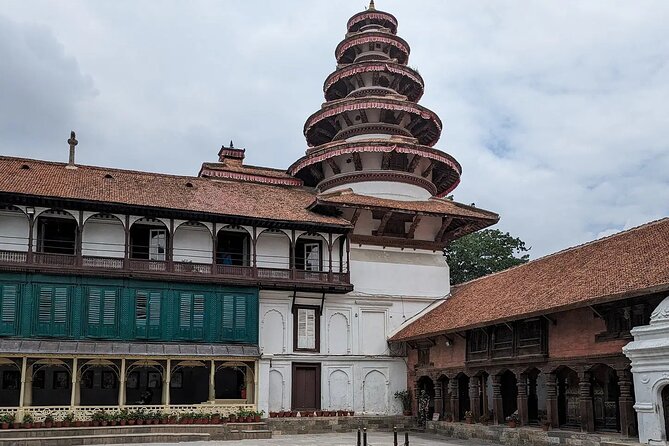
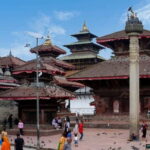
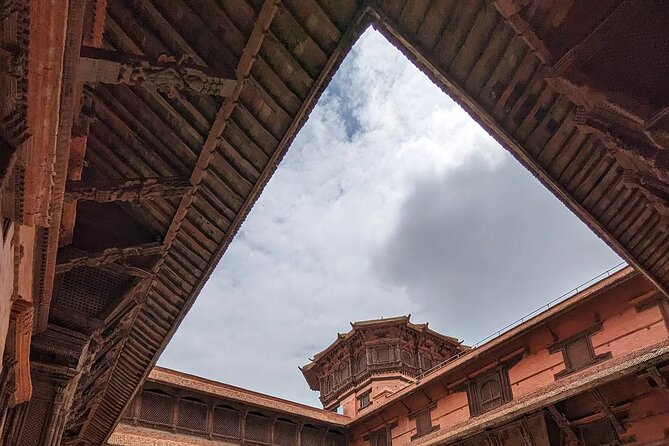
Then comes the big one: Kathmandu Durbar Square. This is where the tour shifts from explaining beliefs to showing you the city’s ceremonial center.
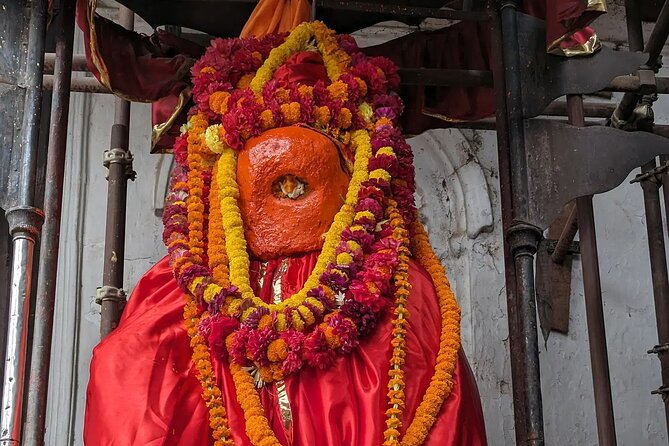
Your main focus here is the Kumari—often called the Living Goddess. The tour information frames her as a symbol of power and purity, and it notes that she resides in the Kumari Ghar (Kumari Temple) within the square.
This is the moment many visitors think they want to “see.” But the real value is understanding what the Kumari represents and why her presence matters to the people of Kathmandu. The tour gives you time to understand the setup and the significance of the Kumari’s sacred window, plus context for how Newar culture and royal-era traditions shaped this institution.
Practical reality check: the Kumari window moment can be time-sensitive. One earlier tour experience included waiting around for a glimpse for about 30 minutes and not seeing it at that time. So treat it like a chance to witness something special, not a guaranteed performance. If you don’t see the window moment, you can still leave with a strong understanding of why it’s central.
Tickets aren’t included here either, so budget for separate entry/site fees.
Hanuman Dhoka: the palace complex that carries two dynasties
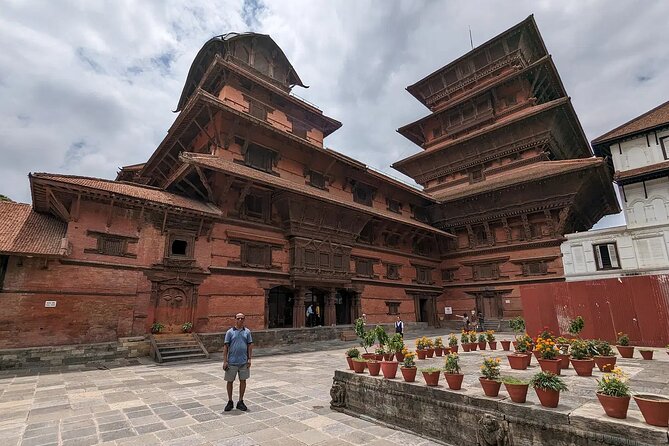
After the square, you move into Hanuman Dhoka, a palace complex at the center of Kathmandu Durbar Square. The tour frames it as a historical seat of the Malla kings and later the Shah dynasty.
The name links to a nearby element described in the tour details, but the main point is what you’ll feel when you’re there: this isn’t just a temple cluster. It’s a political and cultural stage that helped shape how the city organized power, ceremony, and identity.
I like this stop because it’s where you get context beyond the spiritual stories. You start to connect why the Kumari has such a powerful public role and why the square feels like more than a tourist attraction. The palace complex helps explain the city’s continuity—how rule changed, but the ceremonial center stayed important.
Like the earlier temples, you get about 45 minutes, which is just enough time to notice details, ask questions, and not feel like you’re sprinting through stonework.
Admission tickets are not included here either.
Price and logistics: what you’re really paying
The headline price is $15.00 per person, and the experience runs about 3 hours. For Kathmandu, that’s the kind of price that can make a private/small group tour feel doable even on a tighter budget.
But here’s the practical math: the price listed doesn’t include $9.00 per person in all fees and taxes. So you should expect something closer to $24 total per person when everything relevant is paid.
On top of that, the itinerary notes that admission tickets are not included at the stops. That means you should still plan on extra costs once you’re at the sites, depending on what’s required on the day you go.
What you get that helps justify the spend:
- A professional guide who can translate the meaning behind religious and historical details
- A max-5 group size (so it’s not crowded chaos)
- A route that links several key places into one story, starting from Thamel
If you prefer self-guided wandering, you might do fine with a guide-free day. But if you want the meaning behind Wasya Dyaa, Seto Machindranath’s dual identity, and the Kumari’s place in public life, this price often feels fair for what you gain in understanding per hour.
Timing, what to expect in the 3 hours, and how to prep
This is a walking tour with multiple stops, timed so each major location gets meaningful attention—about 45 minutes each. You’re not rushing from one landmark to another; you’re walking through Kathmandu’s center and pausing long enough to understand what you’re seeing.
Start and finish are practical: it begins at Pumpernickel Bakery on Paryatan Marg and ends back at the same meeting point. That matters because Durbar Square days can feel disorienting, and you don’t want to end up trying to figure out your next move mid-afternoon.
Your confirmation happens at booking time, and you’ll get a mobile ticket. It’s also described as near public transportation, which is useful if you’re mixing this with other plans around Thamel.
Prep tips that actually help:
- Wear comfortable shoes. This is city walking on uneven surfaces.
- Build in a patient mindset for the Kumari moment. Even with planning, the window experience depends on timing.
- If you like questions, bring them. With a max-5 group, you get time to ask without waiting for a guide to finish a monologue.
If you get a guide like Santosh or Sandip, the tour’s style tends to be story-driven and practical—especially around local customs and how to read the meaning behind street-level religion. (And yes, knowing which temple is tied to rain, toothaches, or compassion makes the whole area click faster.)
Who this tour suits best (and who might skip it)
This tour is a strong match if you:
- Are doing Kathmandu for the first time and want Durbar Square with context
- Want to understand Newar culture through living rituals, not just ruins
- Prefer small groups and a guide you can talk to
It’s also a good option if you’ve been to Kathmandu before but want a fresh way to look at familiar spaces—especially with the stops that sit just outside the most obvious tourist track.
You might choose something else if you:
- Hate paying separate entry fees for temples/sites
- Want a totally flexible, self-paced walk with no structured stops
- Need a guaranteed Kumari window viewing (this isn’t framed that way)
Should you book Kathmandu Durbar Square – Private/Small Group?
Yes—if your goal is understanding more than checking boxes. The value isn’t just the landmarks. It’s the way the route links beliefs and power: Toothache Tree rituals, shared sacred space at Seto Machindranath, the Kumari’s public symbolism, and Hanuman Dhoka’s dynastic history.
If you go in with the right expectations—budgeting for additional site tickets, wearing good shoes, and treating the Kumari moment as a possibility—you’ll get a satisfying 3 hours that makes Kathmandu Durbar Square feel personal and legible.
If you’re the type who loves asking why things are done a certain way, this is the kind of tour that turns the square from scenery into a story you can follow.
FAQ
How long is the Kathmandu Durbar Square private/small group tour?
It lasts about 3 hours (approx.), with several stops along the way.
What does the tour cost?
The listed price is $15.00 per person, and there is an additional $9.00 per person for all fees and taxes. Admission tickets at stops are not included.
Is this tour only for private groups?
It’s a private/small group experience with a maximum of 5 travelers.
Where do we meet, and where does the tour end?
You meet at Pumpernickel Bakery on Paryatan Marg, Kathmandu. The tour ends back at the same meeting point.
Are tickets included for the temples and sites?
No. The tour information notes that admission tickets are not included at the stops.
What is the cancellation window?
You can cancel for a full refund if you cancel at least 24 hours before the experience’s start time (local time).