REVIEW · KATHMANDU
12 days Annapurna Circuit Trek
Book on Viator →Operated by Magnificent Himalayan Treks · Bookable on Viator
Thorong La starts with a long, quiet night. This 12-day Annapurna Circuit trek takes you through a changing mix of villages and altitude zones, then throws you into the big views of Annapurna, Machhapuchhre, and Dhaulagiri. You’ll also get sunrise drama at Poon Hill, plus a real taste of daily life in the settlements along the way.
I like that the trip is built around an English-speaking guide and permits handled for you, so you spend less time on logistics and more time walking and looking up. I also like that most meals and lodge stays are included on the trek, which keeps the daily budget predictable. One consideration: it’s still a serious high-altitude hike with early mornings and cold air, and beverages and insurance are not included.
In This Review
- Key Things That Make This Trek Worth Your Time
- Annapurna Circuit in 12 Days: What You’re Really Signing Up For
- The Kickoff: Kathmandu to Dharapani (and Why Day 1 Feels Long)
- Chame and Upper Pisang: When the Forest Starts Changing
- Manang Territory: Geru Views and a Real Acclimatization Day
- Yak Kharka to Thorong Phedi: Chasing the Pass Without Breaking Yourself
- Thorong La and Muktinath: The Early-Morning Payoff
- Tatopani’s Hot Springs to Ghorepani: Recovery, Then Another Lift
- Poon Hill Sunrise and the Pokhara Shift: Big Views, Fewer Headaches
- Price and Value: What You Pay For at $1,100 Per Person
- Guides, Permits, and the Peace of Mind Factor
- Accommodation and Meals: Tea Houses Are Simple, Not Fancy
- Who This Trek Suits Best (and Who Might Feel Miserable)
- Packing and Pace: How to Make Thorong La Feel Less Like a Surprise
- Should You Book This 12-Day Annapurna Circuit Trek?
- FAQ
- How long is the Annapurna Circuit trek?
- Where does the trip start and how early is it?
- What parts of the trek include meals and lodging?
- Are trekking permits included?
- What transportation is included?
- Do I need to get a Nepal visa?
- Is a porter available?
- What is included in the price besides trekking services?
Key Things That Make This Trek Worth Your Time
- Permits and fees included (ACAP and TIMS), so you don’t scramble for paperwork mid-journey.
- Tea house/lodge meals and stays during the trek, which is the classic, practical way to do the Circuit.
- Manang acclimatization day with an optional Ice Lake stroll, a smart move before Thorong La.
- Thorong La early start (wake around 3am) for maximum odds of clear views and safer timing.
- Poon Hill sunrise at 3,210m plus a shortcut into Pokhara afterward, so the last day feels like a reward.
- Hot springs in Tatopani after Muktinath—your legs get a break before the final ascent days.
Annapurna Circuit in 12 Days: What You’re Really Signing Up For
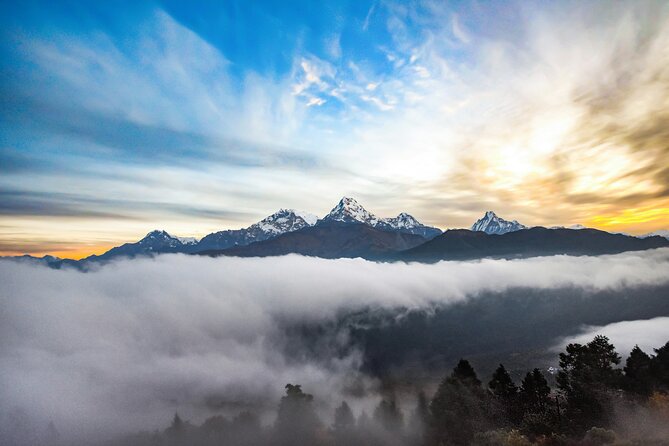
The Annapurna Circuit is famous for a reason: it’s a long altitude story in one package. You start near river valleys, move into drier air as you gain elevation, and end up in places where the sky feels close enough to touch.
This version of the trek aims to hit the highlights without dragging you around too long on transport days. You walk through classic stopovers like Chame, Pisang/Upper Pisang, Manang, Yak Kharka, Thorong Phedi, and Ghorepani—then you cap it with Poon Hill sunrise and a transfer to Pokhara.
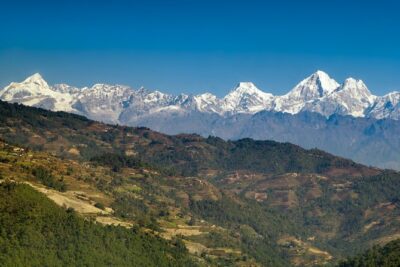
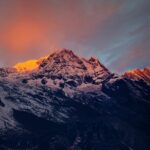
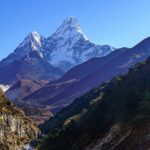
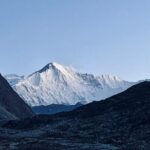
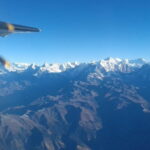
You’ll also see the mountain lineup people dream about: Annapurna, Machhapuchhre (Fishtail), and Dhaulagiri show up repeatedly as you climb and as weather allows. That’s the trade-off here: the mountains do not guarantee themselves every sunrise, but the itinerary is built so you’re in position at the moments that matter.
You can also read our reviews of more hiking tours in Kathmandu
The Kickoff: Kathmandu to Dharapani (and Why Day 1 Feels Long)
Your start is early, with a listed meeting time of 12:15am. That’s not a typo vibe—this trek begins with a long travel push from Kathmandu to the trail region.
You drive from Kathmandu to Besishar along the Trishuli River, then continue by jeep to Dharapani for the night. It’s the kind of first day where you settle in more than you explore, but it’s also what makes the later walking days feel real instead of rushed.
If you’re the type who hates sitting on buses, bring patience. This itinerary balances that discomfort by giving you structured trekking days after you’re already in the Annapurna region.
Chame and Upper Pisang: When the Forest Starts Changing
Day 2 takes you to Chame, the headquarters of the Manang District. This is one of those trail days where the scenery shifts as altitude climbs—rhododendron forests show up along the way, and the air starts to thin out.
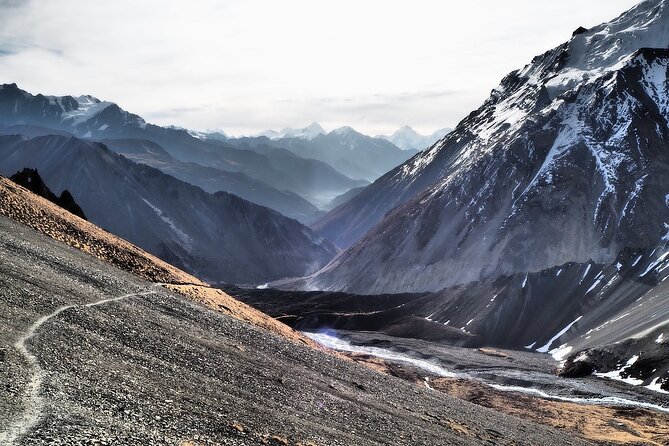
Day 3 continues to Upper Pisang at about 3,300m. The altitude doesn’t just change breathing; it changes the look of the mountains and the way light hits peaks. You’re also in position for views of Lamjung Himal, and that first-light feel can be impressive if skies cooperate.
A practical note: this is where your pace matters. The climbs here are not yet Thorong La level, but starting too fast can turn the rest of the trek into a long battle with your own legs.
Manang Territory: Geru Views and a Real Acclimatization Day
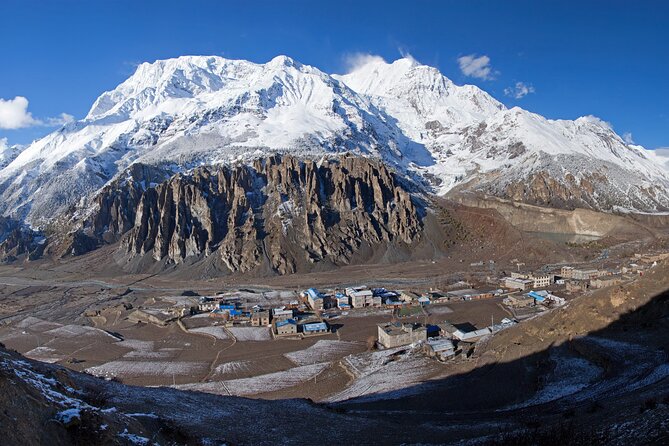
On Day 4 you travel toward Geru via Upper Pisang, with views aimed toward the north face of multiple peaks (Annapurna II, III, IV, Gangapurna, Tilicho, and Pisang Peak). In plain terms: you’re moving into a zone where the mountains get bigger and sharper as the air gets drier and colder.
Then you get something I consider genuinely smart: a full acclimatization day at Manang on Day 5. Manang sits at the base of Annapurna III, and the day gives you time to adjust before the high pass push. The itinerary mentions a possible stroll to Ice Lake—exactly the kind of controlled effort that helps your body learn the altitude without exhausting you.
Is this day a “waste” if you’re itching to hike more? Not really. The whole point is reducing risk when the real work begins. If you take acclimatization lightly, Thorong La can feel like an ambush.
Yak Kharka to Thorong Phedi: Chasing the Pass Without Breaking Yourself
Day 6 heads from Manang toward Yak Kharka, passing through Tenki village and moving via routes that cross streams and climb higher as you leave the Marshyangdi Valley. The trek also shifts toward the northwest and up the Jarsang Khola valley, which helps you understand why the Circuit feels like it’s constantly turning a corner.
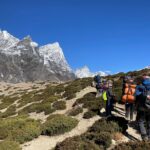
Day 7 brings you to Thorong Phedi, the foot of Thorong La. You’ll ascend from Yak Kharka, descend, then cross the Marsyangdi River on a wooden bridge before you continue upward. That mix of walking styles is worth paying attention to: the Circuit isn’t one long slope—it’s a sequence of climbs, dips, and transitions that tax different muscles.
If you want one simple strategy: focus on steady steps and short breaks. You’re training for a pass crossing, not winning a race.
Thorong La and Muktinath: The Early-Morning Payoff
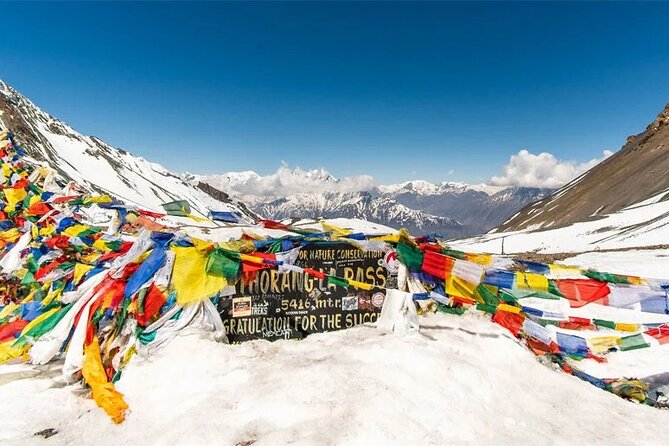
Day 8 is the big headline. You’ll start the climb after waking around 3am, then reach the summit of Thorong La before continuing onward to Muktinath. This is high-altitude walking at its most intense: cold air, thinner oxygen, and a lot of “keep moving” thinking.
Once you crest a major pass, your reward isn’t just the views—it’s the sense of completing a threshold. Muktinath then gives you a different flavor after the climb: the day ends with you dropping into a new environment rather than continuing upward forever.
A heads-up for your own planning: the trek duration listed for this day is shorter (10 hours), but that doesn’t mean it’s easier. Pass days often feel shorter because everything is compressed into one mission.
Tatopani’s Hot Springs to Ghorepani: Recovery, Then Another Lift
After Thorong La, you get a transport day: Day 9 goes by jeep from Muktinath to Tatopani (about three hours). Tatopani is where you can rest at your lodge or visit the hot springs for a swim.
That hot-spring moment is more than a luxury. It’s a chance to reset your legs, manage soreness, and keep blisters and muscle fatigue from becoming a bigger problem on the next trekking days.
Day 10 brings you to Ghorepani, moving through Thakali settlements including Sikha and Chitre, then along the Kali Gandaki River. You’ll also climb up to Ghorepani, and this is one of those days where “recovery” turns into “work again,” just at a different pace and elevation profile.
Poon Hill Sunrise and the Pokhara Shift: Big Views, Fewer Headaches
Day 11 starts early with the famous climb to Poon Hill (3,210m). The goal is sunrise across the Dhaulagiri and Annapurna range, including Machhapuchhre (Fishtail) and Annapurna. The early start matters because you’re trying to catch light on peaks that can disappear behind clouds later.
After the sunrise segment, you continue the journey from Ghorepani to Birethani, then take a bus to Pokhara. This is a nice change of rhythm: you’re switching from thin-air walking into an easier travel day, which helps you feel human again before the final transfer.
Day 12 then finishes the loop with breakfast in Pokhara and a tourist bus back to Kathmandu. There’s also an option to fly (about 25 minutes), but it’s not included, so you’ll pay extra if you want to save time.
Price and Value: What You Pay For at $1,100 Per Person
At $1,100 per person, this trek is priced like a “real organization” package, not a DIY shopping list. The value is tied to what’s included: government ACAP and TIMS fees, an English-speaking guide, guide meals and support, trek accommodations with meals, and most transport between key points.
Here’s where that matters for you. With trekking permits and fees taken care of, you avoid the most common beginner headache: figuring out what’s required and where to get it. With guide support built in, you also reduce the mental load on route timing, day-by-day pacing, and responding to weather.
What’s not included is equally important for budgeting. Beverages, personal expenses (tips, laundry, phone use, and things like camera/video fees), insurance, and the Nepal visa are extra. The visa cost depends on length (15 days USD 30, 30 days USD 50, 90 days USD 125), and you’ll obtain it on arrival at the airport.
You can also hire a porter for $20/day (carrying up to 20 kg). That can be a smart upgrade if you’d rather keep your pack light—just remember that porter availability and your own comfort level will shape what you choose.
Guides, Permits, and the Peace of Mind Factor
This company organizes the trek with a government-licensed, experienced, English-speaking guide. That means you’re not just paying for walking leadership; you’re paying for smoother decision-making when altitude, weather, or timing get tricky.
The permit coverage matters too. The trek includes the Annapurna Conservation Area Permit (ACAP) and the TIMS card fee, plus taxes. Those are the kinds of items that can make a trip feel suddenly complicated if you try to handle them alone.
There’s also a human support angle. In the past, guide Bhim Panta has been named for helping make the Kathmandu start smoother, while Manit is described as responsive during online consultation and answering questions quickly. Even if you don’t meet the same people, that tells you the organization leans on communication and planning, not just showing up with a clipboard.
Accommodation and Meals: Tea Houses Are Simple, Not Fancy
During the trek, you’ll stay in tea house/lodge accommodation with breakfast, lunch, and dinner included. That setup is practical: it keeps your daily plan consistent, and it avoids food-hunt stress when you’re tired.
The Pokhara portion is a bit different: you get one night accommodation with breakfast. Pokhara is where you can breathe again, eat something familiar if you want, and reset before the final ride back to Kathmandu.
Expect basic trekking comfort. Rooms are what you’d expect in mountain lodge settings, but the real win here is that meals are covered and included with the lodging plan.
Who This Trek Suits Best (and Who Might Feel Miserable)
This trek is aimed at people with at least moderate physical fitness. You don’t need to be an elite hiker, but you do need to handle long days, altitude, and the mental rhythm of early starts.
I think it’s a strong fit if you:
- want the classic Annapurna Circuit experience without spending your time on permits and coordination
- like structured pacing and value safety planning around acclimatization
- enjoy villages and markets along the trail instead of only chasing the summit view
You might want a second look if you:
- hate cold mornings and high-altitude walking
- need full control over every day’s route (this trip is guided and structured)
- prefer zero trekking transfers or zero jeep/bus days
Packing and Pace: How to Make Thorong La Feel Less Like a Surprise
The data says you should have a moderate fitness level, but your success will come down to pacing and preparation. If you can, arrive in Nepal with a bit of baseline walking under your belt.
On the trail, keep your effort steady. This itinerary includes an acclimatization day at Manang, but the pass day still demands real endurance. Plan your mindset like this: small steps add up, and stopping too often can make you colder and stiffer.
Also, consider whether you want a porter. If you’re carrying too much, you’ll feel it later on. Since porter service is available for $20/day (up to 20 kg), it’s a clear, supported option if you’d rather hike light.
Should You Book This 12-Day Annapurna Circuit Trek?
If you want an organized Annapurna Circuit that covers the biggest logistics (guide, permits, major transport legs, and trek meals), this is a solid choice. The value shows up most in the things you don’t want to manage alone: ACAP/TIMS paperwork, guided pacing, and day-to-day lodge planning.
Book it if you’re comfortable with early starts, altitude risk management (including that key Manang acclimatization day), and the reality that beverages and insurance are on you. Skip it or adjust expectations if you’re sensitive to cold mornings, or if you’re hoping for a relaxed walk with no demanding days—because Thorong La is the center of gravity here.
If you can handle that mix, you’ll likely come away with the kind of mountain memory that sticks, plus a final exhale in Pokhara that feels well earned.
FAQ
How long is the Annapurna Circuit trek?
The trek runs for about 12 days, with transport into the trekking region and back to Kathmandu, plus a night in Pokhara.
Where does the trip start and how early is it?
The meeting time is listed as 12:15am. Day 1 includes driving from Kathmandu to Besishar, then a jeep to Dharapani.
What parts of the trek include meals and lodging?
During the trek, you’ll use tea house/lodge accommodation with meals included: breakfast, lunch, and dinner. In Pokhara, you get one night of accommodation with breakfast.
Are trekking permits included?
Yes. The package includes the Annapurna Conservation Area Permit (ACAP) and the TIMS card fee.
What transportation is included?
Kathmandu to Dharapani is included, as are Muktinath to Tatopani and Nayapul to Pokhara. Pokhara to Kathmandu is by tourist bus. A flight option from Pokhara to Kathmandu is mentioned as an extra cost.
Do I need to get a Nepal visa?
Yes. A Nepal Visa is not included and is obtained upon arrival at the airport.
Is a porter available?
Yes. Porters are available for $20/day and can carry up to 20 kg, if you choose to add one.
What is included in the price besides trekking services?
Your inclusions cover the licensed English-speaking guide, guide meals and support, lodging and meals during the trek, local and government taxes, and a farewell dinner in Kathmandu. Beverages and personal expenses are not included.