REVIEW · KATHMANDU
Patan and Bhaktapur Boutique Tour
Book on Viator →Operated by Amazing Kathmandu Tours · Bookable on Viator
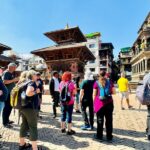
Patan and Bhaktapur in one long day. This small-group boutique tour strings together UNESCO sights with real neighborhood stops, starting with convenient pickup in Boudha and central Thamel. I love how the pacing mixes big-ticket monuments with quieter corners, so you actually get a feel for how daily life and ancient craft sit side by side.
My favorite part is the way the guide helps you read what you’re seeing, from the Asta Matrika paintings on Patan Dhoka to the sacred serpent courtyard at Nagbahal. It’s not just photo stops. You’ll get context for why places like Manga Hiti matter, and what makes Patan’s and Bhaktapur’s Newar architecture tick.
The only real catch: budget time and cash. The Durbar Square entrance fee (paid in Nepalese rupees at the gate) isn’t included, and some key temples and museum entries also cost extra. Add in the day-long walking, and you’ll want comfortable shoes and a light attitude about logistics.
In This Review
- Key highlights you’ll feel right away
- Patan and Bhaktapur in One Long Day: The vibe and the value
- Getting started at 8:30 am: Pickup, transport, and your comfort checklist
- Patan Dhoka (Patan Gate): Start where the city begins
- Pimbahal: Where pilgrims and traders used to do daily chores
- Nag Baha Galli: Serpents, festivals, and courtyard meaning
- Hiranya Varna Mahavihar (Golden Temple): A Buddha pagoda with real calm
- Manga Hiti (Manga: Water Stone Spout): The kind of heritage you’d miss alone
- Patan Museum: When the Malla-era palace becomes part of the story
- Patan Durbar Square: Newar royal power in stone
- The road to Bhaktapur: Same valley, different character
- Bhaktapur Durbar Square: Courtyards, temples, and the city’s spine
- Pottery Square: Watch hands, not just artifacts
- Taumadhi Square and Nyatapola Temple: The dramatic five stories
- Dattatraya Temple: The peacock-window detail you’ll remember
- That final Patan wander: Small streets and quiet temples
- Price, tickets, and what to budget in real life
- Group size and guide style: Why this tour feels personal
- Who should book this Patan and Bhaktapur day?
- Should you book this tour or pick something else?
- FAQ
- How much does the Patan and Bhaktapur Boutique Tour cost?
- What time does the tour start, and how long is it?
- Where is the meeting point?
- How many people are in the group?
- Is lunch included?
- Are entrance fees included?
- Do I need cash for the Durbar Square entrance?
- Is the tour suitable for children?
- Is cancellation free?
Key highlights you’ll feel right away
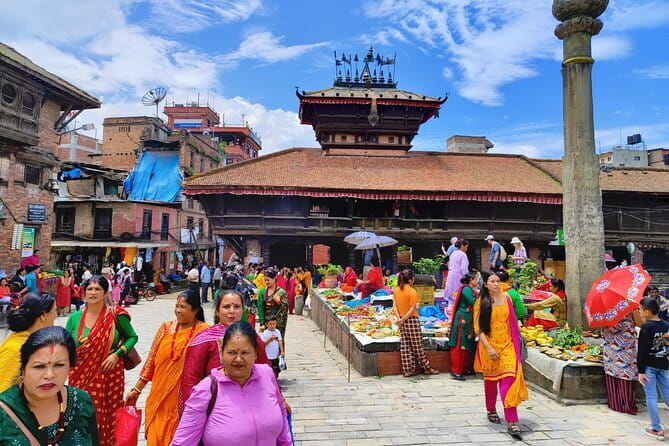
- Two UNESCO Durbar Squares in one day: Patan Durbar Square and Bhaktapur Durbar Square
- Golden Temple + Nyatapola Temple: Buddha-themed pagoda and Siddhi Lakshmi’s tall 5-tier temple
- Craft-focused stops: Pottery Square plus stonewater-spout and courtyard details
- Small group size (max 10): easier movement through tight streets
- Comfort included for the ride: air-conditioned vehicle and WiFi on board
Patan and Bhaktapur in One Long Day: The vibe and the value
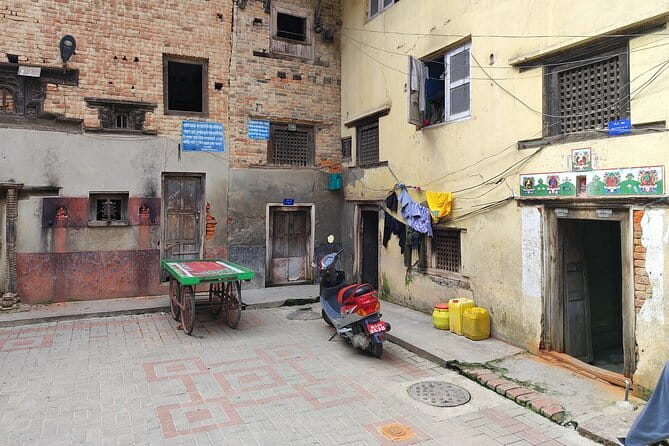
This tour is priced at $40 per person, which is a solid deal for a guided, full-day route built around two major heritage areas. You’re not paying for a bus tour where everyone disappears into a crowd. Instead, you’re getting a plan that keeps you moving through the Kathmandu Valley’s historic core while still allowing you to stop and look.
The day runs about 9 hours 30 minutes, and it includes time for transport plus a lunch and coffee stop (lunch isn’t included in the ticket price). You start at 8:30 am from the Filli chai meeting point near Kathmandu Guest House Road, and you end back there.
A small-group tour like this matters in places like Patan and Bhaktapur. Streets are narrow, sightlines are tight, and the best views often come from being in the right spot at the right moment. With a group capped at 10 travelers, you can usually hear your guide without leaning like a gymnast.
You can also read our reviews of more tours and experiences in Kathmandu.


Getting started at 8:30 am: Pickup, transport, and your comfort checklist
Your pickup is designed for people staying around Boudha and the KGH Hotel area in Thamel, which is helpful if you don’t want to scramble across the city before the tour begins. The transport includes an air-conditioned vehicle and WiFi on board, which becomes a nice buffer on warmer mornings.
You’ll want to treat the route as a “mostly walking” day, with enough uneven and stone surfaces to justify comfortable, grippy shoes. The tour asks for moderate physical fitness, and the minimum age is 9 years (children under 9 can’t be brought and can’t sit on your lap for insurance reasons).
My quick practical move: pack a small day bag with water, a light layer for temple shade, and some cash for the entrance fees you’ll pay at sites.
Patan Dhoka (Patan Gate): Start where the city begins
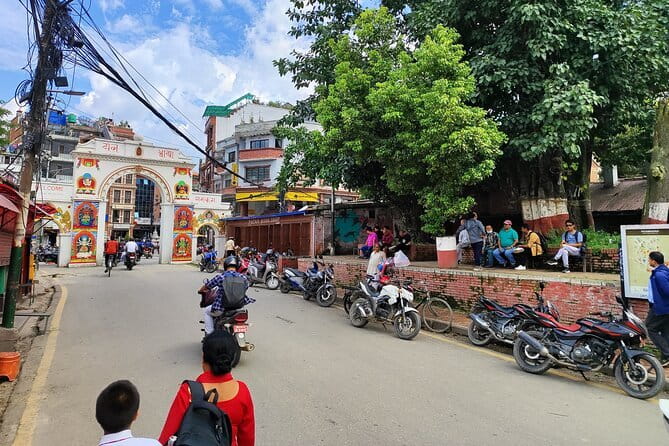
You begin at Patan Dhoka, the historic gate marking the entrance to Patan’s old city. It’s decorated with paintings of the Asta Matrika, the eight mother goddesses. Even if you’re not deep into Hindu iconography, those images tell you one key thing right away: Patan’s heritage isn’t just in buildings. It’s also in the symbolism that marks thresholds.
This stop is short, but it’s a good “set the frame” moment. Gates like this are where Newar cities announce their identity—who you should respect, what stories you’re about to see, and how the sacred and civic spaces connect.
If you’re the type who hates waiting, you’ll still like this. The time here is only about 15 minutes, and then you’re off.
Pimbahal: Where pilgrims and traders used to do daily chores
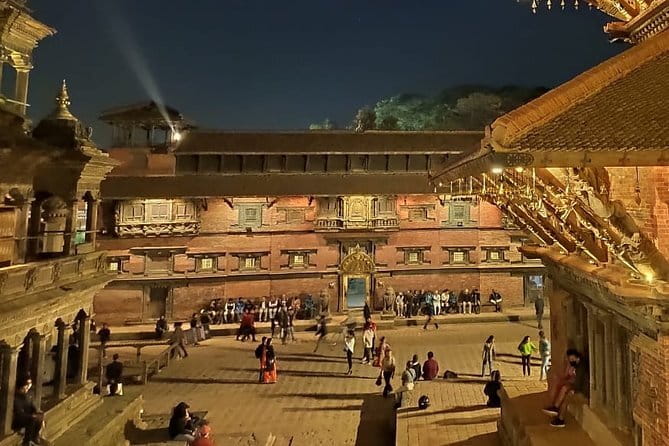
Next is Pimbahal, a stop focused on how people once lived through routine. Here, you’ll step back to see how ancient tourists, pilgrims, and traders cooked food, fetched water, and rested.
The highlight is the story behind Gaya Baje, a Hindu priest connected to local tradition. Even with a quick stop, this kind of detail changes your perspective. A courtyard stops being a courtyard and becomes a functional piece of city life.
This is also an easy break in the day’s rhythm—about 20 minutes—so you can reset before the more ceremonial courtyard stop at Nagbahal.
Nag Baha Galli: Serpents, festivals, and courtyard meaning
At Nag Baha Galli, you’re in a serpent-dedicated courtyard linked to Samyak Mahadan, a festival of giving that takes place every five years. It’s a reminder that heritage sites in Nepal aren’t frozen backdrops. They’re tied to cycles of ceremony, generosity, and community memory.
A serpent courtyard can sound like a niche stop on paper, but it’s exactly the kind of place where a good guide earns their keep. You’ll start noticing how symbolism repeats across Patan—small carvings, rooflines, and corner shrines that point back to the same ideas.
This stop is about 30 minutes, which is enough time to look around and not just skim.



Hiranya Varna Mahavihar (Golden Temple): A Buddha pagoda with real calm
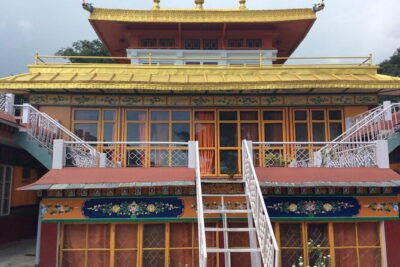
Then you’ll reach the Golden Temple, also known as Hiranya Varna Mahavihar. It’s a three-story pagoda with a gilded roof and intricate carvings, and it’s dedicated to Gautam Buddha.
What I like about this temple stop is that it gives you a different mood from the durbar-square energy. Instead of royal stonework and crowds moving around you, you get a more serene sanctuary feel, where you can slow down and absorb details at your own pace.
Time here is about 30 minutes, and entry is not included, so be ready with extra money. The good news: it’s a single stop, so you’re not paying multiple fees back-to-back without a break.
Manga Hiti (Manga: Water Stone Spout): The kind of heritage you’d miss alone
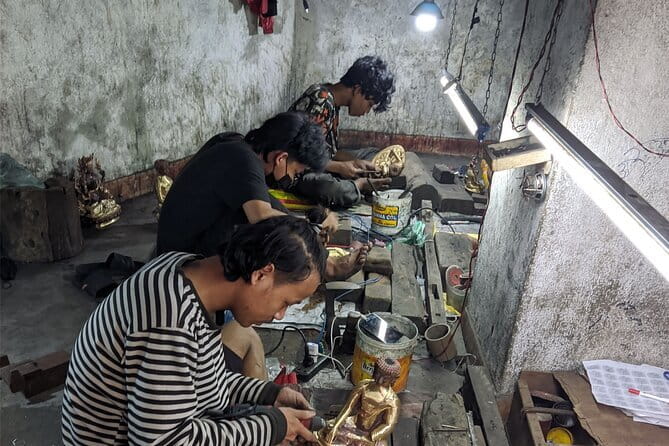
Manga Hiti, also called Manga Dhara, is a historic stone water spout built during the Lichhavi period. It’s carved with gods and complex designs, and it’s right in the heart of Patan.
This is the kind of stop that turns a “big monument” day into a day you actually remember. Water spouts are practical infrastructure, but in Newar towns they’re also art objects—built to last, meant to be seen, and tied to daily ritual.
You’ll spend around 15 minutes here, and it’s a free-admission stop.
Patan Museum: When the Malla-era palace becomes part of the story
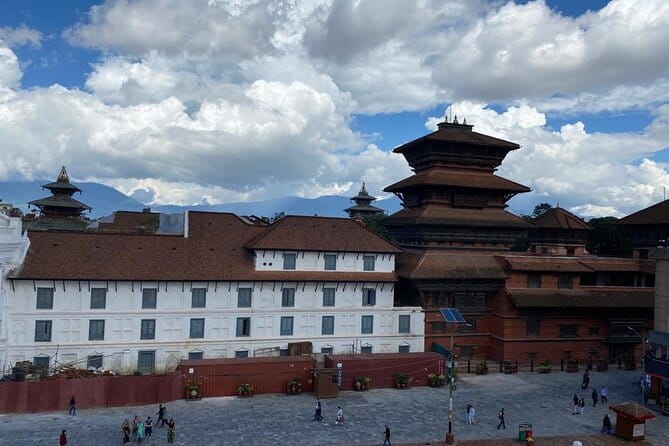
Next is Patan Museum, housed in a restored Malla-era palace. The building itself is an architectural highlight, with traditional Nepali design that makes the visit feel like you’re stepping into history twice—first through the palace, then through the collections.
The museum is not included in the ticket price, so check what entry fee you’re paying on the day. You’ll have about 30 minutes here, which is enough to get oriented without turning the museum visit into homework.
If you like heritage sites that explain the “how and why” behind the scenery, this stop is worth it. If you prefer nonstop outdoor sights, you might want to keep your expectations light and use it as a context reset.
Patan Durbar Square: Newar royal power in stone
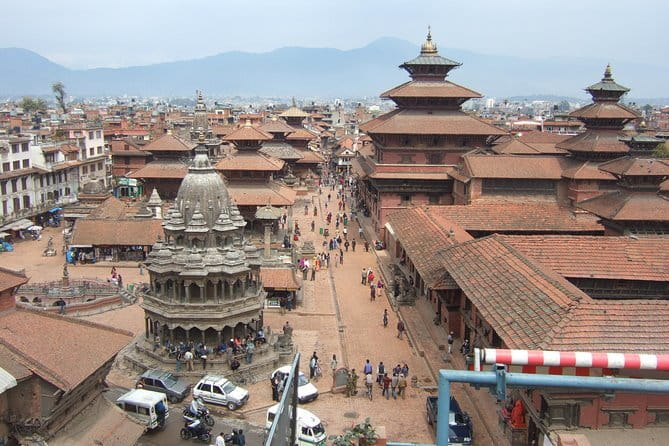
Now you hit the main act: Patan Durbar Square, a UNESCO World Heritage Site. This area was once the royal palace space of the Malla kings, and it’s packed with intricately carved temples, courtyards, and open spots where the architecture becomes the show.
This is where Newar design language gets loud: repeating rooflines, layered stonework, and courtyards that feel like indoor-outdoor rooms. Even if you’re not “architecture obsessed,” the sense of craftsmanship is hard to miss.
Entry is not included, and you’ll pay at the gate in cash. The guidance you’ll want to remember: expect the entrance fee to be NRP 1000 (about US$9). There’s also a recommendation to pay at least NRP 100 as a donation to the Royal Kumari.
Here’s my practical advice: take out enough cash before you arrive at the square so you aren’t hunting ATM options mid-day. Also, take a moment to orient yourself before you start walking deeper—durbar squares can be confusing without a mental map.
Time on site is about 30 minutes.
The road to Bhaktapur: Same valley, different character
After Patan, you’ll head to Bhaktapur, the other UNESCO highlight of the day. The shift from Patan to Bhaktapur is noticeable in the feel of the streets—more compact, with architecture that stays close to the ground and corners that pull you in.
This is where small-group planning helps again. You’re not wasting time searching for your guide or trying to regroup in places where sight lines are short.
Bhaktapur Durbar Square: Courtyards, temples, and the city’s spine
Your first Bhaktapur heritage stop is Bhaktapur Durbar Square, another UNESCO World Heritage Site. It showcases traditional Newar architecture with ancient temples and charming court areas around the square.
Time is about 30 minutes, and entry is not included. Like Patan, you’ll pay at the gate in cash for the Durbar Square.
What I like here is how the space feels like the city’s spine. You can understand why people built around these spaces—ritual, governance, trade, and daily life all happened in the same general area.
If you’re moving with a moderate pace, you’ll get enough time to look at key temples and rooflines without feeling rushed off to the next stop.
Pottery Square: Watch hands, not just artifacts
Next comes Pottery Square, a lively area where you can watch local artisans make handmade pottery. You’ll see clay work being created and sold, and you get a more human view of heritage: it’s not only buildings—it’s skills.
The stop is about 30 minutes and admission is listed as not included. Even if you don’t buy anything, it’s worth going slowly and watching how the work happens. This is the part of the day that feels least like tourism and most like watching real craft practices.
A practical tip: if you want to buy pottery, handle it carefully and confirm how it’s packed for transport. The day is long, and you’ll likely still have more walking and temple visits after.
Taumadhi Square and Nyatapola Temple: The dramatic five stories
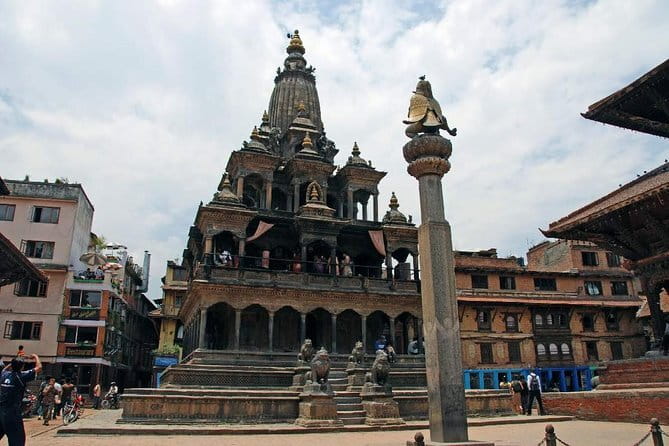
At Taumadhi Square, you’ll see the Nyatapola Temple, famous for its five-story height and its dedication to Siddhi Lakshmi. It’s one of Nepal’s standout temple silhouettes, with strong vertical energy that makes it easy to spot even when you’re not looking for it.
Time here is about 30 minutes, and entry is not included.
What I like about this stop: it gives you a “wow” that’s not dependent on interpretation. Even if you’re tired, the structure does the work. And if you are still paying attention, your guide can point out how the temple’s form and iconography connect to the goddess tradition.
Dattatraya Temple: The peacock-window detail you’ll remember
Your later stop is Dattatraya Temple at Dattatraya Square, dedicated to a Hindu deity associated with the unity of Brahma, Vishnu, and Shiva. It’s known for the Peacock Window, a detailed architectural feature that draws your eyes in fast.
This stop is about 30 minutes and listed as free. It’s a good final temple-note before you roll back into the ride.
By the end of the day, I find it’s these smaller carvings and window details that stick. They’re the moments where Newar craftsmanship feels close enough to touch, even from a respectful distance.
That final Patan wander: Small streets and quiet temples
After the Bhaktapur segment, the route returns to Patan with time for walking through narrow connected pathways and wider open spaces. You’ll be looking for ancient palace elements, stupas, and peaceful temples, plus time for a small extra moment of orientation.
Admission is listed as free here, and the stop is about 30 minutes. The benefit of this add-on is pacing balance: after bigger squares and major temples, you get a chance to take a slower stroll and soak in how the old city works at street level.
This is also where good shoes pay off. Small streets often mean uneven stone and occasional uphill steps.
Price, tickets, and what to budget in real life
The tour price is $40, and that covers the guide, WiFi on board, and air-conditioned transport. It does not cover lunch, and it also does not include some admissions—especially Durbar Square entrances.
Here’s what you should plan for based on the tour info:
- Patan Durbar Square entrance: NRP 1000 paid in cash
- Bhaktapur Durbar Square entrance: also not included in the package
- Suggested donation: NRP 100 to the Royal Kumari
- Golden Temple entry: not included
- Patan Museum entry: not included
- Nyatapola Temple and Pottery Square: listed as not included
Because exact fees for each site aren’t all stated in the details you have, I recommend carrying extra cash in smaller notes. Also, don’t schedule this tour on the same day as something that needs a lot of planning on your end. This route runs on timing, and you’ll benefit from being flexible.
Group size and guide style: Why this tour feels personal
The day runs with a maximum of 10 travelers, which keeps it conversational. In the places you’ll visit, it helps that your guide can slow down for questions without turning the route into a line.
In past experiences connected to this style of tour, guides such as Shreya Karki have been praised for knowing Nepal’s culture, history, and traditions and for bringing multi-day Kathmandu programs to life. Another guide, Santosh, has been described as charming and focused on setting the scene with context. That’s exactly the energy you want for heritage days: clear explanations, not just standing near a doorway and hoping the buildings explain themselves.
If you like your sightseeing with real story—how rituals connect to spaces, why carvings exist, and how the city’s layout makes sense—this format works well.
Who should book this Patan and Bhaktapur day?
This is a strong fit if you:
- Want two UNESCO sites without doing it alone
- Prefer small-group guidance over a crowded bus
- Enjoy Newar architecture details—temples, courtyards, windows, and craftsmanship
- Like a route that includes craft stops like Pottery Square, not only monuments
It may be less ideal if you:
- Want a totally laid-back day with no admission budgeting
- Dislike walking around stone streets for most of the morning and afternoon
- Need strict meal planning, since lunch isn’t included in the ticket
Should you book this tour or pick something else?
If you’re in Kathmandu with limited time and you want Patan and Bhaktapur in a single focused day, I’d book it. For $40, the value is strong when you consider the guided route, comfortable transport, and the way it balances major squares with craft and smaller heritage stops.
My only “think twice” moment is cost planning. Bring cash for Durbar Square entrances, expect extra entries at major sites like the Golden Temple and Patan Museum, and wear shoes that can handle uneven old-city ground. If you handle that, you’ll leave with a real sense of how this part of the valley works—where sacred spaces, city life, and artisan skills overlap.
FAQ
How much does the Patan and Bhaktapur Boutique Tour cost?
The price is $40.00 per person.
What time does the tour start, and how long is it?
It starts at 8:30 am and runs for about 9 hours 30 minutes, including transportation and time for lunch and a coffee stop.
Where is the meeting point?
The meeting point is Filli chai (Kathmandu Guest House Rd, Kathmandu 44600, Nepal). The tour ends back at the meeting point.
How many people are in the group?
The tour has a maximum of 10 travelers.
Is lunch included?
No, lunch is not included.
Are entrance fees included?
Durbar Square entrance fees are not included (NRP 1000, paid in cash). The Golden Temple and Patan Museum are also listed as not included. Some other sites are marked free, so check each stop as you go.
Do I need cash for the Durbar Square entrance?
Yes. The Durbar Square entrance fee must be paid in cash at the entrance, and the guidance recommends bringing enough cash, including a possible donation of at least NRP 100 to the Royal Kumari.
Is the tour suitable for children?
The minimum age is 9 years, and children under 9 cannot be brought for insurance reasons because they cannot sit on your lap.
Is cancellation free?
Yes. You can cancel up to 24 hours in advance for a full refund.