REVIEW · KATHMANDU
Kathmandu: Full Day 7 UNESCO Tour with Lunch – Private/Group
Book on Viator →Operated by Luxury Holidays Nepal Pvt. Ltd. · Bookable on Viator
Seven temples, one long day. That’s the trade.
This Kathmandu 7 UNESCO sites tour is interesting because it strings together the classic religious landmarks you’d otherwise need multiple trips for. I especially love the easy hotel pickup and drop-off, and the way the guide stitches stories together as you move from place to place, including the details that matter for understanding what you’re looking at.
The main drawback is the pace. This is a packed day, and you’ll do real walking, plus multiple stops stacked tightly so you’re not sitting around admiring everything at leisure.
In This Review
- Key Things to Know Before You Go
- A One-Day UNESCO Circuit You Can Actually Pull Off
- Price and the Real Cost: What You Pay vs. What You Should Expect
- How Pickup, Transport, and Timing Shape Your Day
- Stop-by-Stop: What You’ll See at the 7 UNESCO Sites
- Swayambhunath (Monkey Temple) for Big Views and Big Meaning
- Kathmandu Durbar Square for Royal Complex Energy
- Patan Durbar Square for Newari Architecture and Craft
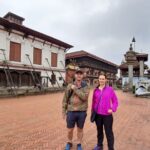
- Bhaktapur Durbar Square for Medieval-Style Atmosphere
- Changu Narayan Temple for the Oldest Vibes
- Pashupatinath Temple for Hindu Pilgrimage Intensity
- Boudhanath Stupa for Tibetan Buddhist Focus
- The Lunch Box Setup: Good Fuel for a Busy Circuit
- Guide and Driver Matter More Than You Think
- The Real Pace: When 7 Sites Feels Like a Win (or Too Much)
- Who Should Book This UNESCO Day Tour
- Should You Book This Kathmandu 7-Site UNESCO Tour?
Key Things to Know Before You Go
- Hotel pickup and drop-off by air-conditioned private vehicle keeps your day simple
- English-speaking guides (including Sumit, Anon, Anant, Sajina, Suresh, and Asmita in past tours) bring the sites to life
- Lunch box included: bottled water, muffin/donut, banana, seasonal fruit, and juice
- Entrance fees are usually extra unless you choose the all-inclusive option
- It’s a true long day: even with the 8–9 hour schedule, door-to-door time can stretch to about 9–11 hours
A One-Day UNESCO Circuit You Can Actually Pull Off
Kathmandu is a city that rewards good routing. This tour’s big win is that it’s built around a logical loop through some of Nepal’s most recognized heritage sites, all in one day. If you’re short on time, it’s one of the fastest ways to get your bearings and understand how different traditions shape the city.
The sites aren’t random either. You bounce between major Hindu temples, Buddhist stupas, and palace-squares that show how the Kathmandu Valley’s kingdoms and communities developed over centuries. Even if you’re not a “temple person,” the mix tends to click once your guide starts explaining what you’re seeing.
You can also read our reviews of more private tours in Kathmandu

Price and the Real Cost: What You Pay vs. What You Should Expect
On paper, this tour is priced very low for a full-day guided circuit. The catch is that entrance fees are not included on the standard options, and they can add up quickly.
- For the group/private options, entrance fees are listed as $44 per person
- Reviews also mention needing about 6,000 NR in cash for entry to the sites
- The all-inclusive option is the one that includes food and entrance fees, so you won’t keep stopping to pay again and again
So here’s the practical way to think about value: this tour is budget-friendly if you’re comfortable handling extra fees and a long day. It can be more expensive than it looks if you end up adding entrance costs on top of everything else you’re already planning to do in Kathmandu.
If you hate the cash-and-ticket part of sightseeing, choosing the all-inclusive format can be worth it just for the stress reduction.
How Pickup, Transport, and Timing Shape Your Day
You get pickup from and drop-off to your hotel by private vehicle, and the ride is done in an air-conditioned car. That matters in Kathmandu because you’ll feel the difference between “I’m trying to find buses” and “I’m actually moving on schedule.”
The tour duration is listed as 8 to 9 hours. In real life, you should plan for a longer day, especially door-to-door. A few people noted closer to 9–11 hours depending on how the day runs and how busy traffic is.
One smart strategy you can use: if you can request an early start (some reviews mention starting around 7am to avoid heavier traffic later), you’ll likely move more smoothly between the sites. More time on the ground usually beats more time in the car.
Stop-by-Stop: What You’ll See at the 7 UNESCO Sites
This itinerary is built around a “big picture first” approach. That’s great for orientation, but it also means you should expect some stops to feel like highlights rather than deep museum-style visits.
Swayambhunath (Monkey Temple) for Big Views and Big Meaning
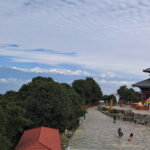
You start at Swayambhunath, perched on a hill with a view over the Kathmandu Valley. It’s also known as the Monkey Temple, which hints at the atmosphere you’ll notice right away—curious monkeys and a lively temple zone.
The guide will typically frame it as one of Nepal’s most iconic sacred sites, with roots said to go back over 2,500 years. The practical takeaway: bring comfortable shoes and be ready for stairs. If you hate walking, this is not the place to negotiate with your legs.
Admission is not included in some tour options, so keep that in mind if you’re tracking entrance payments.
You can also read our reviews of more tours and experiences in Kathmandu

Kathmandu Durbar Square for Royal Complex Energy
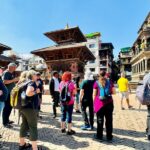
Next is Kathmandu Durbar Square (also called Hanuman Dhoka Durbar Square). This is described as a historic royal complex that served as the palace of the Malla and Shah kings of Kathmandu.
What makes this stop worth your attention is that it’s not just “a square with buildings.” It’s the kind of heritage space where you can sense how power, craftsmanship, and religion have rubbed shoulders for a long time. You’ll have limited time here, but it’s still a strong anchor point for understanding Kathmandu’s old-city layout.
Patan Durbar Square for Newari Architecture and Craft
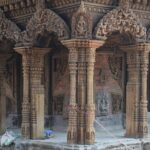
Then you head to Patan Durbar Square in Lalitpur. This stop is known for its Newari architecture, plus its role as a center of art, culture, and spirituality.
If you like comparing how cities within the valley express identity, Patan is a good place to notice details. Even with a short visit, the guided context helps you see patterns instead of just “old stonework.”
Again, this is one where entrance fees may be extra depending on the option you choose.
Bhaktapur Durbar Square for Medieval-Style Atmosphere
Bhaktapur Durbar Square takes you into a medieval city feel, with a showcase of Nepalese artistry and history. It’s described as a palace complex from the Malla kings of Bhaktapur, which matters because the site reads like a living record of ruling style and craftsmanship.
This is one of those stops where you’ll likely wish you had more time to slow down, but it’s still a key UNESCO anchor on this route. If you’re the type who likes to sketch, photograph, or linger on details, plan to do that during the small pockets of time your guide gives you for exploring.
Changu Narayan Temple for the Oldest Vibes
Then comes Changu Narayan Temple, set on a quiet hilltop northeast of Bhaktapur. It’s considered one of the oldest Hindu temples in Nepal, with origins dating to the 4th century, and it’s dedicated to Lord Vishnu.
This stop is shorter (about 30 minutes), so think of it as a “hit the highlights” temple experience. The good part is that short doesn’t mean unimportant. It’s the kind of place where the age is the story, and the guide’s explanation makes it feel real rather than abstract.
Pashupatinath Temple for Hindu Pilgrimage Intensity
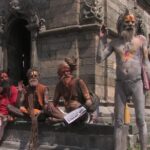
At Pashupatinath Temple, you’ll be at the banks of the Bagmati River. The site is described as Nepal’s most important Hindu temple and a major pilgrimage place for devotees of Lord Shiva, and it’s also a UNESCO World Heritage Site.
This stop tends to feel the most intense in a spiritual sense. It’s also where you’ll want to pay attention to what your guide says about etiquette and what’s considered sacred, because your time here is about observation and respect, not sightseeing “for fun.”
Expect more walking and crowd navigation than you might think, depending on the day and time.
Boudhanath Stupa for Tibetan Buddhist Focus
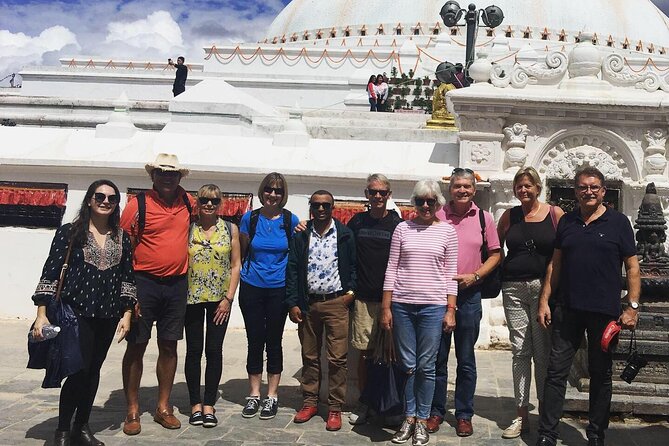
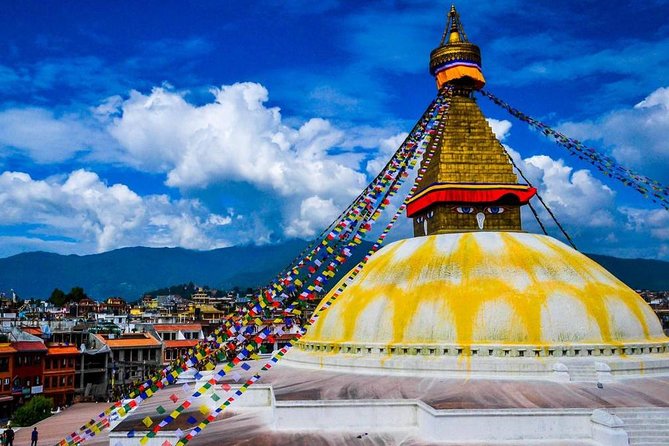
Finish at Boudhanath Stupa, described as one of the largest spherical stupas in the world. It’s known as a spiritual heart for Nepal’s Tibetan Buddhist community, with the big white dome dominating the neighborhood.
Your guide will likely point out why this place feels different from the Hindu sites earlier in the day. It’s not just another monument—it’s a whole religious rhythm, centered on the stupa and the community around it.
This last stop is a good “reset.” If you’ve been moving fast all day, Boudhanath can help you land the day with a calmer focus.
The Lunch Box Setup: Good Fuel for a Busy Circuit
You get a lunch box included with bottled water (500ml), a muffin or donut, banana, seasonal fruit, and juice. It’s simple food, built for staying on schedule.
That approach makes sense for a tour like this. If you stop for a long sit-down meal, the day falls apart. With the lunch box, you can keep momentum and reduce the risk of arriving at the later UNESCO sites feeling drained.
If you have a sensitive stomach or prefer heavier meals, you might want to bring extra snacks. Some people specifically recommended adding extra snacks and water to stay comfortable during a day this long.
Guide and Driver Matter More Than You Think
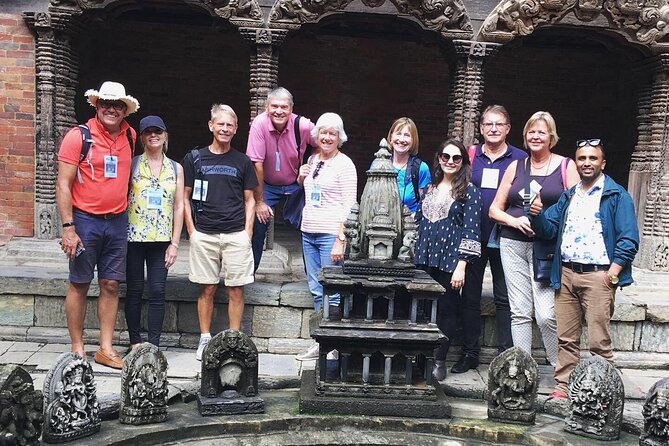
The guide is the difference between seeing monuments and understanding them. Past tours highlighted guides like Sumit, Anon, Anant, Sajina, Suresh, and Asmita, each praised for clear storytelling and practical explanations.
If you’re hoping for the best match, one review-style tip you can use is to request Sumit (and where available, pairing with the driver Krishna). That combination showed up as especially smooth: calm guidance, safe driving through chaotic streets, and helpful flexibility when needs came up.
The driver also matters because Kathmandu traffic can be chaotic. The tour’s private vehicle setup helps, but you’ll still feel why skilled driving keeps stress lower when you’re running a tight route.
The Real Pace: When 7 Sites Feels Like a Win (or Too Much)
Most people love this tour for its “see the essentials fast” value. The trade-off is obvious: it’s a packed day, and a few reviews describe it as rushed or not relaxing.
Here’s how to judge it for yourself:
- If you want orientation and highlights, this tour fits.
- If you want slow, detailed exploration at every stop, you may feel squeezed.
The smart move is to treat it like a starter course. Plan a second day later in your trip (or pair with a smaller focused tour) if you find one site you genuinely love.
Who Should Book This UNESCO Day Tour
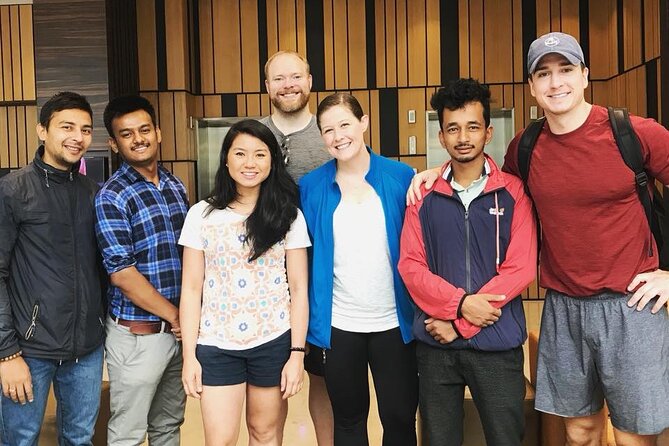
This tour is a great fit if:
- You have limited time in Kathmandu and want a strong overview
- You like guided context that explains how these heritage places connect
- You’re okay with a long, active day and some walking
It may be less suitable if:
- Your next day has a strenuous plan (like trekking), since this can run long
- You hate moving quickly between stops
- You’d rather pay entrance fees only once via an all-inclusive option
If you’re traveling solo, the format can also work well because the guide makes the monuments make sense, and you’re not stuck navigating confusion on your own.
Should You Book This Kathmandu 7-Site UNESCO Tour?
Book it if you want the efficient Kathmandu experience: hotel pickup, English-speaking guidance, seven major UNESCO stops, and a built-in lunch box. It’s a strong choice when your time is tight and you want your day to feel meaningful, not scattered.
Hold off or choose a different setup if you need a relaxed pace, or if you strongly dislike the idea of extra entrance costs. In that case, consider the all-inclusive option first, and if you’re unsure, plan to go early and bring a little extra snack support.
If you can handle a full day and you want your Kathmandu history served in one shot, this tour is a practical win.