REVIEW · LHASA
Tibet Tour 8 Days Lhasa to Everest Base Camp Small Group Tour
Book on Viator →Operated by Tibet Vista · Bookable on Viator
Everest Base Camp day feels almost unreal until you’re on the road. This 8-day, small-group trip links Lhasa’s most important religious sites with the long drive toward Everest, with an English-speaking guide and the logistics handled for you. You’ll also travel with oxygen in the vehicle, which matters a lot at Tibet altitudes.
I especially like that the trip takes care of the “paperwork + planning” side: Tibet permits and site entrance fees are included, plus transport and hotels with breakfast. I also like the practical comfort touches, like oxygen cylinders in the car and drinking water every day.
The main thing to consider is effort and flexibility. Day 5 is a long high-altitude push toward Everest, and the experience depends on conditions, so you should be ready for changes if weather isn’t cooperating.
In This Review
- Key things I think you’ll care about
- Lhasa to Everest, minus the DIY chaos
- Permits, oxygen, and altitude reality checks
- Day 1 in Lhasa: the smooth landing you need
- Potala Palace, Jokhang Temple, and the Barkhor Street kora
- Potala Palace: Dalai Lama’s winter palace
- Jokhang Temple: the Buddha Sakyamuni focus
- Barkhor Street: kora with pilgrims and locals
- Drepung and Sera: monasteries with different rhythms
- Dadong Village and Drepung Monastery
- Sera Monastery and the monks’ debate
- Yamdrok Yumtso, Gampala Pass, and the long road to Gyantse
- Everest Base Camp: what the 12-hour day really means
- Rongbuk Monastery and the sunrise-style Everest moment
- Tashilunpo Monastery and the drive back to Lhasa
- Food, rooms, and what comfort to expect
- Price and what you truly get for $949
- Who this small-group Lhasa to Everest tour is for
- Should you book this Lhasa to Everest Base Camp small-group tour?
- FAQ
- What time does the tour start?
- How long is the tour?
- How many people are in the group?
- Are airport or train station transfers included?
- What permits are included?
- Is oxygen provided during the trip?
- What’s included for meals?
- Are entrance fees included?
- Does this tour include winter warmth?
- What should I do if I’m traveling during bad weather?
Key things I think you’ll care about
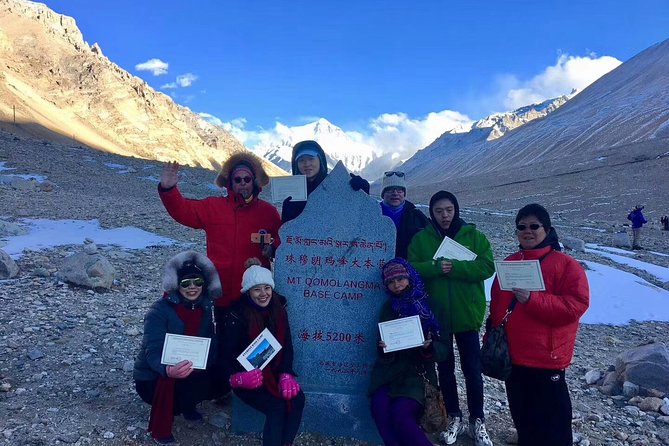
- Maximum 12 travelers keeps the group small enough for easier guidance and smoother days.
- Permits + entrance fees included saves you time and uncertainty before you even leave home.
- Oxygen cylinder in the vehicle (4L or 7L) is a big reassurance at altitude.
- Early Everest viewing from Rongbuk gives you sunrise access, not just a late-day photo stop.
- A tight circuit between distant sights means less “where do we go next?” and more looking at what’s in front of you.
- Winter care service (Nov 15–Feb 15) can add warmth support at Rongpuk Guest House.
Lhasa to Everest, minus the DIY chaos
This is the kind of route that’s hard to piece together well on your own. You’re moving between far-apart religious sites in Lhasa, then continuing to Shigatse, Gyantse, and finally the Everest region. Doing it solo often turns into constant schedule math: which roads are open, where to stay overnight, and what permits you still need.
Here, the trip is built as a moving itinerary. You’ll travel in a comfortable van or minibus with an experienced local driver, and you get an English-speaking Tibetan guide to smooth out timing and explanations. That matters because Tibet history and monastery etiquette aren’t always intuitive on your own—having a guide helps you get the most from what you’re seeing, not just check boxes.
And because it’s small-group, your guide can actually slow down when you want context, instead of racing everyone through the same highlights.
You can also read our reviews of more tours and experiences in Lhasa.
Permits, oxygen, and altitude reality checks
Let’s talk altitude, because this route is genuinely high. Tibet’s elevation affects everyone, and Everest-region days hit especially hard.
A few things reduce the stress:
- You’ll have an oxygen cylinder in the car during the trip (4L or 7L).
- The day-by-day driving includes major passes (for example, Tsola Pass at 4600m and Gyatsola Pass at 5248m on the Everest approach day).
- You’re asked to have moderate physical fitness, which is fair. This isn’t an extreme trek, but you are spending time at altitude and doing viewpoint walks.
The tour also includes the Tibet Travel Permit and other necessary permits (with an important note: it excludes the Chinese L visa). You’ll also have a Chinese visa invitation letter if needed, and during the Everest Base Camp day you’ll handle an Alien’s travel permit as part of getting to the area.
One more practical point: this trip requires good weather. If conditions are poor, you may be offered another date or a full refund. That’s not a small detail—it’s how Everest-area travel works.
Day 1 in Lhasa: the smooth landing you need
You start right from arrival. A Tibetan guide meets you at the airport or train station, then you’re transferred to a downtown Lhasa hotel. Even during the transfer, the trip is paced to help you ease in. You’ll pass by scenery along the Yarlung Tsangpo River, which is a nice way to get your first sense of the scale of the region.
This matters more than it sounds. The first day isn’t about pushing altitude or racing from site to site. It’s about getting you settled so you can enjoy the next day’s heavy hitters with a clearer head.
Potala Palace, Jokhang Temple, and the Barkhor Street kora
Lhasa’s core sights are the reason many people come to Tibet—and this trip hits them in a logical order.
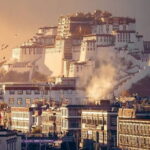
Potala Palace: Dalai Lama’s winter palace
You’ll visit Potala Palace, described as the winter palace of the Dalai Lama. The tour notes its long timeline of use, going back to the 7th century under the 33rd great king of Tibet. Even if you’re not a deep-history person, Potala has a “readable” impact: it’s the kind of place where architecture and power feel connected.
Practical note: the itinerary includes scheduled time for Potala, but entry fee inclusion can sometimes vary by how your booking is finalized. The package you’re considering states that site entrance ticket fees for listed stops are included, so I’d still double-check your confirmation so you’re not surprised on arrival.
Jokhang Temple: the Buddha Sakyamuni focus
Next comes Jokhang Temple, founded in the 7th century (also linked in the tour notes to the 33rd great king). The tour specifically points out the statue of Buddha Sakyamuni at age twelve. That small detail helps you visit with purpose. It’s not just “a famous temple.” It’s one of those places where a specific icon gives the whole site a center.
Barkhor Street: kora with pilgrims and locals
After Jokhang, you spend time around Barkhor Street, where you can do kora—walking a religious circle—along with pilgrims and locals. This part is often the most human-feeling moment of the day. Instead of you “standing in front of history,” you’re sharing a working religious street with people who live their routine there.
The trip also builds in a simple cultural exchange: tasting Tibetan tea with locals. It’s brief, but it’s the kind of stop that makes the day feel like more than monuments.
Drepung and Sera: monasteries with different rhythms
Day 3 is a shift. You go from Lhasa’s core temple energy into big-monastery atmosphere and a more spacious feel.
Dadong Village and Drepung Monastery
In the morning you visit Dadong Village—about 25 kilometers southwest of Lhasa—described as a well-protected ancient Tibetan village. You then move on to Drepung Monastery (Zhebang Si), with scheduled time to see it properly.
Why I like this pairing: it breaks up the density. You get a calmer sense of Tibetan daily life and then step into the scale and significance of Drepung.
Sera Monastery and the monks’ debate
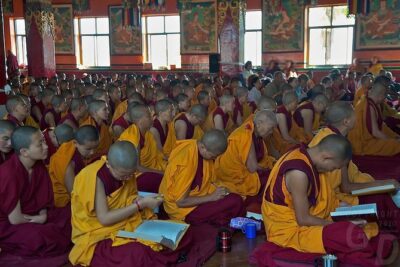
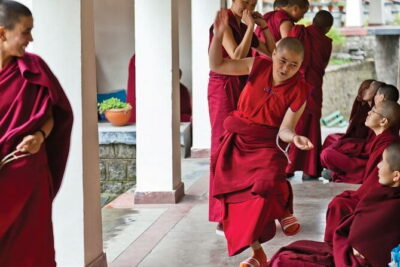
In the afternoon you visit Sera Monastery, one of the Gelug tradition’s “great three” monasteries. The highlight here is the monks’ debate, typically in the mid-afternoon (around 3 to 5, as the schedule notes).
Even if you don’t understand every detail, debate is a great way to experience monastery culture as something lived and audible, not just silent stone. It’s also a strong example of why a guide matters: you’ll get context for what you’re watching and what the rituals mean.
Yamdrok Yumtso, Gampala Pass, and the long road to Gyantse
Day 4 is where the trip becomes scenery-and-stops travel. You leave Lhasa, drive toward Shigatse, and collect moments along the way.
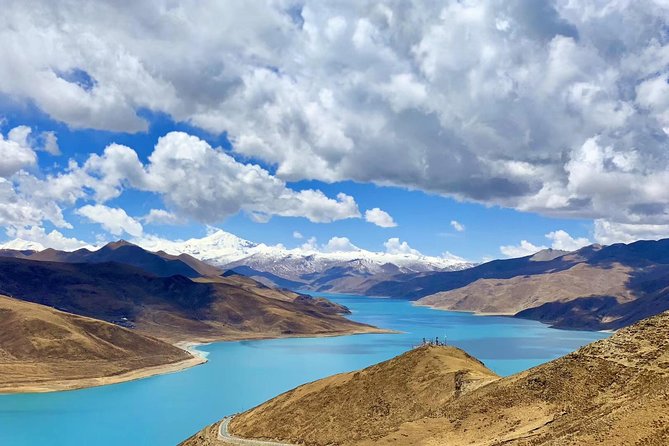
You cross Gampala Pass (4790m), then see Yamdrok-tso (4400m), described as a lake surrounded by snow-capped mountain scenery. You also pass Manak Dam Lake and stop to hang prayer flags at Simila Mountain Pass.
These are not just photo windows. Prayer flags are part of living religious practice, and the pass stops give your eyes a chance to adjust to how Tibet looks at scale—wide sky, sharp elevation changes, and huge distances between communities.
Then you arrive in Gyantse, historically described as Tibet’s third-largest city. You visit Pelkor Chode Monastery and Gyantse Kumbum, plus you get a far view of Gyantse Fortress. Kumbum-focused visits are the type of stop that rewards a guide; you’ll understand what you’re looking at instead of only taking wide-angle pictures.
Finally, you continue to Shigatse, where you’ll spend the night (with breakfast included per the lodging notes).
Everest Base Camp: what the 12-hour day really means
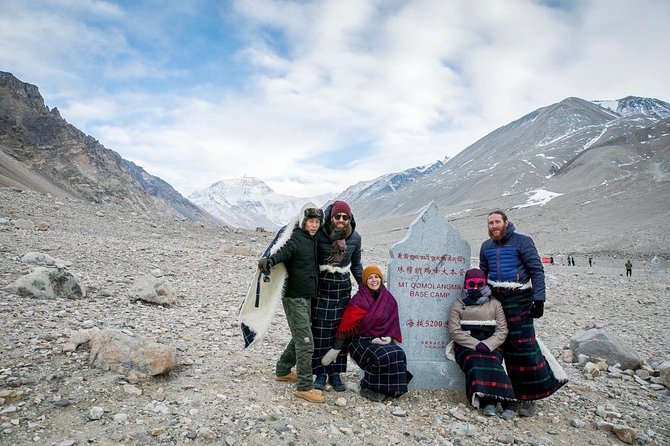
Day 5 is the big one. After arranging the Alien’s travel permit, you drive toward Lhatse for lunch. Then you head over major passes including Tsola Pass (4600m) and Gyatsola Pass (5248m) before entering the Mt. Everest area.
The trip assigns about 12 hours for this day. That’s long, and you feel it even if you’re in a vehicle for most of it. This is a day for patience: you’ll be watching the road, adjusting to altitude, and staying mentally ready for changing light and weather.
One smart inclusion here: the package lists Everest Base Camp Echo bus and related platform service fees. That’s helpful because you’re not just dropped at a random point. The route expects you to move between access areas efficiently.
What you can aim for:
- Your best photos often come when the light changes quickly, so don’t treat it like a single flat moment.
- Give your body time to adjust after high passes; slow movement at viewpoints is your friend.
The biggest variable is conditions. Everest area weather can tighten or open the view fast, which is why the tour also notes it depends on good weather.
Rongbuk Monastery and the sunrise-style Everest moment
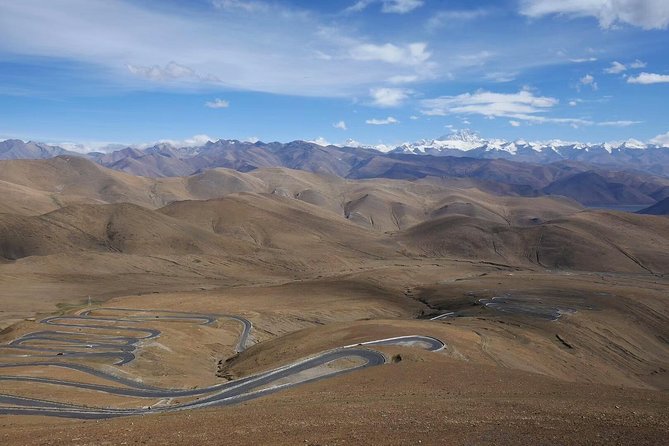
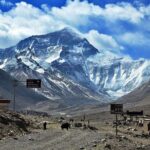
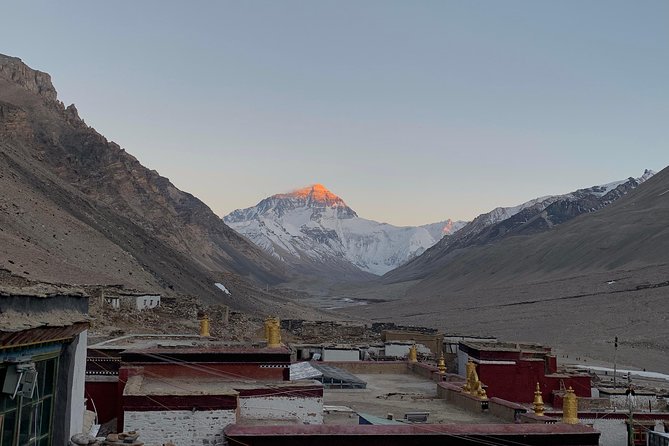
Day 6 focuses on the viewpoint experience. You’ll head to Rongbuk Monastery in the morning, and the plan includes the chance to see sunrise appear on top of Mt. Everest from the Rongpuk vantage point.
The tour describes the mountain as standing like a snow-capped pyramid in front of you. Even if you’ve seen Everest images before, sunrise viewing hits differently: the light adds dimension and depth, and the moment feels more “real” than any screen can manage.
You only have about one hour scheduled here, so you’ll want to be mentally ready to move quickly—warm layers, water, and simple patience.
This is also the day where winter support matters. If you’re traveling between Nov 15 and Feb 15, the trip includes hot water bottle and an electric blanket to keep warm at Rongpuk Guest House. That kind of practical warmth isn’t glamour, but it can make the difference between enduring the cold and actually enjoying the experience.
Tashilunpo Monastery and the drive back to Lhasa
After Everest-region time, Day 7 brings you back into Tibetan spiritual life. You visit Tashilunpo Monastery, described as the seat of Tibet’s second highest incarnation, the Panchen Lama.
Then you drive about 175 miles (280km) back to Lhasa. That’s a solid return day after altitude and long driving. It also helps you avoid “end-of-trip fatigue.” Instead of one massive 24-hour push, the schedule breaks your time with meaningful stops before the final return.
Food, rooms, and what comfort to expect
This tour includes lodging with breakfast in Lhasa and Shigatse, based on twin-sharing. There are no details here about single rooms beyond the note that a single room supplement is subject to availability. If you’re traveling alone, that’s worth planning for early.
Meals are where you should set expectations:
- You get a welcome dinner when group members meet in Lhasa.
- Breakfast is included on multiple days (the package lists breakfast quantity).
- Lunch and dinners are not included, and only one lunch is included per the notes.
So budget for most meals yourself. I like that this keeps dinner options flexible—though it also means you shouldn’t rely on the tour to provide every meal.
Two more comfort details that stand out as genuinely useful:
- Drinking water is provided during the trip.
- You’ll get a Tibet Handy Map, which helps when you’re not just moving between vehicles and sites.
Price and what you truly get for $949
At $949 per person (double occupancy basis), the value isn’t just the viewpoints—it’s the package of logistics around them.
Included items that add real cost elsewhere:
- Tibet Travel Permit and other necessary permits for Tibet (excluding the Chinese L visa).
- English-speaking Tibetan guide.
- Comfortable van/minibus with experienced local driver (gasoline included).
- Transportation with pick-up/drop-off from airport or train station to Lhasa.
- All accommodation (twin-sharing) with breakfast in Lhasa and Shigatse.
- Entrance ticket fees for listed sites and Everest Base Camp Echo bus.
- Oxygen cylinder in the car.
- Liability travel insurance and service charges/government taxes.
Not included:
- Tips to guide/driver.
- Lunches and dinners.
- Flight/train tickets to Lhasa (though the operator says it can help if needed).
- The Chinese L visa itself (but the tour can provide an invitation letter if required).
So you’re paying for a lot of “hard-to-manage” items. For many people, that’s exactly why this beats DIY: you don’t have to coordinate permits, timings, and access around Everest while juggling altitude stress.
If you like schedules that are organized and you want the day-by-day structure, this price starts to look fair.
Who this small-group Lhasa to Everest tour is for
This tour fits best if you:
- Want a small-group experience (max 12) with better guide access.
- Prefer guided context at major monasteries and temples.
- Are comfortable with a mix of city heritage and long-distance driving.
- Can handle high altitude with help (oxygen in the vehicle, moderate fitness level).
It’s also a good match if you’re traveling in a period where winter warmth support matters, since winter care is included from Nov 15 to Feb 15.
If you’re the type who hates being on a set schedule, or if you want fully independent wandering with no fixed times, this may feel structured.
Should you book this Lhasa to Everest Base Camp small-group tour?
If your goal is to see Lhasa’s top sacred sites and still make it to Everest Base Camp without wrestling permits and logistics, I think this is a strong choice. The inclusion of permits, entrances, transport, twin-share hotels with breakfast, oxygen in the vehicle, and an English-speaking guide means fewer moving parts for you.
Also, the operation seems to run with care: it has a very high rating (4.9) and a strong recommendation rate (98%), which usually signals consistent guiding and smooth execution.
My advice: book if you want a guided, structured route and you can commit to the altitude realities. Skip if you want complete flexibility, or if you know you struggle with long driving days and uncertain weather.
If you do book, keep your confirmation details handy—especially around what’s included for site entry and what meals you’ll pay for—so the trip stays stress-free from day one.
FAQ
What time does the tour start?
It starts at 9:00 am.
How long is the tour?
It runs for 8 days (approx.).
How many people are in the group?
The tour has a maximum of 12 travelers.
Are airport or train station transfers included?
Yes. Pick-up/drop-off from the airport or train station to Lhasa is included.
What permits are included?
The tour includes the Tibet Travel Permit and other necessary permits for Tibet, excluding the Chinese L visa. It also provides a Chinese visa invitation letter if needed.
Is oxygen provided during the trip?
Yes. Oxygen cylinders are provided in the car (4L or 7L).
What’s included for meals?
The package includes a welcome dinner, one lunch, and breakfast (6). Lunches and dinners are otherwise not included.
Are entrance fees included?
Yes. Entrance ticket fees for the listed tourist sites are included, along with Everest Base Camp Echo bus and platform service fees.
Does this tour include winter warmth?
From Nov 15 to Feb 15, there is winter care service, including a hot water bottle and an electric blanket to keep warm at Rongpuk Guest House.
What should I do if I’m traveling during bad weather?
The experience requires good weather. If it’s canceled due to poor weather, you’ll be offered a different date or a full refund.