REVIEW · LHASA
8 Day Tibet Classic Tour
Book on Viator →Operated by Journey2Tibet · Bookable on Viator
Tibet hits fast, even on day one. You’ll start with a calm arrival plan and help with acclimatizing before you launch into iconic Lhasa sights like Potala Palace and Jokhang Temple. I also like how the trip mixes big-name stops with real travel rhythm—long road days, changing altitudes, and enough time to actually look. The one consideration: this is an intense route with high elevation drives and an early Everest morning, so you’ll want to go in rested and flexible.
This is run by Journey2Tibet, with offices in Lhasa and Chengdu and staff that aim to solve issues quickly. The tour keeps the group small (up to 12) and includes a Tibetan English-speaking guide, admission tickets, internal transport, and four-star hotels—so you spend your mental energy on the places, not paperwork. If you prefer lots of free time with no schedule pressure, you may feel the day-to-day pace.
In This Review
- Key things I’d plan around (before you go)
- Lhasa Arrival: get your body on Tibetan time
- Potala Palace and Jokhang Temple: the two anchors of Lhasa
- Yamdrok Yumtso and Karola La: the drive is half the point
- Rongbuk Monastery and the long westward drive
- Everest sunrise at Rongbuk, then Base Camp access
- Tashilunpo Monastery in Shigatse: a strong cultural reset
- Lake Namtso: prayer flags, high roads, and open space
- Returning to Lhasa: your last good look at Tibet
- Price and value: what $1,280 buys you here
- Guide quality and how the trip feels in real life
- Who this tour fits best (and who should think twice)
- Should you book the 8 Day Tibet Classic Tour?
- FAQ
- How long is the Tibet Classic Tour?
- Where does the tour take place?
- Does the tour include pickup?
- Are admission tickets included?
- What about meals—are lunch and dinner included?
- What kind of hotels are included?
- Is there a guide, and what language do they speak?
- Is airfare included?
- How big is the group?
- What is the cancellation cutoff for a full refund?
Key things I’d plan around (before you go)
- Acclimatization start matters: your first day is designed to slow you down after arrival, before the big monuments.
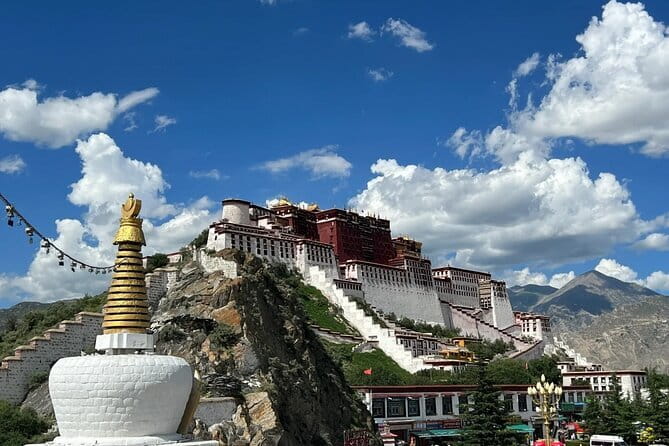
- A true Lhasa culture day: Potala Palace, Jokhang Temple, then a clockwise stroll around Barkhor Street.
- High-altitude scenic driving days: Yamdrok Yumtso, Karola La, and Lake Namtso all come with serious elevation.
- Everest morning is early for a reason: Rongbuk sunrise is built in, with an optional local bus to Everest Base Camp.
- Shigatse gets the monastery treatment: Tashilunpo Monastery is placed as a strong finale before heading back to Lhasa.
- Small-group feel: max 12 travelers, with Tibetan English-speaking guidance and included tickets.
Lhasa Arrival: get your body on Tibetan time
Day one is practical: you meet your guide in the arrival hall and go straight to your pre-arranged hotel. The guidance is to avoid rushing back out into the city right away. That’s not just etiquette. At altitude, your first goal is to feel okay, not to collect every photo.
Four-star hotels are included, which is a quiet win on a trip like this. After long flights or train travel, the difference between a comfortable room and a tired one shows up fast.
If you’re traveling with kids or older family, this opening day approach is especially useful. It creates a buffer so the rest of the itinerary isn’t fighting exhaustion from day one. One small note: since meals like lunch and dinner are not included, you’ll want to plan on your own for where to eat during your free windows.
You can also read our reviews of more tours and experiences in Lhasa.
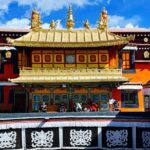
Potala Palace and Jokhang Temple: the two anchors of Lhasa
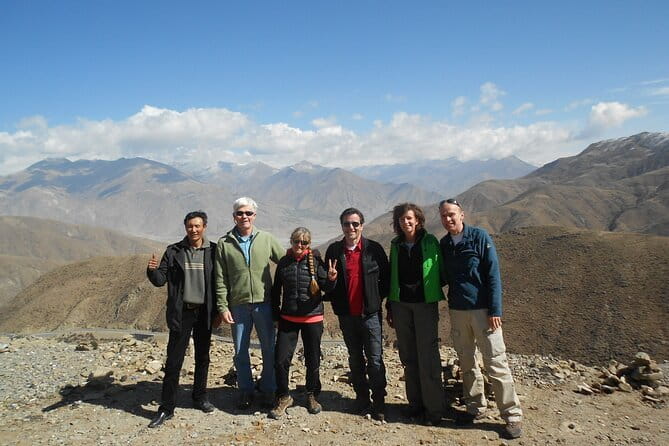
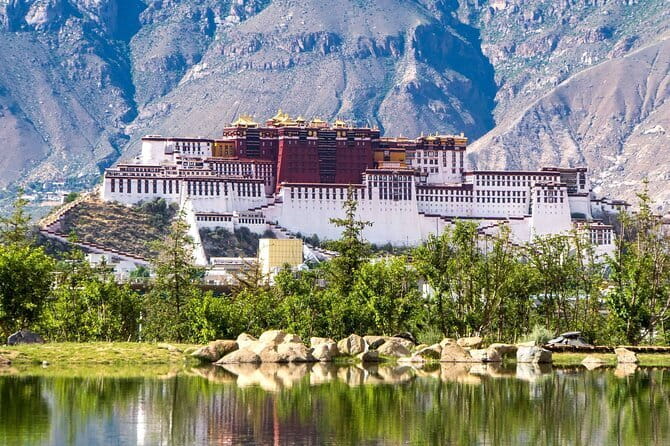
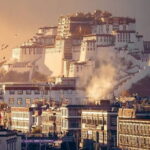
On day two, you get Potala Palace in the morning. It’s guided time inside one of Tibet’s most important religious and political sites, with about two hours allocated and the admission ticket covered. Plan to dress warmly and take your time with the details. The palace is not a quick glance-and-go place.
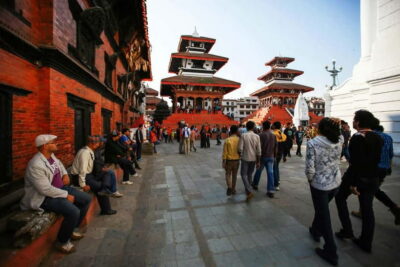
Then you shift to Jokhang Temple in the afternoon. This is the other Lhasa anchor: the architectural mix and its central role for Tibetan Buddhists makes it feel more like a living devotional space than a museum. You’ll have about 1.5 hours here with admission included.
After that, you move onto Barkhor Street for a clockwise stroll around the temple area. This part is where you trade timeline for wandering. It’s also a smart way to shop lightly if you want souvenirs—handicrafts and small stalls—without turning your day into a chore.
Potential drawback: Lhasa days can feel packed even when the walking is manageable. If you’re prone to motion sickness or get headaches at altitude, keep water handy and slow down during transitions.
Yamdrok Yumtso and Karola La: the drive is half the point
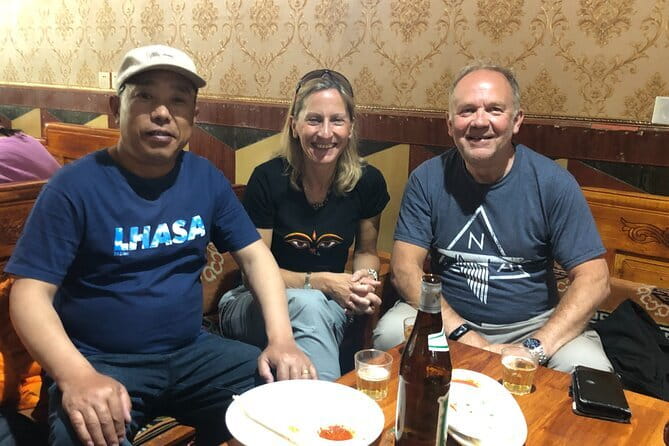
Day three is the kind of day that makes you realize Tibet isn’t only about buildings. You leave Lhasa by road for Yamdrok Yumtso Lake, one of Tibet’s sacred lakes. You’ll have about an hour there, and admission is included. Even in a short stop, the scale of the lake and the surrounding high country can be dramatic.
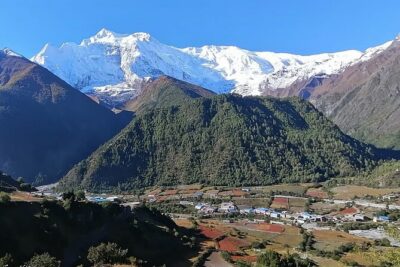
Next comes Karo La Glacier for a distant view. This is one of those “look from the road, then keep moving” moments. You’re not doing a long hike. You’re appreciating the glacier from a viewpoint that works with the drive time.
After that, you arrive in Gyantse County, which helps break up the scenery and gives the day a sense of progression. The value here is balance: sacred water, high-mountain views, then a change of pace before the longer western route.
Consideration: road days at altitude can make you feel sleepy or slightly off. Bring layers. Even if it looks sunny, temperatures can shift quickly.
Rongbuk Monastery and the long westward drive
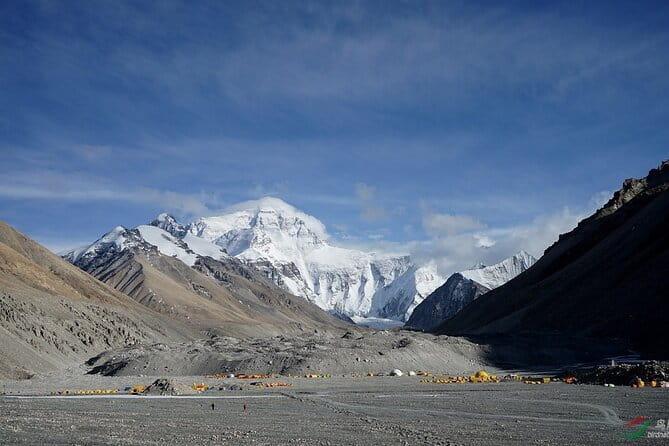
Day four is a full-day travel push to the Everest region, and it’s built around Rongbuk Monastery. This day is scheduled for about eight hours and includes the admission ticket.
Why this matters: the Everest area is not just a destination. It’s a whole mood. The route carries you through wide grasslands and high terrain, and the monastery area is positioned as the spiritual side of the mountain, not only the sightseeing side.
If the weather is clear, you can catch good views from the Everest approach. If it’s not, you still get the atmosphere of the high plateau and the monastery setting, which can feel deeply quiet.
Practical advice: this is one of your main “travel fatigue” days. Plan your posture breaks. Use your rest stops wisely. And keep your expectations honest: in high-altitude regions, conditions can be out of your control.
Everest sunrise at Rongbuk, then Base Camp access
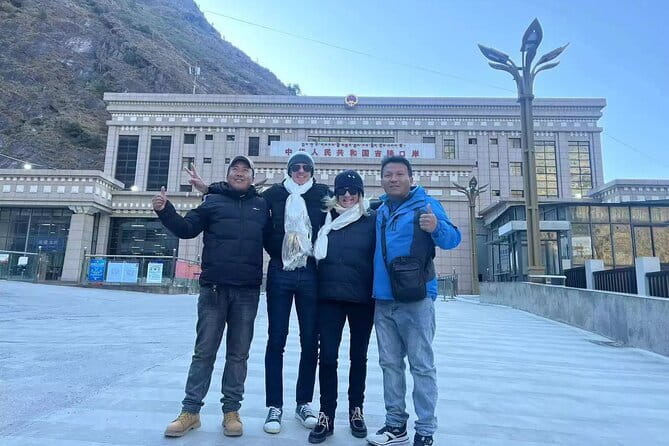
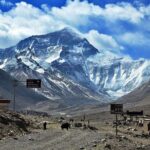
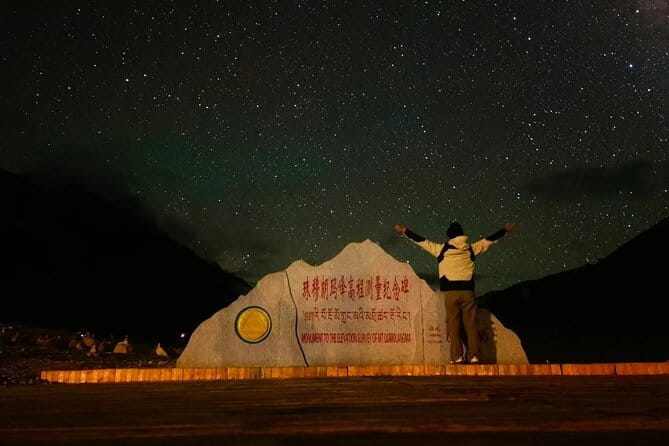
Day five starts early with sunrise viewing at Rongbuk. That early hour is the whole reason this region is famous—light changes fast at altitude, and clouds can move in or out like a curtain.
After sunrise and the Mt. Everest viewing, you take a local bus to Everest Base Camp. The drive time is about half an hour, and the tour notes that you can access the base camp area after walking. Admission is listed as free for this part, which usually means what you pay covers the tour and transport framing rather than separate gate fees for the viewpoint segment.
This day is the most intense moment of the entire trip. Not because it’s complicated, but because your body and your mind both have to work at the same time: cold mornings, thinner air, and excitement.
A good way to handle it: keep your pace slow. Don’t race for photos. Breathe. Look. If you feel dizzy, stop moving and let your breathing settle.
Tashilunpo Monastery in Shigatse: a strong cultural reset
Day six turns away from the Everest zone and heads back toward Lhasa, with Tashilunpo Monastery in Shigatse as the highlight. You’ll spend about four hours driving back overall, but the monastery visit is about two hours with admission included.
Tashilunpo is described as the largest monastery in West Tibet. Even if you’ve already seen major religious sites in Lhasa, this stop adds a different tone. It’s another piece of the Tibetan Buddhist world, and it helps the trip feel like more than a single dramatic day trip.
Why this is good value: you’re getting a meaningful cultural highlight at the same time you’re doing a major transit day. Instead of “sit on the bus and hope for good scenery,” the schedule uses that travel time efficiently.
If you’re hoping for minimal walking, bring comfortable shoes anyway. Monastery courtyards and viewpoints tend to be uneven or require short climbs. Nothing extreme is promised—but comfort matters.
Lake Namtso: prayer flags, high roads, and open space
Day seven goes to Lake Namtso, another must for people who want Tibet’s spiritual geography. You’ll drive through vast grasslands on the way and see colorful prayer flags fluttering in the wind. The route uses the Qinghai-Tibet Highway, and the trip includes a notable high mountain crossing segment (the schedule references a 5,190-meter-high pass).
The stop itself is about three hours with admission included. That’s enough time to walk a bit, find a good viewpoint, and take your time without feeling like you’re on a treadmill.
This is also one of the better days for photos that don’t feel like they were taken in a rush. The wider views can make you relax your shoulders.
Potential drawback: because this is another high-altitude setting with a long drive, you’ll want to keep your energy steady. Hydrate, eat when you can, and don’t treat altitude like it’s optional.
Returning to Lhasa: your last good look at Tibet
Day eight is straightforward. After breakfast, you check out and your driver transfers you to Lhasa Airport or the train station. That’s the clean ending you want after a road-heavy itinerary.
It helps that the whole tour is arranged with internal transport and hotels handled, so you’re not scrambling your last day for logistics. The trip is designed around leaving Tibet with your head clear, not with pending details.
One small tip: take a moment before leaving to look back at what you remember most. Tibet can feel so big that your brain needs a second to organize it. A quiet goodbye on the final morning helps.
Price and value: what $1,280 buys you here
At about $1,280 per person for an 8-day trip, the value depends on what you compare it to. You’re not just paying for a guide. The package includes four-star hotels, admission fees, and transportation within Tibet, plus the Tibet Travel Permit and a Tibetan English-speaking guide.
That can be a serious bargain if you’d otherwise pay separately for hotels at altitude, internal driving, and tickets. The biggest costs that are not included are easier to plan for: lunches and dinners, international airfare, and tips.
So here’s the practical way I’d judge it: if you want the convenience of a handled permit, smooth internal travel, and entry fees covered, this pricing looks fair. If you’re a super independent traveler who already has the permit process figured out and prefers renting your own car, you might find cheaper options. But you’d be taking on extra planning stress, which this tour is explicitly meant to remove.
Guide quality and how the trip feels in real life
The tour style here leans organized, but not robotic. Your guide is there for the key moments—temple visits, monastery stops, and the long driving days—while you get space to walk during places like Barkhor Street.
In addition, Journey2Tibet says they offer free itinerary planning and help with train and flight bookings. That’s useful if you’re mixing a Tibet segment with a wider China trip. It’s also reassuring when schedules change, because the operation is local to where you are traveling.
From past client experiences, guide enthusiasm and safety reminders have mattered a lot for people traveling as families or with older relatives. One named example from earlier trips is Zhaba, praised for professionalism and energy on the route. Another guide name you might hear is Xiao Bu, specifically mentioned for safety reminders and support around the Everest Base Camp day. Your guide may differ by departure date, but the pattern is clear: you want someone who can explain what to expect at altitude and keep the day moving without drama.
Who this tour fits best (and who should think twice)
This is a great fit if you want an efficient overview of Tibet’s top spiritual and scenic stops. You’ll hit Lhasa icons, then move through the western high country with Everest sunrise, and finish with Lake Namtso and a monastery stop in Shigatse.
It also suits travelers who like a guided plan but don’t want constant shopping stops. The schedule focuses on core sites and scenic viewpoints rather than optional detours.
Consider thinking twice if:
- You’re extremely sensitive to altitude and want a gentler pace than multiple high-elevation days.
- You need lots of unscheduled downtime each day.
- You don’t like early mornings. Everest sunrise is not a late start day.
Should you book the 8 Day Tibet Classic Tour?
If you want a guided, high-value route that connects Lhasa culture to the Everest area and then into Lake Namtso, this tour is a solid choice. The included parts—admissions, transport, hotels, and the permit—are where independent planning usually gets messy and expensive.
I’d book it if you’re the type who wants to see the headline sites but also appreciates practical structure: acclimatization on arrival, timed temple visits, and a schedule that accounts for long distances. Just go in prepared for cold early mornings and altitude days. If you respect that reality, you’ll come away with a trip that feels both memorable and well-managed.
FAQ
How long is the Tibet Classic Tour?
It runs for 8 days (approx.) with activities scheduled across Lhasa, the Everest area, and lakes/monasteries in the broader region.
Where does the tour take place?
The tour is based around Lhasa, China, and includes day trips and driving to other Tibetan destinations such as Yamdrok Yumtso Lake, Rongbuk Monastery (Everest region), Shigatse/Tashilunpo Monastery, and Lake Namtso.
Does the tour include pickup?
Yes. A guide is waiting for you in the arrival hall, and there is also a driver transfer at the end of the trip to the airport or train station.
Are admission tickets included?
Yes. Admission fees are included for the listed sites, including Potala Palace, Jokhang Temple, Yamdrok Yumtso Lake, Rongbuk Monastery, and Tashilunpo Monastery, as well as Lake Namtso.
What about meals—are lunch and dinner included?
No. Lunches and dinners are not included. Breakfast is included (7 breakfasts total).
What kind of hotels are included?
Four-star hotels are included throughout the trip.
Is there a guide, and what language do they speak?
Yes. The tour includes a Tibetan English-speaking tour guide.
Is airfare included?
International airfare is not included. The tour covers transportation within Tibet.
How big is the group?
This tour has a maximum of 12 travelers.
What is the cancellation cutoff for a full refund?
You can cancel up to 3 days in advance for a full refund. If you cancel less than 3 full days before the experience starts, you won’t receive a refund.