REVIEW · LHASA
8 Days Lhasa Gyantse Shigatse Mt Everest Group Tour
Book on Viator →Operated by Great Tibet Tour · Bookable on Viator
A trip to Tibet can feel intimidating; this one feels organized. You’re hitting Lhasa, Gyantse, Shigatse, and the Everest area in one loop, with transport and stays handled so you can focus on the sights. I especially like the way the itinerary groups major monasteries and city landmarks into a smooth, first-timer-friendly rhythm.
What I also like is the practical safety net: an included Tibet Tourism Bureau permit setup, an oxygen tank for emergencies, and plenty of built-in time for breaks. One thing to consider: the Everest day is weather-dependent, and driving times plus high altitude mean you should take the pace seriously and plan for cold mornings if you travel in winter.
In This Review
- Key highlights at a glance
- Why this route is a smart first-timer plan
- Price and what you’re actually paying for
- Transfers that keep you from losing your first day
- Day 1 in Lhasa: land, rest, and get your bearings
- Day 2: Drepung Monastery, Tibet Museum, and Norbulingka
- Drepung Monastery (Zhebang Si)
- Tibet Museum
- Norbulingka (Precious Stone Garden)
- Day 3: Potala Palace, Jokhang Temple, and Barkhor Street
- Potala Palace
- Jokhang Temple
- Barkhor Street walk
- Day 4: Yamdrok Yumtso Lake, Karo La Glacier, and Pelkor Chode in Gyantse
- Kampala Pass and Yamdrok Yumtso Lake
- Karo La Glacier
- Pelkor Chode Monastery in Gyantse
- Day 5: Qomolangma National Nature Preserve and the drive toward Tingri
- What makes this day worth it
- What to watch
- Day 6: Everest Peak Lodge sunrise when weather allows
- How to think about Everest on this tour
- Day 7: Tashilhunpo Monastery in Shigatse
- Why this stop works as the “final monastery day”
- Day 8: Airport or railway drop-off and a clean exit
- Altitude, oxygen, and the pace you’ll feel in your bones
- Group size, guide style, and what you’ll likely appreciate
- Who should book this tour (and who should consider alternatives)
- Should you book the 8 Days Lhasa–Gyantse–Shigatse–Mt Everest group tour?
- FAQ
- What’s the duration of this tour?
- How much does the tour cost per person?
- What’s included in the price?
- Are pickup and drop-off included?
- What about flights or train tickets?
- Does the tour include the Tibet permit?
- How long does it take to apply for the permit?
- Is sunrise at Mount Everest guaranteed?
- What’s the group size limit?
Key highlights at a glance
- Drepung Monastery + Norbulingka: big, iconic Lhasa sites without wasting time on logistics
- Potala Palace and Jokhang Temple: the two anchors of Lhasa’s religious gravity
- Yamdrok Yumtso Lake and Karo La Glacier: epic mountain-lake views en route to Gyantse
- Pelkor Chode Monastery in Gyantse: a famous local standout with serious cultural pull
- Everest Peak Lodge sunrise (when weather cooperates): early-morning payoff outside the city
- Tashilhunpo Monastery in Shigatse: Panchen Lama’s seat and a great final monastery hit
Why this route is a smart first-timer plan
If it’s your first time in Tibet, the hardest part isn’t just the altitude. It’s the mental math: permits, transportation, ticket timing, where to sleep, and how to connect distant places without losing half your trip to transit. This 8-day group tour is built to reduce that stress. You go from Lhasa outward to Gyantse and Shigatse, then up toward the Everest area near Tingri, with a licensed vehicle and an experienced local English-speaking guide.
You’ll see why Tibet rewards patience. You get monastery architecture, pilgrimage energy, and wide-open scenery days in a row—without forcing you to constantly make new plans. The route also gives you a gradual climb over multiple days rather than a single giant altitude jump.
My other favorite part: the balance between “major highlight” moments and smaller stops that add texture. Barkhor Street isn’t just a photo stop; it’s where you can feel how daily religious life actually looks on the ground. And Norbulingka gives you the royal-garden contrast that makes Lhasa feel less one-note.
You can also read our reviews of more tours and experiences in Lhasa.
Price and what you’re actually paying for
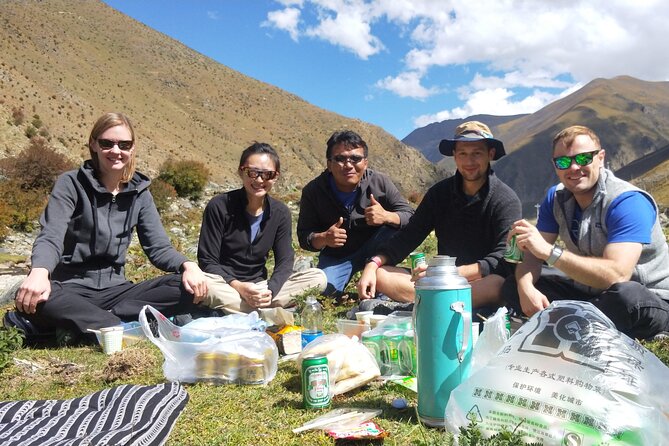
At $1,100 per person, this tour isn’t cheap, but it’s also not trying to be a bare-bones bargain. The value shows up in the list of what’s bundled:
Included basics that matter:
- 6 nights in twin rooms with en suite bathrooms (3★/4★), plus 1 night in a guesthouse or a dorm bed at a guesthouse/nomad tent setup
- A travel-licensed vehicle with gas and parking fees
- A guide (local English-speaking)
- TTB (Tibet Tourism Bureau) permit included, plus permit express delivery fee (example carriers mentioned)
- Oxygen tank for emergency use
- Two bottles of mineral water per person per day
- Breakfast for 6 days
Not included (and worth budgeting):
- Lunch and dinner
- Flight or train
- Visa and travel insurance
- Tips for the guide and driver
- Optional sights
- Any extra days caused by unexpected disruptions
A practical way to judge the value: you’re paying for the “hard parts” that most independent travelers end up paying indirectly—time, coordination, and paperwork. If you’re the kind of person who wants to spend your brain power on what you’re seeing (not chasing logistics), this price starts to make sense.
Transfers that keep you from losing your first day
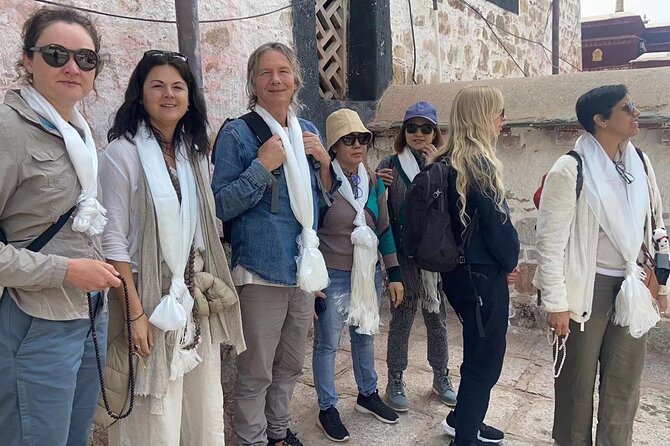
The tour is timed around specific arrival and departure windows in Lhasa. That matters more than you’d think, because Tibet travel often means tight connections and limited flexibility once you’re on the ground.
What you get:
- Free pickup from the airport to your hotel on day 1 at 9:30, 13:00, or 16:00
- Free drop-off from your hotel to Lhasa Gonggar Airport on day 8 at 8:30, 12:30, or 14:30
- Free Lhasa Railway Station transfer on the first and last day
If your flight or train doesn’t match those included times, private airport transfer isn’t included; it’s listed as $60 per vehicle/time. That’s a key thing to check before you lock in your travel schedule.
Also, the tour’s start time is 9:00 am, and you may not always have the guide present at every moment on the first and last day. The driver helps with the key transfers, and the guide meets you for the sightseeing days.
Day 1 in Lhasa: land, rest, and get your bearings
Day 1 is simple on purpose: pickup and transfer to the hotel. In Tibet, this is good strategy. You don’t want your first hours to be a jam-packed “see everything” sprint. You want time for acclimatization basics—slow pace, hydration, and avoiding the urge to immediately climb every staircase in sight.
This is also when you’ll likely handle the paperwork flow that makes the rest of the tour possible. The itinerary is set up around having the TTB permit sorted ahead of time using your passport details.
A quick tip: if you can, try to land early enough that you’re not rushing through that first hotel check-in in the dark. Cold + altitude travel can make a long day feel longer.
Day 2: Drepung Monastery, Tibet Museum, and Norbulingka
This is a big “Lhasa religion and royal past” day.
Drepung Monastery (Zhebang Si)
You start with Drepung Monastery, described as the world’s largest monastery and linked to the Dalai Lama tradition for over 10,000 years. Even if you’re not a monk or a scholar, the scale is the point. Expect a powerful, slightly overwhelming sense of place—huge grounds, dense religious energy, and visuals that make you understand why Lhasa keeps its gravity.
Time on this stop is about 2 hours, and admission is included.
Tibet Museum
In the afternoon, the Tibet Museum helps you frame what you’re seeing. You’ll look at life scenes, clothing, house architecture, and festival customs. This kind of stop is valuable because it gives you context so the monasteries don’t feel like isolated sightseeing boxes.
Time is around 1 hour, with admission included.
Norbulingka (Precious Stone Garden)
Then you move to Norbulingka, the royal-style garden and summer retreat of the Dalai Lama. It’s a slower, calmer contrast to the monastery morning. If you’ve been thinking monasteries equal “stone and seriousness,” this garden stop resets your mental meter.
Plan on about 2 hours, and admission is included.
Consideration: day 2 is full. It’s not extreme, but you should keep your expectations realistic. You’ll enjoy it more if you move through the day calmly rather than trying to see every corner at maximum speed.
Day 3: Potala Palace, Jokhang Temple, and Barkhor Street
If Lhasa has a holy center, it’s here.
Potala Palace
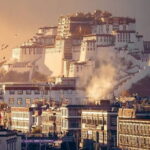
You’ll visit Potala Palace, the main landmark of Tibet, with about 2 hours on-site and admission included. It’s the kind of place that looks iconic in pictures but feels different when you’re actually there. The architecture hits you in layers—massive walls, viewpoints, and the sense that this city was built around spiritual rule.
Morning timing helps. Your brain has energy before the day wears you down.
Jokhang Temple
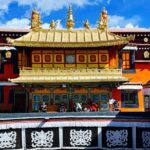
After that, the tour heads to Jokhang Temple, in the heart of Lhasa. This is one of Tibet’s most sacred temples, and you’ll see local pilgrims moving through the space. The stop is about 2 hours with admission included.
If you’ve never watched pilgrimage up close, it’s one of the most human parts of the trip. People come with routines that feel older than tourism.
Barkhor Street walk
Then you wrap with a walk around Barkhor Street, the devotional circuit and a lively central market area circling Jokhang Temple. About 2 hours for the stroll.
This stop is where you can pick up snacks, small items, or just absorb the day-to-day pace. It’s also one of those places where your comfort with crowds matters. If you love people-watching, you’re going to have fun.
Day 4: Yamdrok Yumtso Lake, Karo La Glacier, and Pelkor Chode in Gyantse
Day 4 is a classic Tibet road-trip day: scenery first, then a major monastery stop at the destination.
Kampala Pass and Yamdrok Yumtso Lake
As you travel from Lhasa toward Shigatse, you pass Kampala Pass (4,790m) and then visit Yamdrok Yumtso Lake, one of Tibet’s three holy lakes. The stop is about 1 hour and is free admission.
The attraction here is the color and scale—blue water with rugged mountain framing. Even if you’ve seen lake photos before, Yamdrok has a “standing still makes it bigger” effect.
Karo La Glacier
Next you pass by and visit Karo La Glacier on the roadside, about 300 meters off the main highway. Another 1-hour stop and free admission. Think of this as a quick wow moment—short enough that it doesn’t drain your day, but scenic enough to remember.
Pelkor Chode Monastery in Gyantse
Finally, you head into Gyantse and visit the main monastery: Pelkor Chode Monastery (Pelkhor Choede). It’s a short walk from the town area once you arrive. The listed detail is that it’s located about 230 km south of Lhasa and 100 km east of Shigatse.
This is one of those stops that adds “region flavor.” Gyantse feels less like Lhasa’s central power and more like local Tibetan culture with its own recognizable style.
Consideration: long-distance travel days can feel tiring even when they’re scenic. If you’re altitude-sensitive, you’ll appreciate building recovery time into your hotel evenings.
Day 5: Qomolangma National Nature Preserve and the drive toward Tingri
Now you move from monastery towns into mountain terrain.
You depart Shigatse to Lhatse (about 150 km away) and you can have lunch at a local restaurant. Then you continue to Tingri, passing Tsola Pass. This day is listed as about 10 hours, with the key highlight tied to the Qomolangma National Nature Preserve.
What makes this day worth it
It’s the transition day—the one where Tibet stops feeling like a string of towns and starts feeling like a massive environment. You’re traveling through the kind of high-altitude terrain where weather and light change quickly, so even the “driving time” can be part of the show.
What to watch
Because it’s long, you’ll want to come prepared for comfort on the vehicle ride: water, warm layers, and patience. This tour includes water, but it doesn’t include lunch and dinner, so your energy plan matters.
Day 6: Everest Peak Lodge sunrise when weather allows
Day 6 is the big payoff attempt: sunrise near Everest.
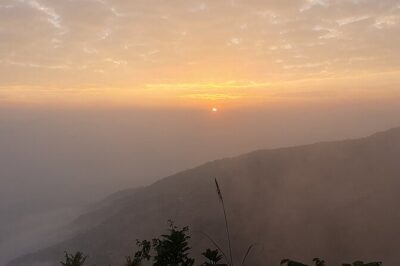
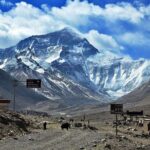
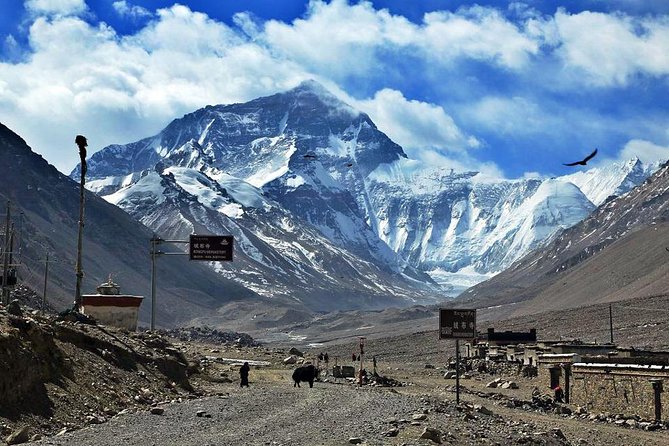
If the weather is good, the tour suggests an early rise to enjoy sunrise at the Everest Peak Lodge, with about 4 hours allocated and free admission listed.
How to think about Everest on this tour
This is not sold as a guarantee of perfect conditions. The tour explicitly says weather needs to cooperate. That’s normal in the Everest region. Clouds and wind can shut down visibility, and early mornings can be cold.
But when visibility works, sunrise viewing is one of the most memorable experiences in all of Tibet travel: the world looks quieter and sharper, and those mountains feel even bigger than you expected.
Practical move: plan to dress for cold and wear layers you can handle even when you’re waiting around. Early morning plus altitude can surprise you.
Day 7: Tashilhunpo Monastery in Shigatse
You finish with another major cultural anchor: Tashilhunpo Monastery in Shigatse, the home of the Panchen Lama.
The stop is about 2 hours, admission included. It’s described as founded by the 1st Dalai Lama in 1447, and it’s historically and culturally significant.
Why this stop works as the “final monastery day”
By day 7, you’ve already seen Lhasa’s most famous religious sites, so you’re primed to notice differences in style, scale, and local pilgrimage habits. Tashilhunpo is a great way to end your religious sightseeing arc with a site that matters across Tibet’s broader spiritual map.
It’s also a calmer day compared to the Everest timing. That helps with recovery before your departure.
Day 8: Airport or railway drop-off and a clean exit
Day 8 is straightforward: your guide and driver escort you to the airport or railway station for your next destination.
The included drop-off windows from the hotel are:
- 8:30, 12:30, or 14:30 to Lhasa Gonggar Airport (last day service)
The tour asks you to evaluate services before you go. Good to do. These teams work hard behind the scenes.
If you’re continuing in China after Tibet, build in some flexibility. Altitude travel can make you feel fine one day and wiped out the next.
Altitude, oxygen, and the pace you’ll feel in your bones
Tibet is not a place to treat like a normal vacation. The tour clearly addresses this with an oxygen tank for emergency use included in the package. That’s an important safety baseline.
From real feedback patterns tied to this itinerary, the pace tends to take altitude seriously. One person specifically called out that the tour arranged the ascent pace carefully. They also mentioned oxygen support and even IV-style assistance when needed, though those details can vary by situation and the severity of altitude effects.
Here’s what you can control:
- Take it slow on day 1 and day 2
- Drink water consistently (you get it daily, but still sip regularly)
- Don’t assume you’ll be fine just because you feel fine in Lhasa
- If you can arrive early to acclimatize, it can help. Some people add extra days before the group starts.
One more useful note: a past group shared that their Lhasa hotel, Thangka Hotel, had in-room oxygen. That’s not listed as a guaranteed included feature, but it’s a reminder that some accommodations may offer extra oxygen support.
Group size, guide style, and what you’ll likely appreciate
This is a maximum 12 travelers group tour. That number matters. Too large can turn sightseeing into a herding exercise. Here, you’re more likely to get real explanations and practical pacing.
Many strong comments about this kind of tour mention:
- guides that were punctual
- clear explanations
- enough free time built into days
- drivers who keep things moving smoothly
You also might notice the human side of the operation. In feedback for this tour company, staff members like Emily, Beatrice, Jennie, Merry, and a guide named Lobsang came up as helpful and responsive. That doesn’t mean every person will have the same exact crew, but it signals a culture where communication matters.
If you’re the type who likes to ask questions, a local English-speaking guide can make a huge difference—especially in temples, where symbols and routines can otherwise fly by.
Who should book this tour (and who should consider alternatives)
This tour is a good fit if:
- you’re a first-timer and want a low-stress plan connecting Lhasa, Gyantse, Shigatse, and the Everest area
- you want accommodation and transport handled
- you prefer a guided experience where tickets and permits are managed for you
- you like monasteries and cultural stops as much as scenic views
You might think twice if:
- you need fully flexible departures and custom hotels (the tour can change order due to logistics or closures)
- you’re extremely sensitive to cold and long driving days (the itinerary includes early sunrise attempts and road time)
- you have strict dietary needs and want guaranteed vegetarian options at every meal (the trip includes breakfast, but lunch and dinner aren’t included, and some feedback flagged food comfort)
Also, remember: single travelers may face a single supplement because pricing is based on twin rooms. If you’re traveling solo, check how the tour handles room matching.
Should you book the 8 Days Lhasa–Gyantse–Shigatse–Mt Everest group tour?
If you want the shortest path to seeing Tibet’s headline sites—without playing planner—this is a strong choice. The included permit support, oxygen tank, staged route, and the fact that transport and lodging are handled give you real value for your time.
I’d book it if you’re ready for the reality of Tibet: early mornings, long scenic drives, and weather that controls the Everest day. I’d pass or look for something different if you want a fully private trip, guaranteed meal control for every dietary need, or zero risk of itinerary changes.
If you do book, set yourself up for success with one mindset: keep your days calm. The tour’s biggest win is how it reduces chaos so you can enjoy Tibet at human speed.
FAQ
What’s the duration of this tour?
It’s listed as 8 days (approx.).
How much does the tour cost per person?
The price is $1,100.00 per person.
What’s included in the price?
The tour includes 6 nights in twin rooms with en suite bathrooms, 1 night in a guesthouse/dorm bed or nomad tent setup, a licensed vehicle with gas and parking, an English-speaking guide, the Tibet Tourism Bureau permit, an oxygen tank for emergency use, daily bottled mineral water, and breakfast for 6 days.
Are pickup and drop-off included?
Yes. There’s free pickup from Lhasa Gonggar Airport to your hotel at 9:30 am, 13:00 pm, and 16:00 pm on the first day. There’s also a free drop-off to the airport on the last day at 8:30 am, 12:30 pm, and 2:30 pm. Free transfers from the Lhasa Railway Station are included on the first and last day.
What about flights or train tickets?
Flight or train tickets are not included.
Does the tour include the Tibet permit?
Yes. The Tibet Tourism Bureau Permit (TTB) is included, along with the express delivery fee for the permit.
How long does it take to apply for the permit?
The permit usually takes about 12 working days to apply, and you must provide passport details at booking.
Is sunrise at Mount Everest guaranteed?
It depends on weather. If conditions are good, you can rise early and enjoy sunrise at the Everest Peak Lodge.
What’s the group size limit?
The maximum group size is 12 travelers.