REVIEW · LHASA
Private Guided Day Tour Potala Palace and Sera Monastery
Book on Viator →Operated by Tibet Tourism - Tibetan Travel Agency · Bookable on Viator
Potala and Sera in one focused day. You’ll get Potala Palace in a morning that covers the White Palace and Red Palace, plus corridors, stairs, murals, and lama dormitory areas, then you’ll shift gears at Sera Monastery for the daily scriptures debating that runs from 3:30pm to 5pm. Guides such as Tenzin or Lhamu (when available) are the kind of people who help you connect what you’re seeing with what it means.
One planning note: the tour price includes tickets and guiding, but Tibet travel permits are not included, so you’ll need those squared away before you go.
In This Review
- Key things to know before you book
- Potala Palace: White and Red Palace Highlights in 3 Hours
- Sera Monastery: Catching the 3:30–5 Scriptures Debating Session
- Private Guide and Vehicle: What That Means for Your Day in Lhasa
- Price and Value at $745: What’s Included and What’s Not
- Start Time 9:00 am: Meeting Point and Timing Tips
- Pacing, Photo Spots, and How to Read What You See
- Who This Tour Suits Best (and Who Might Want More Time)
- Should You Book This Potala and Sera Private Day Tour?
- FAQ
- What is the duration of this Potala Palace and Sera Monastery tour?
- What time does the tour start in Lhasa?
- Is this tour private or shared?
- Is pickup offered?
- Are entrance tickets included?
- What time is the scriptures debating at Sera Monastery?
- Does the tour include permits?
- What language is the guide?
- When will I receive confirmation after booking?
Key things to know before you book
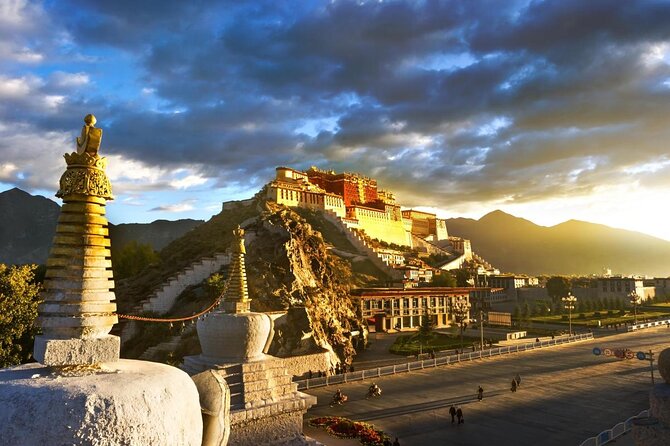
- Potala Palace coverage in 3 hours: White Palace, Red Palace, corridors, stairs, murals, and more
- Sera Monastery at the right time: the daily scriptures debating session runs 3:30pm–5pm
- Private means private: only your group participates
- Tickets, guide, vehicle, water included: you pay for convenience, not hassles
- Permits are extra: budget them so your trip doesn’t get stuck at the last minute
Potala Palace: White and Red Palace Highlights in 3 Hours
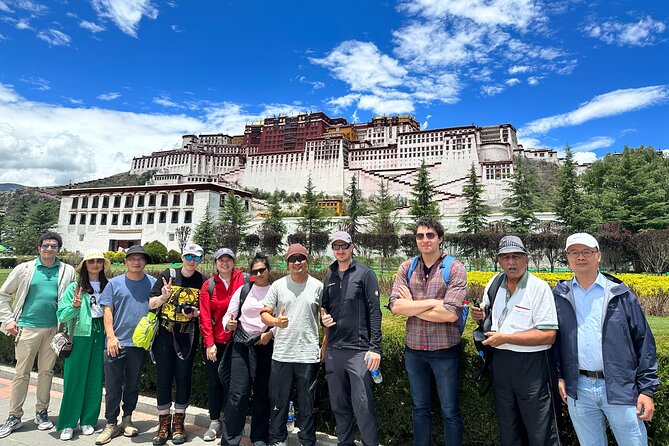
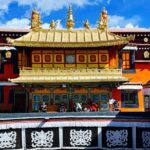
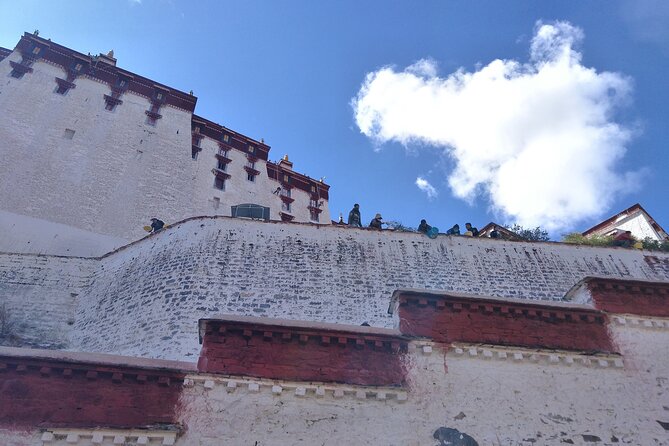
Potala Palace is the kind of place where you can feel the power of the building before you fully understand it. With a full morning allotted (about 3 hours on site), you’re not rushing through a quick photo circuit. You can actually move from one section to the next and take in the details that most visitors miss when they only have minutes.
Here’s what your morning is set up to include. You’ll see the White Palace and Red Palace, and you’ll also have time for the maze-like feel of corridors and stairs. That matters, because Potala isn’t just one viewpoint. It’s a vertical, connected complex, and the experience changes as you climb and look back over what you just walked through.
You’ll also spend time around areas associated with lama study and daily life, including lama dormitory zones. The tour also points you toward key religious art and atmosphere: Buddha statues, red-robed lamas, and murals. Even if your Tibetan history background is zero, your guide should help you read the visual language so it feels less like decoration and more like a system of meaning.
My practical take: three hours at Potala Palace is a good amount of time for first-timers. It’s enough to slow down without losing the day to endless wandering. Still, it’s a palace built for walking, climbing, and looking upward, so wear shoes that don’t punish your feet.
You can also read our reviews of more tours and experiences in Lhasa.
Sera Monastery: Catching the 3:30–5 Scriptures Debating Session
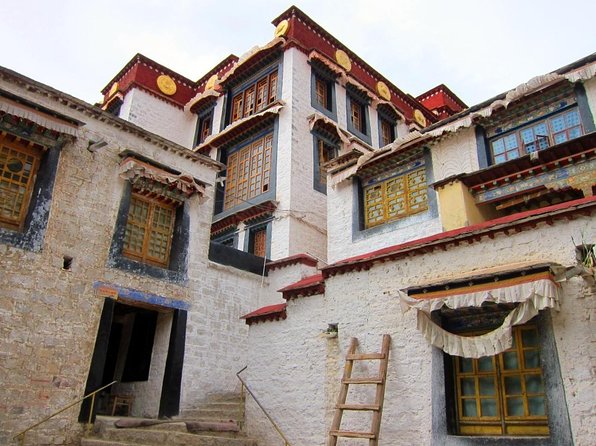
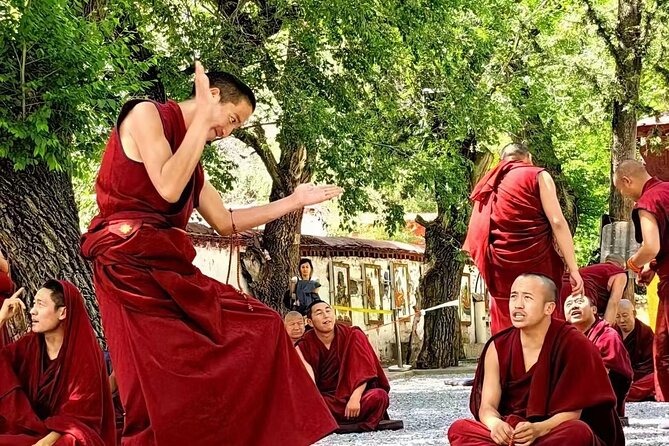
After Potala, you’ll head to Sera Monastery in the afternoon with about 2 hours on site. The main reason people plan Sera carefully is the daily scriptures debating held in the central courtyard from 3:30pm to 5pm. If the timing lines up, this is where your day gets real and lively.
The structure is simple: you arrive, settle in around the central courtyard, and watch the debating session happen on its own schedule. The tour doesn’t frame it as a performance meant for tourists, which is part of why it can feel authentic. You’re seeing a living tradition that operates on its own rhythm, not a staged show that happens when your bus arrives.
Because your allotted time is about 2 hours, you typically have a little cushion before and after the peak debating window. That means you can also look around the monastery grounds and take in the spiritual architecture without feeling like you’ll miss the main event.
Watch for this moment: debating is easier to follow when you understand the flow. Ask your guide what to listen for and what a response usually signals. Guides like Tenzin or other English-speaking Tibetan guides (depending on assignment) tend to explain what you’re noticing so you can focus on meaning instead of trying to translate everything in your head.
Private Guide and Vehicle: What That Means for Your Day in Lhasa
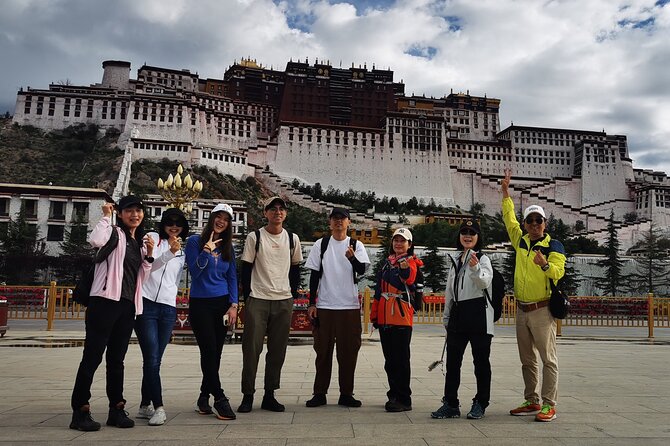
This is a private day tour, so it’s built for your group only. That can sound like marketing, but it matters in Lhasa. When you have one guide handling the day, you’re more likely to get straight answers, better pacing, and fewer “guesswork” gaps between stops.
You’ll travel in a comfortable licensed vehicle sized for groups (the company lists vehicles in the 5–29 seat range). Even with the vehicle choice varying by group size, the point is the same: you get transport that’s designed for tourist touring, not a stressful game of squeeze-and-stand.
Your guide is a professional English-speaking Tibetan local guide, and that’s not a small detail. In places like Potala and Sera, the difference between seeing something and understanding it can be the difference between a quick visit and a trip that sticks with you. Based on past experiences with this operator, guides such as Tenzin or Lhamu are the sort of people who provide clear context and take care of the flow from stop to stop.
You also get drinking water provided during the trip. That sounds basic, but in practice it helps you keep your timing comfortable, especially when you’re walking and climbing.
Price and Value at $745: What’s Included and What’s Not
At $745, this is not a budget tour. It’s priced like a private, guided, ticketed day in Lhasa with a dedicated vehicle. The value question comes down to what you avoid.
Included in the price:
- Entrance tickets for Potala Palace and Sera Monastery
- A professional English-speaking Tibetan guide
- A comfortable licensed vehicle
- Drinking water
Not included:
- Tibet travel permits (including items like the Tibet Entry Permit and Alien Travel Permit)
So you’re paying for a day where someone handles the ticketing and site logistics, and you don’t have to coordinate guide + transport + admissions on your own. If you’re traveling with a group, group discounts are available, which can improve value quickly. If you’re solo, the cost per person is harder to justify against cheaper group tours, but you still might prefer the private pacing and the guide attention.
The big budgeting lesson: don’t let the permits surprise you. Since permits are not included, make sure you understand what you must secure before your tour date. If permits aren’t ready, even the best planned tour can get derailed.
Start Time 9:00 am: Meeting Point and Timing Tips
The tour begins at 9:00am. There’s a defined ticket redemption point at Zongjiaolu Kang Industrial And Commercial Institute, M438+9XP, Bei Jing Zhong Lu, Cheng Guan Qu, La Sa Shi, Xi Zang Zi Zhi Qu, China, 850000.
Pickup is offered, but not every departure works the same way for every hotel. If you’re relying on pickup, confirm how the schedule connects to your exact location so you’re not late to the 9:00am start.
Here’s what the timing suggests for your day planning. Potala is your morning anchor, with about 3 hours on site. Sera comes in the afternoon, with about 2 hours on site, and the scriptures debating session runs 3:30pm–5pm. That means your day is built around the afternoon window, so you’ll want to keep the morning from drifting.
My tip: plan to eat breakfast before pickup or departure. The tour starts after breakfast in the way the day is structured, and you don’t want to waste part of your Potala time on hunger and detours.
Pacing, Photo Spots, and How to Read What You See
Potala Palace gives you plenty of reasons to slow down, but the palace complex also invites mindless wandering if you’re not careful. The easiest way to stay grounded is to listen for what your guide wants you to notice first—white versus red sections, corridor viewpoints, mural themes, and religious spaces that connect to lama life.
At Potala, the highlights are not only the big views. Corridors and stairs can feel endless if you’re expecting a simple museum layout. If you accept that it’s a connected vertical world, the walking starts to make sense. You’re moving through the palace the way the complex is designed.
At Sera, the key is attention during the scriptures debating window. Your goal isn’t to master every concept. It’s to catch the rhythm: how disputants interact, how debate proceeds in the courtyard, and how the session functions as daily practice. Ask your guide what to look for, and you’ll get more out of the experience than trying to decode everything alone.
Also, don’t ignore the practical side. You’ll be walking. Potala includes stairs and corridors, and Sera’s main session takes place in the central courtyard. Comfortable shoes and sensible layering help more than you’d think on a long day.
Who This Tour Suits Best (and Who Might Want More Time)
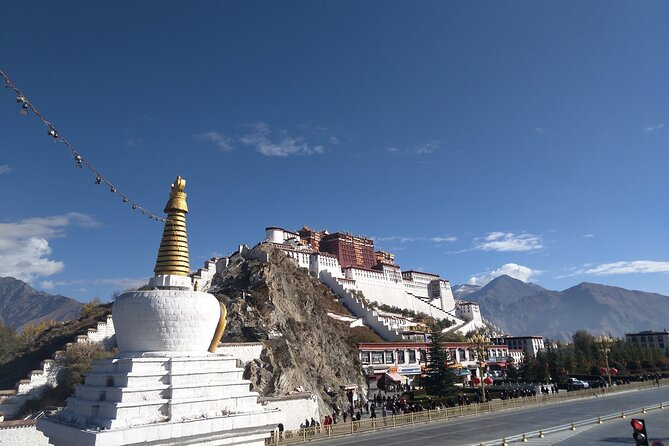
This tour is ideal if you want a focused snapshot of Lhasa’s two headline religious sites in one day. You’ll get the Potala Palace overview in depth enough for first-time visitors, and you’ll see Sera’s scheduled daily debate without needing to figure out timing yourself.
It’s also a strong pick if you value guidance. Potala and Sera can be visually stunning, but understanding the symbolism and how the traditions work makes the visit far more satisfying. An English-speaking Tibetan guide helps you connect the dots without turning the day into a textbook lesson.
You might want a different plan if you tend to take your time at major sites or if you’d rather linger for extra hours at one place. With about 3 hours at Potala and about 2 hours at Sera, the schedule is intentionally compact.
If you’re the kind of traveler who likes seeing the big moments and then moving on with confidence, this fits.
Should You Book This Potala and Sera Private Day Tour?
Book it if you want:
- A private, ticketed day covering Potala Palace and Sera Monastery
- Scheduled access to the 3:30pm–5pm scriptures debating session
- A professional English-speaking Tibetan guide and a dedicated vehicle
Consider skipping or changing plans if:
- You haven’t sorted your Tibet travel permits yet (permits are not included)
- You know you want more than a short stop at either Potala or Sera
If your permits are handled and you’re looking for a clean, well-structured day in Lhasa, this is a solid way to spend it.
FAQ
What is the duration of this Potala Palace and Sera Monastery tour?
The tour lasts about 8 hours.
What time does the tour start in Lhasa?
The start time is 9:00am.
Is this tour private or shared?
It’s private. Only your group participates.
Is pickup offered?
Yes, pickup is offered.
Are entrance tickets included?
Yes. Entrance tickets for the Potala Palace and Sera Monastery stops are included.
What time is the scriptures debating at Sera Monastery?
The daily scriptures debating runs from 3:30pm to 5pm in the central courtyard.
Does the tour include permits?
No. Tibet travel permits are not included.
What language is the guide?
The guide is a professional English-speaking Tibetan local tour guide.
When will I receive confirmation after booking?
Confirmation is received within 48 hours of booking, subject to availability.