REVIEW · KATHMANDU
Short Everest Base Camp Trek 10 Days
Book on Viator →Operated by Welcome Nepal Treks P.ltd · Bookable on Viator
A short trek, big Everest payoff. What makes this one appealing is the tight structure: Kathmandu to Lukla by domestic flights, then day-by-day walking through iconic Khumbu villages, with the standout Kala Patthar sunrise moment built into the schedule. I also like that the plan is organized around high-altitude rhythm, not just distance on a map.
I love that logistics get handled for you, so you can focus on the trail. The included experienced, English-speaking guide and team setup (including permits and lodge bookings) means fewer moving parts while you are busy adjusting to altitude. One possible drawback to consider: because this is a short Everest Base Camp trek, the altitude comes quickly, and you will want to take it slow and be honest about how your body is reacting.
In This Review
- Key highlights you’ll feel on the trail
- Why this short Everest Base Camp trek feels different
- Kathmandu setup and the early start that shapes your day
- Day 1: Lukla flight and the walk into Phakding
- Day 2: Namche Bazaar at 3,440 m and the Dudh Koshi corridor
- Day 3: Tyangboche’s big mountain views
- Day 4: Dingboche and the mid-trek adjustment
- Day 5: Lobuche, heading toward the glacial zone
- Day 6: Gorakshep and the walk to Everest Base Camp
- Day 7: Kala Patthar sunrise at 5,545 m, then back to Pheriche
- Day 8: Return to Namche Bazaar through Khumjung and Khunde
- Day 9: Lukla and that last tea house night
- Day 10: Flight back to Kathmandu and a calm finish
- Guides, pacing, and why the human part matters
- What the $1,400 price covers (and what to budget for)
- Who this trek suits best
- Should you book this short Everest Base Camp trek?
- FAQ
- How long is the short Everest Base Camp trek?
- Where does the trek start?
- Are flights to and from Lukla included?
- What kind of accommodation should I expect?
- Is a guide included?
- Are porters included?
- Are permits and taxes included?
- What meals are included?
- What is the maximum group size?
- What time does the experience start?
Key highlights you’ll feel on the trail
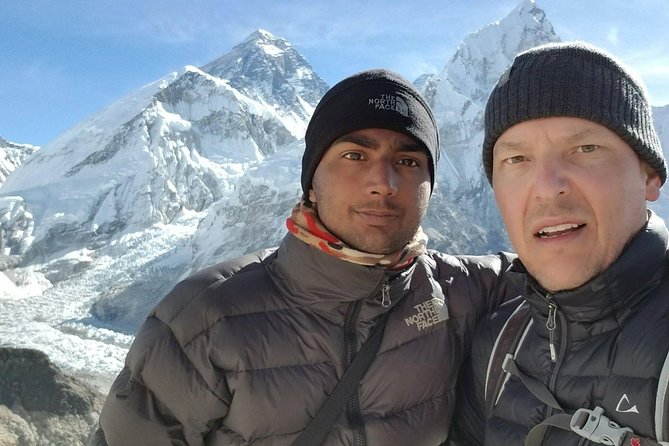
- Lukla flights included: Less hassle, more time actually trekking
- Kala Patthar timing: Early morning sunrise option at 5,545 m
- Teahouse/lodge stays each night: Simple, familiar comfort in the Himalaya
- English-speaking guide with a plan: Day prep and on-the-ground decision-making
- Small group cap (max 15): Easier pace control and less crowding on breaks
- Permits and taxes handled: Fewer paperwork headaches once you arrive in Nepal
Why this short Everest Base Camp trek feels different
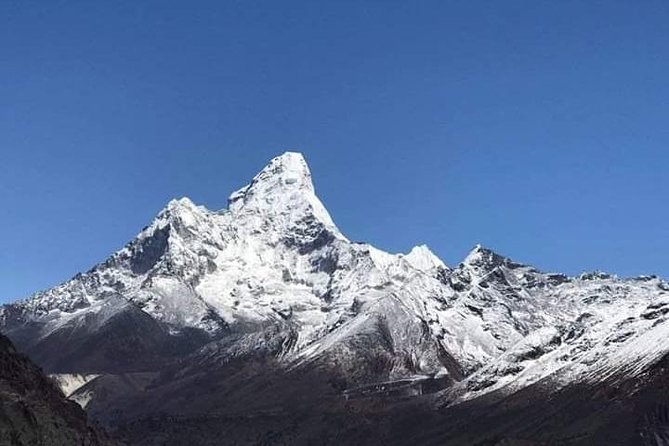
Everest Base Camp is one of those trips you dream about for years. The catch is that “dream” often comes with a long trek. This version keeps the spirit of the classic route, but trims days so you still get the big wins: Lukla access, the Khumbu village sequence, reaching Base Camp (via Gorakshep), and a sunrise climb at Kala Patthar.
For value, the key is what you do not have to arrange yourself. You get round-trip Kathmandu–Lukla–Kathmandu flights, airport/hotel transfers by private vehicle, lodge stays during the trek, trekking permits, and a guide plus porter/crew support covered in the package price (with porters available for extra cost). That matters because on Everest trips, the messy parts are often the flights, permits, and daily coordination, not the views.
I also like that the group size is kept small (up to 15). It is not a tiny private trek, but it usually means you are not dealing with a chaotic line of people at each lodge or on narrow trail sections.
You can also read our reviews of more hiking tours in Kathmandu
Kathmandu setup and the early start that shapes your day
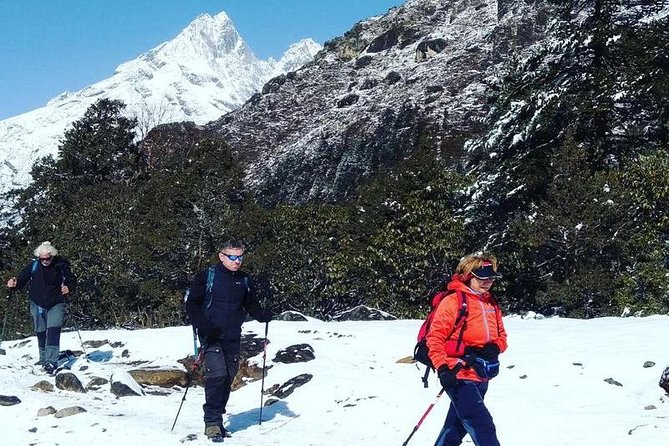
Your day begins at 6:15 am, with pickup and domestic transfers handled by private vehicle. That early start is common on Nepal trekking routes, and it is not just for show. Flights between Kathmandu and Lukla are weather-sensitive, and morning timing gives you a better chance to lock in your connection.
Once you land back in Kathmandu on the final day, you transfer to a hotel and cap things off with a farewell dinner served at Bhojan Griha. It is a nice, low-effort way to decompress before you head home.
A small practical note: the tour confirmation happens at booking time, so it helps to book early and keep your travel dates flexible enough for domestic flight timing. If you hate uncertainty, you might prefer an itinerary with more buffer days in Kathmandu, but this package is clearly built around a tight 10-day arc.
Day 1: Lukla flight and the walk into Phakding
The trek’s engine starts with a short commercial flight into Lukla, using airlines such as Tara, Summit, or Sita Air (depending on schedule). After landing at Lukla’s famous airport, you begin the trek to Phakding, with about a 3.5-hour walking day.
What I like about starting with Phakding is that it is a gentle on-ramp. You are not spending your first day fighting steep altitude. Instead, you get time to settle into the rhythm: short breaks, steady steps, and getting used to the idea that the air is thinner than in Kathmandu.
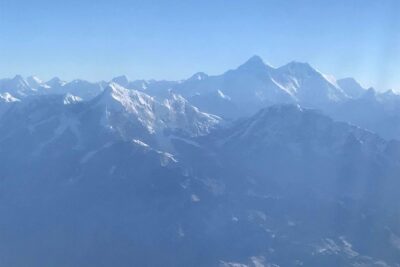
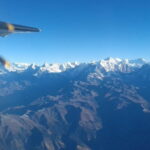
The drawback? If you are sensitive to flying or the first day feels busy, you will need to treat this day like orientation. Bring your patience. The view from the air is part of the experience, but the real goal is getting your legs ready for what comes next.
Day 2: Namche Bazaar at 3,440 m and the Dudh Koshi corridor
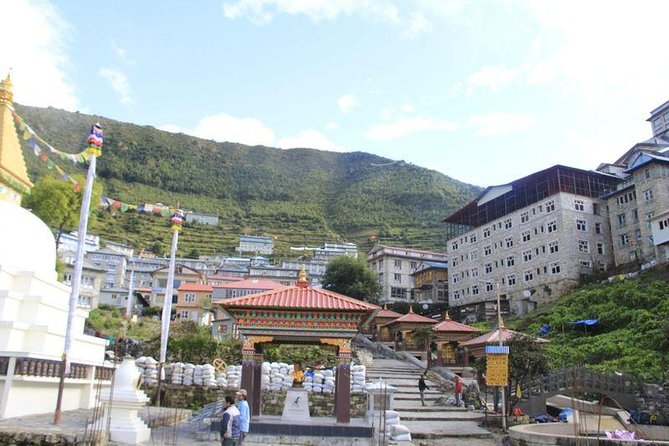
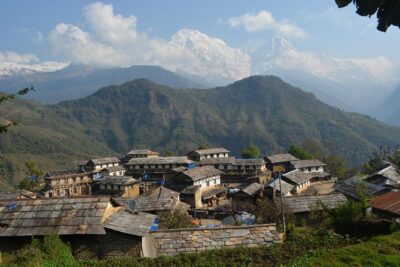
Day two brings the trek to Namche Bazaar at 3,440 m, typically around a 6-hour day. The route follows the right bank of the Dudh Koshi river, with mountain views popping up as you climb.
Namche matters because it is where the trekking world becomes clearly Himalayan. You start seeing more Sherpa culture and more purpose-built trekking infrastructure. It also tends to be a good place to slow down mentally. You are going higher, but you are also settling into a place where you can plan hydration, ask questions, and keep an eye on how you sleep.
If you like authentic village life, Namche gives you that without feeling like you are just passing through. Still, it can feel busy compared to the smaller stops. The key is to use your time well: eat sensibly, drink, and get your bearings.
Day 3: Tyangboche’s big mountain views
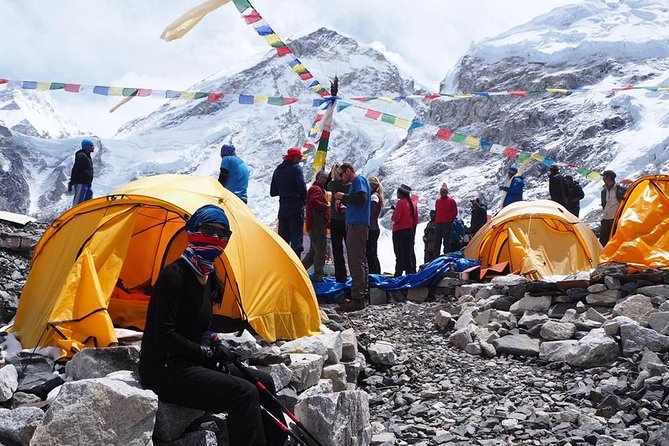
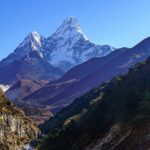
From Namche, you head toward Tyangboche (3,867 m) on a route that takes about 5 hours. The trail leaves a steep cliff section dropping toward Dudh Kosi and gives you long stretches of scenery on the way.
Tyangboche is popular for a reason: it is a high point that frames the mountains in a way that makes Everest feel real rather than just a name. It also tends to be a place where you can pause and look around without feeling rushed.
The consideration here is that days like this can feel mentally heavy even if the hiking time is reasonable. If you are prone to pushing too hard early, remind yourself to keep the pace conservative. You’re building a body that can handle the next days, not just a line on a tracker.
Day 4: Dingboche and the mid-trek adjustment
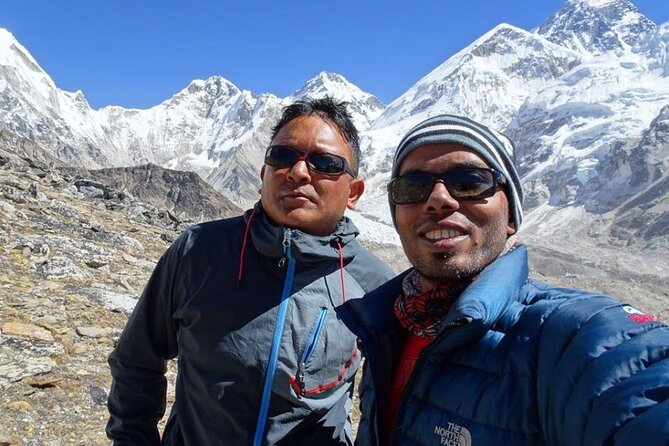
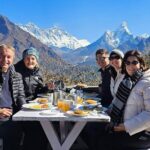
The trek continues to Dingboche (4,260 m), usually around 5 hours. You drop through a rhododendron forest, pass through Deboche, cross a suspension bridge at Imja Khola, and then continue onward.
Dingboche is a classic altitude checkpoint. By the time you arrive, you have climbed enough that your body starts sending clear signals. That does not mean you are in trouble. It means you need to treat hydration, food, and sleep like they are part of the trekking gear.
If you feel good, it is tempting to speed up. Don’t. This is exactly the kind of trip where the best strategy is slow and steady. Your guide should be watching pacing closely, and the fact you have an experienced English-speaking guide is a real benefit.
Day 5: Lobuche, heading toward the glacial zone
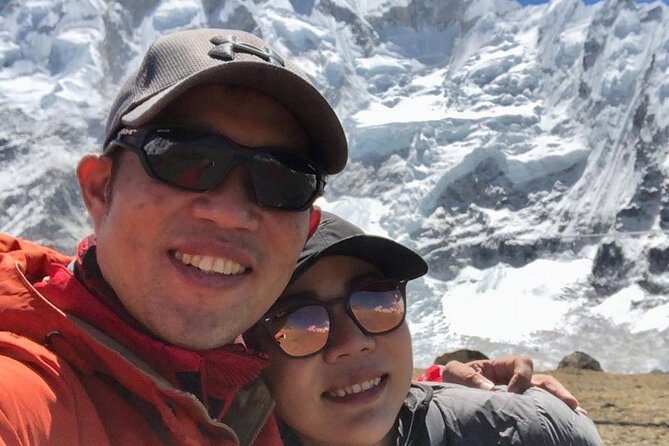
From Dingboche to Lobuche takes about 5 hours and moves you to higher terrain at 5,000+ meters. The day is described as gentle up to Pheriche, and along the way you get more mountain drama as the route edges closer to the Khumbu glacier area.
Lobuche is where the trekking “story” shifts. The scenery becomes more stark. The air gets colder and drier. The walking may feel less forgiving underfoot, depending on snow or conditions.
This is also the day where you should start being extra thoughtful about your energy. Since standard meals are not included in the package, your meal planning matters. Budget for lunches and dinners at the tea houses along the way, and keep snacks handy so you are not waiting until you arrive to fuel up.
Day 6: Gorakshep and the walk to Everest Base Camp
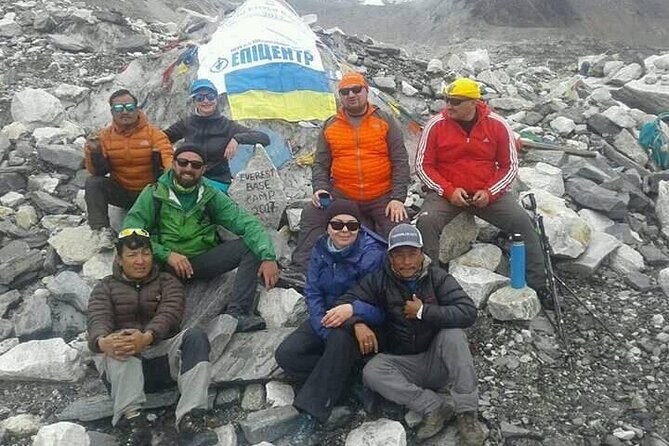
Day six is the longest and most rewarding section: Lobuche to Gorakshep and then to Everest Base Camp via rocky paths and the Khumbu glacier area, with an overall day time listed around 8 hours.
This is the day you came for. Base Camp itself is an emotional point, but what you should remember is that the experience is not only the destination sign. It’s the approach—those glacial views, the sense of remoteness, and the feeling of standing in the middle of a world most people only see from a distance.
Drawback to consider: the 8-hour day at high altitude can hit hard even if you are fit. You need to treat your breathing like a priority. You will likely want to pace slower than you think you should. If you feel symptoms of altitude issues, say something early to your guide and follow their guidance.
Day 7: Kala Patthar sunrise at 5,545 m, then back to Pheriche
The itinerary keeps the big payoff for day seven. You trek from Gorakshep to Kala Patthar (5,545 m) and then down to Pheriche (4,243 m). Total time is listed around 7 hours.
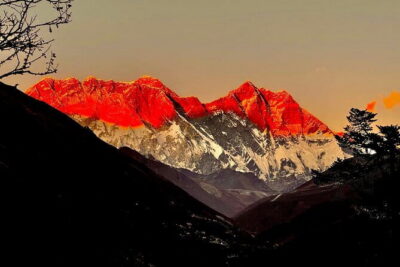
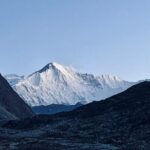
If Everest is the headline, Kala Patthar is the perfect supporting act. The early morning push is about sunrise views, with Everest and surrounding peaks in sight. The altitude is serious here, but the short window and strong focus make it feel achievable for the right traveler.
What I like is that you do not end the day at a dead stop. After Kala Patthar, you come back down to Pheriche, which helps your body recover from the highest point of the itinerary.
The consideration: sunrise days can mess with your sleep schedule. It is not unusual to feel tired before you start walking. That is normal. Fuel a little before the climb, keep your pace slow, and follow your guide’s lead.
Day 8: Return to Namche Bazaar through Khumjung and Khunde
You head back toward Namche Bazaar (3,440 m) from Tyangboche, with around 7 hours on the trail. Along the route, you pass traditional villages such as Khumjung and Khunde.
This day is a great chance to appreciate what you missed when you were climbing. On the way up, you focus on altitude and effort. On the return, you can look more closely at the culture, architecture, and daily life around the villages.
It is also a day where you should pay attention to your knees and ankles. Down days can feel easier mentally but can be harder physically. Use trekking poles if you have them and keep steps short.
Day 9: Lukla and that last tea house night
From Namche Bazaar to Lukla takes about 7 hours, with lunch served en route and an overnight at a tea house lodge in Lukla. This is your final trekking day, which is psychologically different. You’re tired, but you can feel the trip winding down.
I like the structure here: you do not rush straight into Kathmandu. Instead, you get one more rest night at lower altitude, with a chance to recover from the trek’s grind.
One practical thing: at this stage, you might find your appetite changes. Some people eat less because they are busy thinking about the end. Don’t ignore food. Simple, steady meals help your recovery.
Day 10: Flight back to Kathmandu and a calm finish
On the final day, you fly from Lukla to Kathmandu early, then transfer to your hotel. The evening includes a farewell dinner at Bhojan Griha.
For me, the best value of day 10 is that you can keep your feet down and your mind clear. You do not need to plan anything complicated. You just transition from trekking life back into city life.
If you are thinking about adding more Nepal after this, you might love the pairing with a relaxing activity like Chitwan, which has been suggested by past participants. It makes sense: you just walked high altitude for days, and you deserve a lower-stress nature break afterward.
Guides, pacing, and why the human part matters
The experience is only as good as the people moving it forward. The package includes one trekking guide (English speaking) plus support for guide and porters. That human layer shows up in reviews, where guides such as Mohan, AJ, Padam dai, Anjan, and Padam Bahadur Bhujel were mentioned for being organized and supportive.
Two practical patterns stand out from those comments: guides who explain the day plan in advance and guides who prioritize pacing with a slow and safe mindset. That can be the difference between finishing strong and feeling worn out.
Also, one participant noted that gear was loaned without charge. You cannot treat that as guaranteed, but it is a smart question to ask when you book: what support is available if you arrive missing something?
What the $1,400 price covers (and what to budget for)
At $1,400 per person for about 10 days, the price is not just for views. You are paying for major fixed costs: Kathmandu–Lukla–Kathmandu flights, private vehicle transfers for domestic connections, lodge/tea house accommodations during the trek, permits and official taxes, and the guide + crew structure.
The main “not included” cost that can surprise first-timers is food during the trek. Standard meals (breakfast, lunch, dinner) are not included, so you should budget for tea house dining along the route. On Everest routes, that daily meal cost adds up quickly, especially at higher elevations.
You also may want to budget for a porter if you travel with heavy gear. Porters are available at an extra cost, with the stated ratio of 1 porter for 2 people. If you are carrying your own load, keep it light. High altitude rewards smart packing.
Who this trek suits best
This trip fits best if you:
- Want a classic Everest Base Camp route but with a short timeline
- Are in strong physical shape and can handle an 8-hour high-altitude day
- Prefer a guided experience where permits, lodges, and daily routing are handled
- Like structured plans with the big moments held for you (Base Camp and Kala Patthar)
It might be less ideal if you:
- Have a history of altitude sickness and need extra acclimatization time
- Want a fully independent trekking experience with no group logistics
- Hate the idea of paying for meals separately during the trek
Should you book this short Everest Base Camp trek?
I’d book it if you want maximum Everest intensity in minimum time, and you are the type who listens to your guide about pace. The included flights and permits make it a smooth entry into the region, and the route’s design—especially the Kala Patthar sunrise—gives you the standout moments you came for.
I would hesitate if you are worried about altitude moving fast for your body. With a short itinerary, the margin for pushing too hard shrinks. If you go, go smarter: slow pace, hydrate, eat, and speak up early if you feel off.
If you want the best overall Nepal trip, consider pairing this with a lower-altitude nature reset afterward, like Chitwan, so your legs and mind get a breather.
FAQ
How long is the short Everest Base Camp trek?
The trek is approximately 10 days, including flights and your return to Kathmandu.
Where does the trek start?
You start in Kathmandu, then fly to Lukla and begin walking from Lukla toward Phakding.
Are flights to and from Lukla included?
Yes. The package includes flight fare for Kathmandu–Lukla–Kathmandu with domestic airport tax.
What kind of accommodation should I expect?
You stay in lodges and tea houses during the trek.
Is a guide included?
Yes. The trip includes one experienced, English-speaking trekking guide, along with guide and porter support.
Are porters included?
Porters are not included in the base price, but they are available at an extra cost (1 porter for 2 people).
Are permits and taxes included?
Yes. All necessary trekking permits and government taxes and official charges are included.
What meals are included?
Standard meals during the trek are not included (breakfast, lunch, and dinner). Personal food costs will be on you at tea houses.
What is the maximum group size?
The tour has a maximum of 15 travelers.
What time does the experience start?
The meeting/start time is 6:15 am.