REVIEW · KATHMANDU
Everest Base Camp Trek
Book on Viator →Operated by Himalayan Holyland Treks and Expedition · Bookable on Viator
Everest Base Camp still feels unreal on paper. Once you’re walking high in Nepal’s Khumbu region, it becomes real fast. What makes this trek special is the tight rhythm of acclimatization plus big landmark days like Kala Patthar and Everest Base Camp itself. You’ll also get the practical support of a professional guide and porter help.
I love how the itinerary balances effort and recovery. Namche Bazaar day is built in for acclimatization, and it’s not just sitting around—you can explore town and hike nearby viewpoints so your body can adjust.
The second thing I like is the way the high-altitude experience is handled day-to-day. You’re sleeping in tea houses, eating three meals a day on trek, and even getting hot soup in the high places when it counts.
One drawback to consider: this trek is physically demanding. You’ll hike long days at altitude, and the schedule assumes you have at least moderate fitness and are ready for cold, thin air.
In This Review
- Key Things To Know Before You Hike
- Kathmandu Arrival: get set up the easy way
- Lukla Flight + the short walk into Phakding: your first taste of Khumbu
- Phakding to Namche Bazaar: long uphill days and big village views
- Namche acclimatization day: explore, hike gently, and let your body catch up
- Namche to Tengboche: rhododendron trails and a monastery highlight
- Tengboche to Dingboche: altitude rises, views get sharper
- Dingboche to Lobuche: views at altitude, and the fatigue creeping in
- Gorakshep and Everest Base Camp: the point where the trek becomes the story
- Kala Patthar sunrise climb: the “best vistas” moment you came for
- Return descent: Lobuche to Tengboche and the trail changing in your favor
- Tengboche to Manjo: rhododendron sections and a long walking day
- Manjo to Lukla and back to Kathmandu: finish strong, don’t rush your body
- Price and value: where your $2,500 goes in real life
- Guides, porters, and group vibe: why support matters on this route
- Should you book this Everest Base Camp trek?
- FAQ
- Where do you meet, and what time does the trek start?
- How long is the Everest Base Camp trek?
- What are the main flight days?
- What’s included during the trek?
- How many porters do I get?
- What’s not included in the price?
- Can I cancel for a full refund?
Key Things To Know Before You Hike
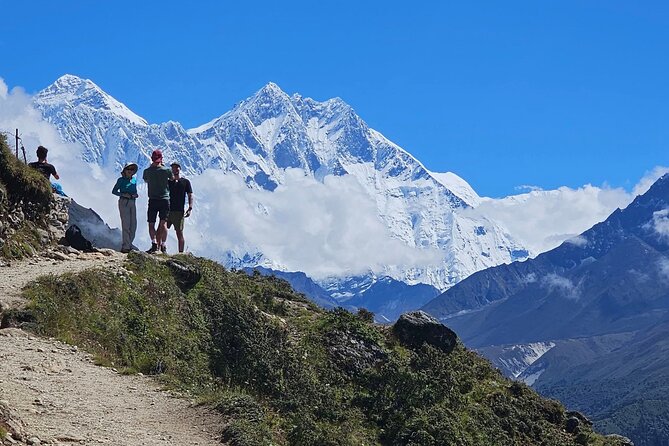
- Kala Patthar is the target for the best Everest-region panoramas in this route, with an early-morning push.
- Namche Bazaar acclimatization is real time, not a token stop, with options to explore and adjust.
- Tea-house style lodging keeps things simple, with three meals daily while you’re trekking.
- Porter support is built in at a 2 trekkers : 1 porter ratio, so you’re not carrying everything.
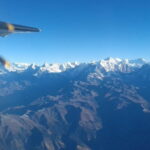
- You fly Lukla both ways, with a short 25-minute flight each direction that can change the feel of the whole trip.
- Guides get named for support, including people like Jangbu and Ajay in past feedback for Himalayan Holyland treks.
Kathmandu Arrival: get set up the easy way
Your trek begins in Kathmandu with pickup and drop by private vehicle. If you arrive for an international flight, you’ll be met after you land; if you’re using a domestic connection, the same idea applies. This matters because Kathmandu logistics can eat a day fast if you don’t like improvising.
You’ll also start early. The listed start time is 5:15 am at Tribhuvan Airport, so build in a buffer the night before. The experience is described as a private tour, meaning only your group participates, which usually helps keep the pace and communication cleaner.
After the trek, there’s a farewell dinner in Kathmandu. On the final day, you’ll be escorted by private car to your hotel and you’ll have time to check out Thamel afterward if you want to reset.
You can also read our reviews of more hiking tours in Kathmandu
Lukla Flight + the short walk into Phakding: your first taste of Khumbu
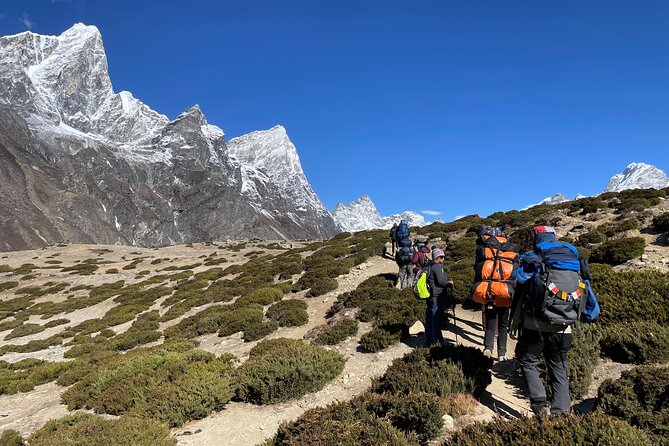
Day 1 is a combo day: a 25-minute flight from Kathmandu to Lukla, then about 3 hours of trekking to Phakding. That first step off the trail matters more than you’d think. The flight puts you into the Everest region mindset immediately, then the gentle hike lets your body start working before altitude starts stacking up quickly.
Phakding sits at about 2650 meters in the plan. It’s not high enough to feel like a struggle, but it’s high enough that you’ll start noticing the air. If the weather is clear, you might see peaks like Kanguru Peak around that first day—no guarantee, but it’s one of those moments that keeps your motivation from draining.
What’s the practical upside of starting this way? You ease in without wasting time in Kathmandu. What to watch for? That flight to Lukla can be the wild card in the Everest region, so it’s smart to have a calm attitude about schedules on day 1.
Phakding to Namche Bazaar: long uphill days and big village views
Day 2 is about 6 hours trekking from Phakding to Namche Bazaar (around 3440 meters). The route is described as passing rivers, villages, and waterfalls, with stops around places like Monje or Jorsalle for lunch.
Namche is where the trek starts feeling like a real community. You’ll reach it after that steady climb, and then the evening routine becomes predictable: get to your tea house, eat, hydrate, and try to sleep early. At this point, you’ll feel the altitude with basic tasks—like climbing stairs in your lodgings—so pace yourself.
Also, you’ll pass Top Danda near Namche, where you can get views including Everest on clear days. It’s a reminder that you’re not hiking in a blank landscape. You’re walking through a living corridor of ridges, prayer flags, and local villages.
Namche acclimatization day: explore, hike gently, and let your body catch up
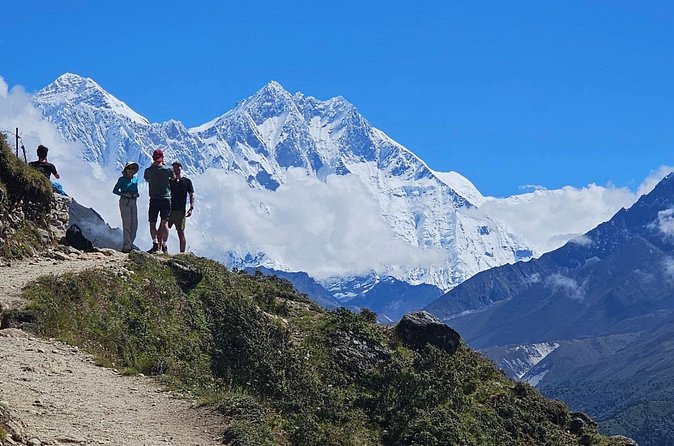
Day 3 is a true acclimatization day. You’ll spend time in Namche Bazaar itself and have options to hike nearby viewpoints and peaks like Kusum Kanguru, Taboche peak, Khonde peak, and Everest View Point. You can also shop and visit the Sagarmatha National Park museum if that’s your kind of thing.
This is the day I think many people underestimate. The schedule doesn’t just give you “rest.” It gives you controlled movement so you can adjust. If you try to brute-force the trek from day to day without this adjustment, you’ll feel it later.
One practical consideration: Namche is a busy base, and it’s easy to get tempted into overdoing it. The right mindset is to feel better by the end of the day, not trashed. Keep the hiking shorter and steady.
Namche to Tengboche: rhododendron trails and a monastery highlight
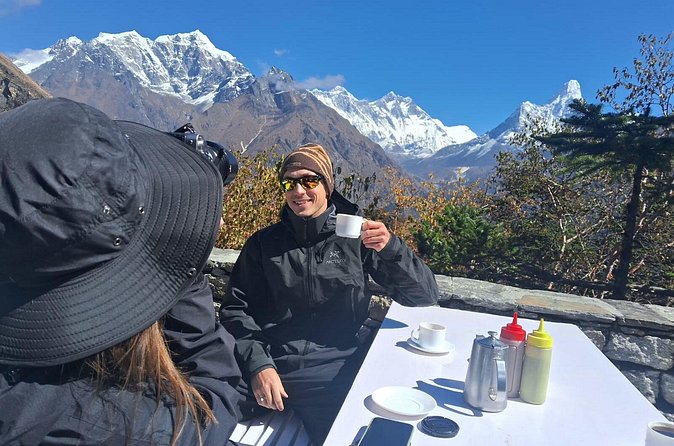
Day 4 drops you into about 5 hours of trekking to Tengboche at around 3860 meters. The route goes through rhododendron forest and along the river trail portions before you arrive at Tengboche.
Tengboche’s main draw is the monastery. It’s a classic spiritual stop where you’ll see monks and locals practicing long-standing rituals and traditions. Even if you’re not a temple person, it’s worth slowing down. This is one of the few places on the trail where the culture is the headline, not just scenery.
Expect cold mornings here and later in the trek, even if the daytime sun helps. If you want value from this day, treat it like a photo-and-respect day: don’t rush the monastery visit, and don’t forget warm layers for the waiting time.
Tengboche to Dingboche: altitude rises, views get sharper
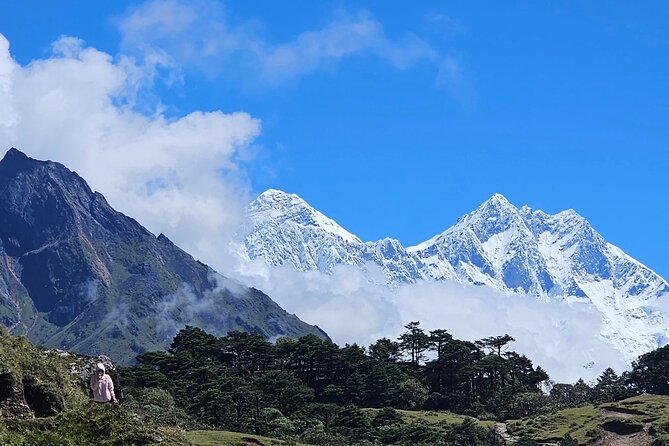
Day 5 is another about 5 hours trekking to Dingboche (around 4400 meters). You’ll start with breakfast in Tengboche, then lunch around Pangboche or Somare, and dinner in Dingboche.
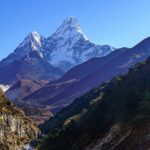
Dingboche is where the air becomes noticeably thinner. The plan calls out views of peaks like Nuptse and Island peak, plus other nearby summits. This is the point where you stop thinking of the trek as a single long walk and start thinking in altitude stages.
A drawback to consider here: once you’re this high, even “short” tasks can feel like effort. That’s normal. The trick is staying consistent—slow steps, frequent small water sips, and letting the guide set a workable pace.
Dingboche to Lobuche: views at altitude, and the fatigue creeping in
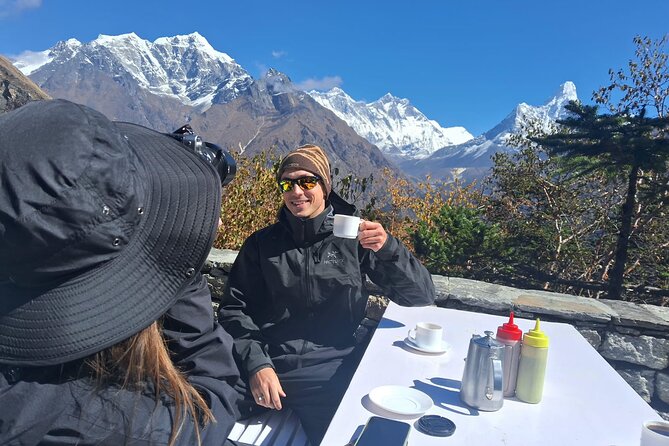
Day 6 moves to Lobuche in about 4–5 hours trekking (the plan lists around 4 hours in one spot and about 5 hours in another). Lobuche sits at roughly 4910 meters.
The route is framed as a day of big mountain sightlines, including Nuptse, Island peak, Lobuche peak, and Taboche peak views. This is good trekking medicine. When the body complains, the scenery helps you bargain with yourself.
By this day, your rhythm matters more than your speed. Tea-house nights are still the same basic setup, but your recovery needs are higher. If you can, prioritize hydration and an early sleep.
Gorakshep and Everest Base Camp: the point where the trek becomes the story
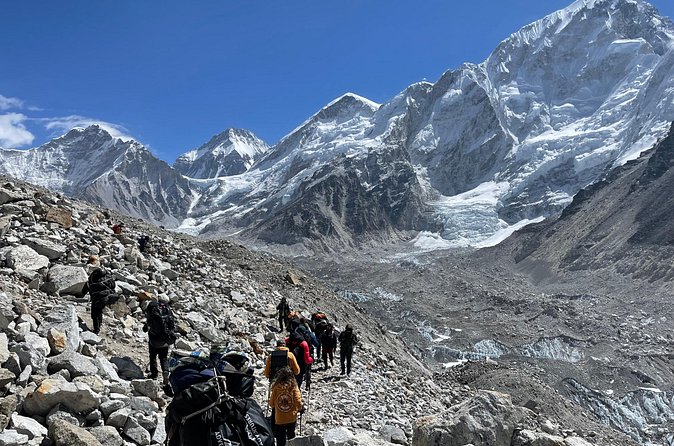
Day 7 is a key junction. You’ll trek from Lobuche to Gorakshep in about 3.5 hours, then hike to Everest Base Camp and return to Gorakshep. Gorakshep is at about 5150 meters, and the base camp altitude is listed around 5364 meters.
This is the day many people dream about, but it won’t feel like a victory lap. The climb and the altitude do the talking. You’ll likely feel wind exposure more here, and the effort-to-reward ratio is intense—photos, yes, but also a sense of presence.
The practical win: your schedule keeps you moving while still giving you a return to Gorakshep rather than forcing the whole day into one push. That helps keep the next day—Kala Patthar—possible.
Kala Patthar sunrise climb: the “best vistas” moment you came for
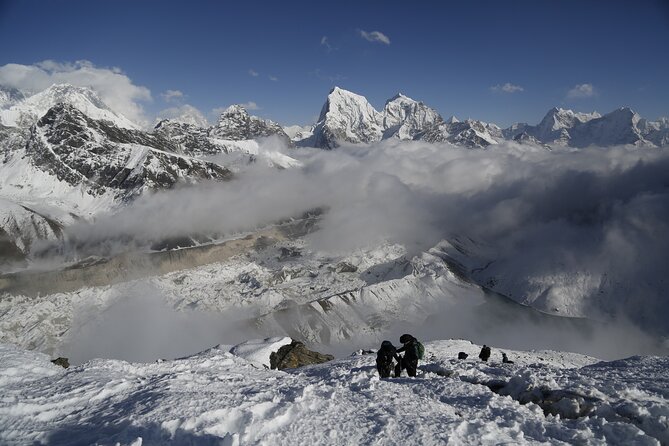
Day 8 is the big one. You hike early to Kala Patthar for about 3 hours, then descend to Lobuche (about 2.5 hours).
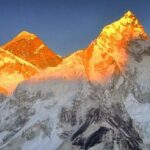
Kala Patthar is specifically described as the best place to see what the Everest region has to offer. That’s not vague marketing; it’s how people actually plan the trek because the viewpoint payoff is a major reason this itinerary exists.
If you want to get the most value from this day, treat it like a weather-and-time game. Go early, keep your breathing steady, and don’t assume the best views will happen instantly. The wait is part of it—so you’ll want warm layers and gloves ready without fumbling.
Return descent: Lobuche to Tengboche and the trail changing in your favor
Day 9 takes you back from Labuche/Lobuche to Tengboche in about 5.5 hours. You’re descending now, and that can feel good, but it also brings its own challenge: knees and fatigue.
The plan highlights breaks at places like Pangboche and Deboche village for lunch, and it mentions monasteries, stupas, bridges, and rivers along the way. The descent gives you a different view of the same region. It’s not just saving effort—it’s also letting the details become clearer as you slow down.
A small caution: descending can make you overconfident. Go steady. A controlled pace will keep tomorrow easier.
Tengboche to Manjo: rhododendron sections and a long walking day
Day 10 is about 6 hours from Tengboche to Manjo. The route goes through rhododendron forest for about an hour, then you have lunch at Namche Bazar, and later you trek via Jorsalle village to arrive in Manjo.
This day is mostly about movement and getting positioned for the final return day. The good news is you’re back into familiar rhythm: tea house, meals, rest. The possible snag is time on your feet—six hours adds up when you’re already tired from earlier altitude days.
Manjo to Lukla and back to Kathmandu: finish strong, don’t rush your body
Day 11 covers the final trek leg: Manjo to Lukla in about 5 hours, including crossing Dudh Koshi River on a suspension bridge and walking alongside a drive to reach Phakding before continuing to Lukla. You’ll stay the night in Lukla.
This is your last big altitude night, so it’s smart to keep hydration and warm layers front and center. Even when the trek feels like it’s winding down, your body is still recovering from weeks—or days—of altitude strain.
Day 12 is simple: a 25-minute flight from Lukla to Kathmandu. Then you’re escorted to your hotel by private car, and you can spend the evening in Thamel after refreshing.
Price and value: where your $2,500 goes in real life
This trek is listed at $2,500 for about 12 days. That price won’t be “cheap,” but it’s not random either. You’re paying for a package that includes airport pickup and drop in Kathmandu for both international and domestic flights, internal transport as per the itinerary, tea house accommodation while trekking, and three meals per day during the trek.
You’re also paying for human support: a professional guide, porter service with a 2 trekkers : 1 porter ratio, and insurance for guide and porters. Add hot soup in the high places, a trekking map, and even a t-shirt, and the value becomes more understandable.
The big thing to watch: your personal travel and rescue insurance is not included, and personal expenses like battery charging and hot showers are on you. Tips for guide and porters are also not included. If you budget for those items early, the package feels more straightforward.
Guides, porters, and group vibe: why support matters on this route
Support can make or break an Everest trek. In past feedback tied to this operator, guides named Jangbu and Ajay are praised for being supportive and attentive from pickup to return. That’s not the same as guaranteeing every person on your trip will be those exact guides, but it does signal the company has a habit of keeping the human side of the trek strong.
Porters at the 2 trekkers : 1 ratio mean you should be carrying less than solo trek style. That matters at altitude, where every extra ounce can feel like a tax. It’s also a morale factor: when you’re tired, not hauling your full bag can help you keep your step steady.
Should you book this Everest Base Camp trek?
If you want the classic Everest Base Camp route with the key viewpoint days planned—Namche acclimatization, Tengboche monastery, Gorakshep/Everest Base Camp, and the Kala Patthar climb—this itinerary makes sense. It also looks like a strong fit if you prefer structure: pickup in Kathmandu, guide-led pacing, and tea house logistics handled for you.
I’d only skip or think twice if you’re not ready for hard days at altitude or if you expect everything to feel effortless. This is a serious trek, even with a porter. Pack smart, plan for cold mornings, and keep your body’s limits in mind.
FAQ
Where do you meet, and what time does the trek start?
You start at Tribhuvan Airport, Kathmandu, Nepal at 5:15 am.
How long is the Everest Base Camp trek?
The duration is about 12 days.
What are the main flight days?
You fly Kathmandu to Lukla on day 1 for 25 minutes, and you fly Lukla back to Kathmandu on day 12 for 25 minutes.
What’s included during the trek?
Tea house accommodation, three meals per day during the trek, hot soup in high places, a professional guide, porter service (2 trekkers : 1 porter), trekking map, transportation as per the itinerary, and a farewell dinner in Kathmandu.
How many porters do I get?
Porter service is listed at 2 trekkers : 1 porter.
What’s not included in the price?
Visa for Nepal, international flight to and from Kathmandu, travel and rescue insurance for clients, and personal expenses like hot shower, battery charge, bar bills, laundry, and water. Tips for guide and porters are also not included.
Can I cancel for a full refund?
Yes. You can cancel up to 24 hours in advance for a full refund.