REVIEW · KATHMANDU
Kathmandu: About 3-hour Cooking Class Experience near Thamel
Book on GetYourGuide →Operated by Shepherd Holidays · Bookable on GetYourGuide
Nepal’s food skills are easier than you think. This hands-on Kathmandu cooking class has you choosing three classic dishes, then learning the techniques in a real kitchen near Thamel.
What I like most is the focus on comfort-food foundations like dal bhat and momos, so you’re not just watching—you’re building flavor with your own hands. The only drawback to keep in mind is that the class is short (3 hours), so you’ll cook fewer dishes than the full menu might suggest.
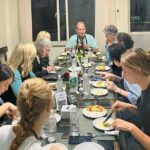
You’ll also get a friendly start with tea or coffee and English/Hindi/Nepali support, which makes it feel welcoming even if your Nepalese is zero. After cooking, you sit down and eat what you made, with portions meant to satisfy.
In This Review
- Key highlights worth your attention
- Near Thamel, but not a tourist show: where this class fits your day
- Choosing your three dishes: making the menu work for you
- My practical way to pick
- Starting with tea, then getting to work
- Dal bhat mastery: why this lesson is the foundation
- Momo magic: dumplings, technique, and the payoff
- Chatamari adventure: the Nepali pizza moment
- Bara bliss: crispy outside, soft inside
- Finishing with dessert or soup: choosing your sweet side
- The teachers and the kitchen: what the class gets right
- What’s included in the $29: value that’s more than a food ticket
- Why that makes it good value
- Your likely flow during the class (and how to enjoy it more)
- Who this cooking class is best for (and who should skip it)
- Should you book this Kathmandu cooking class?
- FAQ
- How long is the cooking class?
- How much does it cost?
- What dishes can I cook?
- Where do I meet the class?
- Is pick-up and drop-off available?
- What languages will the instructor speak?
- Is free cancellation available?
Key highlights worth your attention
- Pick any three dishes from a Nepali menu
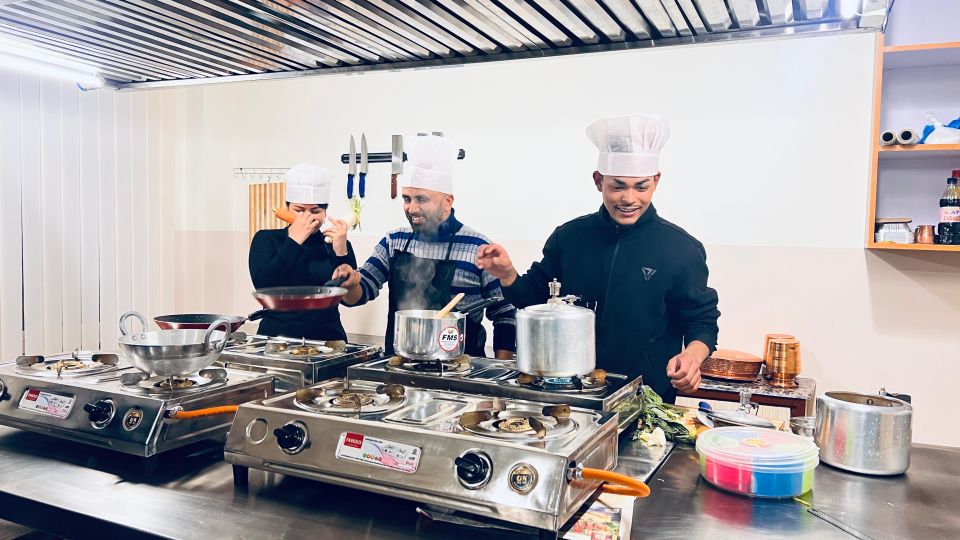
- Traditional kitchen setup with a chef-instructor and helper
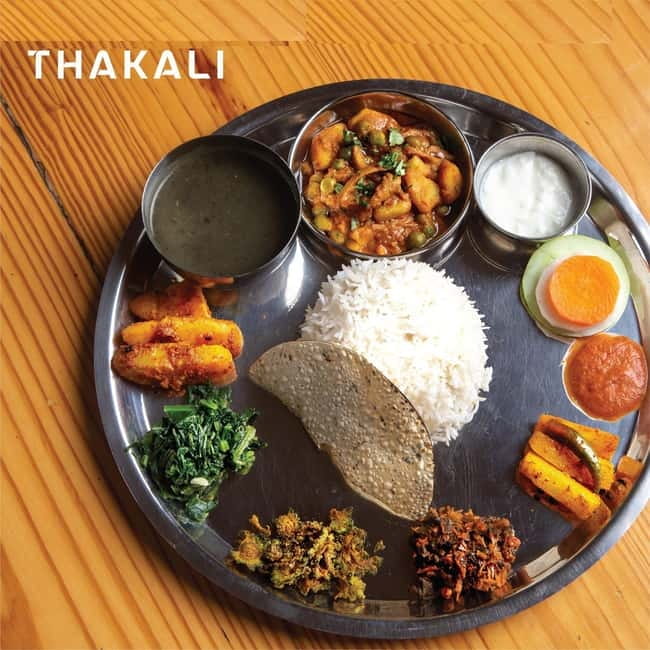
- Dal bhat and momos from scratch, not just assembly
- Chatamari (Nepali pizza) with topping creativity
- Clean, practical teaching you can repeat at home
- Food and drinks prepared during class are included
Near Thamel, but not a tourist show: where this class fits your day
If you’re staying in Kathmandu’s Thamel area, you’ll like how painless this class is to schedule. It runs for about 3 hours, and the meeting point is in the same building as the office—so you’re not hunting through side streets with a dinner plan and a map that keeps folding itself.
The class is based in Kathmandu’s Bagmati Zone, and it’s designed for people who want more than a quick bite. You’re not just tasting dishes; you’re learning how the ingredients work together, how spices behave, and how Nepali meals typically balance rice, lentils, dumplings, breads, and sides.
One smart detail: you don’t arrive already locked into a fixed course-by-course menu. Instead, you select any three dishes. That means you can tailor the experience to what you actually want to eat—maybe you want both dumplings and a comfort bowl, or you want to try one sweet item too.
You can also read our reviews of more cooking classes in Kathmandu
Choosing your three dishes: making the menu work for you
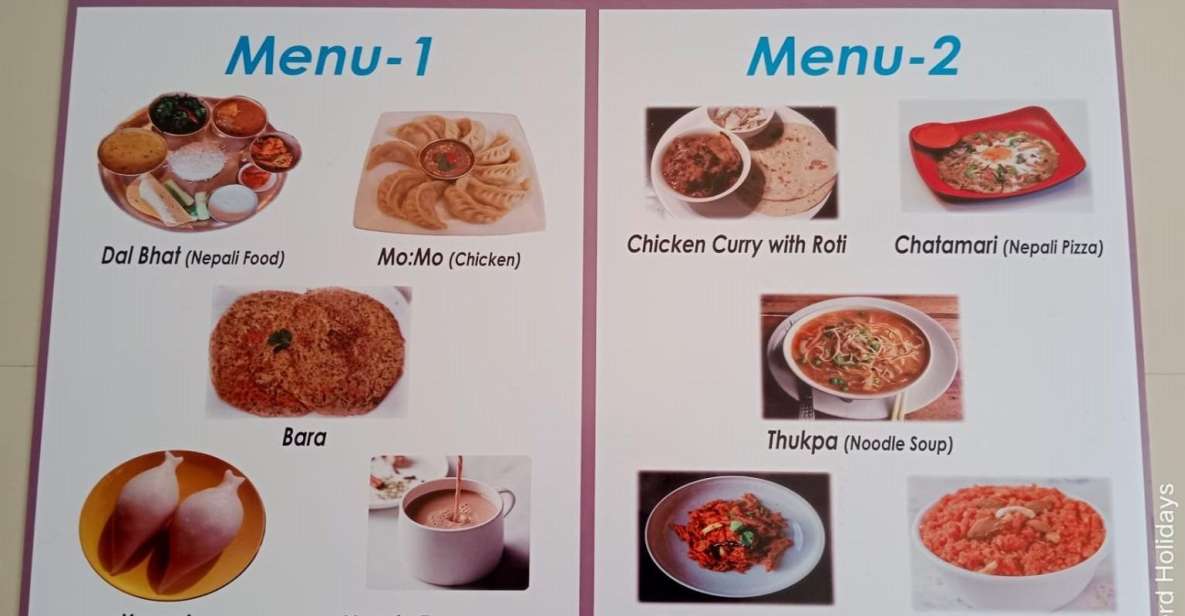
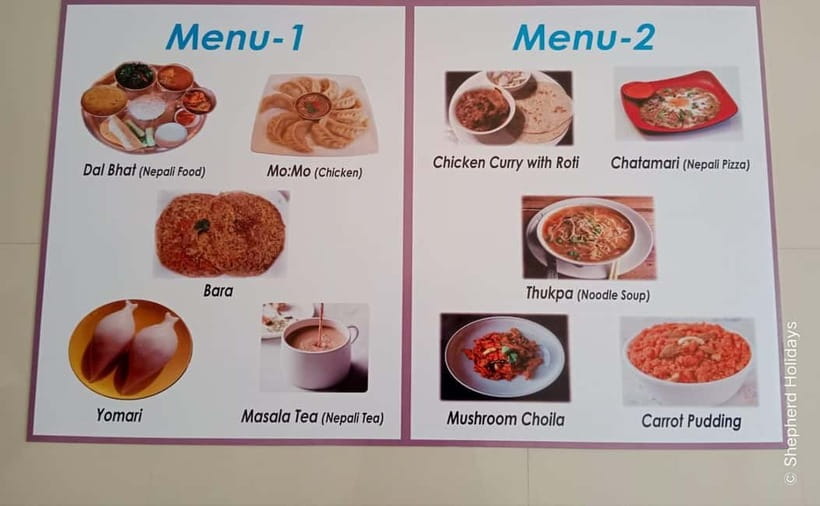
The menu is where the class feels personal. You can choose from savory dishes and a few sweet options, including:
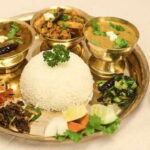
- Dal bhat (lentil soup + rice)
- Chicken or veg momo (Nepali dumplings)
- Bara (lentil patties, crisp outside, soft inside)
- Yomari (sweet dumpling with jaggery and sesame)
- Chicken curry with roti
- Chatamari (the famous Nepali pizza)
- Thukpa (noodle soup influenced by Tibetan cuisine, popular in Nepal)
- Mushroom choila (spicy marinated mushroom dish)
- Carrot pudding (dessert)
My practical way to pick
You’ll get the most out of your 3-hour window if you choose with variety in mind:
- Pick one bowl (dal bhat or thukpa) for a comforting base.
- Pick one dumpling or finger-food style item (momo or bara).
- Pick one “wow” item (chatamari for the pizza effect, or yomari if you want dessert-in-a-different-format).
If you’re the type who always orders dumplings in Asia, then momos + chatamari + dal bhat is a strong combo because it teaches three different textures: soft rice-and-lentils, tender dumplings, and a flatbread topped like a pizza.
Starting with tea, then getting to work
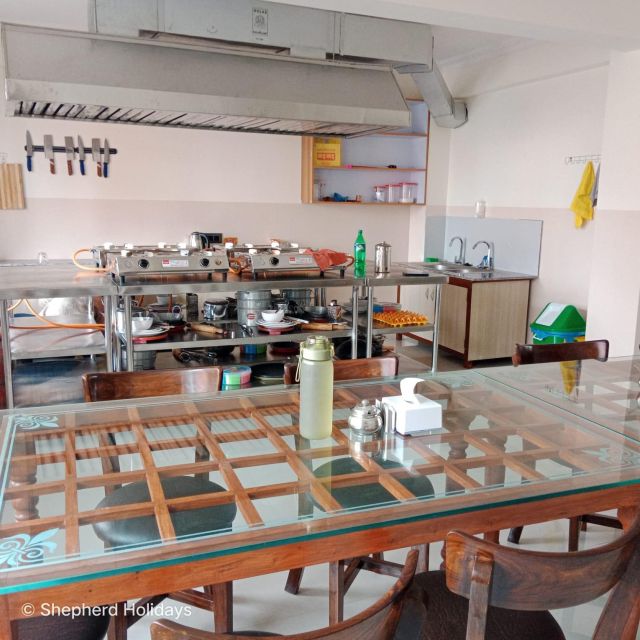
You’ll be greeted when you arrive, and you’ll get a complimentary cup of tea or coffee to settle in. That small welcome matters because it sets a calm tone before you start chopping, stirring, and seasoning.
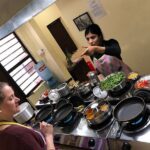
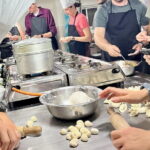
Then comes the part that makes this feel like a class instead of a meal: you choose your dishes, and the kitchen gears up with your ingredients. You’ll be guided in a traditional kitchen setting by local chefs, with an instructor and a helper working with you during the cooking flow.
Language support is a real plus here. The instructor can teach in English, Hindi, and Nepali, which helps you actually understand what’s happening rather than just following hand motions.
Dal bhat mastery: why this lesson is the foundation
Dal bhat is often treated like the default Nepali meal, but that’s exactly why it’s valuable to learn. It’s not just rice and soup—it’s a system of flavor. Lentils provide body and comfort, while seasoning and cooking technique shape the final taste.
In class, you’ll learn the art of making this quintessential pairing—lentil soup plus rice—so you can understand how the dish comes together. Once you know the logic, dal bhat becomes less intimidating back home, because you’re not relying on one “magic ingredient.” You’re learning the balance.
One extra reason this is a good choice: it anchors your meal emotionally. Even if you’re there for chatamari or dumplings, dal bhat gives you something familiar to compare against when you taste the other dishes you just made.
You can also read our reviews of more tours and experiences in Kathmandu

Momo magic: dumplings, technique, and the payoff
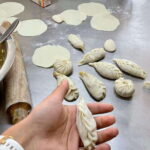
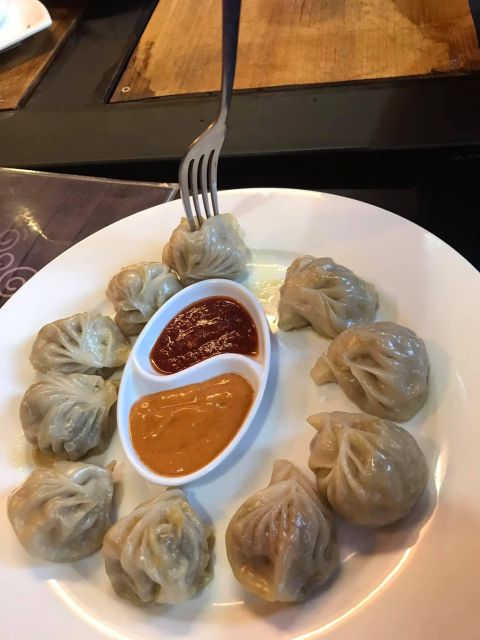
Momos are a highlight for many people, and for good reason. They’re satisfying, portable, and full of flavor. Here, you can choose chicken or veg momo, and you’ll learn the keys to creating them with guidance from the chefs.
What makes this part worth your attention is how dumplings teach you structure. You’re working with filling and dough together, and technique shows up immediately when you bite into the final results. Even if you’re a novice cook, dumplings have clear checkpoints—stuffing, shaping, and cooking—so you can learn without feeling lost.
If you’re curious about Nepalese street food culture, momos are a natural entry point. They’re commonly loved, and getting them right teaches you about spice distribution and the way fillings stay flavorful.
And yes, the class is designed to keep you moving—so you’re not stuck waiting around for someone else to finish everything.
Chatamari adventure: the Nepali pizza moment
Chatamari is one of those dishes that makes you grin because it sounds casual but eats like a concept. It’s often called the Nepali pizza, and in class you’ll learn how to make it as a flatbread topped with a variety of ingredients.
This is the section where you’ll feel the most creative. The toppings can include different flavors, and your chef guidance helps you understand what works and why. You’re not just copying a recipe—you’re learning how thickness, heat, and topping balance affect texture.
Practical note: chatamari is a great pick if you want something that feels visually satisfying for photos and also tastes different from the dal bhat bowl and dumpling bite. It’s a bridge between savory comfort food and something closer to Western familiarity.
Bara bliss: crispy outside, soft inside
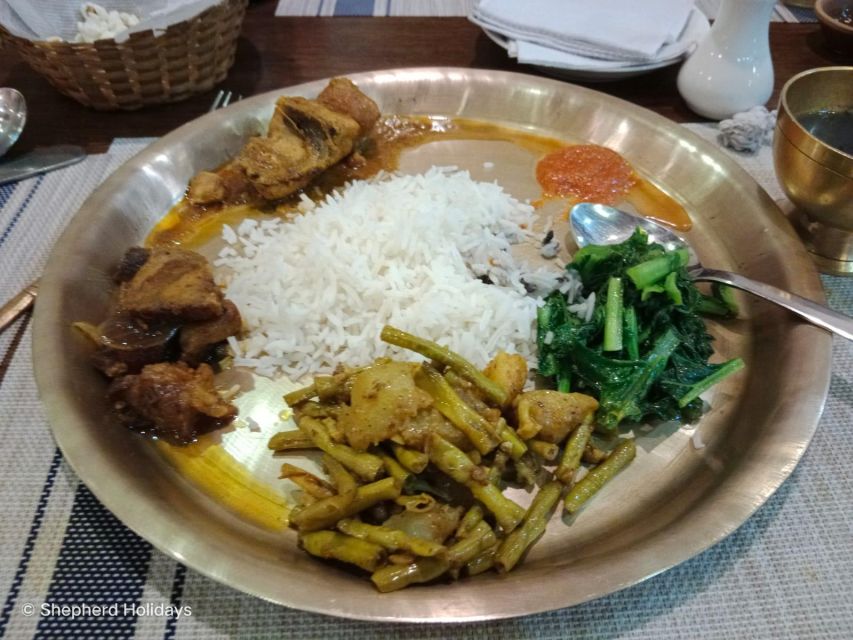
Bara is one of the best contrast dishes to learn in a class like this. It’s a snack style made from lentils, shaped into patties, and then cooked so you get a crisp outside and a tender inside.
The lesson here is about texture control—how cooking changes batter or lentil mixtures into something that isn’t just fried, but fried with intention. If you like snacks that feel both crunchy and comforting, bara is a smart “extra” dish to include.
It also gives your meal rhythm. After dal bhat and dumplings (or after chatamari), bara acts like a satisfying pause that’s still part of the Nepali eating experience.
Finishing with dessert or soup: choosing your sweet side
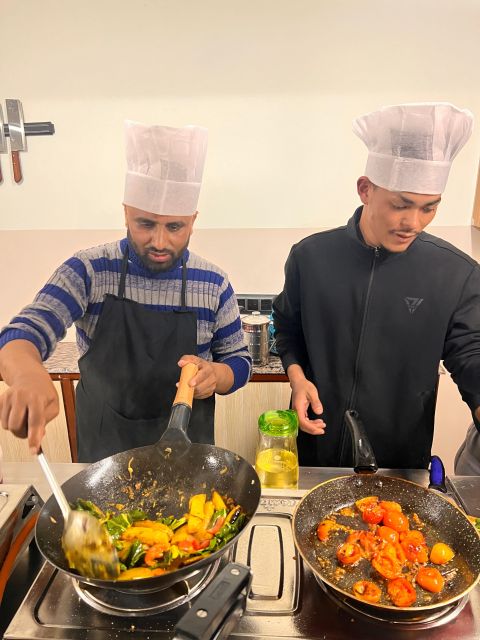
Depending on what you choose, you might end class with something comforting like thukpa or a dessert like yomari or carrot pudding.
- Thukpa is a hearty noodle soup, with origins in Tibetan cuisine that became part of Nepal’s food culture. Learning it in class is great if you want a warmer final dish that’s both filling and flavorful.
- Yomari is a sweet dumpling with jaggery and sesame seeds. If you’ve never had dessert that’s also shaped like a dumpling, this is the fun curveball.
- Carrot pudding sounds simple, but sweet Nepalese desserts often rely on careful balance. In class, you’ll learn how ingredients come together into something that feels more delicate than it looks.
If you want the “full Nepal” arc in one class, try adding either yomari or carrot pudding as one of your three picks. It’s a nice contrast to the savory cooking techniques you’ll practice earlier.
The teachers and the kitchen: what the class gets right
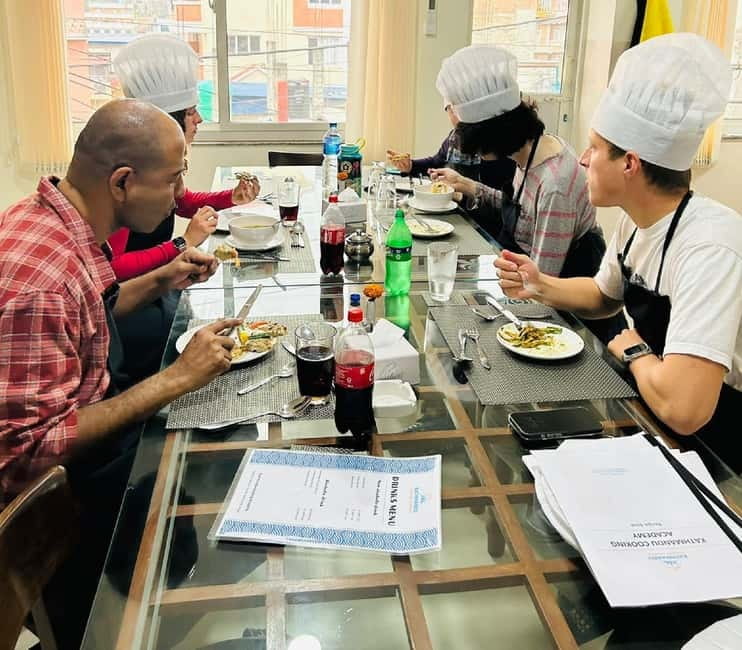
The teaching style is hands-on and friendly. In at least one case, two instructors named Bikram and Kamal were specifically praised for teaching guests how to make delicious Nepali food. That lines up with what you want: clear steps, patience when you’re chopping, and enough explanation that you don’t just memorize actions.
A couple other practical points matter too:
- The kitchen is reported as clean in the class experience.
- The class includes ingredients and equipment, so you’re not bringing supplies or worrying about missing tools.
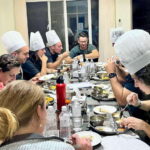
- You’ll also have an instructor and a helper working with the group, which helps if you’re slow at one step.
One detail that also stands out for value: if the class ends up small, you may still get full attention and still work through more than the minimum vibe. One guest reported being the only participant and still cooking the full menu. That doesn’t guarantee your situation, but it does suggest the setup can handle small groups well.
What’s included in the $29: value that’s more than a food ticket
At $29 per person for about 3 hours, this is priced like a small workshop, not like a restaurant meal.
Here’s what’s included:
- Ingredients and all equipment
- Instructor and helper
- Food and drink prepared during class
There’s also a complimentary tea or coffee when you arrive, which helps the first 10 minutes feel easy.
What’s not included:
- Beverages beyond what’s prepared during class
- Pick-up and drop-off (available as an extra charge if you’re staying outside Thamel)
- Accommodation or personal expenses
Why that makes it good value
You’re paying for four things at once:
- Cooking instruction,
- A guided selection of dishes,
- All the raw ingredients,
- The meal you produce.
If you’ve ever done cooking classes where you’re paying for the privilege of “learning” with empty stomach and no ingredients, this setup feels more grounded. You cook, you eat, you take away technique—not just photos.
Your likely flow during the class (and how to enjoy it more)
The timeline is pretty straightforward:
- Meet at the office building near the kitchen.
- Get a tea or coffee welcome.
- Choose any three dishes from the menu.
- Prep ingredients with guidance.
- Cook your dishes with the chef-instructor and helper supporting you.
- Sit down and eat the food you made.
To get the most out of those three hours, bring an open mind. Some dishes may look unfamiliar, but that’s part of the fun. You don’t need to know what the final dish should taste like. The chef guidance helps you adjust seasoning and technique as you go.
Also, don’t rush. A cooking class rewards patience. If you’re tempted to speed ahead to finish and eat faster, you’ll miss the learning moments that make dal bhat, momos, and chatamari click.
Who this cooking class is best for (and who should skip it)
This is a strong fit if:
- You want a hands-on way to experience Nepali food beyond one restaurant dinner.
- You like building repeatable skills (especially if you want to make dal bhat again later).
- You’re staying near Thamel and want an easy 3-hour activity.
You might skip it if:
- You’re expecting a long, multi-course feast covering every item on the menu. You choose three dishes, and time is part of the trade-off.
- You don’t like cooking at all and just want tasting. This class is meant for participation.
Should you book this Kathmandu cooking class?
If you want Kathmandu through your stomach and your hands, this booking makes sense. For $29 and about three hours, you get an instructor-led kitchen session, real ingredient prep, and a meal that comes from what you cooked—not just what’s served to you.
My decision rule: book it if you can pick three dishes that genuinely tempt you—especially if dal bhat, momos, and chatamari are on your mental list. If those match your food mood, you’ll leave feeling like you learned something you can actually repeat, not just like you ate once.
FAQ
How long is the cooking class?
The class lasts about 3 hours.
How much does it cost?
It’s listed at $29 per person.
What dishes can I cook?
You can choose any three dishes from the class menu, including options like dal bhat, momos, chatamari, bara, thukpa, and sweet items such as yomari and carrot pudding.
Where do I meet the class?
The cooking class is located in the same building as the office, and you’ll start from Shepherd Holidays.
Is pick-up and drop-off available?
Pick-up and drop-off is available as an extra charge if you’re staying outside Thamel.
What languages will the instructor speak?
The instructor can teach in English, Hindi, and Nepali.
Is free cancellation available?
Yes. You can cancel up to 24 hours in advance for a full refund. There is also a reserve now & pay later option.