REVIEW · KATHMANDU
Kathmandu Street Food Walking Tour – Eat Like a Local
Book on Viator →Operated by Himalayan Recreation Treks & Expedition Pvt.Ltd · Bookable on Viator
Food makes Kathmandu make sense. This half-day walk links street smells with local life, and you’ll learn the culture through Nepali cuisine as you move through old lanes. I really like how the tour keeps things hands-on and easy to follow, starting in Thamel and working toward the center of the city.
I love the way you’re treated like a true foodie on this one: you’ll taste at least five typical dishes and drinks, plus coffee and/or tea, and there’s bottled water and hot drinks included. You also get a guide who can explain what you’re eating and why it matters, and guides such as Krishna and Jamuna are the kind who connect food with daily life, religion, and city navigation.
One thing to plan for: Kathmandu Durbar Square entry costs extra if you go inside, and it’s a walking tour, so wear shoes that can handle uneven streets and crowds.
In This Review
- Key Things You’ll Notice on This Kathmandu Food Walk
- Kathmandu Street Food on Foot: What 3–4 Hours Adds Up To
- Thamel Start: A Calm First Step Into the Food Game
- Asan Market Lanes: Where Street Snacks Feel Like Local Life
- Kathmandu Durbar Square Time: Worth It, Plus Budget for Entry
- What You Eat: Tastings, Newari Specialties, and Drinks That Keep You Going
- Price and Value: Is $60 Fair for a Private Kathmandu Food Walk?
- Who This Tour Fits Best (And Who Should Skip It)
- Should You Book This Kathmandu Street Food Walking Tour?
- FAQ
- Where does the Kathmandu Street Food Walking Tour start?
- How long is the tour?
- Is this tour private?
- Is pickup offered?
- What food and drinks are included?
- Does the tour include Kathmandu Durbar Square entry?
- What if I want extra food beyond the scheduled tastings?
- Do I get a ticket for the tour?
- Is the tour near public transportation?
- Is free cancellation available?
Key Things You’ll Notice on This Kathmandu Food Walk
- Private guide, customized to your interests so you’re not stuck with a one-size-fits-all food route
- At least five tastings (dishes and drinks) plus coffee and/or tea, bottled water, and hot drinks
- Start in Thamel for quick orientation, then head toward older market lanes
- Asan Market in the middle where you’ll get a real feel for how locals shop and snack
- Durbar Square time is longer, but entry fees are not included
- Easy logistics with pickup offered and a mobile ticket
Kathmandu Street Food on Foot: What 3–4 Hours Adds Up To
A street food walking tour in Kathmandu is not about sitting in one place and collecting bites. It’s about learning how the city eats—by watching, tasting, and asking questions while you’re still standing where the food is made.
This one runs about 3 to 4 hours and it’s designed around movement: narrow lanes, short stretches between stops, and enough time at the key areas to actually notice what’s going on. If you like city-walk energy and you don’t want a bus ride between meals, you’ll probably enjoy the pacing.
Also, this is a private tour, meaning it’s only your group. That matters more than it sounds. With a smaller group, you can slow down where something smells great, ask why a spice blend shows up again and again, and get guidance on where to stand without feeling in the way.
One more practical point: it’s labeled as best suited for mobile travelers. That’s your hint to bring comfortable walking shoes and expect uneven pavement and crowding, especially around market areas.
You can also read our reviews of more walking tours in Kathmandu

Thamel Start: A Calm First Step Into the Food Game
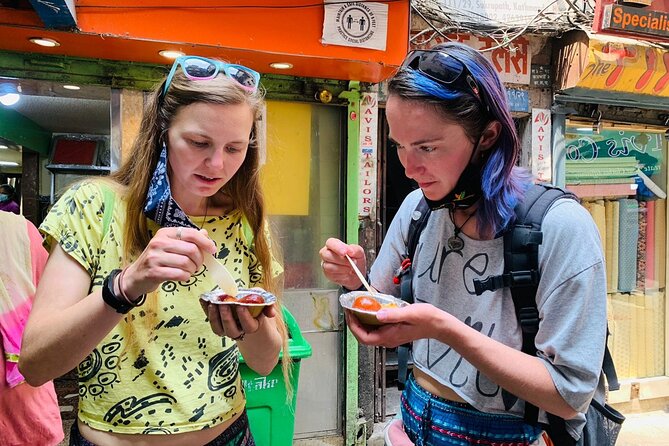
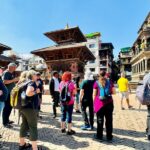
The tour begins in Thamel. You get only about 15 minutes here, but think of this as your launchpad, not a main meal stop. In a city like Kathmandu, the first few minutes can make the rest of the walk either smooth or stressful. This early stop helps you get your bearings fast and learn what to look for as you head into busier lanes.
Thamel is also a good place to start because it’s easy to find and a common base area for visitors. So even if you’re still adjusting to Nepal’s street rhythm, you’re not thrown into the deepest maze first.
What you’ll likely appreciate is that your guide can set the tone immediately: what you’ll eat, what to expect from the flavors, and how to navigate the walk ahead. Guides like Jamuna are praised for doing exactly that—helping people manage the streets when you’re not yet sure where you should be standing, turning, or crossing.
If you’re the type who likes food tours but hates feeling rushed, the Thamel start helps. You’ll still be moving, but you won’t feel lost right away.
Asan Market Lanes: Where Street Snacks Feel Like Local Life
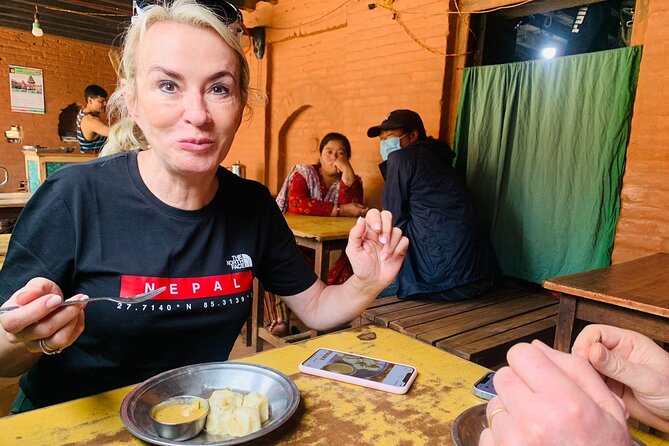
After Thamel, the walk shifts toward Asan, a lively area between Durbar Square and Thamel. This part gets about 30 minutes, which is just long enough for multiple tastings without burning the whole afternoon.
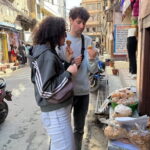
Asan is where the tour’s “eat like a local” promise really starts to show. Market lanes mean variety: different vendors, different smells, and small routines that repeat throughout the day. You don’t just taste food here—you see how people choose it and how they move through the area while eating.
The best part is that your guide doesn’t only point at dishes. People walk away liking the explanations tied to culture and daily life—how religion and community show up in what gets cooked and served. In the feedback for this tour, guides such as Krishna and Jamuna stand out for connecting food with Nepalese culture and cuisine, not treating tastings like random samples you swallow and forget.
For you, that means each bite has context. You’ll be better at recognizing what you like and how to order it later. Even if you don’t plan to recreate the dishes at home, you’ll at least understand the logic behind the flavors—why something is offered alongside a drink, or why certain specialties keep appearing.
A small caution: market areas can be crowded and busy with movement. If you’re traveling with anyone who gets overwhelmed in tight spaces, choose calm pacing during this segment. The private nature of the tour helps here because your guide can adjust how you move as the crowd level rises.
Kathmandu Durbar Square Time: Worth It, Plus Budget for Entry
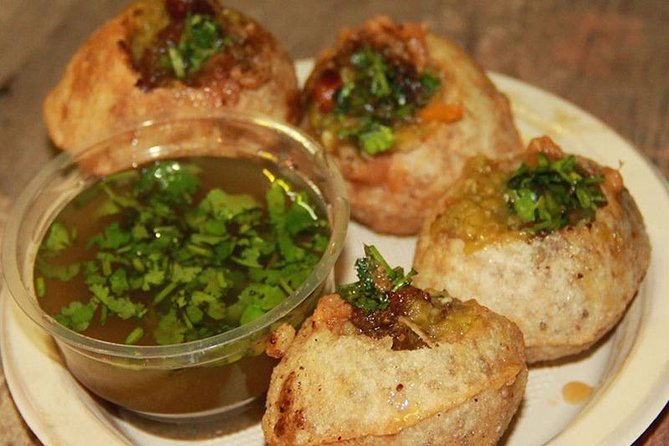
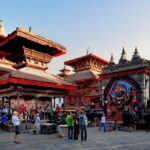
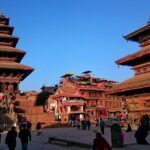
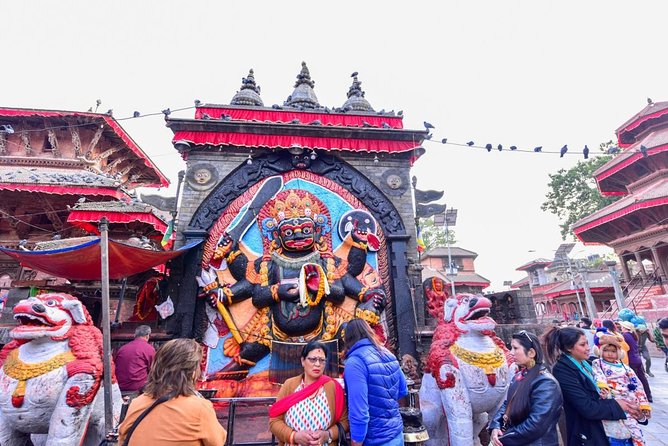
The walk then reaches Kathmandu Durbar Square. This is the longest stop at about 2 hours, and it’s where the tour’s “food + city” blend becomes very real.
One key detail: Kathmandu Durbar Square admission is not included. So if you want to go inside or pay for entry, you’ll need to cover those fees separately. This is the one cost that can change your total budget, depending on what you choose to do once you’re there.
Even without going deep into ticketed areas, Durbar Square is the kind of place where your guide’s narration matters. You’ll be standing among old walls and monuments while eating your way through the day. That combination helps you link flavors with place—street food isn’t random here. It’s part of how the city lives around major cultural spaces.
Why the Durbar Square stop is valuable: it gives the walk a “big finish” feeling. You’re not only learning with your taste buds; you’re also learning with your eyes. And two hours is enough time to enjoy the area instead of treating it like a quick photo stop.
Practical tip for you: wear sunscreen or a light layer you can adjust. Kathmandu mornings and afternoons can change quickly, and you’ll be outside during the Durbar Square segment. Also bring patience for walking distances and crowd flow.
What You Eat: Tastings, Newari Specialties, and Drinks That Keep You Going
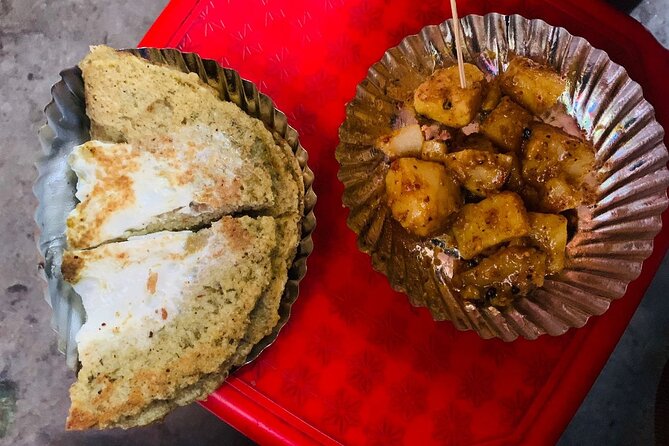
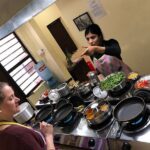
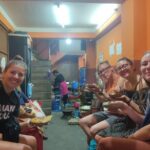
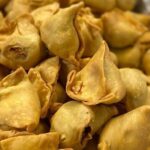
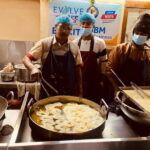
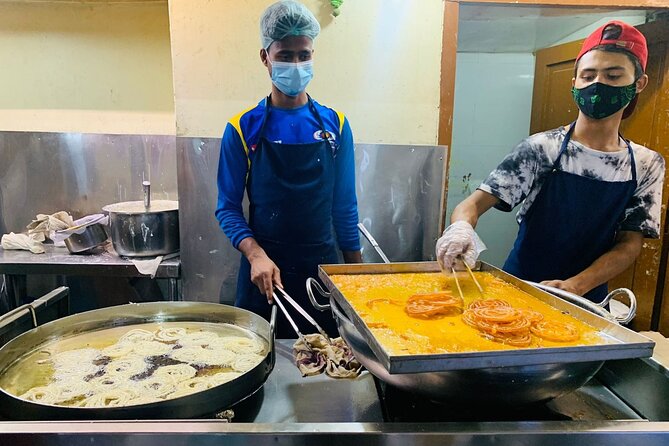
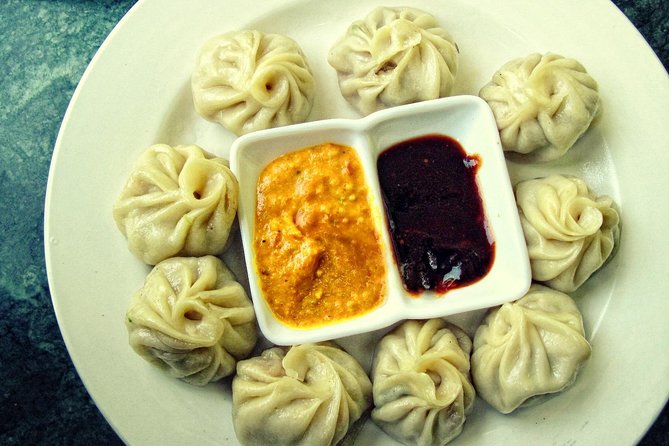
This tour is designed around food you might not easily find on your own. The big promise is food samples plus drinks, and the route is set up to include Nepali and Newari specialties.
Here’s what’s included in the tasting flow:
- Coffee and/or tea
- Hot drinks along the way
- Bottled water
- A tasting minimum of five typical dishes and drinks
- The guide encourages you to eat as much as you can, up to your comfort level, within the tour’s scope
That’s more value than it sounds like at first glance. Many food tours advertise a few small bites. This one sets a higher minimum tasting count, which matters if you’re hungry or you want more variety than just one appetizer and a sweet.
Also, the drink inclusion is a sneaky win. Warm tea or coffee can reset your palate between tastings. Water helps you avoid the classic food-tour mistake of tasting too much, too fast, and then feeling wiped out before you enjoy the rest of the day.
A note on the “scope” part: food and beverage not within the scope of the tour aren’t included. So if you spot something you really want beyond what the guide plans, you’ll likely pay extra. That’s normal, but it’s good to know so you don’t expect unlimited everything.
If you like your tours to be educational, this is a good match. The guides featured in the tour feedback are praised for weaving culture, city life, religion, and navigation into the food. That’s exactly the kind of explanation that turns tastings into understanding, especially with Newari food traditions.
You can also read our reviews of more food & drink experiences in Kathmandu
Price and Value: Is $60 Fair for a Private Kathmandu Food Walk?
The price is $60 per person, and on average it’s booked about 24 days in advance. For Kathmandu, the value comes from a few concrete things.
You’re paying for:
- A private guide
- Multiple tastings with a stated minimum of five dishes and drinks
- Coffee and/or tea
- Hot drinks and bottled water
- A focused walking route through central Kathmandu, including Thamel, Asan, and major time at Durbar Square
If you break it down by included items, it’s not just “a guide and a wander.” The guide helps you access places and situations you might not manage confidently alone—especially in market lanes where navigation and vendor etiquette can be confusing at first. That “how to move through the streets” part is a big reason people come away impressed.
Still, be realistic about where extra costs can show up. The only clearly stated extra is Durbar Square entrance fees, plus anything outside the tour’s food and drink scope. So your true spending can be a little more than the headline price, depending on your choices at Durbar Square and any extra snacks you want after included tastings.
So is it fair? For a private, tasting-focused half-day that includes drinks and water, yes—especially if you’re the kind of traveler who wants value from information, not just calories.
If you’re the type who already has your street navigation perfected and you only want one or two foods, you might decide a cheaper option works. But if you want guided variety, explanations, and a solid tasting minimum, this price usually makes sense.
Who This Tour Fits Best (And Who Should Skip It)
This tour is a strong fit if you want:
- A walking food experience in central Kathmandu
- A private guide who can explain what you’re eating and how the city works
- A chance to taste Newari specialties you might not find easily on your own
- Drinks included with tastings, not just one water bottle and vibes
You might consider another plan if:
- You don’t enjoy walking through busy, narrow streets
- You’d rather pay only for your own meals and skip organized tastings
- Durbar Square entry fees would be a dealbreaker for your budget
Based on how the tour guides are described in the feedback, the guides are good at pacing and communication. That’s helpful if you’re unsure how to navigate areas like Asan. Jamuna is specifically praised for teaching how to navigate the streets, which is exactly the kind of support that improves the whole experience.
Should You Book This Kathmandu Street Food Walking Tour?
I’d book it if you want a guided way to eat like a local without turning your day into a chaotic hunt for good food. The combination of a private guide, at least five tastings, and included drinks makes it feel like real value, not just a branded stroll. Plus, the route gives you both market energy (Asan) and a cultural anchor point (Durbar Square).
I’d pause before booking if you already know you’ll be short on walking tolerance or if Durbar Square entry fees would push the experience outside your comfort budget. In that case, you can still enjoy Kathmandu food, but you may want a simpler plan.
If you decide to go, do yourself a favor: wear comfortable shoes, bring an appetite, and be ready to ask questions. A good guide can make street food turn into a story you understand, not just flavors you ate.
FAQ
Where does the Kathmandu Street Food Walking Tour start?
The tour starts in Thamel, Kathmandu 44600 Nepal.
How long is the tour?
It runs about 3 to 4 hours.
Is this tour private?
Yes. It’s a private tour/activity and only your group participates.
Is pickup offered?
Yes. Pickup offered is included as an option.
What food and drinks are included?
Included items are coffee and/or tea, hot drinks, bottled water, and you’ll have tastings of a minimum of five typical dishes and drinks.
Does the tour include Kathmandu Durbar Square entry?
No. Entrance fees to Kathmandu Durbar Square are not included, if you choose to go inside.
What if I want extra food beyond the scheduled tastings?
Food and beverage not within the scope of the tour is not included, so you’d pay for anything extra.
Do I get a ticket for the tour?
Yes. The tour uses a mobile ticket.
Is the tour near public transportation?
Yes. It’s noted as near public transportation.
Is free cancellation available?
Yes. You can cancel for a full refund up to 24 hours before the experience starts.