REVIEW · POKHARA
Independent Trekking Guide in Pokhara
Book on Viator →Operated by Trekking Guide in Pokhara · Bookable on Viator
Choosing the right Annapurna trek can feel like a puzzle. This private guide approach turns it into a plan you actually understand, with help deciding the route, plus a team that organizes permits, transport, lodging, and food. I really like the custom fit to your ability and goals, and I also like that you’re not just trekking—you’re learning, with a guide who’s a photography-minded trainer (Roshan, mentioned in past client notes).
Here’s the other big win: you’ll get key trekking gear like trekking poles, a sleeping bag, rain ponchos, and a head lamp, which matters when you want to travel lighter. The one consideration: the price you see is for 1 trekking day, not a fixed whole-trek amount, so your total cost depends on the length you choose.
If you want Annapurna but don’t want to guess, this is a strong way to go.
In This Review
- Key Reasons This Guide-First Trekting Style Works
- Why a Private Guide Turns Annapurna Into Your Trip
- Price and Value: $50 Per Group, But Think in Days
- What Your Days Look Like on the Trail (Without the Guesswork)
- A typical day starts with a real plan
- Midday is about pace, rest, and views you can actually enjoy
- Evenings are guided by the “tea house” rhythm
- There’s also a learning component baked into the trek
- Permits, Transport, Food, and Lodging: The Stuff You Don’t Want to Handle
- Gear That Reduces Friction on Day One
- Safety Prep Without Drama
- Who This Guide Style Is Best For
- The Fast Decision Checklist: Should You Book?
- FAQ
- FAQ
- Is this trek private for just my group?
- Where does the trekking start from?
- How much does it cost?
- How long is the trek?
- What’s included in the price?
- Are permits and transport included?
- Can I get a porter?
- What gear does the guide provide?
- What if the weather is bad?
- What kind of fitness level do I need?
Key Reasons This Guide-First Trekting Style Works
- Trek choice that matches your goals: You tell the guide what you want, and they recommend the best option for your group and fitness level.
- Teahouse logistics handled: You’ll be routed to tea houses for lodging and food on the trail, with support from the guide’s planning.
- Gear support up front: Poles, sleeping bag, waterproof ponchos, and head lamps are included to reduce last-minute stress.
- Photo help built into the experience: The guide shares photography explanations and carries specialized camera gear for better mountain-scene moments.
- Private group flexibility: Only your group participates, so pace and day-to-day decisions can stay in your hands.
- Optional full package for the rest: You can book a complete package that can include guides, porters, meals, accommodations, transport, and permits.
Why a Private Guide Turns Annapurna Into Your Trip
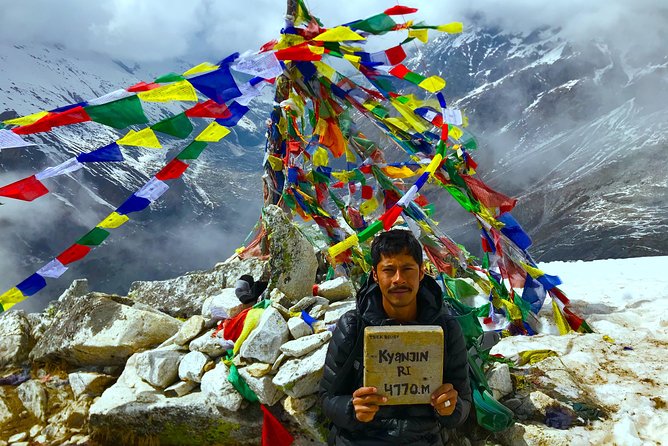
Annapurna is not one trek—it’s a menu. The difference with this setup is that you’re not starting with a pre-set route and praying it matches you. Instead, you share details about your experience and what you want to feel on the trail, and the guide helps you pick the best trek and length for that.
I like that it stays practical. There’s no vague promise—your guide organizes permits, transport, lodging, and food. That means you spend your energy where it belongs: moving, breathing, and taking in the Himalaya.
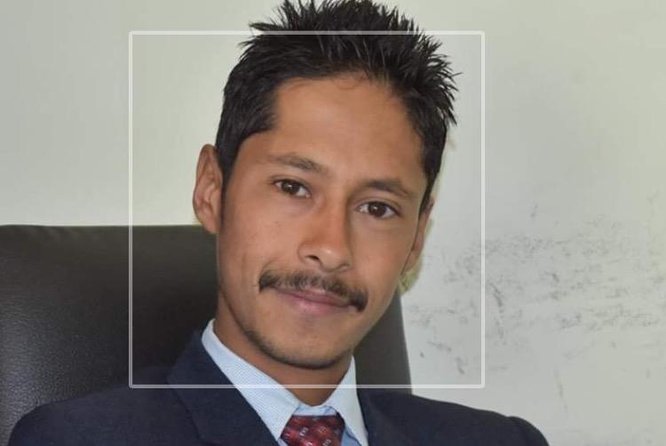
The other thing I appreciate is how the guide frames the experience. Roshan is not only a trekking guide; he’s also a Trekking Guide Trainer connected with Nepal’s Ministry of Tourism, and he works as a landscape photographer. In plain terms, that often translates into better guiding habits: clear explanations, thoughtful pacing, and a sense of what matters to visitors beyond just checking boxes.
Possible drawback to keep in mind: if you’re a super strict planner who already bought every inch of your schedule, the flexibility is helpful but you may still need to make choices once you arrive. The trek recommendation is based on your details, not a one-size plan.
You can also read our reviews of more guided tours in Pokhara

Price and Value: $50 Per Group, But Think in Days
The headline price is $50 per group (up to 8), and on average people book about 93 days in advance. That group pricing is fair, especially if you’re traveling with friends or family and can split the cost.
Here’s the key value detail: the listed payment is for 1 trekking day, not the whole trek. So if you go for an approximate 5-day trek, the guide-day cost will scale with how many trekking days you select. That sounds obvious, but it’s the difference between a “cheap trek” and the real total price you’ll pay.
Also note what’s and isn’t included. The guide’s service is included, and the guide’s food, accommodation, and insurance are included too. But your meals and lodging are not automatically included unless you book a full package. Permits, tickets, and transportations are also typically part of that full package setup.
So here’s how I’d do the math in a way that keeps you in control:
- If you’re comfortable arranging meals and stays yourself on the trail, the guide-day rate may be enough.
- If you want the trail to feel like a smooth, planned flow—permits to tea-house nights to transport—then the full package is where you’ll likely feel the value most.
If you’re cost-sensitive, ask yourself one question: do you want to manage logistics daily, or do you want someone else to handle it.
What Your Days Look Like on the Trail (Without the Guesswork)
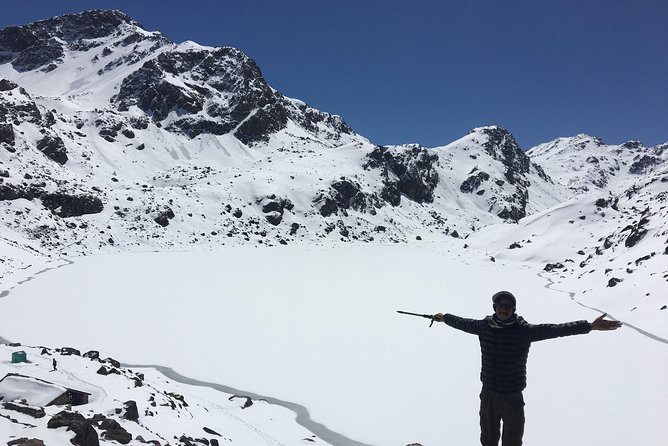
Your guide can choose the best trek option, and you can also choose the trekking days based on your preferences. So instead of promising exact towns and switchbacks (which would depend on the route you select), here’s what your day-to-day experience is designed to deliver.
A typical day starts with a real plan
You meet around 8:00 am at the start point. If your chosen trek begins outside Pokhara—Annapurna Circuit, Langtang, and Gosaikunda—the guide states they can pick you up from Kathmandu. For other treks, the start is from Pokhara.
Before you hike, your guide’s value shows up fast: logistics come first. Permits, transport coordination, and tea-house planning reduce the mental load of figuring out what comes next.
Midday is about pace, rest, and views you can actually enjoy
On the trail, your guide keeps the day readable. Tea house stops aren’t just for eating—they’re for resetting your energy so you can keep a sustainable pace. That matters if your group has mixed fitness levels.
You can also read our reviews of more hiking tours in Pokhara
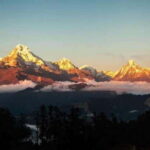
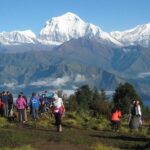
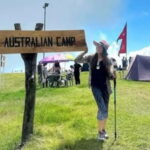
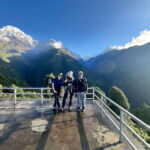
Evenings are guided by the “tea house” rhythm
The guide arranges lodging and fooding in tea houses on the trails. This is one of those details that sounds small until you’re there: having your nights handled means you don’t waste the day negotiating rooms or searching for options with limited time.
There’s also a learning component baked into the trek
Because Roshan blends guiding with training and photography, expect explanations tied to what you see. The guide offers photography tips plus discussions about natural, cultural, socio-economic, and geographical aspects of Nepal based on your interests.
If you’re the type who gets bored on long drives unless someone points out what you’re seeing, this is where the experience can feel richer.
Trade-off to expect: if your group wants to move fast, the guide may still recommend pacing that keeps you comfortable. That’s not a dealbreaker—just understand that safety-first preparation is part of the model.
Permits, Transport, Food, and Lodging: The Stuff You Don’t Want to Handle
Trekking in Nepal requires more than boots and enthusiasm. This guide system is built around the behind-the-scenes tasks that usually eat up your time.
When you book a full package trek, the guide can include:
- Trekking guide and porters
- Foods and accommodations
- Transports
- Trekking permits
Porters are mentioned as available for extra charge at USD 20 per porter/day, and they can help up to 20 kg of luggage. If you’re trying to keep your pack light (and your knees happier), this is the part you should pay attention to.
If you book only the guide-day service, then permits, transport, and your meals/lodging may not be covered. The good news is the guide makes it clear that you can also change treks later or cancel for free after contact, so you don’t have to lock your plan in stone immediately.
Where this becomes real value: permits and transport can turn into a chain reaction. If one piece is delayed, your whole day can wobble. With a guide handling the chain, your trek has fewer stress points.
Gear That Reduces Friction on Day One
One of the best parts of this guide setup is that they show up prepared with practical gear:
- Trekking poles
- Sleeping bag
- Pair of rain ponchos (waterproof)
- Head lamp
That’s not just comfort. It’s a way to keep small problems from becoming big ones. Cold hands, sudden rain, or poor light can ruin momentum. With these items provided, you’re less likely to make emergency purchases or adapt on the fly.
The experience also includes photo support tools carried by the guide:
- 8×21 Bushnell binoculars
- A Canon 5D Mark IV DSLR with a landscape lens carried by the guide
You might not need pro-grade camera support every day, but it changes the tone of the trek. When someone can help you frame what you’re seeing and explain how to capture it, you often end up noticing more details on the trail.
One consideration: service items are provided for trekkers and camera gear is carried by the guide, but it doesn’t mean you can skip packing personal essentials. You’ll still want your own basic trekking items. Just don’t assume you need to buy everything before you arrive.
Safety Prep Without Drama
The guide says they get prepared to the highest extent possible for safety. That matters because trekking isn’t only about views—it’s about staying steady on the trail and having the right tools if weather shifts.
Two safety-related details stand out in the information you’re given:
- You should have moderate physical fitness
- The guide provides key items like rain ponchos and head lamps, which help in low-light or wet conditions
Also, the experience is private, so your pace and needs can be adjusted for your group rather than everyone being forced into the same schedule.
Weather is mentioned as a condition of the experience. If it’s canceled due to poor weather, you’ll be offered a different date or a full refund. That’s the kind of policy you want for mountains, where plans can change fast.
Who This Guide Style Is Best For
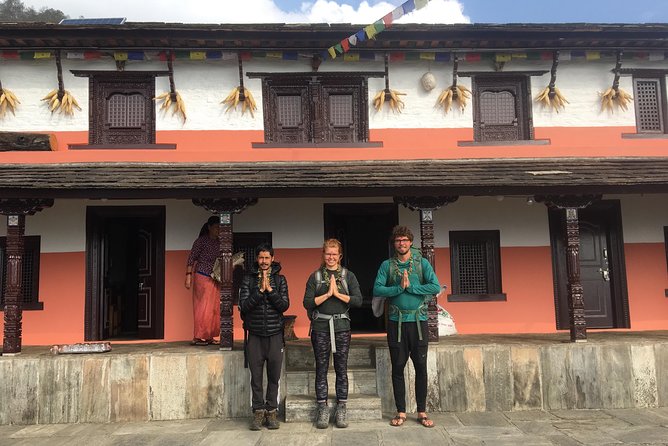
This is a private tour/activity, meaning only your group participates. That makes it especially good if you:
- want a bespoke route that matches your ability and desire
- prefer fewer group compromises
- value coaching and explanations, not just route-following
It also fits well if you’re traveling with mixed experience levels. The guide is explicitly in charge of recommending the trek based on your group’s details, which can reduce the awkwardness of planning around one person’s limits.
If you’re a photographer, or even just a person who likes getting good shots, the binoculars plus DSLR and the guide’s photography training can make the trek feel more intentional.
And if you’re traveling with a disability-friendly mindset or need a practical accommodation, service animals are allowed. (If that applies to you, it’s worth mentioning in advance so everyone stays comfortable.)
The Fast Decision Checklist: Should You Book?
Book this if you want a trek where the hardest part—choosing the route and handling logistics—gets managed for you. You’ll get private guiding, help with permits and planning (especially in a full package), practical gear support, and photography-minded explanations.
Don’t book this if you already have every detail locked in and you want to run your own permits, transport, and tea-house stays without help. Also, go in with the right expectation about pricing: it’s per trekking day, so your total depends on the duration you choose.
If you’re unsure which Annapurna trek fits you, that’s basically the reason this style of guiding exists. When the guide can tailor the trek to your ability and goals, you spend less time guessing and more time enjoying the Himalaya.
FAQ
FAQ
Is this trek private for just my group?
Yes. It’s described as a private tour/activity with only your group participating.
Where does the trekking start from?
Start points depend on the trek. Some treks (Annapurna Circuit, Langtang, and Gosaikunda) include pickup from Kathmandu. Other treks start from Pokhara.
How much does it cost?
The price is $50.00 per group (up to 8). The information also says the price mentioned is for 1 day only, not the whole trek.
How long is the trek?
The duration is listed as 5 days approximately, but the guide can arrange treks for any duration you’d like, based on what you choose.
What’s included in the price?
Included items include an English-speaking professional trekking guide, plus trekking poles, a sleeping bag, rain ponchos, and a head lamp. The guide also has food, accommodation, and insurance included. Meals and lodging for you, as well as permits and transport, can be included if you book a full package.
Are permits and transport included?
They can be included in a full package booking. Permits, tickets, and transportations are listed as not included unless you choose the full package option.
Can I get a porter?
Yes, porters are available for an extra charge of USD 20 per porter/day. Porters can help carry luggage up to 20 kg.
What gear does the guide provide?
The guide provides trekking poles, a sleeping bag, pair of rain ponchos, and a head lamp.
What if the weather is bad?
The experience requires good weather. If it’s canceled due to poor weather, you’ll be offered a different date or a full refund.
What kind of fitness level do I need?
The guidance says travelers should have moderate physical fitness level.