REVIEW · POKHARA
Kathmandu/Pokhara: 5-Day Annapurna Base Camp (ABC) Trek
Book on GetYourGuide →Operated by Cordial Trek Pvt. Ltd. · Bookable on GetYourGuide
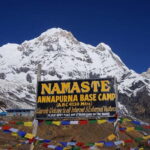
A steep climb to 4,130 meters in just five days. This trek is interesting because you move fast through big scenery zones: forested trails and waterfalls, then the Annapurna Sanctuary, and finally the classic Annapurna Base Camp payoff. I also like that you’re not doing this with a guessing game; you hike with a licensed guide and rely on guesthouses along the way.
My favorite part is the human pace. The route strings together traditional villages, terraced farmland, and stops like Jhinu Danda hot springs, so the days feel like more than just grinding uphill. If you’re lucky with conditions, you get a sunrise moment that makes the effort feel fair.
One thing to weigh before you book: you’ll still cover serious distances and altitude for a short timetable. Even at 5 days, you should plan for tired legs, cold nights, and wet feet in bad weather, because tea-house trekking is simple comfort, not luxury.
In This Review
- Key Things I’d Pay Attention To
- Getting There: Pokhara Launchpad or Kathmandu Flight
- Day 1: Simrung to Sinuwa Through River and Rainforest Energy
- Day 2: Waterfalls and Dense Forest to Deurali (up to 3,230 m)
- Day 3: Deurali to Annapurna Base Camp via Machhapuchhre Base Camp
- Day 4: Sunrise at ABC, Then Back Down Toward Bamboo/Sinuwa
- Day 5: Jhinu Danda Hot Springs, Then the Drive Back to Pokhara
- Guide and Service: Why People Keep Praising the Same Kind of Help
- What’s Included vs. What You’ll Still Pay For
- Packing: The List That Keeps You Warm and Moving
- Weather and Season: Cold Starts, Wet Feet, and Realistic Temperatures
- Price Breakdown Reality Check
- Should You Book This 5-Day ABC Trek?
- FAQ
- Do I start the trek in Kathmandu or Pokhara?
- How high does this trek go?
- What gear is included or provided for the trek?
- Are meals and hot springs included?
- What language will my guide speak?
- Is this trek suitable for people with mobility issues?
Key Things I’d Pay Attention To
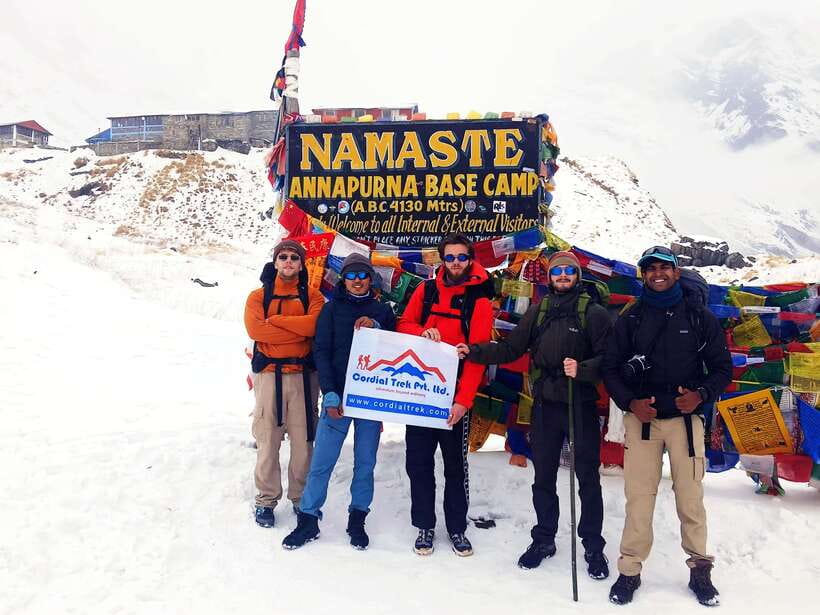
- Annapurna Base Camp at 4,130 m: the big objective, reached on day 3
- Machhapuchhre Base Camp valley route: a memorable valley approach, not just a straight line
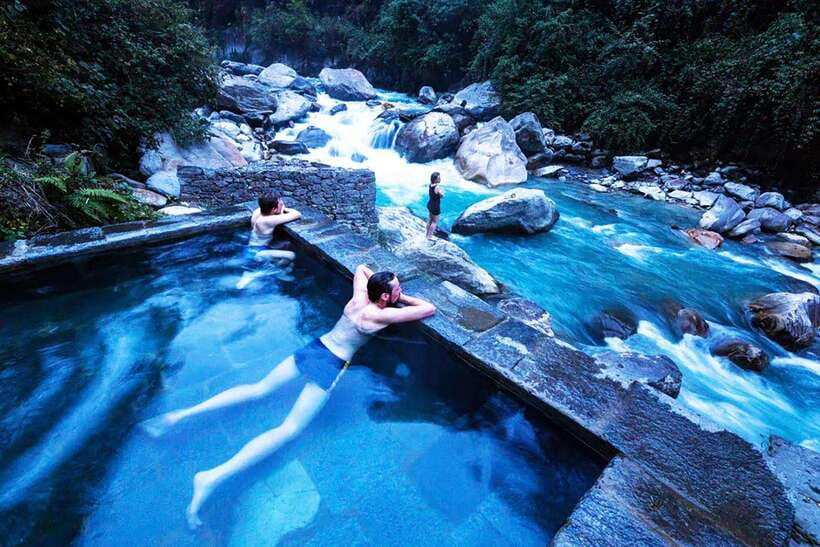
- Jhinu Danda hot springs on the return day: a real reward after the hardest legs
- Licensed guide support in English and Hindi: useful for pace, safety, and decision-making on trail
- Borrowed trekking essentials included: down jacket, sleeping bag, and trekking poles (when needed)
- Guesthouse nights with practical limits: expect cold rooms and basic services, no Wi‑Fi/hot showers
Getting There: Pokhara Launchpad or Kathmandu Flight
This trek is built around two easy start options, and that matters when you only have five days.
If you start in Kathmandu, you take a short flight to Pokhara (about 30 minutes), then you’re in motion right away. From Pokhara, you drive roughly 2–3 hours toward Simrung via Nayapul. From your side, the win is that you lose less time to road travel than you would on a longer overland approach.
If you start in Pokhara directly, you still get that same 2–3 hour drive to Simrung. Either way, the first day is the “transition day”: a drive, then a solid trek to Sinuwa where you sleep at around 2,340 m.
A small logistics detail I appreciate: the plan includes hotel pickup and drop-off in Pokhara (and Kathmandu if your flight option includes it), so you’re not stuck figuring out connections with a tight schedule.
You can also read our reviews of more hiking tours in Pokhara
Day 1: Simrung to Sinuwa Through River and Rainforest Energy
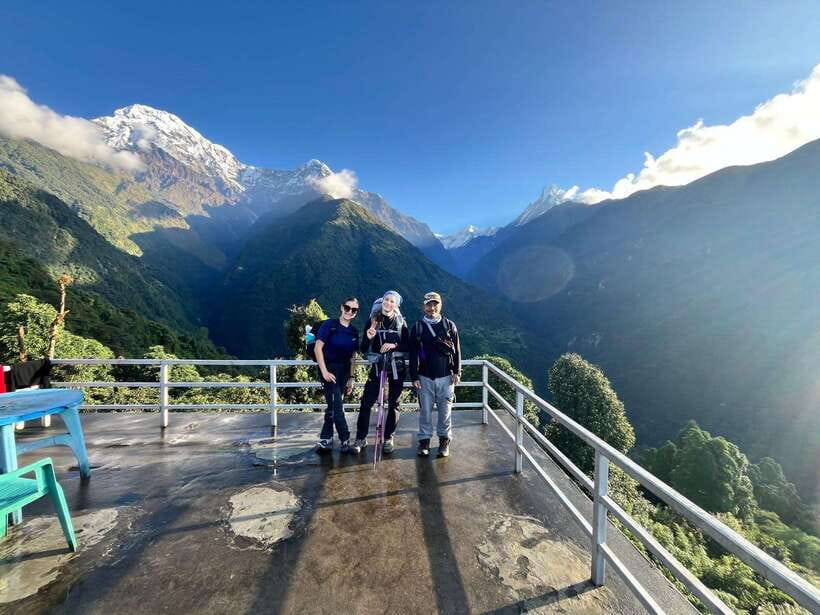
Day 1 is where your body learns the rhythm. You drive from Pokhara to Simrung, then trek roughly 10–11 km for 5–6 hours from Simrung to Sinuwa.
Sinuwa is more than a dot on the map. This is the kind of tea-house stopping point where you’ll see how Nepal trekking actually works: other hikers shuffling in with wet boots, locals running small guesthouses, and everyone quietly comparing notes on weather and trail conditions.
I like that the first climb is serious but not cruel. You’re gaining altitude toward Sinuwa (up to about 2,340 m), and you get a night in the “mountain routine” before the real altitude work begins.
Potential drawback for day 1: if you arrive from Kathmandu and the flight or timing is tight, you might feel jet-lagged energy for the first few hours. Plan to take it slow early and settle into breathing before you start pushing pace.
Day 2: Waterfalls and Dense Forest to Deurali (up to 3,230 m)
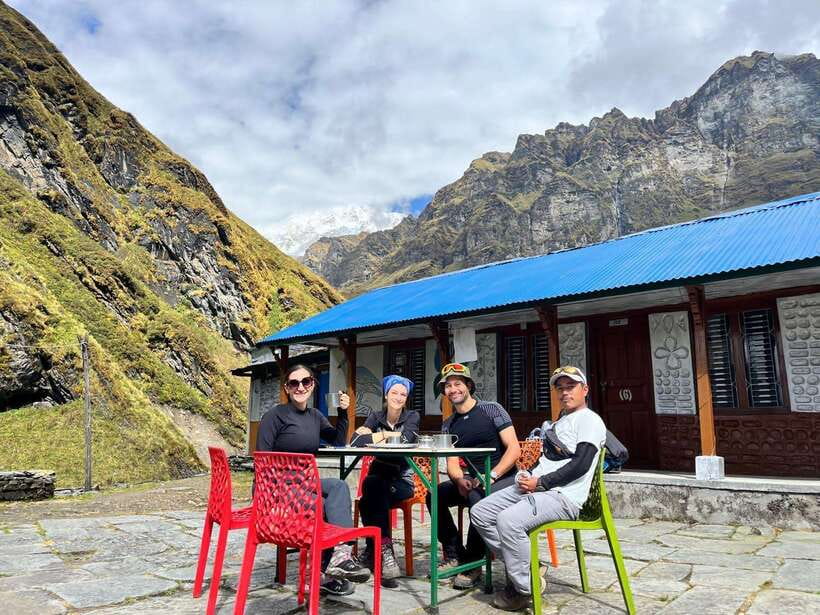
On day 2, you trek 10–11 km for 5–6 hours from Sinuwa to Deurali, passing through Himalaya, a small settlement with tea houses.
This is the day of dense forest and waterfalls. The trail atmosphere is the kind that makes you look up from your footing and forget you’re working hard. In Nepal, those forest days often mean shaded walking, then sudden bursts of view through branches. It’s a nice mental break.
Deurali is your overnight at up to about 3,230 m. The practical truth: guesthouse nights get colder fast at these heights, and the air feels thinner even when the trail doesn’t look too steep on paper.
The “consideration” here is acclimatization in a short timeframe. Day 3 goes higher, so you want to keep your effort controlled today—arrive calm, drink water steadily, and avoid racing the top of any climb.
Day 3: Deurali to Annapurna Base Camp via Machhapuchhre Base Camp
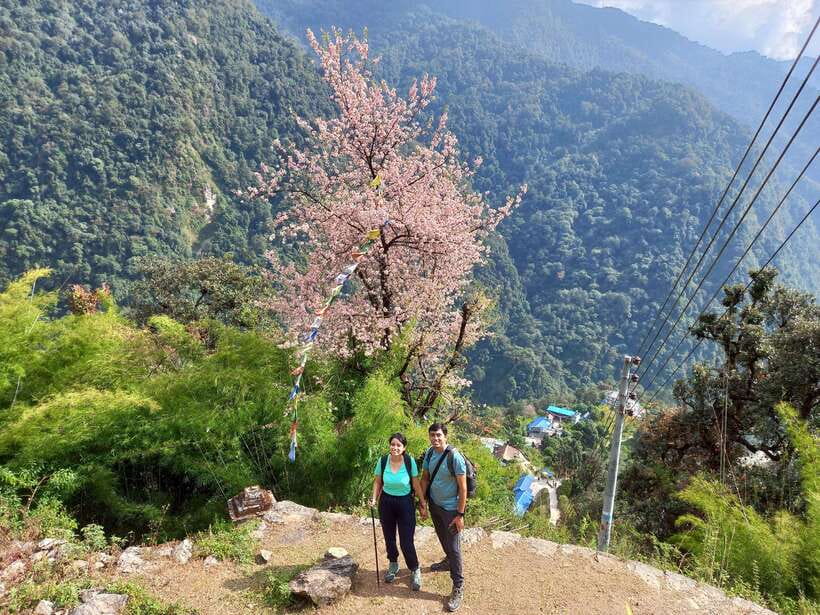
Day 3 is your big summit day, even if you’re not technically “summitting” a peak.
You hike 10–11 km for 5–6 hours from Deurali to Annapurna Base Camp (ABC), moving via Machhapuchhre Base Camp (MBC). You’ll pass through the MBC valley, then continue until the day ends at ABC, where the trek tops out at about 4,130 m.
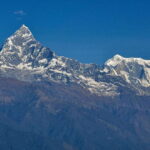
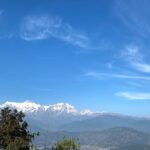
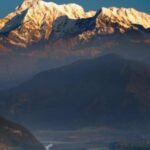
This is one of the most rewarding kinds of hiking routes: the final approach isn’t just a flat slog. As you rise, the air gets sharper, the sky can feel closer, and the mountains look different—bigger in a way that photos often struggle to recreate.
You can also feel the social rhythm change. Near ABC, it’s more crowded than you might expect for such a high place, and you’ll likely share viewpoints with people who’ve climbed their own way to the same goal. The guide’s job here is not just pacing; it’s helping you time breaks and take photos without turning the day into a chaos sprint.
Possible drawback: if you’re sensitive to altitude or you push too hard in the morning, ABC day can feel tougher than the walking time suggests. This is exactly where having a good guide helps—many of the guides associated with this trek have emphasized safety, calm support, and steady check-ins in real situations.
Day 4: Sunrise at ABC, Then Back Down Toward Bamboo/Sinuwa
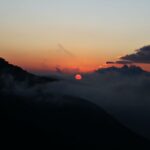
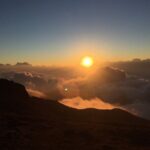
Day 4 starts with one of the best perks of ABC: sunrise. The plan is to witness a spectacular sunrise in the morning, then trek back 7–8 hours over about 12–14 km, returning to Bamboo/Sinuwa via Deurali, Himalaya, and Dobhan.
This is the day that tests your legs. Even though you’re descending and the altitude gradually lowers, you’ll likely feel your knees and ankles by late afternoon. Long downhill walking is harder than it looks because your body can’t switch off: you’re constantly braking.
Still, I love this structure. Day 3 delivers the “wow,” and day 4 gives you the “linger.” You’re coming back through the same corridors of forest and settlement, but with new appreciation because you’ve now seen where it all leads.
Practical drawback: sunrise hikes can mean very cold starts. Pack warm layers you can actually access quickly, not just gear you hope you’ll find in the dark.
You can also read our reviews of more tours and experiences in Pokhara
Day 5: Jhinu Danda Hot Springs, Then the Drive Back to Pokhara
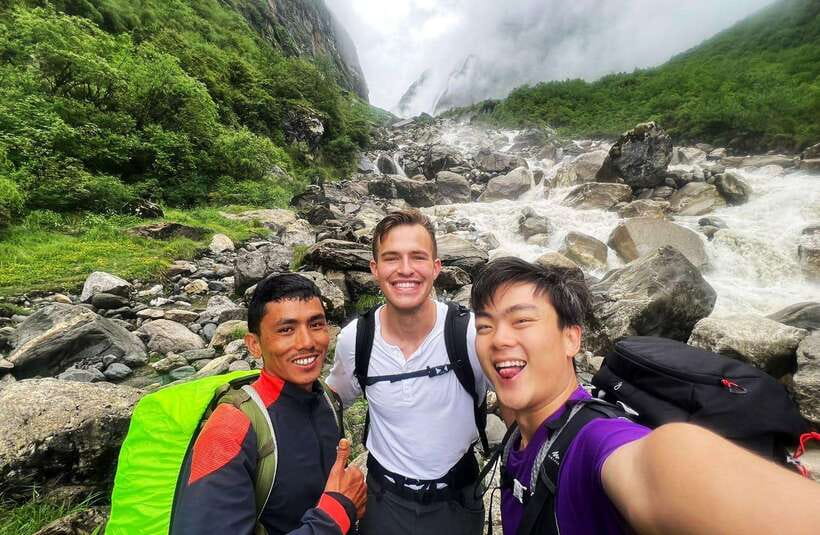
Day 5 is the payoff for all that hard walking. You trek 7–8 km for 4–5 hours from Bamboo/Sinuwa to Simrung via Jhinu Danda.
Jhinu Danda is your hot springs stop. It’s a real morale booster because you’re moving from cold altitude into heat and steam. Your legs get a chance to reset, and your mind gets to stop calculating the next steep step.
After the hot springs, the trek ends and you drive back to Pokhara (about 2–3 hours), then you get dropped at your hotel in Pokhara by no later than 17:00. If your plan includes a Kathmandu return, you’re arranged to land back in Kathmandu by about 19:30, with later international departures handled on your own to the terminal.
A consideration I’d plan around: if you’re racing flights or compressing time, you might not get the full hot-springs soak. The hot springs are part of the intended route, so make sure you ask how much time is realistically built in for your group’s schedule.
Guide and Service: Why People Keep Praising the Same Kind of Help
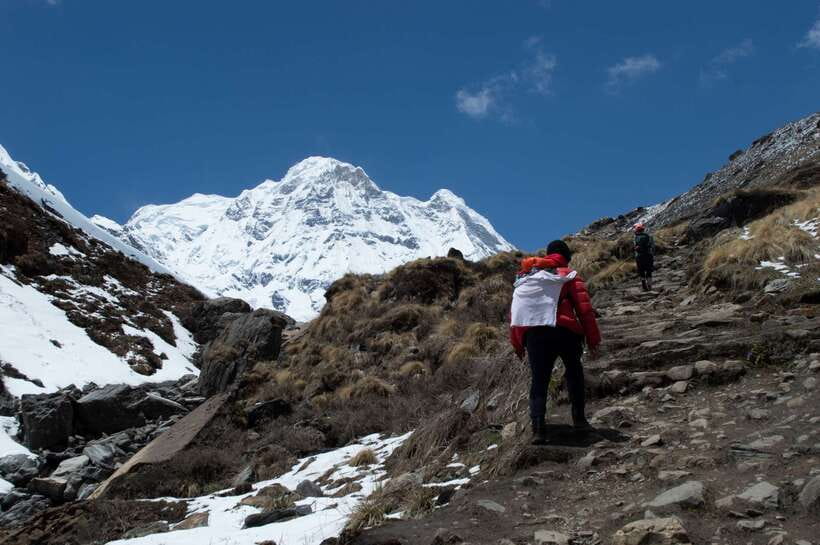
The reviews around this trek lean hard on one theme: the guides often feel like the difference between surviving and enjoying.
You’ll hike with a licensed guide (English and Hindi), and the vibe is consistent—attentive, safety-focused, and practical about what to do next. Names you’ll see associated with excellent experiences include Raj, Raju, Om, Smile, Pratip, Anil Sherpa, Bikash, Laxman, Terence Tamang, Subash, and Oham Raj Tamang. Porters like Narayan, Dorjee, Chaliman, Hem, and Dorjee show up as well, and people repeatedly connect good trekking outcomes to the team’s support.
Here’s why that matters for you:
- A good guide helps you keep a steady pace so you don’t blow your energy on a short itinerary.
- They can recommend tea-house meals and identify which stops tend to work best for comfort.
- They help you make calls when weather turns or when someone in the group needs a slower day.
One more detail I like: gear is borrowed for the trek. The trip includes borrowing a down jacket, sleeping bag, and trekking poles (at no extra cost). That’s a value boost if you’re traveling light and don’t want to buy altitude gear for one trip.
What’s not included is also clear. Hot showers, Wi‑Fi, and battery charging aren’t part of the deal. Drinks beyond basic meals cost extra. Guesthouses are for sleep and warmth management, not modern conveniences.
What’s Included vs. What You’ll Still Pay For
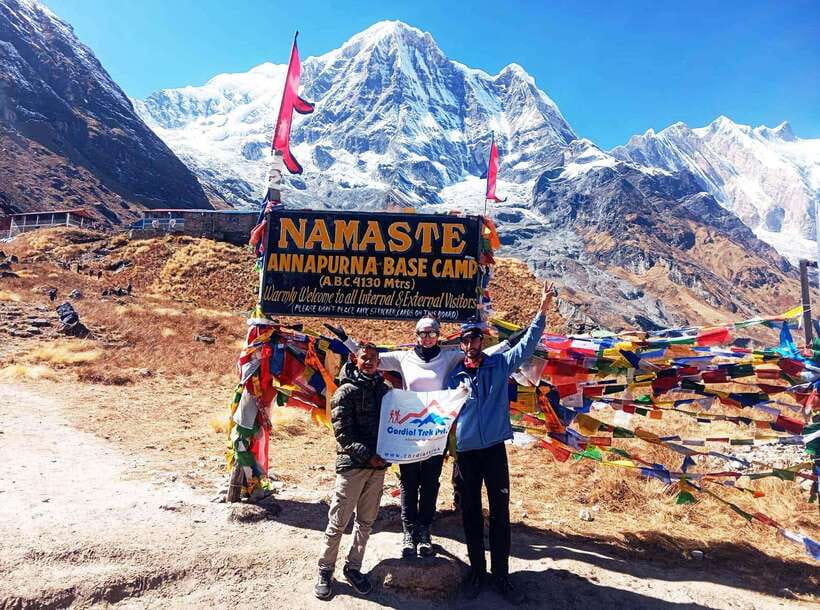
At the listed price (from $96 per person), the key question isn’t just “cheap or expensive.” It’s whether you get the infrastructure that normally costs time and stress.
Included items that genuinely improve value:
- Hotel pickup/drop-off in Pokhara, plus Kathmandu transfers when your flight option is selected
- Permits for the trek
- Trekking guide (licensed and experienced)
- 4-night guesthouse accommodation
- Water purification tablets
- Borrowed equipment (down jacket, sleeping bag, trekking poles)
- Meals are included in the all-inclusive setup (4 breakfasts, 5 lunches, 4 dinners)
Included transfers also matter because ABC access is logistically shaped by the Pokhara-Simrung route. You get Pokhara–Simrung–Pokhara transfer via shared jeep, not a DIY scramble.
Not included (so budget for it):
- Personal expenses, snacks, and extra drinks
- Hot showers, Wi‑Fi, and charging
- Travel insurance (recommended)
- Porter service depends on your option (porter is mentioned under all-inclusive)
If you want the simplest experience, go with the option where meals and porter support are included. If you’re a confident budget traveler and already have gear, you can still make it work, but you’ll be deciding your own comfort level day by day.
Packing: The List That Keeps You Warm and Moving
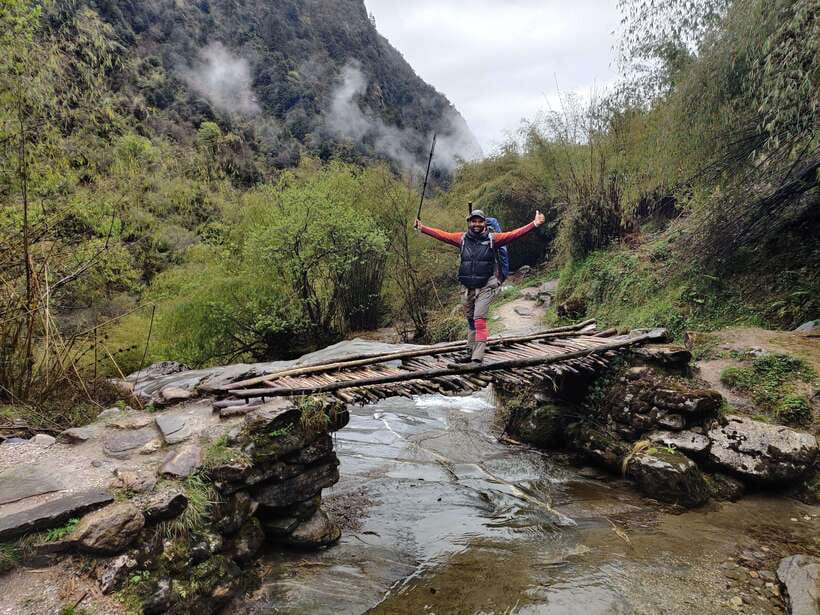
The gear list for this trek is straightforward, and you’ll feel the difference if you follow it closely.
Bring:
- Down jacket or puffer layer for cold evenings and early starts
- Thermal base layers
- Trekking pants and t-shirts (short or long sleeve depending on season)
- A beanie, gloves, and (in colder weather) a neck gaiter
- High-ankle waterproof trekking boots (recommended) plus warm socks
- Towel, basic toiletries, and cash
I’d treat these as “must bring,” not “nice to have.” ABC nights and sunrise mornings can turn miserable fast if you’re underdressed.
One more note: crampons aren’t listed as standard included gear, but they’re listed in the checklist for snowy conditions. If you’re going in a period that might bring snow or ice, confirm with your guide what’s realistically needed.
Weather and Season: Cold Starts, Wet Feet, and Realistic Temperatures
You get a season guide, and it’s useful because the mountains can feel very different from the city.
- Spring/Autumn (Mar–May, Sep–Nov):
- Low: -3°C to 3°C
- High: 2°C to 20°C
- Summer/Monsoon (Jun–Aug):
- Low: 0°C to 5°C
- High: 5°C to 22°C
- Winter (Dec–Feb):
- Low: -10°C to -2°C
- High: -5°C to 15°C
This trek can look “doable” on a distance map, but your feet and hands run the show. In monsoon, expect dampness to be constant. In cold months, expect frozen mornings and cold air on exposed stretches.
The key for you: pack for both comfort and function. Warm layers that you can add/remove quickly beat bulky gear that forces you to stop, fumble, and get colder.
Price Breakdown Reality Check
Let’s talk value, not just cost.
From $96 per person for five days, the big value drivers are:
- guide and permits
- guesthouse accommodation for four nights
- equipment borrowing
- purification tablets
- and (in the all-inclusive option) a chunk of meals
If you compare this to what it would cost you to stitch together a guide, permits, and lodging on your own, the included structure is the main reason this price can feel fair.
But keep one caution in mind: meals and porter services depend on the option you select. Read your exact bundle so you know whether you’re getting full board or just core logistics.
Should You Book This 5-Day ABC Trek?
Book it if:
- You want the Annapurna Base Camp goal without spending a full week or two on the trail.
- You like a route that mixes big mountain views with villages and practical “real trekking” stops like Jhinu Danda.
- You appreciate a team approach where a licensed guide helps you manage altitude, pace, and tea-house choices.
Skip it (or consider a different plan) if:
- You know you’re not comfortable with long walking days and fast altitude gain.
- You’re expecting guaranteed warm, modern comforts like Wi‑Fi and hot showers.
- You have mobility limitations, since this trek is not suitable for people with mobility impairments, and there’s an age limit of over 95 years.
If you do book, my best advice is simple: train your legs for long descents, pack warm layers you can reach quickly at sunrise, and treat your guide check-ins as part of the trekking strategy, not just small talk.
FAQ
Do I start the trek in Kathmandu or Pokhara?
You can start from either. If you choose Kathmandu, you take a short flight to Pokhara first (about 30 minutes), then the group drives about 2–3 hours to Simrung before trekking begins.
How high does this trek go?
The highest point is Annapurna Base Camp at about 4,130 m. The trek also reaches high overnight altitudes such as around 3,230 m at Deurali.
What gear is included or provided for the trek?
The trip includes borrowing trekking essentials such as a down jacket, sleeping bag, and trekking poles at no extra cost. Trekking permits are also included.
Are meals and hot springs included?
Meals are included in the all-inclusive setup (4 breakfasts, 5 lunches, and 4 dinners). The hot springs at Jhinu Danda are part of the day 5 return trek.
What language will my guide speak?
Your guide will be available in English and Hindi.
Is this trek suitable for people with mobility issues?
No. This trek is listed as not suitable for people with mobility impairments. There is also an age restriction for people over 95 years.