REVIEW · POKHARA
From Pokhara: 5-Day Mardi Himal Base Camp Trek
Book on GetYourGuide →Operated by Snow Peak Tours and Travels pvt. ltd. · Bookable on GetYourGuide
Mardi Himal feels close enough to touch. This 5-day trek is built for dramatic mountain days with expert English-speaking guidance and teahouse nights in the Annapurna region. I especially like the contrast between cool forest trekking and big-sky sunrise moments over the range. One thing to factor in: the climbs and colder higher-altitude nights can be tough if you’re not used to mountain hikes.
What makes this route stand out is how it balances effort with reward. You’ll work your way up through rhododendron forests and villages, then spend real time around Low Camp, High Camp, and Mardi Himal Base Camp without feeling rushed. I also like the practical touches that reduce stress, like permits handled for you and luggage storage in Pokhara.
Your main “watch-outs” are typical for short Himalayan treks: physical strain on the first part and cold conditions as you go higher. The good news is the plan includes breaks and a lighter-feeling end of trek, so you’re not stuck grinding the whole time.
In This Review
- Key Highlights Worth Your Time
- Mardi Himal Base Camp in Five Days: Why This Route Works
- From Pokhara to Pitam Deurali: Kande, Australian Camp, and First Views
- Low Camp and Rhododendron Forests: Building Your Rhythm
- High Camp: The Final Settlement Before the Big Day
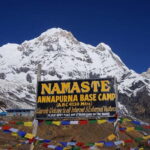
- Base Camp and Sunrise: The Mardi Himal Moment
- Lumre Back to Pokhara: How the Trek Ends Smoothly
- Guides, Tea Houses, and Meals: What Your Days Will Feel Like
- Price and Value: What $181 Covers (and Why It’s Not Just a Ticket)
- Packing Like a Local: Gear, Cash, and Cold-Weather Common Sense
- Difficulty, Weather, and Safety: Staying Confident on Short Days
- Should You Book This 5-Day Mardi Himal Trek?
- FAQ
- Where do pickups and drop-offs happen?
- How long is the trek?
- Is this a private group?
- What permits and fees are included?
- Are meals included?
- Do I need a passport copy?
- What languages does the guide speak?
- Is a porter available?
- Do I need travel insurance?
- What’s the cancellation window?
Key Highlights Worth Your Time
- Rhododendron forests and village walking that keeps your days interesting before the big viewpoints
- Sunrise over the Annapurna range paired with extended time at key camps
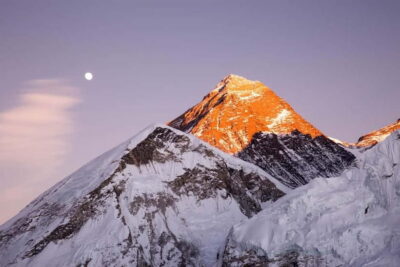
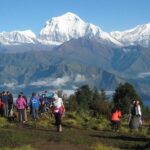
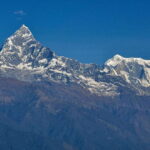
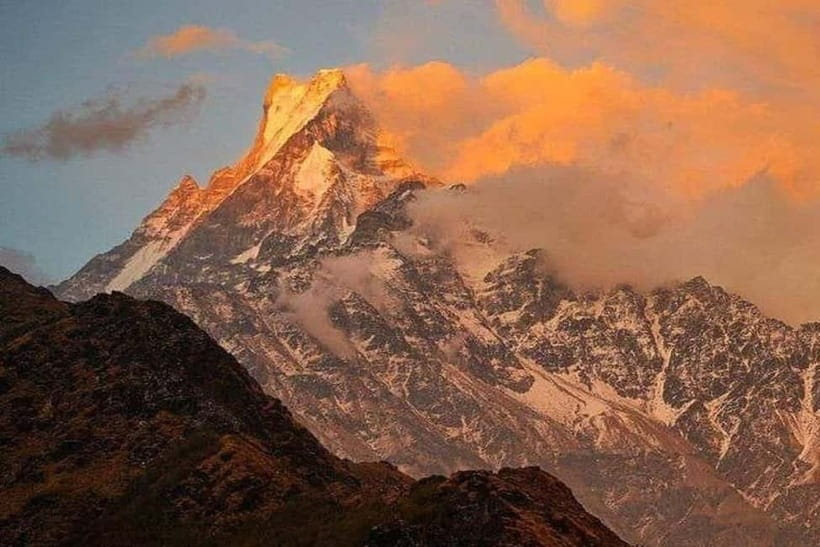
- Close views of Mardi Himal and Machapuchre that make the hike feel personal
- Camp-to-camp pacing with Low Camp and High Camp giving you natural “checkpoints”
- Lighter final days with more time to rest after lunch and a straightforward return by vehicle
- Permits and TIMS handled so you spend energy on hiking, not paperwork
Mardi Himal Base Camp in Five Days: Why This Route Works
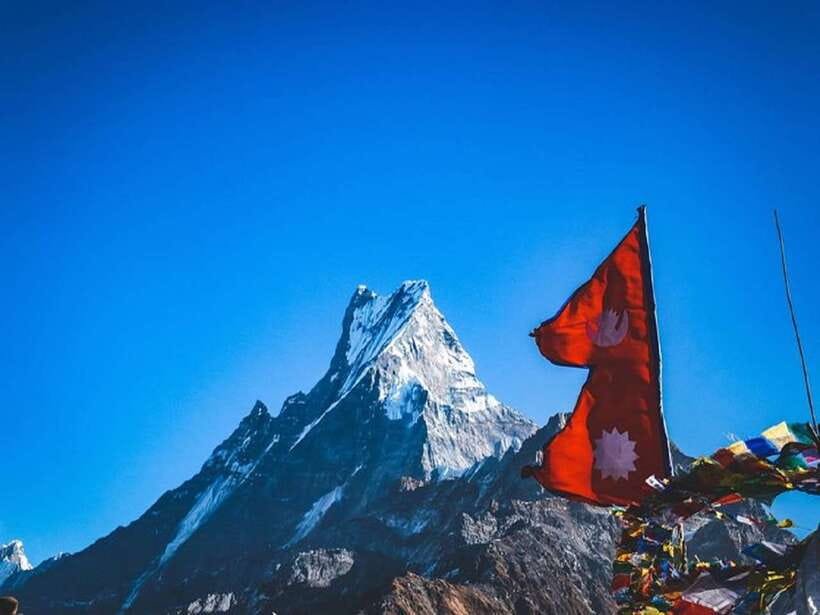
This is one of those treks where the time you spend outside actually matches the payoff. Mardi Himal Base Camp is the goal, but the real treat is how the route walks you through changing terrain: start with more wooded, community-driven trekking, then rise into colder, more exposed mountain air.
The itinerary structure matters. You go camp by camp—Low Camp to High Camp—so you’re not just “start hiking, reach the summit, go home.” You get built-in altitude exposure and daily rhythm. Then, on the main day to Base Camp, you’re scheduled to return to Low Camp afterward, which helps keep the trip manageable in just 5 days.
Another value point: guiding is part of the package, not an add-on you have to figure out last minute. You’ll also have permits, TIMS fees, and taxes included, which removes a common headache when you’re trekking in Nepal.
You can also read our reviews of more hiking tours in Pokhara
From Pokhara to Pitam Deurali: Kande, Australian Camp, and First Views
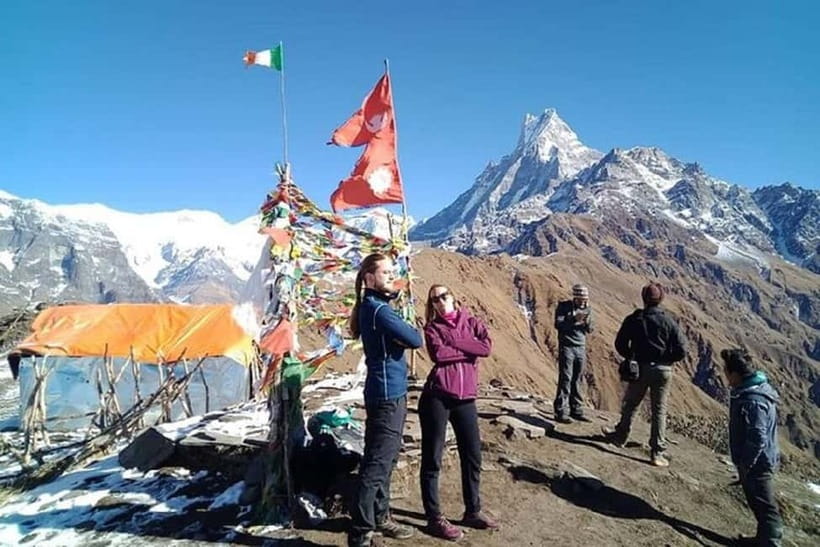
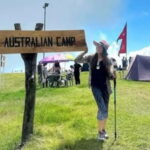
Day 1 is a mix of transport and walking that helps you get oriented fast. You’ll drive from Pokhara to Kande, then begin trekking through scenic stretches via Australian Camp to Pothana before reaching Pitam Deurali.
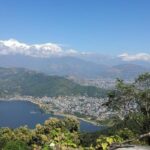
Why this day is worth it: it’s not only about distance. It’s where you start seeing how the Annapurna region sits in layers. Even without waiting for Base Camp, you’re already moving through viewpoints and forested paths that hint at what’s coming.
Pitam Deurali also plays a practical role. You get a guided viewpoint time and an overnight stay, which sets you up for the next days without scrambling. If the first day feels like it has multiple little phases, that’s intentional; it eases you into trekking mode.
Possible drawback: if you’re sensitive to bumpy roads or have limited time for breaks, the drive portion can feel less comfortable. One smart move is to plan for the road: bring water, stay patient, and wear shoes you can keep secure during transfers.
Low Camp and Rhododendron Forests: Building Your Rhythm
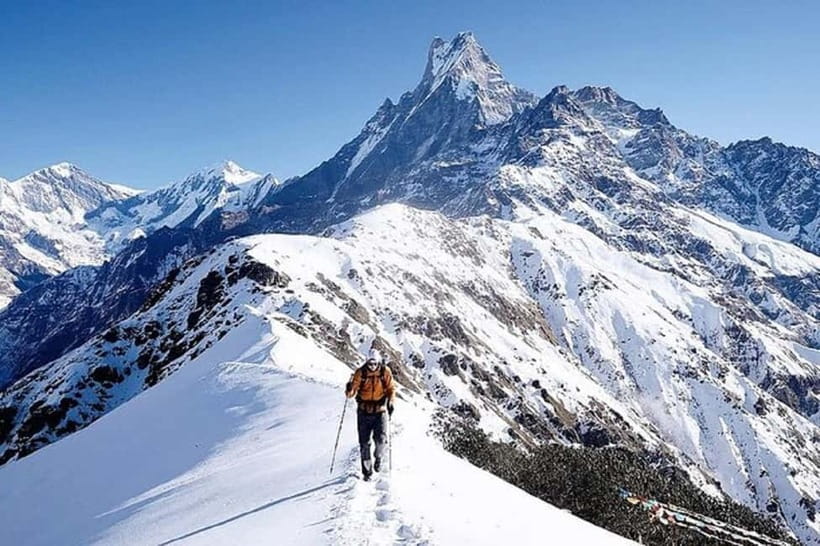
Day 2 takes you from charming settlements and rhododendron forests to Mardi Himal Low Camp. This is a classic “get your legs ready” day, because the trail is scenic and varied, not just a straight grind upward.
I like days like this because rhododendron forest trekking keeps your attention up. You’re not staring at the same ridge for hours. You’re walking through living scenery, with chances to pause, catch your breath, and enjoy the texture of the route.
Low Camp matters too. It’s not the final goal, but it’s a real staging point where you settle, eat, and recover for the push to High Camp. If you’re prone to feeling altitude in a short trek, having that structured overnight stop helps you stay focused and not rush your body.
As a pacing note, this trek’s feel is often described as tougher early and easier later. Even within the plan, the first couple days demand more effort than the closing stretch.
High Camp: The Final Settlement Before the Big Day
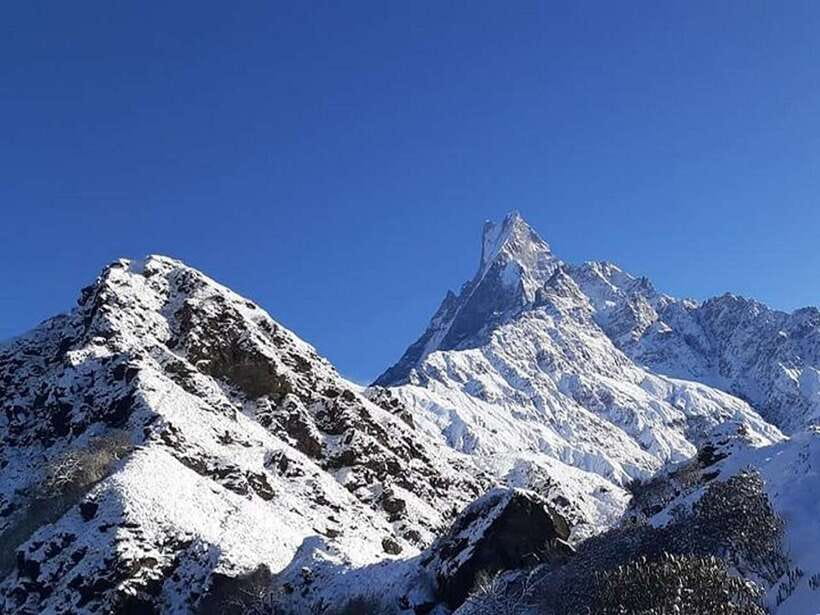
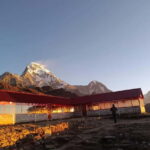
Day 3 climbs to Mardi Himal High Camp, described as the final settlement area on this trail. That single sentence tells you a lot. You’re working toward a point where services and comfort can be more limited than in lower villages.
This day is where cold can start to feel more real, even if you’re only on a short itinerary. If you’ve never trekked in mountain winter or shoulder-season cold, pack with the expectation of chill even when the sun is out. Temperatures can vary a lot, and higher altitudes are often very cold, so plan layers instead of relying on one jacket.
Why High Camp is valuable: it reduces the “mystery” of Base Camp day. You’ve already walked into the zone, you’ve already slept in the environment, and you can treat Day 4 as the payoff rather than a shocking leap.
Base Camp and Sunrise: The Mardi Himal Moment
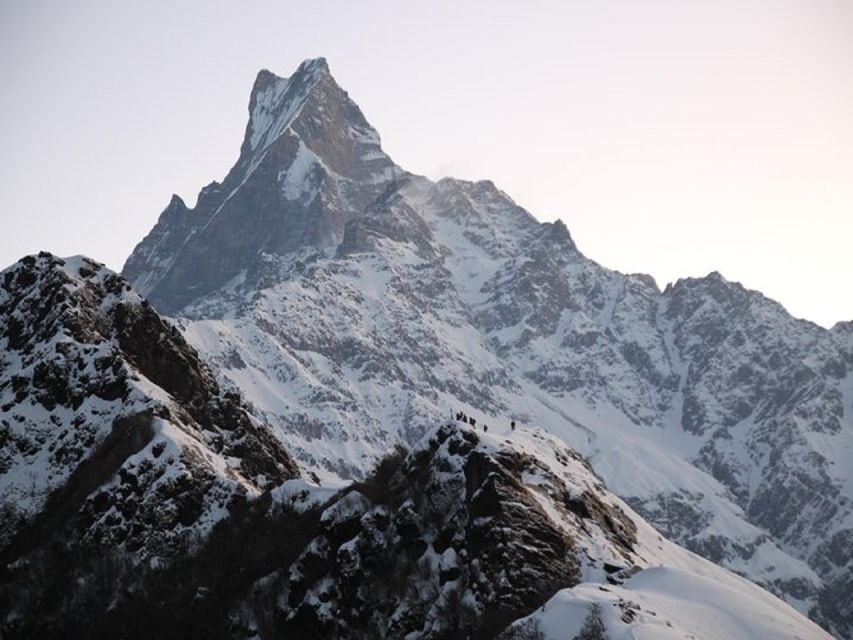
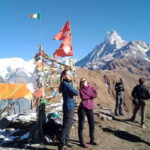
Day 4 is the headline. After breakfast, you trek to Mardi Himal Base Camp, where you’ll get panoramic views of the Annapurna Himalayan range and time to explore once you arrive.
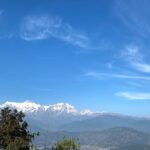
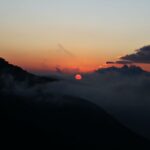
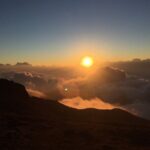
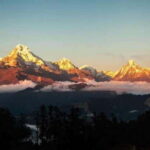
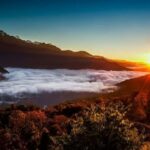
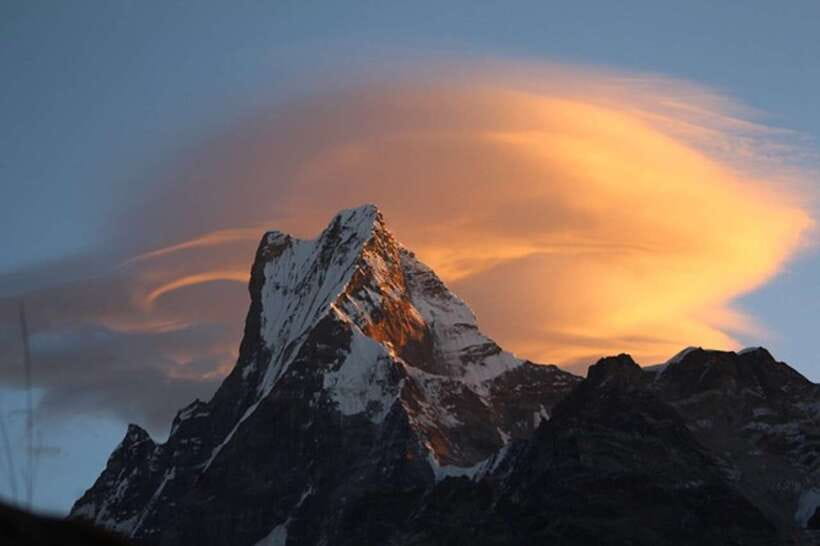
The sunrise element is a big part of why people love this trek. Seeing the Himalayan range at first light is one of those experiences that never feels like a postcard. The air is usually calmer, the shadows make peaks feel more dimensional, and the mountain shapes look different than they do at midday.
Then you do something smart that most short treks skip: you return to Low Camp afterward. That means you don’t lose the entire day to one long out-and-back with no recovery. It also sets you up for a more relaxed last day.
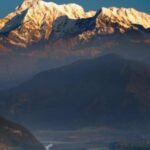
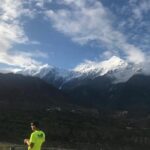
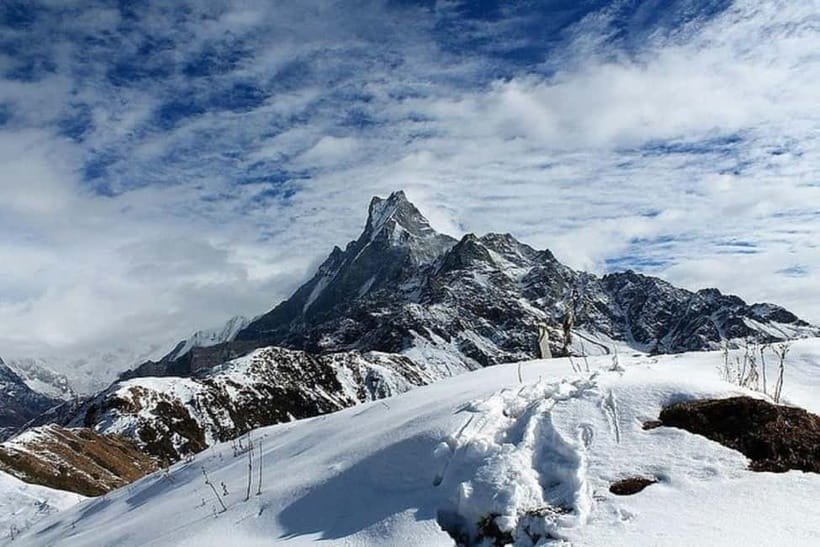
This is also where the “closeness” matters. The experience is described as feeling overwhelming in terms of how near Mardi Himal and Machapuchre can feel from the right viewpoints. If you’ve wanted a trek that doesn’t just show mountains in the distance, this is the part that delivers.
You can also read our reviews of more tours and experiences in Pokhara
Lumre Back to Pokhara: How the Trek Ends Smoothly
Day 5 turns into a downhill day with village stops and an easier ending. You trek down to Sidding, pause for lunch, then continue to Lumre where your vehicle meets you for the transfer back to Pokhara.
I like the structure because it keeps the final day from dragging. You’re still walking, but you’re not building up fatigue for a big climb. You’re finishing the trek with views and conversation, then closing the loop with transport to your hotel.
Also, the trek ends in Lumre rather than at some random trailhead. That reduces the “where do we go now?” stress that can ruin the final hours of a short trek.
Guides, Tea Houses, and Meals: What Your Days Will Feel Like
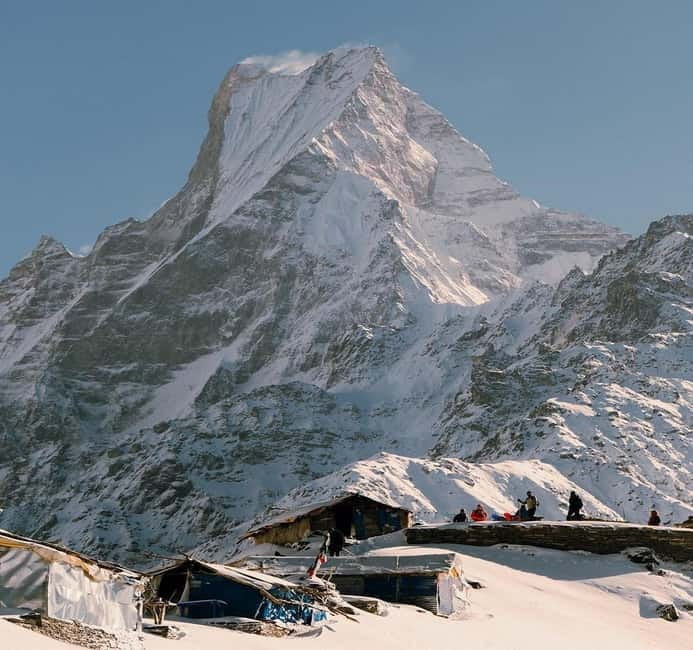
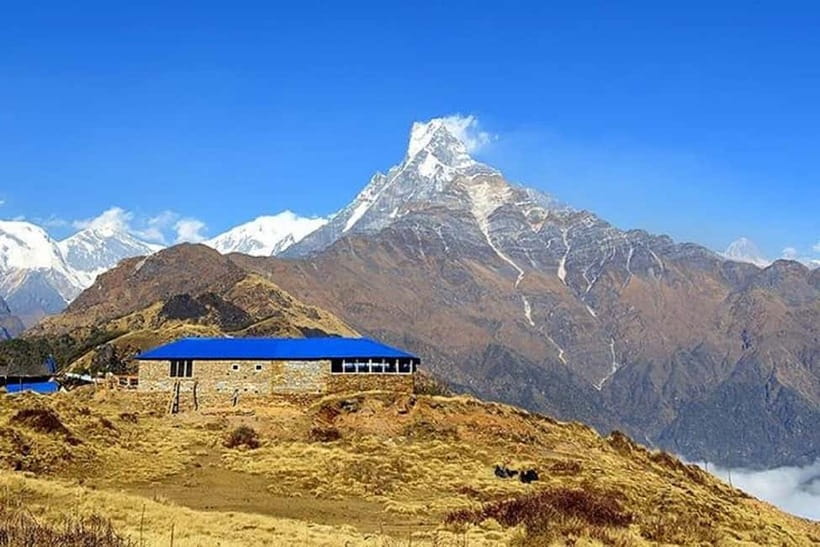
This trip is designed around simple tea houses or lodges along the route. That’s part of the charm, and it’s also why it stays realistic for a 5-day schedule. Don’t expect hotel-level beds, but do expect a warm cup, a place to rest, and enough routine to keep things comfortable.
Meal handling depends on which option you choose. The tour offers meals throughout the trek depending on the option selected, and if meals aren’t included for a particular day segment, you’ll purchase food on available. Either way, you should plan on buying at least some snacks or hot drinks along the trail.
Here’s a practical way to think about it: included meals are convenient, but tea house food is still paid for as part of your trek budget. If you want flexibility—more tea, more biscuits, different timing—you may prefer carrying cash and choosing meals as you go. Just remember that convenience usually costs something.
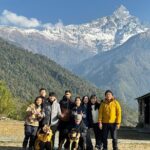
Your guides play a big role in how the trek feels day to day. From the guide teams referenced, leaders like Santosh have been praised for English skills, kindness, and even small thoughtful touches like fruit during the trek. Other names you might hear in past groups include Sun-Bahadur Nepali and Niva Nepali, described as patient and helpful, especially when someone has a slower pace. Support staff such as Mayal have also been noted for being helpful on the downhill.
Even if you don’t get the exact same guide team, the takeaway is consistent: a good guide makes the trek smoother, not by making it easier, but by keeping you safe, fed, and in the right rhythm.
Price and Value: What $181 Covers (and Why It’s Not Just a Ticket)
At $181 per person, the real question isn’t just the number. It’s what you’re getting for it—especially in Nepal, where permits and logistics can turn into invisible costs.
This price includes round-trip transportation between your hotel (or airport area) and the trek start, plus all required trekking permits and TIMS fees. It also includes accommodation in simple tea houses and a professional certified English-speaking guide, with meals included depending on your chosen option.
That’s meaningful value because it removes the biggest hassles: paperwork, guide sourcing, and day-by-day coordination. You’re also given luggage storage in Pokhara, which is a simple thing that prevents wasted time and stress.
One more value detail: trekking gear is included as needed (like a trekking stick or sleeping bag). You still need to bring items like shoes, jacket, and personal cash, but it lowers the risk of arriving underprepared.
Optional porters exist too, at $20 per day. If you’re fit but want to protect your knees or speed up recovery, hiring a porter for part or all of the trek can be a smart trade.
Packing Like a Local: Gear, Cash, and Cold-Weather Common Sense
You’ll get the most comfort by packing for mountain temperature swings. Temperatures vary significantly, and higher altitudes are often very cold. That means layers win.
Based on what you should bring:
- Comfortable shoes you’ve already broken in
- A warm jacket plus something for cold weather up high
- A hat and a camera (yes, you’ll want it)
- Cash for meals/snacks if you’re purchasing some food
- A basic trekking setup and items like a hair tie
If you’re bringing a sleeping bag, note that gear is said to be provided as needed, including a sleeping bag as required. Still, always double-check what you personally need based on season and your comfort level.
Two practical trekking aids show up in guidance you’ll likely appreciate: hiking poles and altitude precautions. One review mentions Diamox and poles as helpful; I’m not going to play doctor here, but I’d treat that as a signal to talk to your clinician before the trip and consider poles if your knees have ever complained during descents.
Difficulty, Weather, and Safety: Staying Confident on Short Days
This trek can be physically demanding for some participants, especially early. Day 1 and Day 2 are where you’ll feel it most, and the cold can creep in as you go higher. The good part is that the plan includes built-in rest points and a structure that keeps you from running out of recovery time.
Weather plays a major role in the views. The trip is often best when you get clear skies, so keep expectations flexible. If visibility is limited, you’ll still be walking through beautiful forest and village routes, but sunrise and panoramic days may feel more muted.
Safety is addressed directly: travel insurance is mandatory, and emergency rescue services are available if required. Also, you’ll need to submit a copy of your passport at least one day before the trek so permits can be arranged through Nepal’s government process.
Finally, because it’s a short trek, it’s worth being honest with yourself about pace. If you’re a slower walker, you can still do this trek, but you’ll enjoy it more if you choose realistic expectations and stick with your guide’s pacing suggestions.
Should You Book This 5-Day Mardi Himal Trek?
I’d book this if you want a short Himalayan trek with real mountain time, not just a quick hike to a viewpoint. It’s a good fit if you like the idea of rhododendron forests and villages on the way up, then a clear payoff at Base Camp with sunrise and big views of Mardi Himal and Machapuchre.
Skip it or adjust expectations if you know cold and steep trekking are a struggle for you. Early days can feel demanding, and higher altitudes bring real temperature drops. If that’s your situation, consider hiring a porter for at least part of the trek and pack for winter-like cold even when Pokhara feels mild.
If you like clear logistics, this one makes sense. Permits, TIMS, guides, and transport are all handled, and you return to Pokhara with minimal friction.
FAQ
Where do pickups and drop-offs happen?
Pickup and drop-off options include Pokhara Lakeside, Pokhara International Airport (PIA), and Lakeside Rd 6.
How long is the trek?
The trek duration is 5 days.
Is this a private group?
Yes, it’s a private group.
What permits and fees are included?
All required trekking permits, necessary paperwork, and TIMS fees are included.
Are meals included?
Meals are included depending on the option you select, and you can purchase meals on available days if they aren’t included.
Do I need a passport copy?
Yes. You must submit a copy of your passport at least one day before the trek so permits can be arranged.
What languages does the guide speak?
The guide provides live tour guidance in English, Hindi, and Nepali.
Is a porter available?
A porter can be hired optionally for $20 per day.
Do I need travel insurance?
Yes. Travel insurance is mandatory for your safety and peace of mind.
What’s the cancellation window?
Free cancellation is available up to 24 hours in advance for a full refund.