REVIEW · POKHARA
4 Days Mardi Himal Base Camp Trek from Pokhara
Book on Viator →Operated by Nomad Mountain Club - NMC · Bookable on Viator
Four days to meet snow giants. This Mardi Himal Base Camp trek from Pokhara keeps things calmer than the busier Annapurna routes, while still pushing you up to around 4,500 meters for big Himalayan payoff fast. I love the mix of peaceful forest walking and those ridge-line moments when the mountains finally decide to show off. I also like how the trek is built around simple, local teahouses and real hospitality, not just a checklist of sights.
Another thing I like: you get an English-speaking guide who can explain what you’re seeing—plus help you pace the days. From the guide names I’ve seen come up often (Amrit and Biru), the theme is the same: attentive, safety-minded, and willing to share culture as you go. The one drawback to consider is the time frame: you’re working up to high altitude in just four days, so you’ll want a solid moderate fitness base and to take the pace seriously.
In This Review
- Key highlights at a glance
- Why Mardi Himal Feels Different from the Usual Annapurna Hike
- Pokhara to the trail: pickup and sharing jeep reality check
- Day 1 Forest Camp: rhododendron, terraced farms, and a gentle start
- Day 2 through dense evergreen forest: steady effort, fewer interruptions
- Day 3 sunrise at Base Camp and the Badal Danda panorama
- Day 4 descent toward lakeside: steeper trail, Machhapuchhre nearby
- What’s included, what that means for you, and how to judge the $299 price
- Guides Amrit and Biru: why the people you hike with matter here
- Permits, passport photo, and the paperwork you shouldn’t ignore
- Who should book this short Mardi Himal trek
- Should you book the 4 Days Mardi Himal Base Camp Trek from Pokhara?
- FAQ
- FAQ
- What is the duration of the 4 Days Mardi Himal Base Camp trek?
- Does the trek include pickup and drop off from Pokhara?
- What kind of accommodation do I stay in during the trek?
- What permits are included?
- What paperwork do I need to provide before traveling?
- What is the cancellation window for a full refund?
Key highlights at a glance
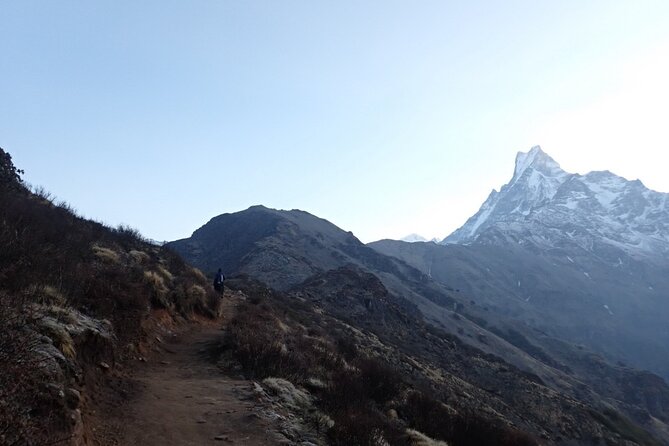
- Short trek, fast altitude payoff: you reach around 4,500 meters without committing to a long expedition.
- Quieter trails than the big-name Annapurna routes: more time listening to wind and birds, less time dodging other hikers.
- Teahouse nights in local hands: cozy guesthouses, warm meals, and the chance to slow down with people from the area.
- Sunrise-focused morning rhythm: early start for Base Camp and the standout ridge view at Badal Danda.
- Expert English-speaking guidance: practical safety support plus stories about mountains and Nepali mountain life.
- Permits included (TIMS + Annapurna Conservation Area): you’re not left hunting down paperwork on your own.
Why Mardi Himal Feels Different from the Usual Annapurna Hike

Mardi Himal has a reputation for feeling more intimate. You’re not fighting a parade of day-hikers and trekking groups for the same view. Instead, the route leans into quieter stretches—especially once you’re moving through the forest bands that make up most of the day-to-day walking.
And it’s not just about crowd levels. The big win is compression: four days is enough time to earn serious panorama moments without turning your entire week into altitude logistics. The route climbs steadily, then reveals the mountains on schedules that make sense: dawn for the dramatic stuff, daylight for the walking, and descent once your legs have had a chance to earn the views.
You’ll also get a classic Himalayan rhythm: start walking, climb through trees, pause at tea-house stops, and then, when you reach ridges, your world gets wider. That pattern is part of what makes this trek feel so satisfying for a short trip. You get the effort, then the reward, then recovery—repeat.
You can also read our reviews of more hiking tours in Pokhara
Pokhara to the trail: pickup and sharing jeep reality check
Most people visit Pokhara for comfort—lakeside cafés, flight options, easy vibes—and this trek keeps that in mind. You’ll get hotel pickup and drop off, so you’re not trying to organize transport on day one while you’re also preparing gear.
From Pokhara, you’ll take a sharing jeep to the trek starting point. That’s a practical choice. Shared rides usually mean lower cost and more flexibility than private transport, but it also means you should expect a bit of waiting and a route that may be adjusted for other passengers. The good part: you’ll conserve energy for the trail itself.
Timing matters on a trek like this. Because you’re stacking big view days into a short window, your mornings will come early—especially on the day aimed at Base Camp sunrise. If you’re the type who needs a slow wake-up routine, plan to adjust before you reach the higher elevations.
Day 1 Forest Camp: rhododendron, terraced farms, and a gentle start
Day one is designed to set your legs in motion without immediately turning it into a suffering contest. You’ll hike through terraced farmlands and then into a rhododendron forest. This is a welcome kind of first day because it’s textured: you get views between folds of hills, then you’re walking through shade and greenery where the pace feels natural.
The walk is described as relatively effortless with gradual inclines, roughly six hours to Forest Camp. Along the way, you pass by Australian Camp—one of those trail landmarks that helps you orient yourself mentally. You may not feel like you’ve “earned altitude” yet on day one, but you’re doing something just as important: building rhythm.
I like the way day one gives you that mix of agriculture and forest. In many short treks, the first day jumps straight into steep climbing. Here, you ease into it, and that makes day two feel less like a shock.
What to watch: Forest days can also be cool and damp, depending on season. Even when the trail feels easy, you’ll still want traction-ready shoes and layers that handle morning chill and afternoon warmth.
Day 2 through dense evergreen forest: steady effort, fewer interruptions
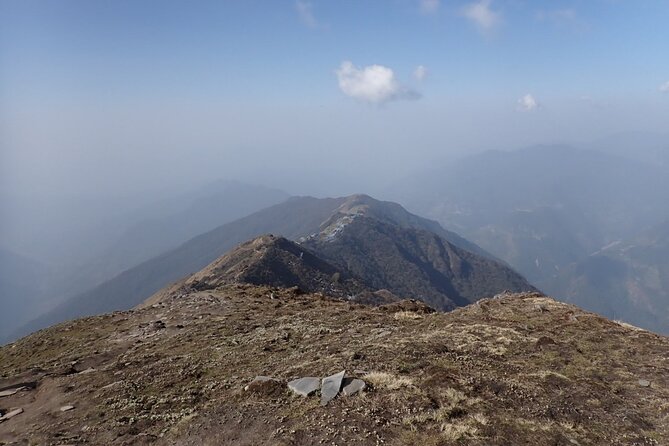
Day two keeps you in the trees. Expect dense forest, largely evergreen, with trail walking that can feel steady rather than dramatic. The time on trail is about six hours, and you’ll spend a good chunk of it moving through a natural corridor where sound travels differently—wind, birds, and footsteps become the main soundtrack.
This is the day when Mardi Himal really earns its calmer mood. If you like trekking for the act of walking—finding your pace, watching how light filters through leaves, and noticing how quickly the route turns away from human chatter—day two is often the day people remember most.
The route also has that “forest tunnel” feeling that makes the mountains feel delayed. That’s a feature, not a bug. When the views finally arrive later, they land with more impact because you’ve already gone through the quieter phase.
Practical thought: since day two stays heavily wooded, it’s wise to bring sun protection anyway. Light can still bounce back, and breaks at tea houses help, but you don’t want to get caught under heavy sun with limited shade once the trail briefly opens.
Day 3 sunrise at Base Camp and the Badal Danda panorama
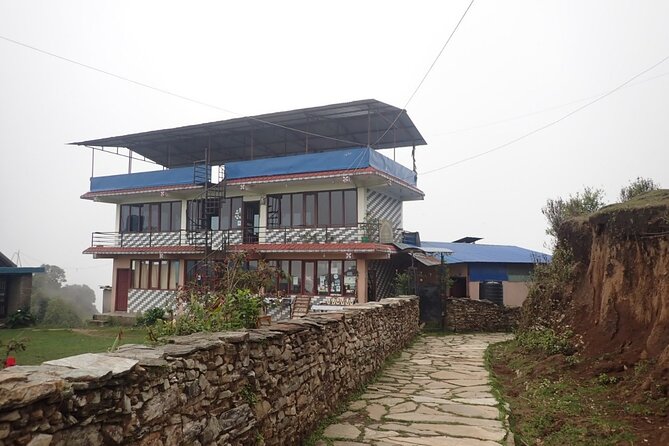
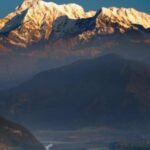
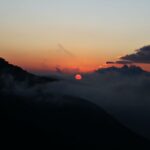
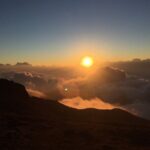
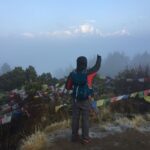
Day three is your big hinge day. It starts early, and the trek is planned so you can catch sunrise from the Mardi Himal Base Camp area. The walk to Base Camp is around five hours, and the morning start is the payoff mechanism: you’re trading sleep for the kind of sky-mountain alignment that makes the whole trek feel real.
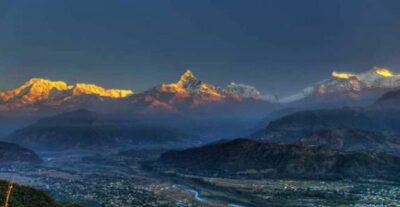
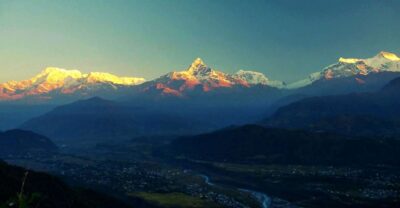
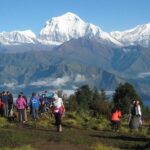
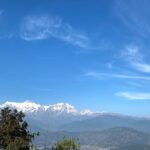
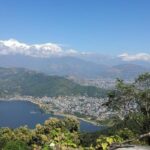
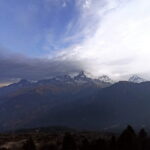
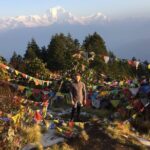
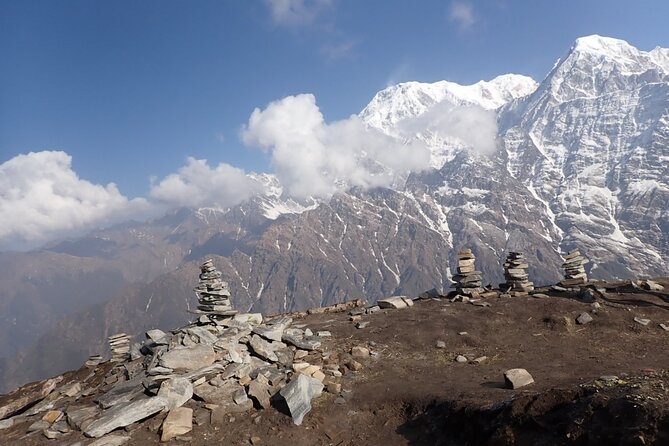
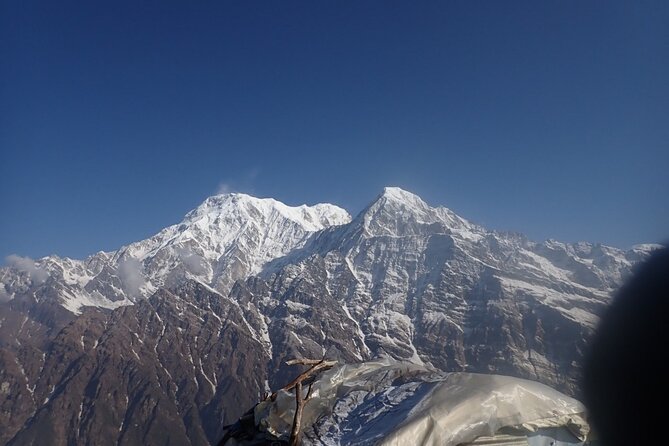
Then you continue to Badal Danda, a ridge viewpoint where the panorama includes the Annapurna range. Badal Danda is often described as one of the unforgettable sunrise views of the trek. Even in a short itinerary, this matters because it gives you a second perspective moment—another angle on the same mountain world.
From a value standpoint, this is where the tour earns its price. Many short treks promise views but deliver them randomly. Here, views are built into timing. That means you’re more likely to experience the good light instead of just hiking until you happen to reach a viewpoint.
What to watch: sunrise days often mean cold fingers. Even if the air feels manageable during daylight, early starts can be sharp. Bring gloves or something you can handle taking off and putting back on fast at viewpoints. Also, keep the pace disciplined. You’re heading toward higher zones, and a steady effort keeps you safer and helps you enjoy the view instead of rushing through it.
You can also read our reviews of more tours and experiences in Pokhara
Day 4 descent toward lakeside: steeper trail, Machhapuchhre nearby
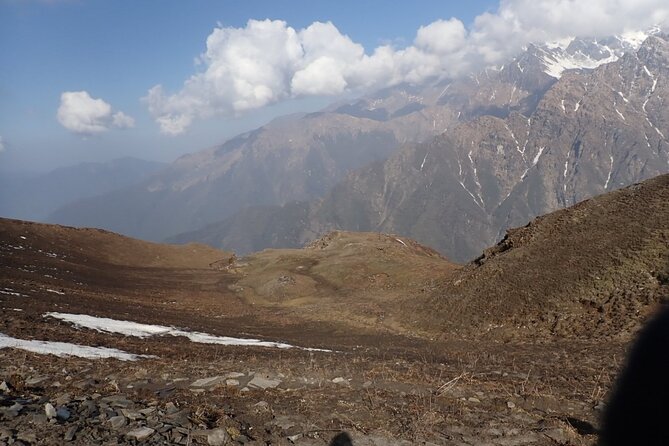
Day four is about finishing strong while descending from higher points back toward the lower region near Pokhara. The walking time is around seven hours, and the descent is described as steeper and more strenuous than the earlier days.
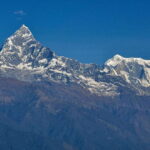
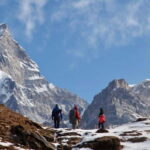
The route diverges from Badal Danda toward Sidhing, moving through thick forests at the base of Mt. Machhapuchhre. That mountain matters here. It’s not just a distant symbol; it’s a constant presence in the area you walk through, and being under its shadow gives the day a sense of momentum.
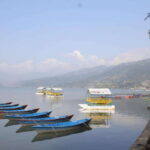
You end at Lakeside, which connects your trek back to the Pokhara comfort zone. It’s not just a location on a map—it’s a psychological win. After four days of climbing, stepping, and managing your energy, returning toward Lakeside feels like the real start of recovery: warm showers, a change of scenery, and a chance to eat without counting calories.
Practical tip: descent is where knees complain. If your legs are the limiting factor, take shorter steps on the steep sections and use trekking poles if you have them. Even if your first days felt fine, day four can turn into a test of good form.
What’s included, what that means for you, and how to judge the $299 price
The stated price is $299 per person, and the inclusion list is what makes this one feel workable rather than just “cheap.” You get:
- Hotel pickup and drop off
- Professional English-speaking guide
- Tea house/guest house accommodation during the trek
- Sharing jeep to and from the starting point
- Annapurna Conservation Area Permit and TIMS card
- First aid kit carried by the guide
- Private trip (your group only)
That’s a lot of the annoying parts of trekking handled for you. For value, I look at two things: how much mental load you avoid, and how much it costs in time if you had to DIY it. Permits and guide support alone remove a big chunk of uncertainty in Nepal. Plus, a first aid kit and an experienced guide is not luxury—it’s risk management.
Is $299 a bargain compared to everything else? It depends what you compare it to. If you were trying to arrange a guide, a vehicle, and permits separately, the savings might shrink once you add your time and stress. Since the plan also uses tea house lodging, you’re not paying for expensive lodge options. That keeps the budget realistic for a short, high-reward trek.
Not included: personal expenses and optional gratitude. That’s common, and you should plan for daily snacks, hot drinks, and any extra charges you run into at tea houses.
Guides Amrit and Biru: why the people you hike with matter here
This trek’s structure is simple: forest days, then sunrise effort, then descent. So the guide’s role becomes central. You’re not just being led from point A to B. You need pacing help, especially because you’re climbing to altitude in a tight schedule.
The names that show up again and again with this operator are Amrit and Biru. The consistent praise around them is practical: they’re described as professional, supportive, and attentive to pace and safety. One guide is also credited with explaining mountain culture and Nepali lifestyle along the way, which is exactly what I want from a guide on a short trek. It turns walking into understanding, and it makes stops feel less random.
Even if you don’t care about stories, guides also help you read trail conditions and manage rest stops efficiently. On a four-day itinerary, that efficiency matters.
Permits, passport photo, and the paperwork you shouldn’t ignore
For this trek, you’ll need a passport digital copy and a passport-size photo to issue your trekking permit ahead of time. Since the plan includes TIMS and an Annapurna Conservation Area Permit, you should treat this paperwork step as part of the trip. Upload it promptly after booking and follow the operator’s timing so you don’t get stuck waiting.
You also need to be ready for the physical demands. The route is for people with moderate fitness. That means walking uphill and downhill on mountain trails for multiple hours per day.
If you’re someone who stops for every little ache, you may feel the schedule tightly. If you already walk regularly and can hold a steady pace, you’ll likely enjoy this trek more because you’re not constantly recovering.
Who should book this short Mardi Himal trek
I think this trek is ideal if you want:
- A short Himalayan adventure with a clear goal (Base Camp + ridge sunrise)
- A quieter feel than the busiest Annapurna routes
- A pace that’s challenging but not a multi-week survival camp
- Tea house trekking without turning it into a complicated logistics project
It’s not ideal if:
- You’re new to hiking and not used to steep descents
- You hate early mornings and cold sunrise starts
- You’re looking for a fully flat walking trip (there are plenty of uphill and downhill sections)
Seasons matter, but you’ll want to match your gear to cold mornings and changing conditions. Even without exact weather promises, high-altitude starts are usually colder than you expect.
Should you book the 4 Days Mardi Himal Base Camp Trek from Pokhara?
If you want a four-day trek that feels personal—more forest quiet, less crowded trails, and sunrise views built into the route—this is a smart choice. The included permits, guide support, and pickup/drop off add real convenience, and the tea house nights keep it grounded and local.
I’d book it if you’re comfortable with moderate fitness and you can handle a steep descent on the last day. I’d think twice if you’re only lightly active or if you want a relaxed walk with no early starts. But for most hikers planning a short trip from Pokhara, Mardi Himal is one of those routes where the effort-to-reward ratio stays high.
FAQ
FAQ
What is the duration of the 4 Days Mardi Himal Base Camp trek?
It runs for about 4 days (approx.).
Does the trek include pickup and drop off from Pokhara?
Yes. You get hotel pickup and drop off.
What kind of accommodation do I stay in during the trek?
You stay in tea house / guest house accommodation during the trek.
What permits are included?
The tour includes the Annapurna Conservation Area Permit and TIMS Card.
What paperwork do I need to provide before traveling?
You need to send your passport digital copy and a passport-size photo for the trekking permit.
What is the cancellation window for a full refund?
You can cancel for a full refund up to 24 hours in advance of the experience start time. If you cancel less than 24 hours before, the amount is not refunded.