REVIEW · THIMPHU
6 days Bhutan Tour – Punakha
Book on Viator →Operated by OMSHA Travel - Travel Guide to Bhutan · Bookable on Viator
Six days in Bhutan? This one actually feels manageable. You’re in Paro, Thimphu, and Punakha with temple stops, scenic drives, and the big-ticket hike to Taktsang. It’s a loop that mixes culture with mountain scenery without turning your trip into a sprint.
I especially like how the days are built around places with real character: the Motithang Takin Preserve (Bhutan’s national animal) and the Punakha Dzong setting at the river confluence. I also like the practical side—transport, a licensed English-speaking guide, and monument fees are included, so you’re not playing ticket-collector all day.
One thing to consider is cost creep: the tour price is $1,100, but the Sustainable Development Fee ($500) and visa fee ($40) aren’t included. Also, the Taktsang hike is no casual stroll; you’re looking at a full-day commitment.
In This Review
- Key highlights that make this Bhutan route special
- Why this Bhutan 6-day route (Paro–Thimphu–Punakha) fits together
- Price and logistics check: what $1,100 really means (and what to budget)
- Day 1 in Thimphu: Tachogang Lhakhang bridge, takin, nuns, and handmade paper
- Day 2 in Thimphu: Tango Institute, crafts school, museum time, and Tashichho Dzong
- Day 3: From Buddha Dordenma and Dochula Pass to Punakha Dzong and the Pho Chhu bridge
- Day 4 in Punakha/Paro area: Khamsum chorten hike, museum stop, and Rinpung Dzong
- Day 5 in Paro: Taktsang Monastery hike plus a local dinner at Tshering Farmhouse
- Day 6 wrap-up: bird’s eye viewpoint and back to Paro Airport
- Who this tour is best for (and who should pick a different style)
- Should you book 6 Days Bhutan Tour – Punakha?
- FAQ
- What does the $1,100 per person price include?
- Are entry fees for major sites included?
- Do I get pickup and where does the tour start and end?
- How long is the tour?
- Is this tour private?
- What major hike is included?
- Are the SDF and visa fees included?
Key highlights that make this Bhutan route special
- Takin + archery early on: Start with Bhutan’s national animal and the Changlimithang archery grounds.
- Dzongs with built-in drama: Tashichho Dzong in Thimphu, then Punakha Dzong in a river-kissed setting.
- Dochula Pass altitude views: Stop at around 3,100 meters and enjoy the mountain mood shift.
- Khamsum Yulley Namgyal chorten hike: A short hike with rice-terrace views by the river.
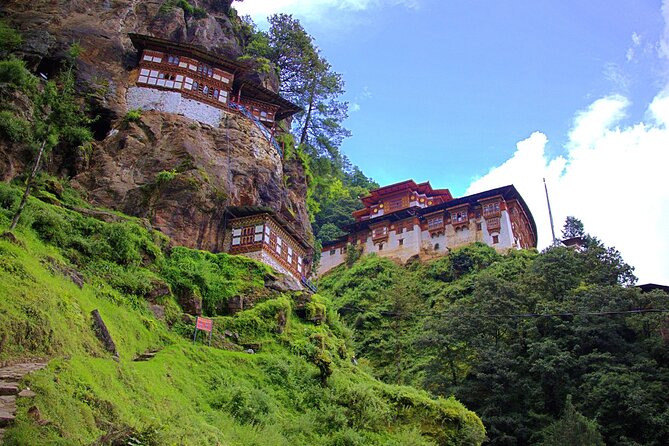
- Taktsang Monastery hike: A longer hike day (roughly 2 to 2.5 hours one way) with included entry.
- Home-style dinner option in Paro: Tshering Farmhouse dinner adds a local-feeling close to the trip.
Why this Bhutan 6-day route (Paro–Thimphu–Punakha) fits together
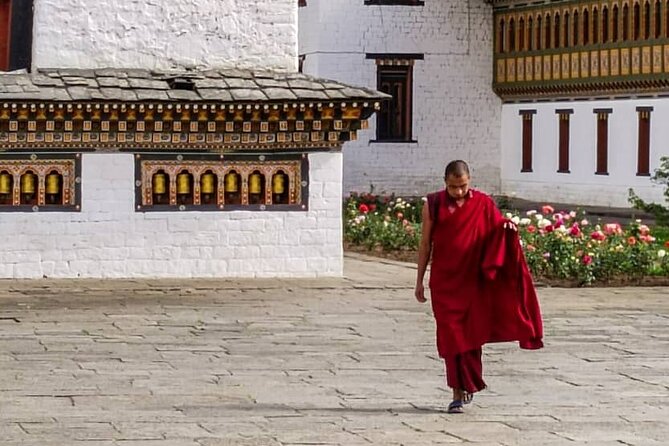
This itinerary works because it follows how Bhutan actually feels. You start in the capital with craft, temples, and everyday spiritual life. Then you move into valley Bhutan with Punakha, where the architecture and river scenery hit harder. Finally you close in Paro with the monastery hike that almost everyone comes for.
A helpful detail: you’re not just ticking boxes. You get short visits to multiple meaningful sites—bridges, nunneries, museums, and dzongs—so the trip feels like you’re getting bearings, not chasing one viewpoint after another.
Also, it’s built for a leisurely pace. Many stops are around 30 to 50 minutes, with room to absorb, photograph, and just watch life happen.
You can also read our reviews of more tours and experiences in Thimphu
Price and logistics check: what $1,100 really means (and what to budget)
The listed price is $1,100 per person for about 6 days, with 3-star hotel accommodation, all transport, and a licensed Bhutanese English-speaking guide included. Monument fees for dzongs and temples, plus museum fees, are also covered. That matters because in Bhutan, those entries can add up quickly and you don’t want to figure it out mid-trip.
Meals are another value piece. You get breakfast 5 times, lunch 6 times, and dinner 6 times. In practice, that means you spend less time searching for food and more time moving from one spiritual sight to the next.
Two add-ons to budget up front:
- Sustainable Development Fee (SDF): $500 per person (not included)
- Visa fees: $40 per person (not included)
So the real all-in number is higher than the headline price. If you plan for SDF + visa before booking, you’ll feel in control instead of surprised.
Day 1 in Thimphu: Tachogang Lhakhang bridge, takin, nuns, and handmade paper
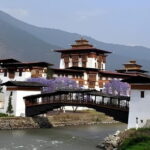
Day 1 is a smart warm-up day. It starts with Tachogang Lhakhang Bridge, a quick stop near the Paro–Thimphu highway. It’s short (about 30 minutes) but worth it if you like photography and quiet roadside views. These bridges often give you that classic Bhutan look—religious detail, hills in the background, and space to breathe.
Next comes the Motithang Takin Preserve, sometimes called a mini zoo. This is where you see the takin, Bhutan’s national animal—often described as a goat-cow hybrid. It’s a rare chance to connect wildlife with culture, not just view it from afar.
Then you shift into spiritual atmosphere with Thangthong Dewachen Nunnery (also known as Druthob Goemba / Zilukha Nunnery). It’s peaceful, and the details matter: it houses around 60 nuns. Even if you keep your visit brief, the setting gives you that calm Bhutan vibe.
After that, you get hands-on Bhutan crafts at Jungshi Handmade Paper Factory. Traditional Bhutanese paper is made by an older method rather than modern mass production, and that’s the point. This stop helps you understand Bhutan’s material culture, not just the religious sites.
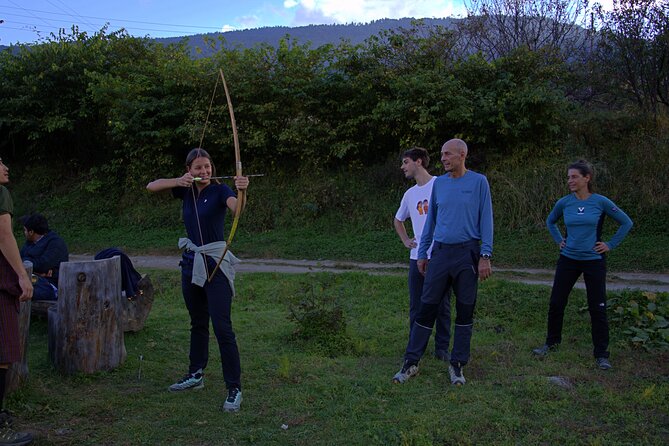
You finish the day at Changlimithang Stadium & Archery Ground. Archery is part of Bhutan’s identity, and this stop keeps the tour from becoming only temple-and-museum. It’s also an easy place to ask your guide about Bhutanese sports and community life.
Day 2 in Thimphu: Tango Institute, crafts school, museum time, and Tashichho Dzong
Day 2 keeps you in Thimphu but changes the flavor. The Tango Buddhist Institute sits about 14 kilometers outside the city center. It’s a serenity break in a valley setting, with a history that goes back to the 13th century. If you’re tired of busy streets, this stop is a reset.
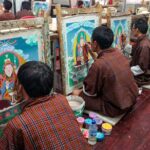
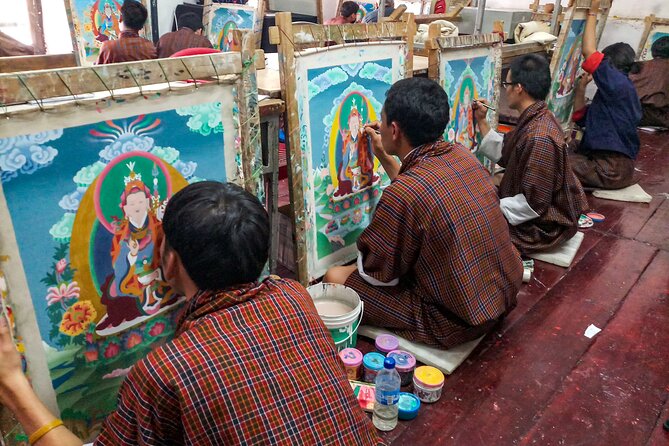
From there, you go to education and preservation at the National Institute for Zorig Chusum. This is the arts and crafts school dedicated to keeping traditional skills alive. If you’re the type who likes to understand what’s being taught—and why—you’ll probably enjoy this one.
You then hit the National Folk Heritage Museum, which is geared toward preserving and showcasing traditional Bhutanese culture. It’s a good “slow down” stop when you want facts without walking uphill for a second.
If your timing lines up with the weekend, there’s also the Centenary Farmers Market stop. It’s a short visit, so treat it as a taste: local produce, artisans, and everyday life rather than a full shopping spree.
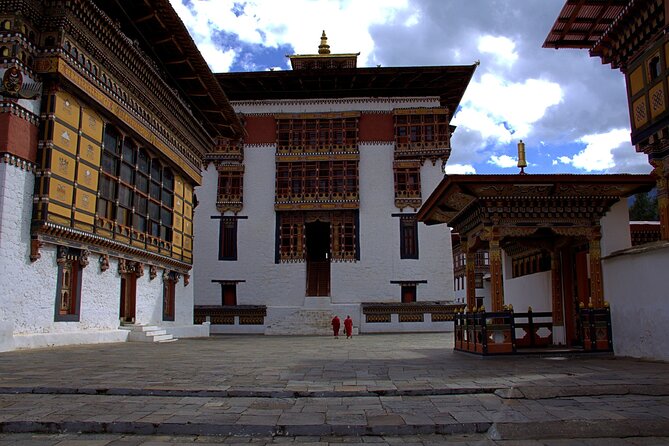
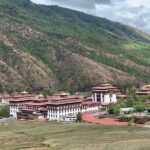
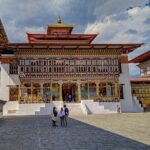
Finally, you end at Tashichho Dzong (Thimphu Dzong). The architecture and story give you a sense of how Bhutanese power and spirituality overlap. It’s also marked as having admission included, so you’ll get time inside rather than just outside sightseeing.
Day 3: From Buddha Dordenma and Dochula Pass to Punakha Dzong and the Pho Chhu bridge
Day 3 is where the scenery starts feeling more dramatic. You begin with Thimphu Memorial Chorten, a daily place of worship for locals. It’s one of those stops that works even when you only spend 30 minutes, because you’re watching real routine—not staged tourism.
Next is Buddha Dordenma in Kuensel Phodrang Nature Park. It’s a massive Buddha statue overlooking Thimphu, so it’s built for the view. The best part isn’t just seeing it—it’s feeling the scale once you’re standing there.
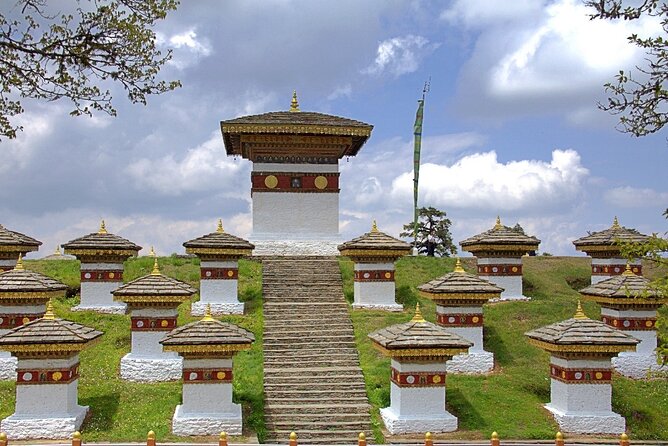
Then you drive to Dochula Pass, around 3,100 meters. This stop is all about the shift in air and perspective. Even without turning it into a long photo session, it’s a useful break between Thimphu city energy and Punakha’s valley calm.
You drop into Punakha territory with Chimi Lhakhang Temple near the village of Sopsokha. It’s often called the fertility temple, and it’s especially popular among couples. If you’re visiting with a partner, this is a memorable emotional stop; if not, it still gives you a clear example of how faith shows up in people’s lives.
Then it’s the big one: Punakha Dzong at the confluence of the Pho Chhu River. This is one of Bhutan’s most iconic dzongs, and the location is part of the experience. The river setting gives the architecture more drama than you’d get in a flat plain.
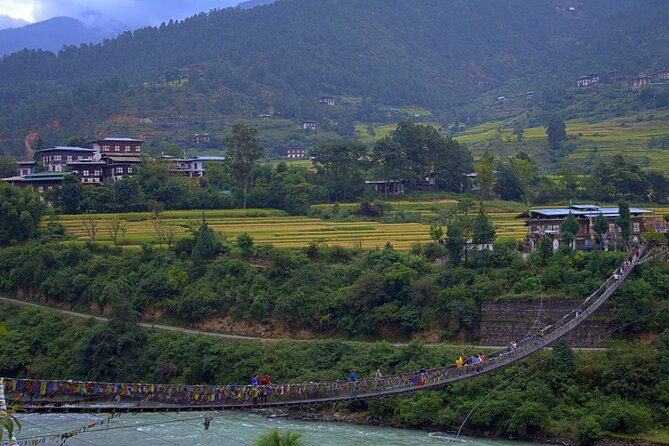
You cap the day with the Punakha Suspension Bridge, spanning 160 meters over the Pho Chhu. It connects Punakha Dzong with villages and agricultural lands. The bridge can gently sway in the wind, so bring the same attitude you’d bring to a scenic rope bridge back home: watch your footing, enjoy the motion, and don’t rush.
Day 4 in Punakha/Paro area: Khamsum chorten hike, museum stop, and Rinpung Dzong
Day 4 starts with a hike to Khamsum Yulley Namgyal Chorten. The key detail here is the payoff: you’ll have views of rice terraces along the river. That’s the kind of scenery that makes a short hike worth it, because the return feels like a reward rather than a chore.
Then it’s back to cultural learning at the National Museum. It’s located near Paro Dzong, so it fits well with a Paro-area day plan. The museum focuses on Bhutanese heritage through well-preserved artifacts, which is a nice contrast to all the outdoor temple time.
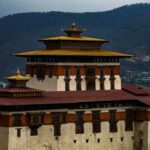
After that, you visit Rinpung Dzong (also known as Paro Dzong). The important bit from the description: it was built in 1644 under the order of Zhabdrung Ngawang Namgyal. Dzongs aren’t just pretty; they’re power centers, administrative hubs, and religious sites all at once.
There’s also time at Namgay Artisanal Brewery in Paro. It’s listed as not included for admission, but it’s part of the itinerary framework. If you want a break from temples and want to taste something modern in a traditional setting, it’s an easy option.
Day 5 in Paro: Taktsang Monastery hike plus a local dinner at Tshering Farmhouse
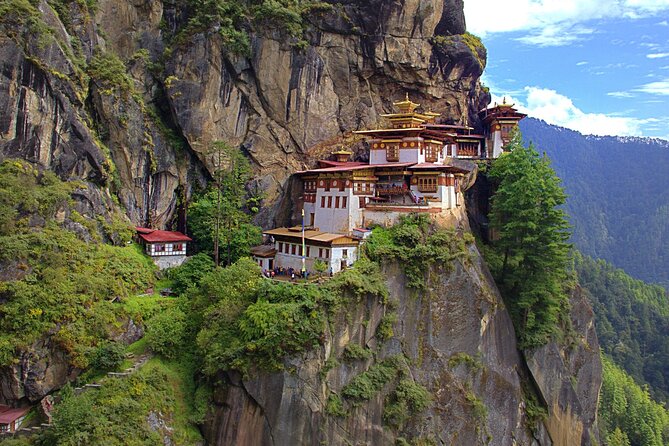
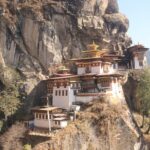
This is your signature day. Paro Taktsang is approached by a breakfast hike. The walking time is about 2 to 2.5 hours one way, so plan on a full commitment: about 6 hours total is listed for the day portion.
Taktsang Monastery is famous for its cliffside position in the upper Paro Valley. The practical reality is that this hike rewards steady pace and good footwear. You’ll want layers too—mountain weather can change fast, and you’re spending hours outside.
After the big hike, you get a calmer buffer: stroll around Paro downtown for souvenirs. It’s listed at about an hour. Keep it light and fun. Use this time to buy small things you’ll actually bring home, not just random trinkets you’ll regret later.
Then you shift into a more personal experience with Tshering Farmhouse. This is dinner in Bhutanese home-style hospitality. The value here isn’t a checklist item—it’s the chance to see how people host and how daily life tastes. It’s also a good moment to ask your guide about food and family life.
Day 6 wrap-up: bird’s eye viewpoint and back to Paro Airport
Day 6 is intentionally low-pressure. You drive to the Paro Airport Bird’s Eye View Point for about 20 minutes, then you head to the airport for your onward destination. That short viewpoint time is a nice way to end, because you’re still getting a final fix of mountain and valley views without adding more walking.
At the end, the tour activity ends back at the meeting point—Paro Airport—so you don’t need to figure out last-day logistics.
Who this tour is best for (and who should pick a different style)
This tour fits best if you want:
- A first-timer Friendly Bhutan rhythm (Paro + Thimphu + Punakha in one trip)
- A balance of dzongs, temples, museums, and one major hike
- Clear planning support via a licensed guide and included transport
It may not fit you as well if:
- You hate hikes. Taktsang is long, and your day starts early with a breakfast hike.
- You want long time at each site. Many stops are fairly short, designed to cover more than one “must-see” per day.
If you’re traveling as a couple, this style works well. If you’re traveling with family, it can also work, but you’ll want to gauge fitness for Taktsang and the Khamsum chorten hike.
Should you book 6 Days Bhutan Tour – Punakha?
I think this is a solid booking if you’re ready for Bhutan’s structure: early starts, spiritual sites, and occasional hikes with a big payoff. The included guide, transport, and monument fees reduce stress a lot, and the meal plan helps keep the day moving.
Book it if you want the classic Bhutan highlights—Tashichho Dzong, Punakha Dzong, Punakha Suspension Bridge, and the Taktsang hike—without building your own logistics puzzle.
Think twice if the SDF and visa costs will surprise you, or if you know you won’t handle a long hike day. If you can plan for those, this tour is good value for a well-paced, culturally grounded Bhutan sampler.
FAQ
What does the $1,100 per person price include?
It includes accommodation in 3-star hotels, all transport (transfer & sightseeing), monument fees for dzongs and temples and museum fees, a licensed Bhutanese English-speaking tour guide, plus meals (6 dinners, 5 breakfasts, and 6 lunches).
Are entry fees for major sites included?
Yes. Monument fees for dzongs and temples, and museum fees, are included in the tour package.
Do I get pickup and where does the tour start and end?
Pickup is offered. The tour starts at Paro Airport (Paro Bhutan) and ends back at the meeting point.
How long is the tour?
It’s listed as 6 days, approximately.
Is this tour private?
Yes. It’s described as a private tour/activity, meaning only your group will participate.
What major hike is included?
Paro Taktsang is included as a breakfast hike, with walking time listed as about 2 to 2.5 hours one way (total day time listed as 6 hours). There’s also a hike to Khamsum Yulley Namgyal Chorten.
Are the SDF and visa fees included?
No. The Sustainable Development Fee (SDF) of $500 per person and visa fees of $40 per person are listed as not included.