REVIEW · THIMPHU
Glimpse of Bhutan
Book on Viator →Operated by OMSHA Travel - Travel Guide to Bhutan · Bookable on Viator
Bhutan feels close after five days. This Glimpse of Bhutan tour packs Thimphu and Paro into a tight, well-paced circuit, with the famous cliffside Paro Taktsang hike as the big payoff.
I love how much daily variety you get without feeling rushed: prayer and ritual at the Memorial Chorten, a look at the national animal at the Motithang Takin Preserve, plus hands-on Bhutanese craft time at a handmade paper factory. Your licensed Bhutanese tour guide also helps turn each stop from a photo op into something you can actually understand.
One thing to plan for: some days are built around walking, especially Paro Taktsang with a hike of about 2 to 2.5 hours one way. If the sky is hazy, your view expectations for higher spots like Dochula Pass (3,100 meters) will be more limited.
In This Review
- Key highlights worth clocking
- Your 4 Nights in Bhutan: Thimphu and Paro in One Loop
- Day 1 Thimphu: Iron Chains, Memorial Chortens, Takin, and Archery
- Day 2 Dochula Pass and Punakha: Fertility Blessings and a 160m Swaying Bridge
- Day 3 Ridge Views and Paro Fortresses: Khamsum and Rinpung Dzong
- Day 4 Paro Taktsang on the Cliff and Rural Life at Tshering Farmhouse
- Day 5 Farewell With the Paro Airport Bird’s Eye View Point
- Budget Reality Check: What $850 Covers, Plus SDF and Visa
- How Hard Is This Tour? Walking Times and Altitude Notes
- Practical Tips That Make This Bhutan Trip Feel Easier
- Who Should Book This Glimpse of Bhutan Tour
- Should You Book This Glimpse of Bhutan Tour?
- FAQ
- How long is the Glimpse of Bhutan tour?
- Where does the tour start and end?
- Is pickup from Paro included?
- What’s included in the price?
- What is not included?
- Is this a private tour?
- What does the Paro Taktsang hike involve?
- Is there free cancellation?
- Can most travelers participate?
Key highlights worth clocking
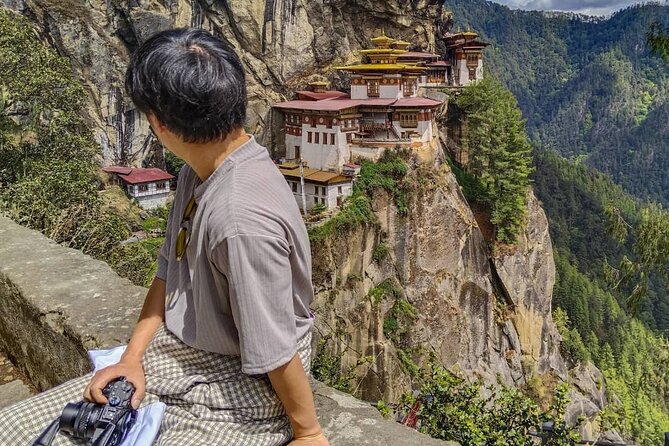
- Paro Taktsang hike: the classic cliff monastery hike is the tour’s main physical moment
- Thimphu’s cultural run: chortens, a nunnery, handmade paper, and local archery in one day
- Punakha in two forms: Punakha Dzong plus a 160m suspension bridge over the Phochu River
- Craft time in Paro: a weaving center and a farmhouse visit for rural context
- Built-in viewpoints: Buddha Dordenma area and Khamsum Yulley Namgyal Chorten for ridge panoramas
- Simple logistics: pickup/drop in Paro with private transportation and included meals
Your 4 Nights in Bhutan: Thimphu and Paro in One Loop
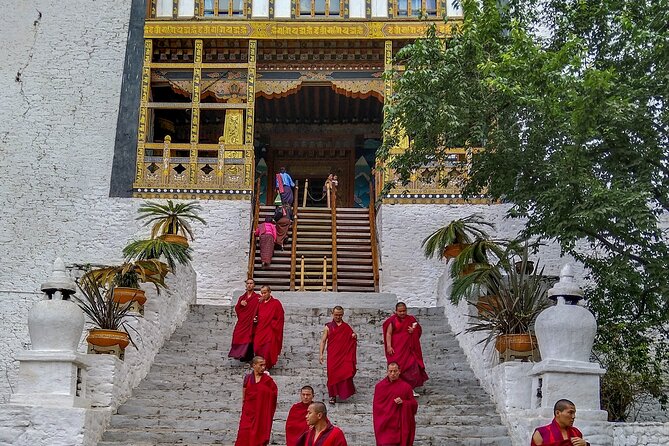
This is a short Bhutan taste that does not try to be everything. You base in the main areas of Thimphu and Paro, then link them through the “must-see” religious and scenic stops along the way. The practical win is that you’re not spending half your trip in transit with constant packing and unpacking.
The pace is busy but workable. You get a licensed Bhutanese guide, 3-star accommodation, monument/museum fees, and a full set of included meals for four lunches, four dinners, and four breakfasts. That matters in Bhutan because it reduces decision fatigue. You can focus on what you came for: dzongs, monasteries, temples, and the everyday places that locals actually use.
Also, it’s a private tour for your group, with pickup/drop at Paro International Airport. That usually means fewer wait times and less time standing around trying to find everyone.
You can also read our reviews of more tours and experiences in Thimphu.
Day 1 Thimphu: Iron Chains, Memorial Chortens, Takin, and Archery
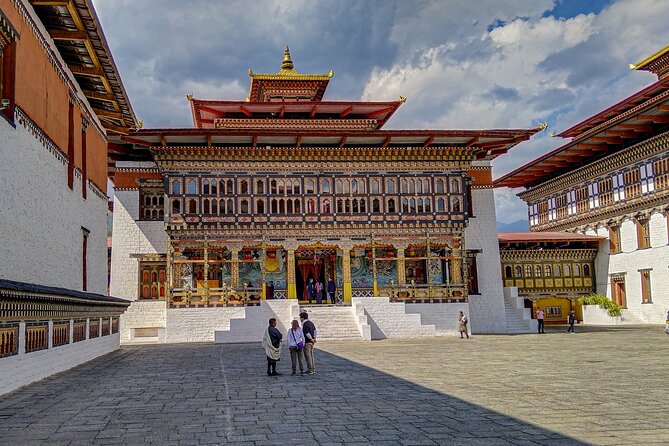
Day 1 feels like a curated introduction to how Thimphu works—religion, community, and craft all in the same urban frame.
Tachogang Lhakhang Bridge (Tamchogang) is your first stop: a quick 30 minutes at an old Iron Chain bridge. It’s ticket-free on the schedule, so it functions as an easy warm-up. The charm here is the simplicity: you’re not being asked to “tour” the bridge so much as to notice the engineering and the tradition behind it.
Next you head to the Thimphu Chorten (Memorial Chorten). Plan about 40 minutes. This is the kind of place where the most interesting part is watching. You’ll see elderly people pray and circumambulate the stupa, moving in a steady rhythm that makes the whole site feel alive without needing any special performance.
Then comes a fun, very Bhutan-specific stop: Motithang Takin Preserve. With admission included and about 40 minutes on the clock, this is your chance to see the takin, Bhutan’s national animal. I like this kind of stop because it breaks up the day’s pattern of temples and forts with something more animal-focused, and it gives you a better sense of what Bhutan chooses to protect and celebrate.
A quieter mood follows at Thangthong Dewachen Nunnery, also known as Zilukha Nunnery or Druthob Goemba. You’ll have about 30 minutes. The site is described as peaceful and home to around 60 nuns. Even if you only stay for a short visit, it helps you understand that Bhutan’s spirituality is not just something you view from the outside.
After that, you get hands-on with Jungshi Handmade Paper Factory. The visit runs about 30 minutes and is ticket-free. Handmade paper is one of those “small” crafts that tells big stories: tradition passed down through generations, techniques that exist because people still value them. It’s a good place to ask questions, and your guide can help you connect the craft to daily life and religious practices.
If you’re ready for something more energetic, Changlimithang Stadium & Archery Ground brings you right into a Bhutanese tradition that goes beyond sport. You’ll have about 30 minutes here, and it’s ticket-free. In Bhutan, archery is cultural, not just competitive—so watching locals practice gives you a more grounded feel for how customs show up in everyday space.
Finally, you’ll end the day with a mix of civic and religious landmarks:
- Centenary Farmers Market (about 40 minutes, ticket-free): a place to see what people shop for and how the city moves.
- Tashichho Dzong (about 50 minutes, ticket-free): the major fortress-and-monastery complex that also serves as the seat of the Bhutanese government.
Day 1 is a lot of stops, but it’s also a strong “orientation day.” You get your bearings fast and learn what matters locally: devotion, craft, and community rhythm.
Day 2 Dochula Pass and Punakha: Fertility Blessings and a 160m Swaying Bridge
Day 2 takes you out of Thimphu toward Punakha, with two major viewpoints along the way.
You start with Buddha Dordenma at Kuensel Phodrang. It’s about 40 minutes, with admission included, and you get some of the best views over the Thimphu valley when conditions are clear. Even if the weather isn’t perfect, the scale and placement of the statue area makes it feel like a serious viewpoint, not a quick roadside photo.
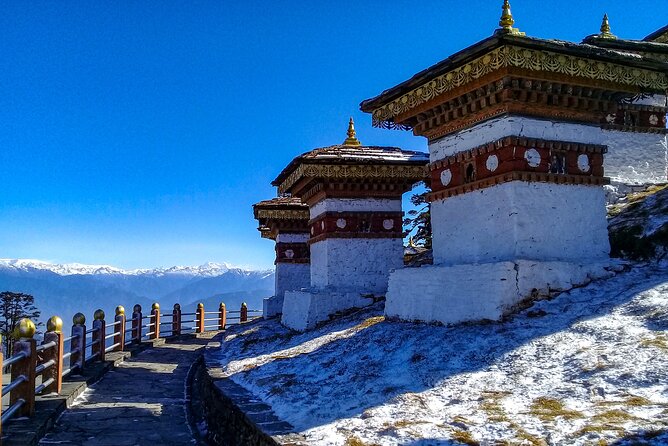
Then it’s up to Dochula Pass, around 3,100 meters, about 45 minutes. Ticket-free here. On a clear day, you can see Himalayan peaks snowclad mountains from the pass. If clouds roll in, you’ll still get the sense of altitude and the pause of being up high, but the famous distant views won’t be as strong—so I’d keep your expectations flexible.
From the heights you shift into a more personal, human side of Buddhism and local belief at Chimi Lhakhang Temple (about 1 hour, ticket-free). This is a fertility temple tied to Lam Drukpa Kuenley, often called the Divine Madman. The point of the visit is cultural meaning: many childless couples come here for blessings. It’s one of those stops where your guide’s explanation really affects how the temple lands with you.
Then you arrive at Punakha Dzong, one of Bhutan’s most important dzongs. You’ll spend about 55 minutes, with admission included. Punakha Dzong is known for its beauty and for its location at the confluence of the Phochu. That setting matters—the building doesn’t feel isolated. It feels linked to water, agriculture, and community life.
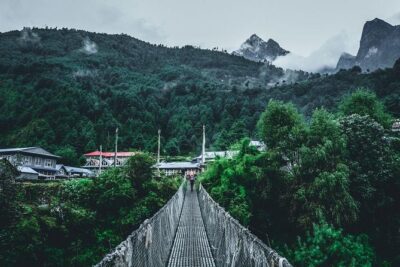
To finish the day, you cross Punakha Suspension Bridge, spanning 160m over the Phochu River. About 40 minutes and ticket-free. It gently sways in the wind, and that small thrill is a nice counterpoint to the religious stillness of the dzong. It also connects you with nearby villages and agricultural lands, so the bridge feels like more than a crossing—it feels like part of the area’s daily structure.
Day 3 Ridge Views and Paro Fortresses: Khamsum and Rinpung Dzong
Day 3 is about turning your attention from the big dzongs to the “in-between” spiritual landscapes and town life.
You start with Khamsum Yulley Namgyal Chorten, about 2 hours and ticket-free. It’s positioned on a ridge above the Punakha Valley and is described as offering panoramic views of mountains and rice fields. The trail is part of the experience; you’re not just seeing the chorten, you’re walking into it. This stop is great when you want scenery plus a bit of movement without a major hike commitment.
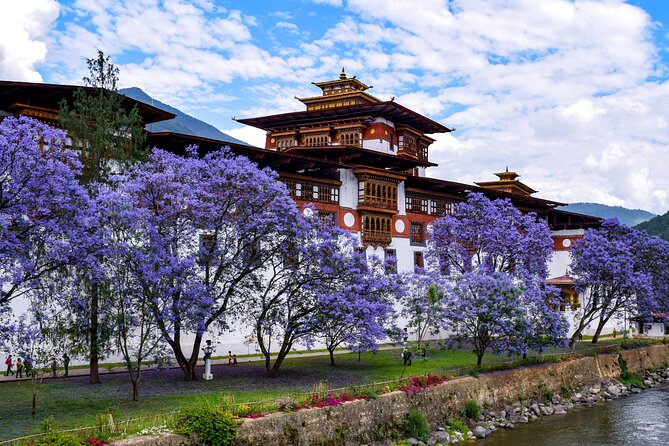
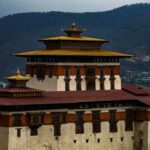
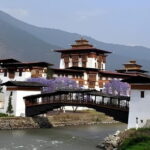
From there, you move to Rinpung Dzong in Paro. You’ll spend about 50 minutes, ticket-free. This fortress-and-monastery complex sits on the banks of the Paro River and traces back to the 15th century. What I like here is that it’s visually dramatic without needing theatrics. If you pay attention to the placement and the river setting, the dzong starts to make sense as a strategic, not just scenic, choice.
Next is a break from stone and prayer walls: Chencho Handicrafts in Paro Town. Expect about 20 minutes, ticket-free. This weaving center lets you see traditional Bhutanese weaving with local artisans working. I find weaving centers especially valuable on short trips because they show how culture gets made, not just where culture was built.
Then it’s Paro Town time, about 1 hour and ticket-free. You can sip coffee at a local cafe, shop for handmade souvenirs, or simply slow down with the mountains in the background. This part matters because it gives you a chance to breathe before Taktsang day.
Day 4 Paro Taktsang on the Cliff and Rural Life at Tshering Farmhouse
This is the day that most people remember: Paro Taktsang.
You’ll set off for the hike to Taktsang Monastery, about 2 to 2.5 hours one way. The schedule lists about 5 hours total, with admission included. The monastery sits on a cliff in the upper Paro Valley, tied to the story that Guru Rinpoche flew here. Whether you’re into the legend or just into viewpoint locations, the structure’s cliffside placement is what makes Taktsang so compelling.
A practical note: this is a hike day, so you’ll want to show up mentally ready for walking time, not just sightseeing time. Your guide will keep you on track, but the physical commitment is real.
After Taktsang, you shift into lighter, more local experiences.
At Namgay Artisanal Brewery you get about 1 hour. Admission is ticket-free on the schedule. It’s a microbrewery producing craft beers using locally sourced ingredients and traditional brewing techniques. If you drink, it’s a fun contrast day. If you don’t, it still works as a relaxed break in Paro.
Then comes a cultural “soft landing” at Tshering Farmhouse. You’ll spend about 40 minutes, with admission included. This stop is specifically about rural Bhutanese life and hospitality. You might find that talking with the hosts (as allowed) gives you a different understanding of Bhutan than temples alone do.
Day 5 Farewell With the Paro Airport Bird’s Eye View Point
On your final day, you don’t get a hard schedule of new sightseeing. You drive to Paro Airport Bird’s Eye View Point for about 30 minutes, ticket-free, then continue to departure.
This is a nice way to close the loop: you get a last look down at the valley rhythm before you leave. And since the tour ends back at the meeting point, it keeps things clean and predictable.
Budget Reality Check: What $850 Covers, Plus SDF and Visa
Let’s talk value without pretending Bhutan is cheap.
The tour price is $850 per person and is for a 5-day program in Thimphu and Paro, including:
- private transportation for transfers and sightseeing, with pickup/drop in Paro
- 3-star accommodation
- monument/museum fees
- a licensed Bhutanese tour guide
- 4 breakfasts, 4 lunches, 4 dinners
- the main guided stops and the Paro Taktsang admission on the schedule
That’s a lot included for the base price, especially meals and guide time. Food and entry fees add up fast on your own in many countries, and having a guide helps you get better use out of the time you do have.
But there are two big extras you must budget for:
- Sustainable Development Fees: $700 per person (not included)
- Visa fee: $40 per person (not included)
And of course flights are not included. Drinks and personal expenses are also not included.
So when you evaluate whether $850 is a good deal, I’d treat it like the package cost before the required fees and flights. Once you add SDF, the total spend rises quickly, which is common for Bhutan and matters for planning.
How Hard Is This Tour? Walking Times and Altitude Notes
This tour is mostly walkable sightseeing, with one major hike day.
The biggest physical requirement is Paro Taktsang: about 2 to 2.5 hours one way. You should plan for a full day built around that hike, with about 5 hours total on the schedule.
You also get smaller walking commitments:
- Khamsum Yulley Namgyal Chorten includes about 2 hours and involves a trail up to the ridge
- Chimi Lhakhang Temple is about 1 hour
- other stops are mostly 30 to 55 minutes, so they’re easier to handle
Altitude shows up in the itinerary too:
- Dochula Pass is at 3,100 meters
- the tour includes viewpoint stops where weather can affect what you see
If you’re the type of traveler who wants short walks only, this might feel too active. If you’re comfortable hiking and walking for hours, you’ll likely find the pace exciting rather than draining.
Practical Tips That Make This Bhutan Trip Feel Easier
A few things I’d do to get more enjoyment out of this exact style of itinerary:
- Dress for layers: temple and viewpoint days can feel cool, especially around higher spots like Dochula Pass.
- Treat Taktsang as the main event: keep your energy for the hike day, not for trying to squeeze extra shopping after.
- Ask your guide to explain the why: places like Thimphu Memorial Chorten and Chimi Lhakhang Temple only click when you understand what people are doing there and why.
- Plan for changing visibility: Dochula Pass views depend on clarity. If it’s cloudy, you’ll still enjoy the experience; just adjust what you’re hoping to see.
- Use Paro Town time wisely: that 1-hour block is your buffer. If you want souvenirs, coffee, or a slower moment, do it then.
This tour is also designed for straightforward logistics: private transportation, pickup/drop in Paro, and a mobile ticket. That’s helpful if you want Bhutan without the puzzle-solving.
Who Should Book This Glimpse of Bhutan Tour
This trip fits best if you want:
- a short Bhutan introduction focused on the classic places in Thimphu and Paro
- a mix of temples, dzongs, and cultural craft stops
- one meaningful hike day (Taktsang) rather than a marathon of long trekking
It may not fit if:
- you dislike hiking and long walking blocks
- you want lots of downtime with minimal schedules
- you’re traveling with limited mobility and prefer very easy sightseeing (the itinerary includes a major one-way hike)
If your ideal vacation is a well-organized route with a licensed guide and meaningful stops, this “glimpse” approach is exactly the right length.
Should You Book This Glimpse of Bhutan Tour?
If your budget can handle the base package plus the SDF ($700) and visa ($40), I’d say this is a strong way to get your Bhutan footing fast. The value is in the package structure: guide, transportation, accommodation, and meals are already handled, and the stops are varied enough that you don’t get bored between temples and viewpoints.
The one big reason to pause is the hike day: Paro Taktsang is not a casual walk. If you’re comfortable with that commitment, book with confidence and plan your schedule around that day.
If you’d like, tell me your travel month and fitness level, and I can suggest what to prioritize (and what to keep flexible) for the best views.
FAQ
How long is the Glimpse of Bhutan tour?
It’s a 5-day trip (about 4 nights and 5 days) in Thimphu and Paro.
Where does the tour start and end?
The tour starts at Paro International Airport and ends back at the same meeting point.
Is pickup from Paro included?
Yes. Pickup and drop in Paro are included as part of the private transportation.
What’s included in the price?
The package includes private transportation for transfer and sightseeing, 3-star accommodation, monument/museum fees, a licensed Bhutanese tour guide, and meals: 4 breakfasts, 4 lunches, and 4 dinners.
What is not included?
Not included are flights, drinks & beverages, personal expenses (like laundry and tips), travel insurance, the Sustainable Development Fees of $700 per person, and the visa fee of $40 per person.
Is this a private tour?
Yes. It’s a private tour/activity, and only your group will participate.
What does the Paro Taktsang hike involve?
The hike to Taktsang Monastery is listed as about 2 to 2.5 hours one way, with about 5 hours allocated for the full experience.
Is there free cancellation?
Yes. You can cancel for a full refund if you cancel up to 24 hours in advance.
Can most travelers participate?
The information provided says most travelers can participate, and it also notes the area is near public transportation.