REVIEW · KATHMANDU
Mt Everest Base CampTrek | Budget Package
Book on Viator →Operated by Adventure Vision Treks and Travels · Bookable on Viator
Few places feel this close to Everest. This budget trek strings together classic Sherpa villages, high-altitude tea houses, and the pre-dawn climb to Kala Patthar for big summit views. You also get solid logistics support in Kathmandu, plus an English-speaking trekking guide and a small group size (up to 15).
What I like most is the value math: your package covers round-trip KTM–Lukla–KTM flights and 10 nights in tea houses, not just the trail. I also appreciate how the setup is designed to keep you safe on a tight budget, with a medical kit, certificates, and prep sessions—plus the coordination support from Jiban and the on-trail guidance style of Tony and Tika. One drawback to plan around: meals are not included (breakfast, lunch, and dinner), so your real day-to-day cost depends on how you eat and drink along the way.
Key things I’d put on your shortlist
- Kala Patthar at pre-dawn: your best shot at seeing Everest, the South Col area, Nuptse, and lower glaciers from very high ground.
- Lukla flights included: the trek starts with the dramatic jump into the Everest region.
- Tea house lodging for 10 nights: you’ll sleep simple, warm-ish, and close to the trail rhythm without carrying camping gear.
- Altitude built into the schedule: Namche and Dingboche have acclimatization days, and you don’t just rush upward.
- Small group feel (max 15): easier pacing, fewer bottlenecks at viewpoints and popular stops.
- Guides that stay patient and practical: Tony and Tika are highlighted for clear guidance and steady help on the climb.
In This Review
- A Budget Everest Base Camp Trek That Still Feels Like Everest
- Price and Logistics: What $400 Covers (and What It Won’t)
- Kathmandu to Lukla: The Start That Turns Plans Into Reality
- Day 3 to Day 7: Namche to Tengboche to Dingboche
- Lobuche, Gorak Shep, and Everest Base Camp: The Highest Commitment
- Kala Patthar at Pre-Dawn: Why People Remember This Part
- Coming Down: Namche to Lukla and Back to Kathmandu
- Tea Houses and Meals: The Real Day-to-Day Budget
- Guides, Coordination, and Group Size: Where Comfort Gets Built
- Safety and Altitude: How to Make This Trek Feel Hard in a Good Way
- Should You Book This Everest Base Camp Budget Package?
- FAQ
- Is this trek actually going to Everest Base Camp?
- How long is the trek?
- Are flights between Kathmandu and Lukla included?
- Where does the trek start?
- Are meals included in the package price?
- What kind of fitness level do I need?
- What’s the group size limit?
- What happens if weather is bad?
A Budget Everest Base Camp Trek That Still Feels Like Everest
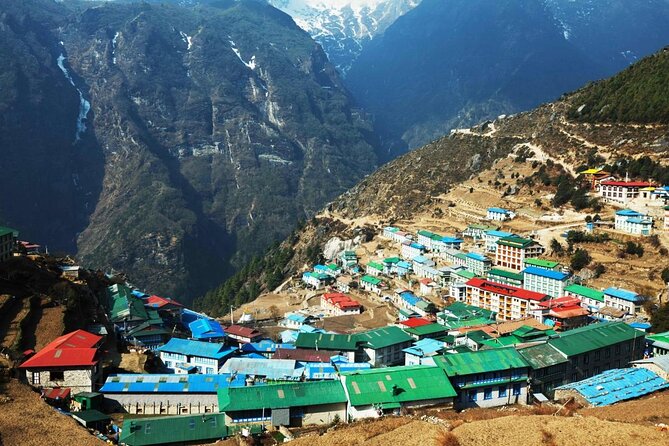
You’re going after the big one: Everest Base Camp. That means you’re not just doing a sightseeing walk. This is a full trekking route with altitude changes that steadily turn the air thinner and the scenery larger.
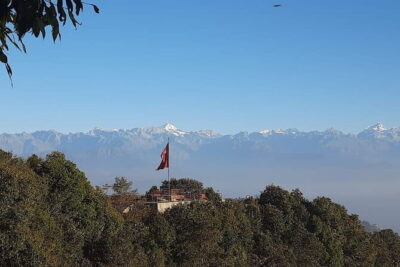
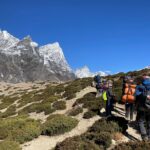
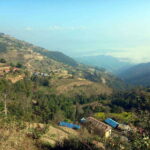
The plan also gives you a classic rhythm for this region. You’ll move through Sherpa village life (Namche and Tengboche), then push into the higher, rockier world where the trail feels steeper and the weather matters more. Above the tree line, the views sharpen—more sky, more exposed ridgelines, and peaks appearing close enough to make you pause and stare.
What makes the trek especially interesting for a budget package is how much of the “hard work” is handled for you. You still trek on your own legs, but flights, lodging, and a capable guide remove the guesswork that can blow up a budget quickly in Nepal.
Price and Logistics: What $400 Covers (and What It Won’t)
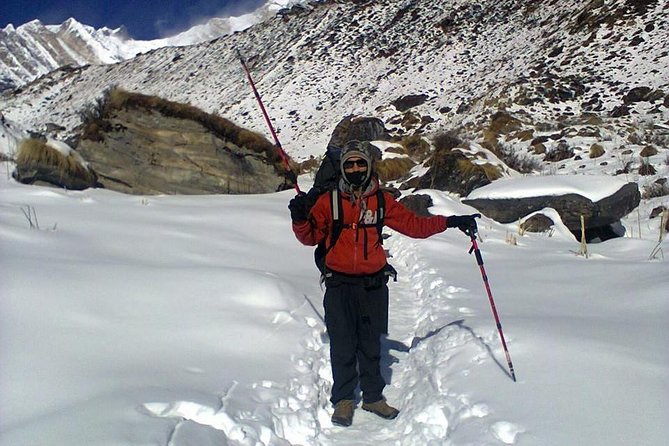
On paper, $400 for Everest Base Camp sounds almost too low. Here’s the honest breakdown of what’s included: 10 night tea house accommodation, round-trip flights between Kathmandu and Lukla, private transportation pick-up and drop in Kathmandu, an English speaking trek guide, a comprehensive medical kit, and taxes/local government costs. You also get preparatory sessions before and after your trek.
That’s a lot of real costs, especially the flights. Lukla flights aren’t cheap, and they’re usually the part that people struggle to plan when they’re trying to go “budget.”
What’s not included is the stuff that quietly adds up for many hikers:
- Visa cost and international airfare
- Insurance cost
- Trekking equipment
- Meals: breakfast, lunch, dinner are not included
- Drinks and beverages
- Tips and personal expenses
So the real value question is this: if you can travel light, eat reasonably at tea houses, and carry the right gear, this package looks like a strong deal. If you’re planning to buy everything last minute or eat out at higher-end places every day, the budget advantage shrinks fast.
You can also read our reviews of more tours and experiences in Kathmandu.
Kathmandu to Lukla: The Start That Turns Plans Into Reality
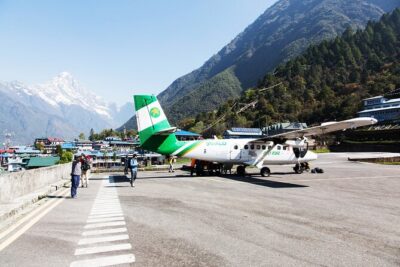
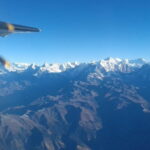
Day 1 is arrival in Kathmandu. Day 2 begins the day you’ve really been saving for: fly to Lukla, then trek to Phakding.
That first walking day is usually manageable in distance and time—about 8 km and 3–4 hours—but it sets the tone. The air feels brisk, the trail runs beside rivers and through small settlements, and you’ll notice quickly that tea houses become your daily anchor. You’re not just hiking; you’re learning the pace of the region.
A practical detail: your package includes pick-up and drop by private transportation in Kathmandu. That’s not glamorous, but it reduces stress on arrival day. You’ll also have a guide from the start, which matters when the route is busy and signage isn’t always obvious.
Day 3 to Day 7: Namche to Tengboche to Dingboche
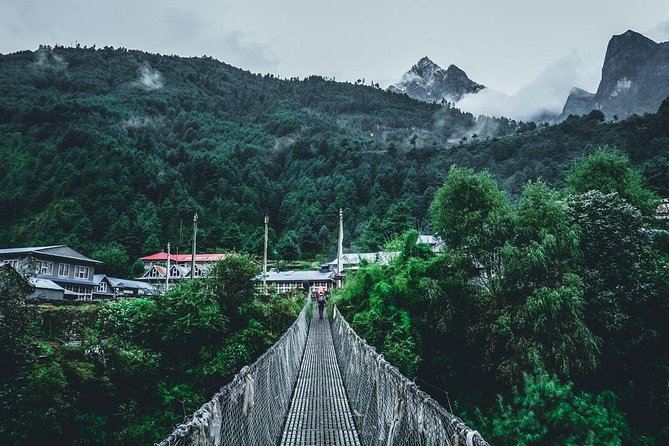
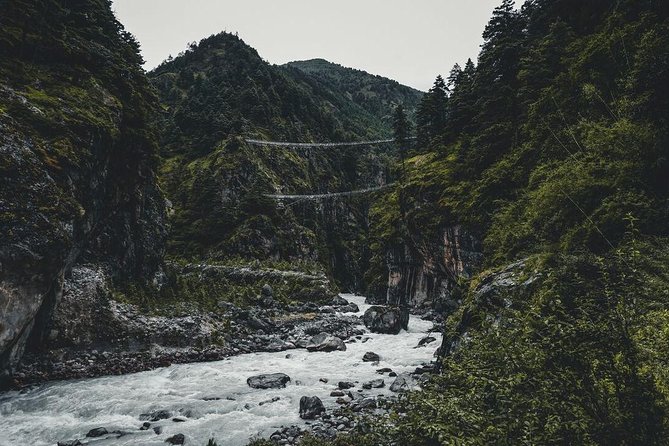
After Phakding, Day 3 reaches Namche Bazaar (about 11 km, 5–6 hours). Namche is where the Everest trek becomes a community. It’s the market town where you’ll find a mix of trekkers, guides, porters, and locals. Even if you don’t shop, it’s useful for recharging your energy and getting your gear sorted.
Then comes the acclimatization day in Namche (Day 4). You’re not “resting” so much as you’re doing a controlled altitude strategy. The goal is to help your body handle the climb. This is one of the biggest reasons the itinerary feels safer than the ultra-fast versions.
Day 5 climbs onward to Tengboche (around 10 km, 5–6 hours). Tengboche is known for its gompa, and this is where the culture of the route shows up strongly. If you’re there during active monastery hours, it can be a peaceful contrast to the physical grind of the trek.
Day 6 takes you to Dingboche (about 9 km, 5–6 hours). Dingboche sits high enough that you’ll feel the altitude more clearly. Day 7 is another acclimatization day in Dingboche. This is the second key “don’t rush it” moment in the itinerary, and it can make a noticeable difference in how you feel later on.
There’s also a scheduled path time in the Dingboche area along the Chhukhung path. That kind of side route is often about stretching your legs and gaining a bit of altitude gradually—useful if you manage effort carefully.
Lobuche, Gorak Shep, and Everest Base Camp: The Highest Commitment
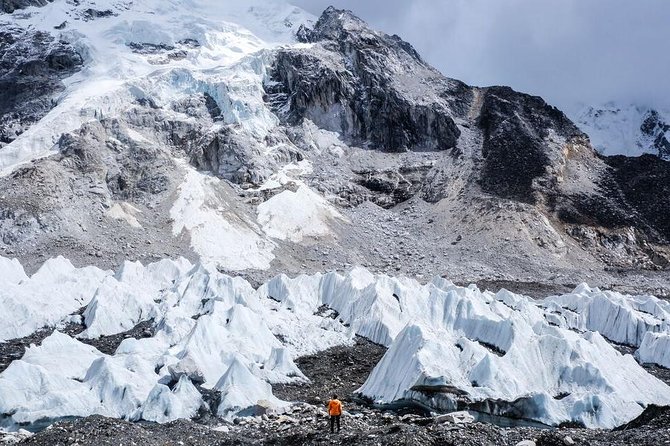
Day 8 heads to Lobuche (about 7 km, 5–6 hours, and the altitude jumps to roughly 4,940 m). Lobuche is where the landscape starts to feel harsher. Less greenery, more stark rock, more wind exposure—your body will tell you you’re higher even when your legs are still working.
Day 9 is the big push: Lobuche to Gorak Shep (about 13 km, 6–7 hours) and then the visit to Everest Base Camp (around 5,364 m). Gorak Shep is a base area where people regroup before the viewpoint work. From here, you’re close to the action of the Everest season, even if the famous summit drama is still far away.
This is also a day to treat effort like a budget. Don’t overspend energy early. Move steadily, drink water, and keep your breathing calm. At these altitudes, the “fast hiking” idea stops working. Your goal is to arrive and enjoy, not to prove fitness.
You also get an extended outing toward Base Camp and nearby points labeled on the route as Everest Camp II. That kind of stop can add variety to the day, but the common thread is the same: expect cold, thin air, and a lot of rock-and-ice scenery.
Kala Patthar at Pre-Dawn: Why People Remember This Part
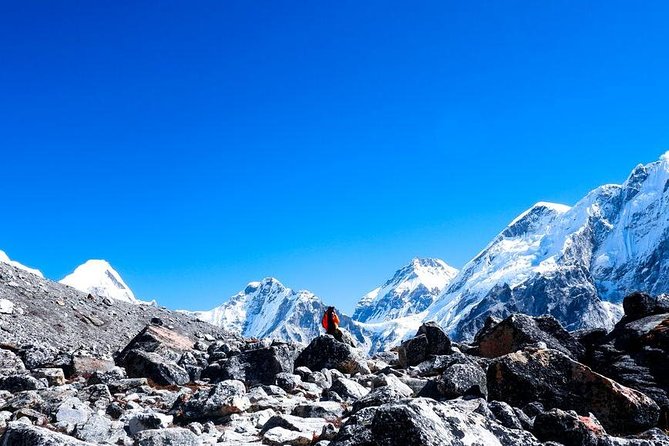
Day 10 is the day you wake up early and climb for Kala Patthar (about 5,545 m). The itinerary notes it as a pre-dawn climb to a popular vantage point.
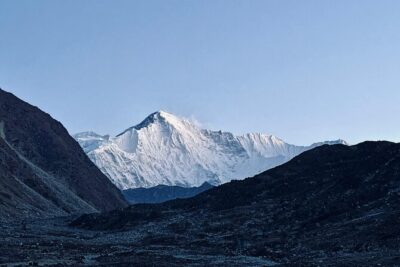
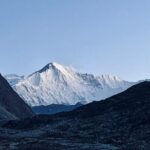
This is the payoff. From Kala Patthar, you’re set up for one of the best views of Everest, the South Col area, Nuptse, and lower glaciers. It’s the moment when the trek stops being about steps and becomes about scale.
After that climb, the plan continues from Kala Patthar to Pheriche (about 16 km, 7–8 hours). Pheriche is lower than where you just climbed, so you’ll feel your body exhale a bit. It’s a relief day in the best sense: still trekking, but the highest altitude drama is behind you.
Coming Down: Namche to Lukla and Back to Kathmandu
Day 11 is Pheriche back to Namche Bazaar (about 20 km, 6–7 hours). That distance sounds long, but downhill at altitude can feel smoother than the uphill grind. Still, it’s a day to watch your feet. Your knees and ankles take a hit when you’re descending for hours.
Day 12 continues with Namche to Lukla (about 19 km, 6–7 hours). This is the final walking stretch before the flights home. Mentally, it often feels like a victory lap even though the legs may still be tired.
Day 13 flies back to Kathmandu. Day 14 is final departure.
That flight day can be weather-sensitive in the mountains. The trek schedule also reflects that reality by being clear that good weather matters for the experience to run.
Tea Houses and Meals: The Real Day-to-Day Budget
Tea houses are part of the deal here: 10 night tea house accommodation is included. But meals aren’t.
So you need to think about how you’ll eat. Most tea houses offer simple options, but costs vary by altitude and how many items you choose. If you want to keep this trek truly budget-friendly, plan for basic meals and limit drinks that add up.
Also, tea houses get cold at higher elevations. Warm layers and a good sleep system matter. Even if you don’t know the exact room quality in advance, the altitude will affect your comfort more than hotel-brand expectations ever will.
One quirky detail in the schedule: there are time stops at an Irish Pub area in Phakding and again around Pheriche. That’s mostly about downtime and a change of pace—though your spending there is fully on you since drinks and beverages aren’t included.
Guides, Coordination, and Group Size: Where Comfort Gets Built
This package caps at 15 travelers. Smaller groups usually mean less chaos in the common places—especially in narrow sections of trail, busy tea houses, and at popular viewpoints like Kala Patthar timing.
The human side matters too. The coordinator Jiban is described as responsive and helpful in keeping things organized. On the trail, guides Tony and Tika are highlighted for being patient and knowledgeable, which is exactly what you want on a route where small mistakes (going too fast, ignoring symptoms, wandering) can become bigger problems at altitude.
You’re also getting certificates and a comprehensive medical kit, plus preparatory sessions before and after arrival. That doesn’t replace good common sense, but it does make the trek feel more structured—like someone thought about the parts that go wrong.
Safety and Altitude: How to Make This Trek Feel Hard in a Good Way
Altitude is the main challenge on Everest Base Camp. This trek uses acclimatization days in Namche and Dingboche, which is a key reason it’s more forgiving than a one-speed climb.
Still, you should take the medical and pacing basics seriously:
- Go slower than you think you need to
- Drink water regularly, not only when you’re thirsty
- Tell your guide early if you’re feeling off
- Keep layers ready for wind and cold, especially around higher camps
Also, remember that “budget” is about what’s paid for, not about cutting corners on your body. If you’re moderately fit (as the trip states), you can do this. If you’re pushing past your limits to chase speed, the mountain usually collects that cost.
Should You Book This Everest Base Camp Budget Package?
I’d book this if you want a classic Everest route with the major logistics handled—especially Lukla flights, tea house nights, and a real English-speaking guide—without paying for a premium outfitter.
I wouldn’t book it if you need full meal coverage, plan to buy a lot of equipment locally, or want a totally low-effort experience. The trek still requires work, and the altitude is real. Also, your final spend will depend on meals and personal choices since breakfast, lunch, dinner, and drinks aren’t included.
If you’re the kind of person who likes structured pacing, small-group trekking, and the big view moments (especially Kala Patthar), this is a strong budget way to do Everest Base Camp.
FAQ
Is this trek actually going to Everest Base Camp?
Yes. The itinerary includes a visit to Everest Base Camp around 5,364 m.
How long is the trek?
It’s listed as 14 days approx. with 10 night tea house accommodation included.
Are flights between Kathmandu and Lukla included?
Yes. The package includes round-trip flights KTM–Lukla–KTM.
Where does the trek start?
You arrive in Kathmandu, then fly to Lukla and trek onward to Phakding.
Are meals included in the package price?
No. Breakfast, lunch, and dinner are not included, and drinks and beverages are also not included.
What kind of fitness level do I need?
The trip says moderate physical fitness is recommended.
What’s the group size limit?
The maximum group size is 15 travelers.
What happens if weather is bad?
The experience requires good weather. If it’s canceled due to poor weather, you’ll be offered a different date or a full refund. You can also cancel up to 24 hours in advance for a full refund.