REVIEW · POKHARA
Day Hike at Annapurna Foothills
Book on GetYourGuide →Operated by Alliance Treks & Expedition P. Ltd · Bookable on GetYourGuide
That first ridge feeling in the Annapurna foothills hits fast. This day hike strings together Kande, Australian Camp, and Dhampus with real Gurung village life and some of the most rewarding mountain views you can get without committing to multi-day trekking. I also like how the route stays approachable for a beginner, with easy-to-moderate walking and a professional local guide keeping things clear and comfortable. One caution: meals aren’t included, so you’ll want to plan for lunch stops on the trail or in nearby villages.
From Pokhara lakeside, you ride up into the Kande area, walk into forest paths and ridge views, and then descend through terraced farmland to Phedi. Your guide is the secret sauce here—names like Dipak (also seen as Dipak Bastola/Deepak) and Moti pop up, and their job isn’t just leading your steps, it’s translating what you see and making the culture and mountain geography easier to understand. The hike is short, but it’s still a hike, so if you’re sensitive to longer walking days, take that part seriously.
In This Review
- Key things I’d plan around
- From Pokhara Lakeside to Kande: the easy part that sets the tone
- Kande → Australian Camp: when the views make the climb make sense
- Australian Camp Ridge to Dhampus Village: the Gurung part you’ll feel
- Dhampus to Phedi: forests, farms, and a satisfying finish
- Guide quality, and why it matters more than you think
- Price and value: what $98 gets you in Annapurna foothills time
- Who this one-day hike suits best (and who should skip it)
- Tips to get the most out of your day on the trail
- Should you book this one-day Annapurna foothills hike?
- FAQ
- What is the duration of the day hike?
- Where does the hike start and end?
- How hard is the hike?
- What route does the hike follow?
- How long does each main hiking segment take?
- Are meals included in the price?
- Do I get a guide, and is it in English?
- What group size should I expect?
- What should I bring, and what’s not allowed?
- Is this hike refundable if my plans change?
- Is it suitable for everyone?
Key things I’d plan around
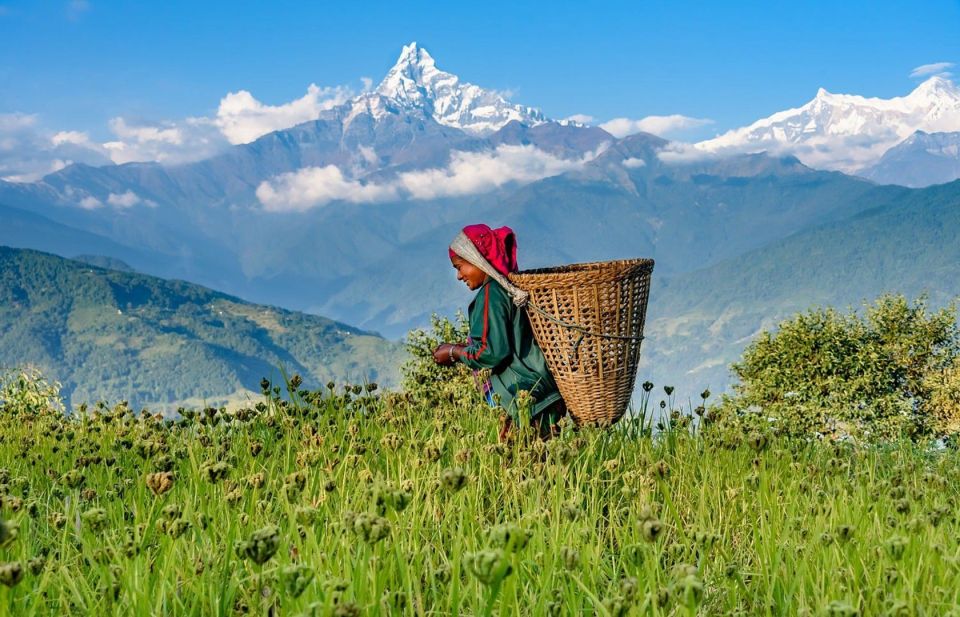
- Kande → Australian Camp → Dhampus → Phedi keeps the walking varied: uphill viewpoints, village time, then a downhill finish
- Small group (up to 10) means you’re not lost in a crowd when you stop for views
- Forest paths + terraced farms make the day feel more local than just scenic-photo stops
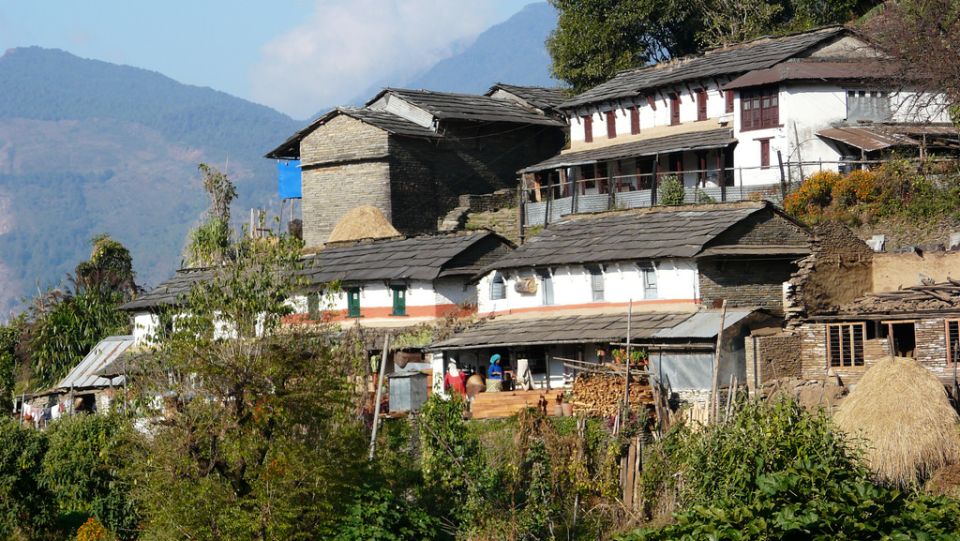
- Gurung culture in Dhampus gives you a real sense of how people live near the Annapurna region
- Meals are not included, so your lunch plan is part of the experience
From Pokhara Lakeside to Kande: the easy part that sets the tone
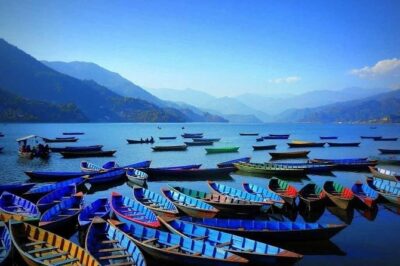
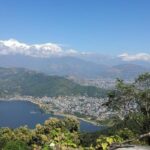
You start at your hotel on the Pokhara lakeside area, with a driver and your professional local guide meeting you in the morning. The transfer to Kande is scenic on its own, with winding roads and wide views over Pokhara Valley toward the Annapurna range. That matters because it helps you mentally switch from city mode to trail mode before you even lace up.
Timing-wise, the day is built to move: you’ll drive to Kande, then start hiking. Expect about 5 to 6 hours total for the active day, including the major hiking segments and the time spent at stops. The walk isn’t described as technical, but “easy to moderate” still means you’ll be on your feet for a solid stretch.
If you’re the type who hates waiting, this format is friendly. Your vehicle is in play at both ends (Pokhara pickup and Phedi return), so you’re not stuck figuring out transport while you’re tired. Still, keep expectations realistic: the day is short compared to the classic Annapurna trek, but it’s not a casual stroll.
You can also read our reviews of more hiking tours in Pokhara
Kande → Australian Camp: when the views make the climb make sense
From Kande, the hike pushes into forests and heads toward Australian Camp. The main effort is roughly 1.5 hours of walking, and this is where the trip earns its reputation as a confidence-builder for first-time trekkers.
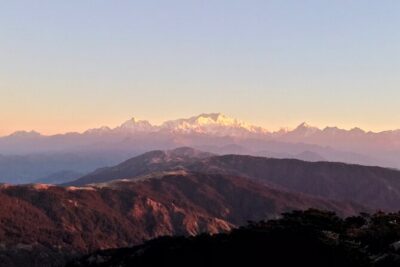
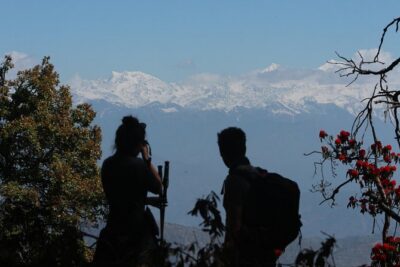
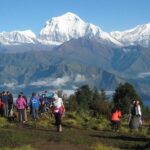
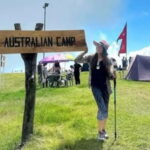
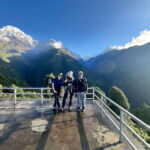
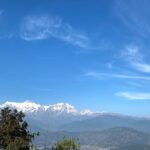
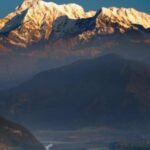
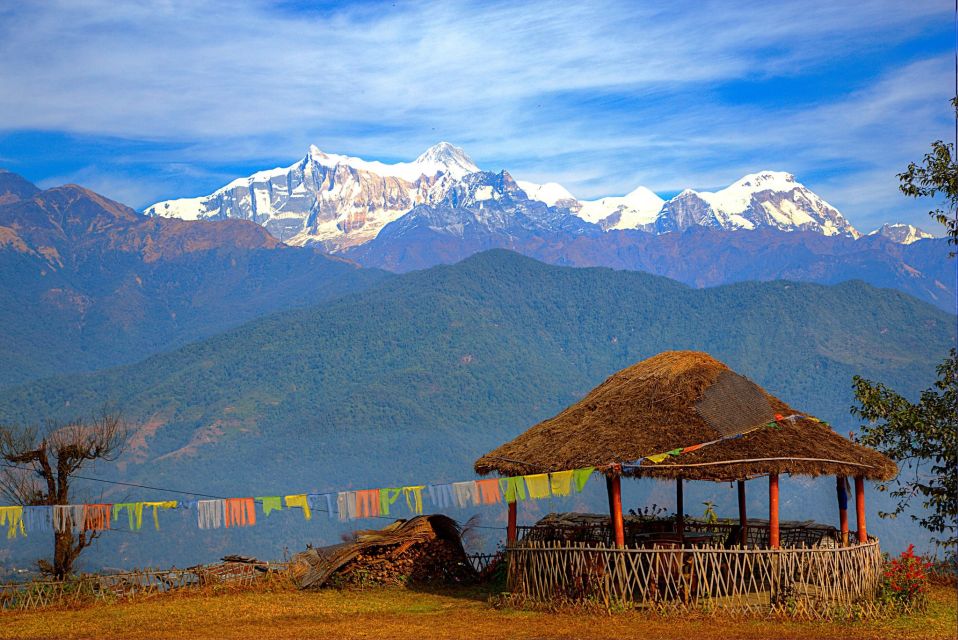
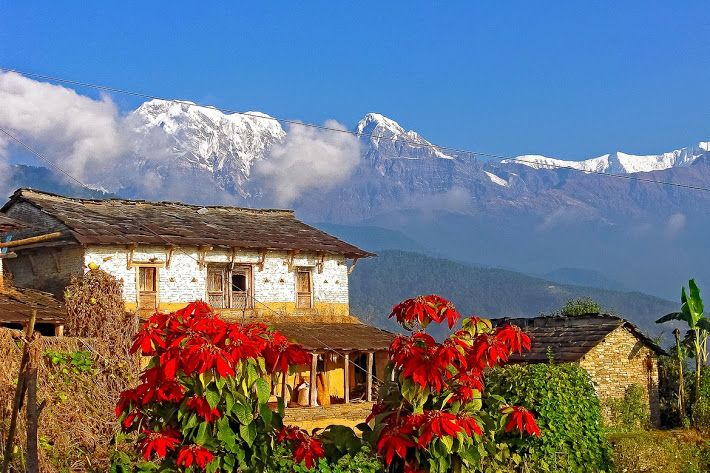
Australian Camp is the viewpoint that turns the route from pleasant into memorable. Here, you get close mountain perspectives—especially Annapurna South and Machhapuchhre (Fishtail). It’s the kind of view that makes you understand why people come all the way into this region, even if you’re only doing a one-day taste.
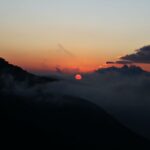
A practical note: Annapurna foothills weather can change. Clouds can roll in and shift what you see, sometimes fast. If you like photography or just want the clearest possible faces of the peaks, it’s worth arriving with that mindset early in the day.
Also, don’t ignore the rhythm. Even on an easier trek, walking uphill for 60–90 minutes feels like walking uphill. Wear comfortable shoes and keep your pace steady. You want to finish strong enough to enjoy the next sections—Dhampus is where the day becomes more than scenery.
Australian Camp Ridge to Dhampus Village: the Gurung part you’ll feel
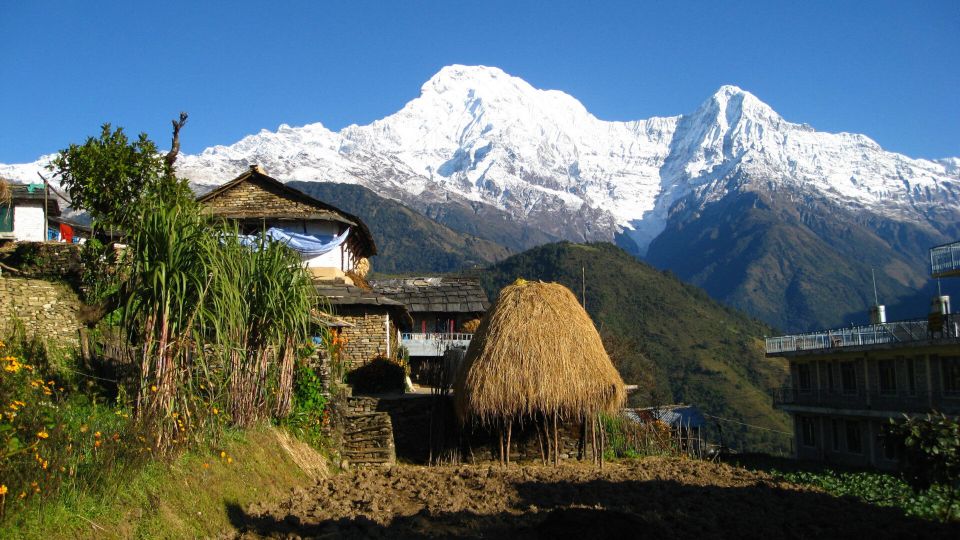
After Australian Camp, the route continues along a ridge and then descends toward Dhampus Village, also about 1.5 hours. This is a nice change from pure uphill effort because the ridge travel gives you that steady back-and-forth between walking and looking.
Then you reach Dhampus, where the focus becomes culture. Dhampus is described as a traditional Gurung settlement, and the day gives you time to observe rural lifestyle, local traditions, and how mountain life fits into everyday routines. This is the portion I value most because it’s not just “stand and stare.” It’s about meeting the place with your eyes open—how people live, work, and move through the landscape near the trekking trails.
One of the best parts of having a guide here is translation. Guides such as Dipak and Moti are specifically praised for explaining what you’re seeing and helping connect with locals. Even if you don’t speak Nepali, that kind of interpretation changes the day. You’re not just hiking through a postcard—you’re understanding the human side of the region.
There’s also a quieter feel to this segment. Dhampus isn’t treated like a theme stop. It’s closer to a real village visit, which is exactly what many people want when they choose a one-day hike instead of a long trek.
Dhampus to Phedi: forests, farms, and a satisfying finish
After exploring Dhampus, you trek downhill toward Phedi for about 2 hours. This is the payoff section for your legs. Downhill walking usually means you feel the work shift from lungs to knees, so go easy and watch your footing.
The route continues through lush forests and terraced farmlands. The terracing matters because it’s part of the logic of how hillside communities farm and live. It’s also visually interesting—smaller, human-scale geometry compared to the big peak views. If you’ve been chasing mountain photos all morning, this portion brings variety and helps the day feel complete.
When you finish at Phedi, your vehicle is waiting to take you back to Pokhara and your hotel. This is a big practical advantage of a one-day trip: you can enjoy the end of the hike without worrying about routes or timing. The day closes cleanly, which makes it easier to enjoy dinner back in Pokhara without feeling wrecked.
Guide quality, and why it matters more than you think
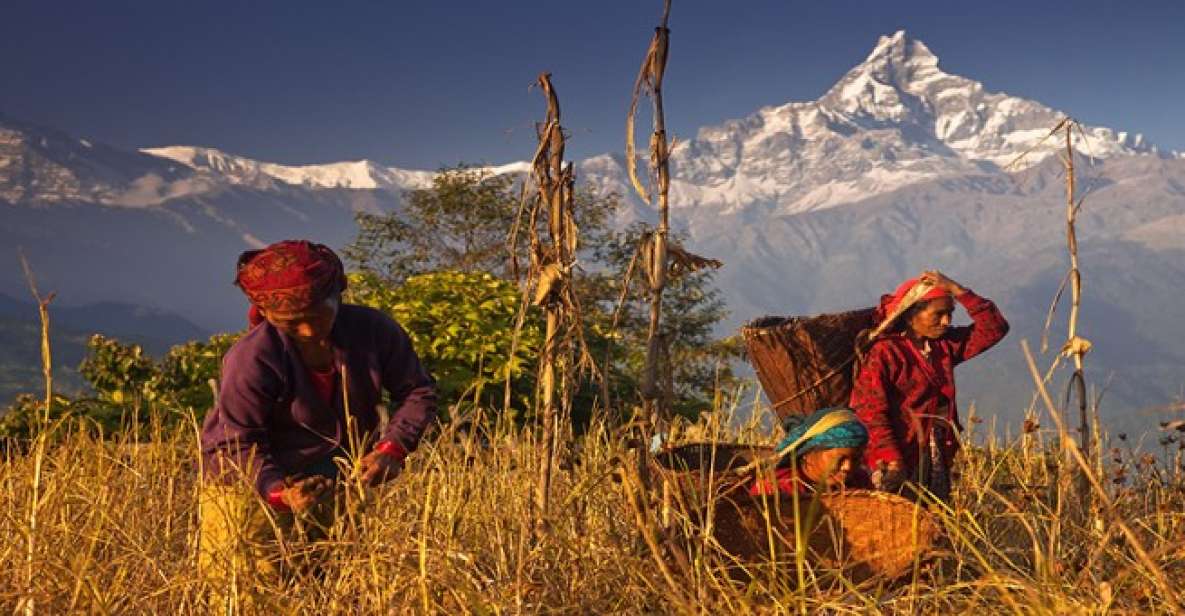
A one-day hike lives or dies on the guide. You’ll be with a professional local guide who works in English, and that’s not a small detail when you’re walking through places with their own cultural rhythms.
From what you can expect, the best guides do two jobs at once:
1) Keep the pace safe and comfortable across different trail stretches
2) Help you understand what those views and villages mean
That’s where names like Dipak and Moti stand out in real-world experiences. People appreciate their explanations and their ability to translate between locals and visitors. It also sounds like some guides are flexible about catching views when conditions are changing, including starting early on days when weather improves later. You can’t control fog, but you can control how prepared you are to try.
Even if you don’t care about explanations, a good guide improves how you feel on the trail. You stop at the right moments, you don’t get rushed through the village, and you understand the route well enough that you’re not constantly thinking, Are we still going the right way?

Price and value: what $98 gets you in Annapurna foothills time
At $98 per person, this is priced like a guided day adventure rather than a low-cost DIY walk. The key value pieces included are:
- A professional local guide
- A private vehicle transfer Pokhara → Kande and Phedi → Pokhara
- Vehicle-related expenses and government taxes as applicable
The big item not included is meals. That’s important for value math. Since breakfast/lunch/dinner aren’t part of the package, your real spend depends on how you handle food once you’re on the trail or in the village areas.
Still, $98 can be a good deal if you’re coming from Pokhara and want a simple, guided structure. Renting transport and hiring a guide separately for a half-day-to-full-day window usually takes more coordination. Here, the day is organized so your energy stays on walking and looking—not on planning how you’ll get between trailheads.
One more value point: small group size (up to 10). Even if you never meet the other group members, fewer people can mean less waiting at stops and a calmer feel in village areas.
If you’re on a tight budget, you could do parts of the region independently. But if you want culture context plus safe guidance plus door-to-door transfers, this price looks more justified.
Who this one-day hike suits best (and who should skip it)
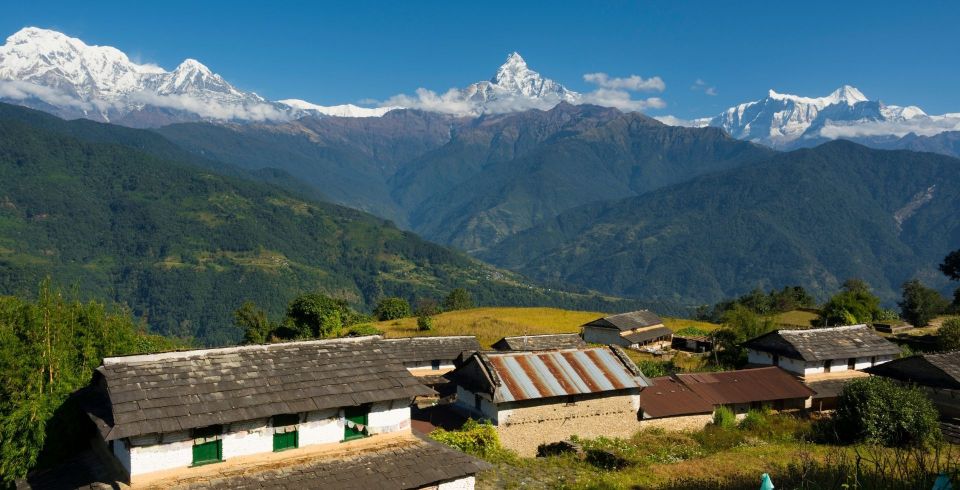
This trip is designed for nature lovers and culture seekers, including first-time hikers. It fits well if you want a taste of Annapurna foothills without the time and stamina commitment of a longer trek. The walking time is short enough to feel doable, and the route is built around viewpoints and village time rather than long, exhausting distances.
It’s also a strong fit if you want your day to have structure:
- Morning drive into the hills
- Hike to a viewpoint
- Village exploration
- A downhill finish with a planned ride back
But it’s not for everyone. It’s not suitable for pregnant women and not suitable for people with certain medical conditions. It’s also not suitable for people with mobility impairments. If any of those apply, skip this one and look for an option designed for your needs.
Also remember the small practical rules: you should be comfortable walking 5 to 6 hours total, and there’s a luggage rule—no luggage or large bags. Plan for a day pack level load, not a carry-on situation.
Tips to get the most out of your day on the trail
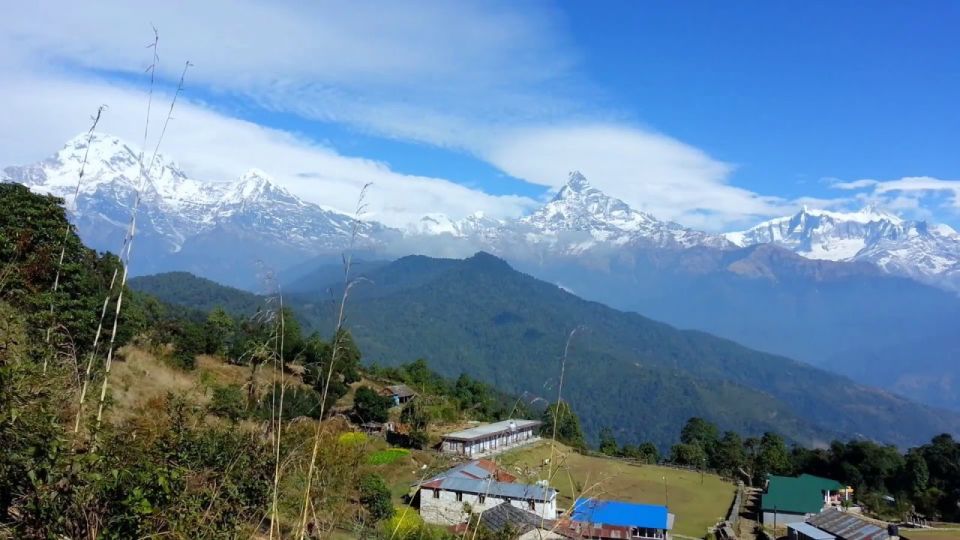
This hike is easy-moderate, but the best experience comes from preparation that matches the format.
- Wear comfortable shoes you’ve already tested. Trail surfaces can include dirt paths and uneven ground.
- Bring comfortable clothes for forest shade in the morning and possible temperature shifts as you gain elevation.
- Keep your expectations flexible about weather and views. You’re chasing mountains, not controlling clouds.
- Since meals aren’t included, decide in advance how you’ll handle lunch. Your guide can help you navigate where to eat along the way, but you’re still responsible for food costs.
One more thing: travel light. The no-large-bags rule means you’ll be happier if you avoid bulky gear. A lighter load keeps you moving and makes Dhampus more comfortable to explore.
Should you book this one-day Annapurna foothills hike?
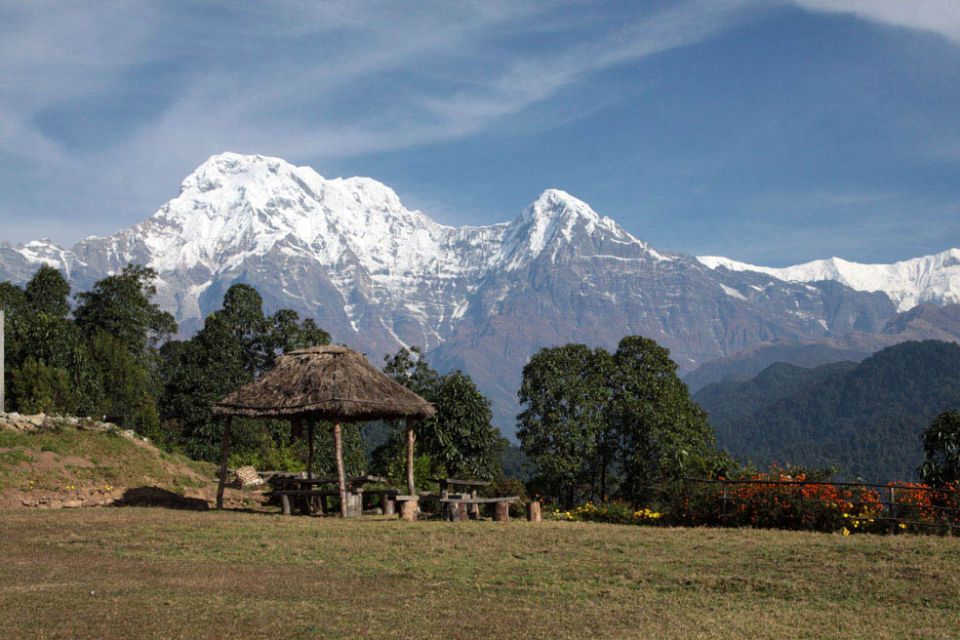
If you want a simple, guided way to see Annapurna South and Machhapuchhre (Fishtail), plus spend real time in a Gurung village like Dhampus, this is an easy yes. The route balances viewpoints with culture and finishes with a downhill walk and a ready ride back to Pokhara—an efficient setup for people who only have one day.
I’d also recommend it if you’re new to trekking and want a guide who can explain what you’re seeing. Names like Dipak and Moti are linked to that translation and storytelling value, and that’s a big part of why this day feels more meaningful than just checking a viewpoint off a list.
Skip it if you have mobility limits, are pregnant, or know long walking days won’t work for you. And if meals-free travel is a dealbreaker, budget for lunch in advance.
FAQ
What is the duration of the day hike?
The hike runs as a one-day activity with about 5 to 6 hours of total walking time and trekking-related activity, plus hotel pickup and drop-off.
Where does the hike start and end?
It starts at the Pokhara lakeside area with hotel pickup and ends at Phedi, where you return to Pokhara by vehicle and get dropped back at your hotel.
How hard is the hike?
The activity is rated easy to moderate and includes a significant amount of walking.
What route does the hike follow?
The walking route follows Kande → Australian Camp → Dhampus Village → Phedi.
How long does each main hiking segment take?
Kande to Australian Camp is about 1.5 hours, Australian Camp to Dhampus is about 1.5 hours, and Dhampus to Phedi is about 2 hours.
Are meals included in the price?
No. Meals (breakfast, lunch, and dinner) are not included.
Do I get a guide, and is it in English?
Yes. You’ll have a live tour guide in English for the trek.
What group size should I expect?
The group is a small group, limited to 10 participants.
What should I bring, and what’s not allowed?
Bring comfortable shoes and comfortable clothes. Luggage or large bags are not allowed.
Is this hike refundable if my plans change?
The activity offers free cancellation up to 24 hours in advance for a full refund.
Is it suitable for everyone?
It is not suitable for pregnant women or people with certain medical conditions, and it is not suitable for people with mobility impairments.