REVIEW · POKHARA
Full-Day Tibetan Cultural Tour to Tibetan Settlements Pokhara
Book on Viator →Operated by The Tibetan Encounter Day Tours P. Ltd · Bookable on Viator
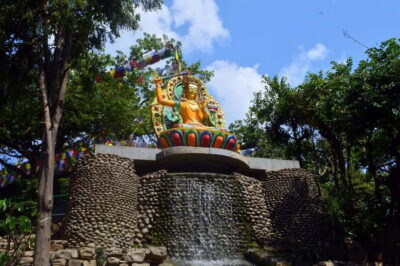
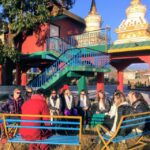
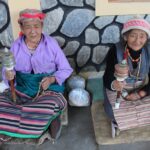
Tibetan prayer in Pokhara. This small-group full-day tour takes you to several Tibetan settlements around Pokhara, led by Mr. Thupten Gyatso, a guide who grew up in the community. You’ll get real conversations about Tibetan culture, religion, and life in exile, not just temple photos.
I really like the practical setup: hotel pickup and drop-off within Pokhara, plus lunch, snacks, bottled water, and afternoon tea included. And if you need it, you can ask for a vegetarian meal, and the tour can also handle gluten-free food.
One thing to consider: the day is packed. With five stops and multiple monastery moments, it’s a lot of culture in 8 hours, so plan for walking and a schedule that moves at a steady pace.
In This Review
- Key highlights at a glance
- A full day of Tibetan community life, not just sightseeing
- Your guide, Mr. Thupten Gyatso, changes the whole feel
- Stop 1: Shree Gaden Dhargay Ling Monastery starts with faith and context
- Stop 2: Tashi Ling Tibetan Village shows how community and education work
- Stop 3: Pema Ts’al Sakya Monastic Institute and a monk who’s happy to talk
- Stop 4: Jangchub Choeling Tibetan Monastery and the sound of prayer
- Stop 5: Tashi Palkhel Tibetan Settlement and a traditional food experience
- Price and timing: what $85 gets you in real terms
- Who this tour suits best (and who should rethink it)
- Quick practical tips before you go
- Should you book this Tibetan cultural tour from Pokhara?
- FAQ
- How long is the Tibetan Cultural Tour from Pokhara?
- What time does the tour start?
- Do I get hotel pickup and drop-off?
- What’s included in the price?
- Are vegetarian or gluten-free meals available?
- How big is the group?
- Do the monastery and village stops require paid admission?
- Is the tour easy for most people to join?
Key highlights at a glance
- Local guide with deep community ties (Mr. Thupten Gyatso), with lots of Q&A built in
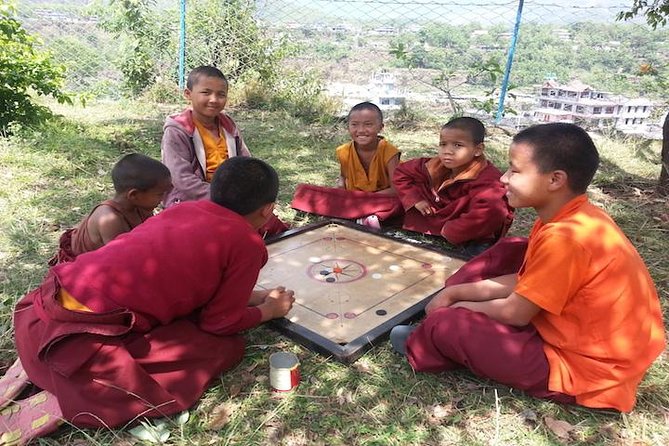
- Monastery visits where monks share everyday monastic life and worship
- Refugee settlement walking time plus school and community context
- Afternoon prayer chanting with instruments like horns, drums, and conch shells
- A family home food experience that includes traditional Tibetan cuisine
- Maximum 15 people, keeping it intimate without feeling crowded
A full day of Tibetan community life, not just sightseeing
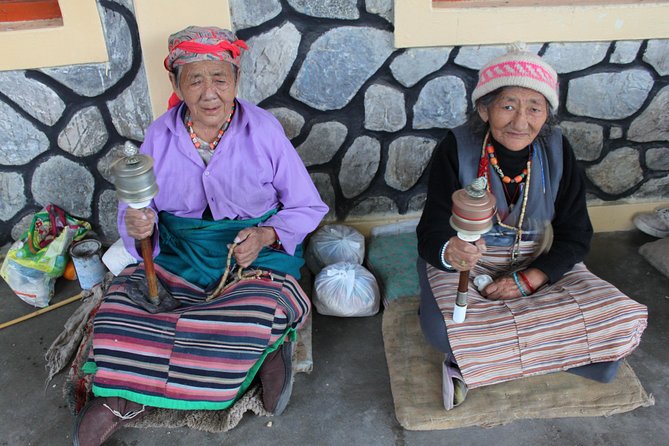
This tour is designed for people who want to understand. You won’t just “see” Tibetan culture; you’ll spend time with the places where Tibetan refugees built schools, monasteries, and daily routines in Nepal. It runs about 8 hours, starting around 9:00 am, and it’s paced like a guided visit with enough room to ask questions.
The small group size matters. With up to 15 travelers, you’re more likely to actually talk to your guide and the people you meet. It also helps in quieter places like monasteries, where the vibe is more respectful and slower than a typical bus tour.
And yes, it’s in Pokhara, so you get the fun of a day trip without the stress of long-distance travel. You’re also handed a simple comfort package: bottled water, lunch, and afternoon tea are included. That’s not just convenience—it keeps the day from turning into constant searching for food between stops.
You can also read our reviews of more historical tours in Pokhara

Your guide, Mr. Thupten Gyatso, changes the whole feel
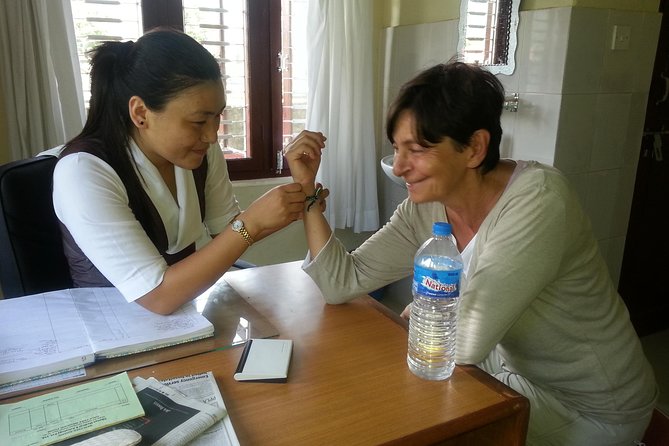
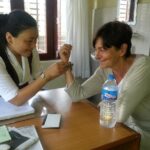
The tour’s backbone is the guide. Mr. Thupten Gyatso is described as a local Tibetan guide who grew up in the community, and that’s exactly what you feel in the way the day unfolds. He doesn’t treat Tibetan Buddhism as an exhibit. He treats it as living practice.
In practical terms, you can expect:
- clear explanations you can ask follow-up questions on
- connections between religion, culture, and refugee life in Nepal
- a guide who can switch from history to daily life without making it feel like a lecture
This is also where the tour earns its very strong reputation. Many people highlight his English ability and his strong knowledge, plus the sense that he’s passionate about sharing. Even when questions get more political or personal, the tour stays conversational rather than preachy.
If you like travel with real dialogue, this is the setup. If you prefer silent touring with minimal questions, you might still enjoy it—but you may need to manage your expectations about how interactive the day is.
Stop 1: Shree Gaden Dhargay Ling Monastery starts with faith and context
Your first major visit is to Shree Gaden Dhargay Ling Monastery. It’s not just a pretty entrance. You’ll use this stop to get context for what you’ll see later in the day, including Tibetan culture, religion, and refugee life in Nepal.
From a traveler’s perspective, this is the smart opening. Monastery visits can blur together if you don’t have a framework. Starting here helps you notice the details later—how people structure prayer, how monastic life fits into a community, and how religion supports identity.
Also, the cost angle is friendly: the stop lists admission ticket free, so you’re not constantly adding small extra fees as the day goes on.
Stop 2: Tashi Ling Tibetan Village shows how community and education work
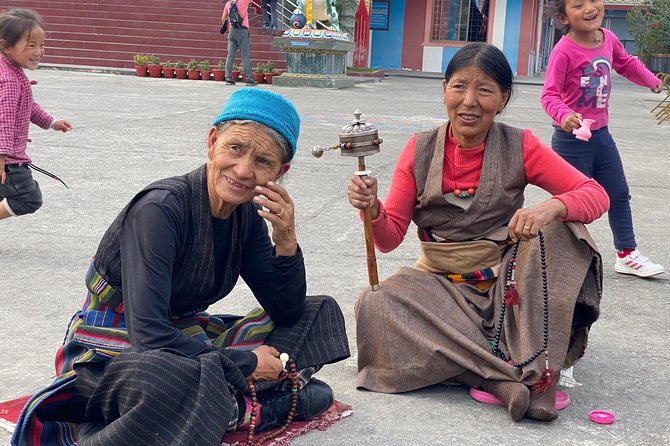
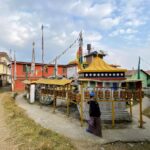
The second stop is Tashi Ling Tibetan Village, and it’s where the tour shifts from temples to neighborhoods. You’ll walk around the village and learn about Tibetan people living in Nepal, plus Buddhist culture as it’s practiced day to day.
This is also where you get the most direct sense of resilience and continuity. The village setting lets you understand how Tibetan refugees rebuilt community life—especially through education. The tour specifically includes time to learn about Tibetan schools and their educational system.
What I like about this stop is that it isn’t framed as sad or distant. It’s explained as structure: people set up schools, keep traditions alive, and make daily life function in a new country.
There’s also a practical cultural layer here: you may have a chance to buy crafts, so this becomes a place where you can support artisans directly if that’s your style. Just remember you’re walking in a living community, so keep your phone use respectful and ask before filming or taking close shots.
Stop 3: Pema Ts’al Sakya Monastic Institute and a monk who’s happy to talk
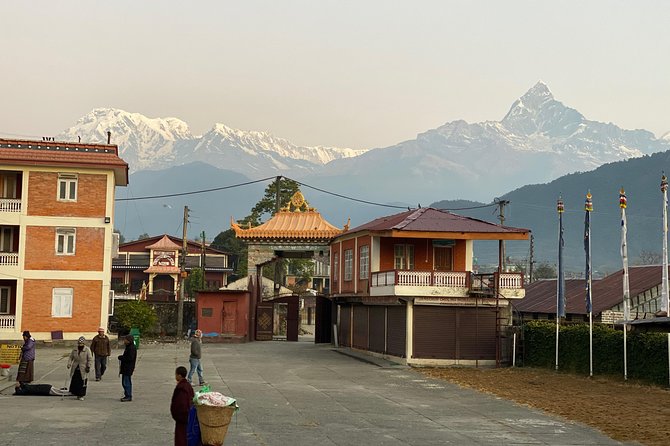
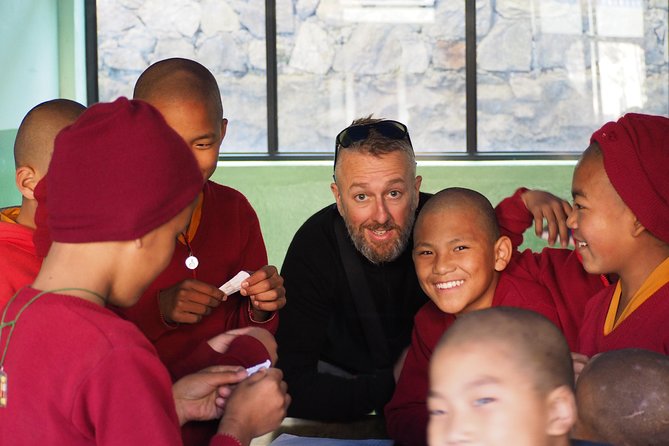
Next is Pema Ts’al Sakya Monastic Institute, with a focus on monastic life. You’ll visit a Buddhist monastery and, importantly, you’ll have the chance to meet a young monk who’s eager to share insights about monastic life and education.
This stop feels valuable because it’s interactive. The tour encourages questions, and that’s how monastic life becomes understandable instead of mysterious.
A good way to get the most from this part of the day:
- ask about what a typical day looks like
- ask how education works within monastic life
- ask about what students study (within what you’re comfortable asking)
If you’re traveling with family, this is often one of the best stops because kids tend to enjoy direct Q&A and people-to-people explanations.
You can also read our reviews of more tours and experiences in Pokhara
Stop 4: Jangchub Choeling Tibetan Monastery and the sound of prayer
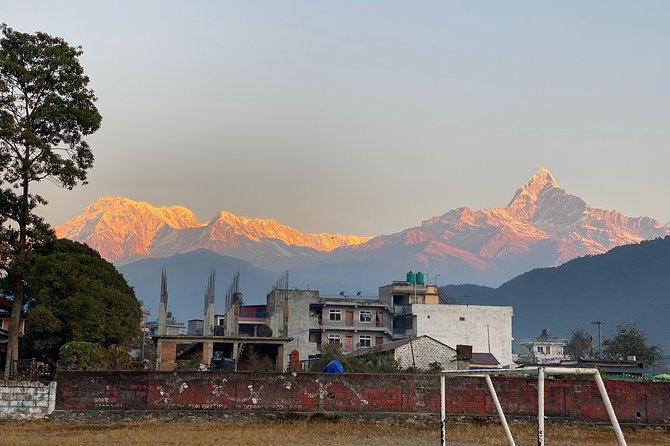
Then comes Jangchub Choeling Tibetan Monastery, located inside the Tibetan village. Here you’ll attend afternoon prayer chanting with the monks.
This is the moment that often leaves an imprint because it’s sensory. The tour description mentions you’ll hear horns, drums, and conch shells during the chanting. Sound like that makes prayer feel physical—something happening in real time, not just a ceremony you observe from far away.
It’s also one of the reasons this day feels “long” in a good way. You’re not rushing through buildings. You’re staying for a real chunk of worship.
One caution: if you’re sensitive to loud instruments or you get restless during ceremonies, plan your energy. Bring patience, and use the moment as a chance to watch how people participate—not just what they chant.
Stop 5: Tashi Palkhel Tibetan Settlement and a traditional food experience
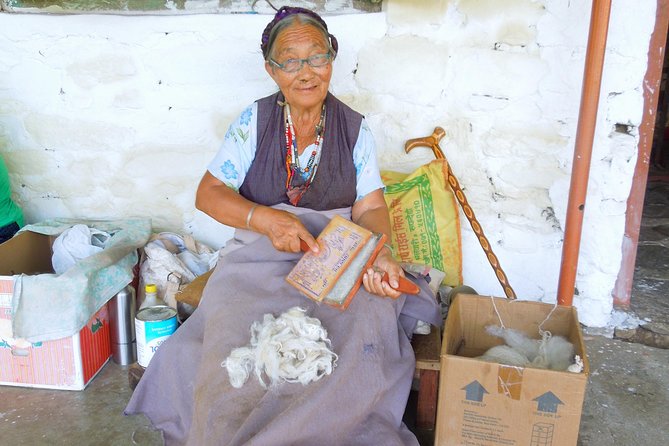
The final village stop is Tashi Palkhel Tibetan Settlement, and it ends with one of the most memorable types of travel value: food and home life.
At this stop, you visit a Tibetan family’s home and experience traditional Tibetan food. Your guide introduces the food and shares background—history and context for what you’re eating—so it’s not just taste, it’s understanding.
This is a key difference from many food tours that focus only on flavors. Here, you get cuisine tied to culture and community. And because lunch and snacks are already included earlier, the home food piece works like a closing highlight rather than a “surprise hunger” situation.
You’ll also likely have a chance to ask questions. People often ask about ingredients, daily meals, and what’s different across regions. Keep questions friendly and simple, and let the family set the pace.
Price and timing: what $85 gets you in real terms
The tour price is listed at $85 per person, and that’s for an 8-hour day with:
- hotel pickup and drop-off within Pokhara
- a professional guide (with Mr. Thupten Gyatso leading)
- a driver
- lunch, snacks, afternoon tea, plus bottled water
- multiple monastery and settlement stops, including interactive moments
- maximum 15 travelers (so you’re not paying for a crowd)
So the question isn’t only “Is $85 cheap?” It’s: do you get value beyond the entry fee? In this case, you do. You’re paying for access to people and explanations, plus the meals that prevent the day from turning into an expensive snack hunt.
Also, it’s booked ahead often (about 38 days in advance on average). That’s a practical clue: if you’re traveling in peak season or on limited dates, you’ll want to reserve early so you can lock in the small-group experience.
Who this tour suits best (and who should rethink it)
This is a great match if you:
- want a cultural day focused on Tibetan community life
- like conversation and Q&A with a local guide
- enjoy monasteries but also want the “outside” view—schools, settlements, and families
- want food included without planning every meal
It also tends to work well for families, since the day is described as fun and informative for them.
You might rethink it if you:
- want more time in a single place (this is a “many stops” itinerary)
- dislike noisy ceremonial moments (the prayer chanting includes horns, drums, and conch shells)
- are specifically seeking lots of detail about the current situation in Tibet itself; some people felt they wanted more nuance there
Quick practical tips before you go
- Wear shoes you can walk in comfortably, since you’ll move around village areas.
- Bring a light layer. Even in Pokhara, mornings and temple settings can feel cooler.
- Have questions ready, especially for the monk and the family meal stop.
- If you have dietary needs, request vegetarian and/or gluten-free at booking so the day stays easy.
Should you book this Tibetan cultural tour from Pokhara?
If your goal is understanding Tibetan culture as a living community—through monasteries, refugee settlements, education, prayer, and a family meal—then this tour is an easy yes. The combination of Mr. Thupten Gyatso’s local perspective and the included meals and transfers makes it feel efficient and human at the same time.
Only consider a different option if you know you want a slower day, fewer ceremonies, or heavy focus on current politics inside Tibet. Otherwise, for a full-day cultural experience that’s both respectful and interactive, this is one of the best ways to spend your time in Pokhara.
FAQ
How long is the Tibetan Cultural Tour from Pokhara?
The tour lasts about 8 hours.
What time does the tour start?
It starts at 9:00 am.
Do I get hotel pickup and drop-off?
Yes. Hotel pickup and drop-off are included within Pokhara.
What’s included in the price?
The tour includes a professional guide and driver, lunch, snacks, afternoon tea, coffee and/or tea, bottled water, and hotel pickup and drop-off.
Are vegetarian or gluten-free meals available?
Yes. A vegetarian option is available, and the tour also serves gluten-free food if you advise them when booking.
How big is the group?
The tour has a maximum of 15 travelers.
Do the monastery and village stops require paid admission?
The itinerary lists admission ticket free for the stops.
Is the tour easy for most people to join?
Most travelers can participate, based on the tour’s information.
If you want, tell me your travel dates and whether you’re more interested in Buddhism, Tibetan life in exile, or the food—I’ll help you decide if this schedule matches your priorities.