REVIEW · POKHARA
Afternoon Tibetan cultural tour
Book on GetYourGuide →Operated by The Tibetan Encounter Day Tours (P) Ltd · Bookable on GetYourGuide
A monk, a settlement, and real questions answered. This 4-hour Tibetan cultural tour in Pokhara-area monasteries and a nearby Tibetan refugee settlement is built around lived culture: you’ll learn what Buddhist symbols mean in everyday life, join afternoon prayer chanting, and finish with traditional Tibetan tea and snacks. The guide, Mr. Thupten Gyatso, keeps the whole thing moving with clear talk and lots of room for questions.
What I like most is the face-to-face time: talking with a young Buddhist monk and hearing about daily monastic life in plain, human terms. I also really valued the afternoon prayer chanting, where the group sound and instruments make it feel physical, not just something you watch.
One thing to consider: it’s a tight half-day. If you want slow wandering, lots of independent time, or a deep museum-style pace, this format can feel focused rather than leisurely.
In This Review
- Key points to know before you go
- Why this afternoon Tibetan tour works so well in Pokhara
- First stop: Pema Ts’al Sakya Monastic Institute and the symbols you see every day
- Tashi Palkhel Tibetan Settlement: where culture keeps going after displacement
- Meeting a young monk: the conversation that makes Buddhism feel human
- Afternoon prayer chanting: sounds, instruments, and the feeling of group rhythm
- Tea time at a Tibetan family home: butter tea, tsampa, and real hospitality
- Price and logistics: is $56 a fair deal for 4 hours?
- Who should book (and who might want a different Pokhara plan)
- My booking advice for your Pokhara days
- FAQ
- How long is the Tibetan cultural tour near Pokhara?
- Is pickup included?
- How big is the group?
- What language is the tour guide?
- Do we meet a monk and attend prayer chanting?
- What food and drinks are included?
- Is it suitable for young children or wheelchair users?
Key points to know before you go
- Mr. Thupten Gyatso guides you through the meaning, not just the sights
- You get a real conversation with a young monk, plus Q-and-A time
- Afternoon prayer chanting with instruments, sounds, and a strong group rhythm
- A visit to a Tibetan refugee settlement near Pokhara Valley, plus tea and local snacks
- Tibetan butter tea and tsampa at a local Tibetan family home
- Small group size (up to 8) keeps the tone personal
Why this afternoon Tibetan tour works so well in Pokhara
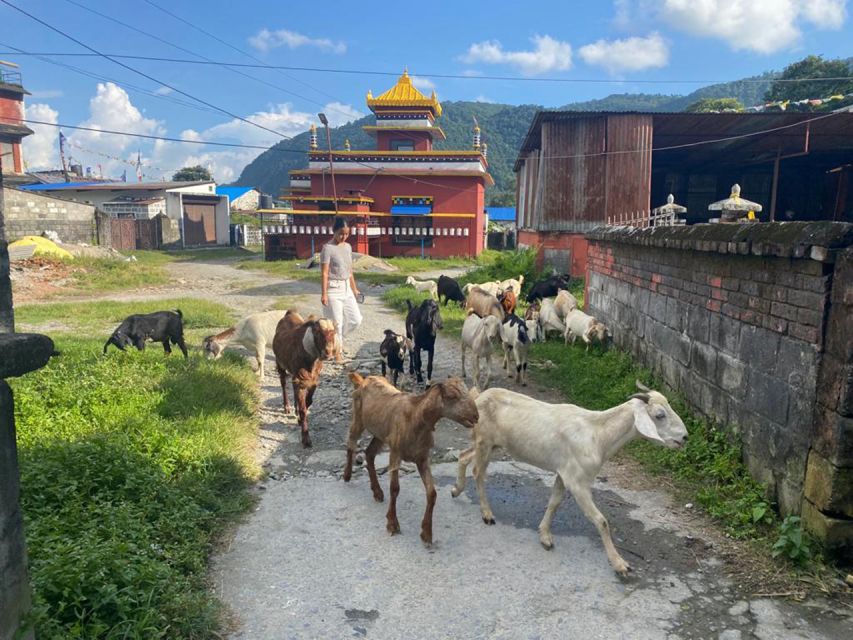
Pokhara is great for views, trekking talk, and lakeside relaxing. This tour is different. It’s not trying to be another checkbox in a tight schedule. In four hours, you get a compact lesson on Tibetan culture as something practiced daily, not something locked behind glass.
The best part is the balance of settings. You’re not only at a monastery with symbols and chants. You also walk through a Tibetan refugee settlement and end at a local family home for tea and snacks. That structure matters. You start with spiritual practice, then you see how culture continues when people rebuild their lives far from home, and you end with what food and hospitality look like in everyday life.
Also, the guide isn’t just reading facts. Mr. Thupten Gyatso is local to the region and shares from personal perspective, with a steady flow of stories on Buddhism and refugee life in Nepal. You’ll feel it in how questions are handled: the tone is conversational, not interview-y.
You can also read our reviews of more historical tours in Pokhara

First stop: Pema Ts’al Sakya Monastic Institute and the symbols you see every day
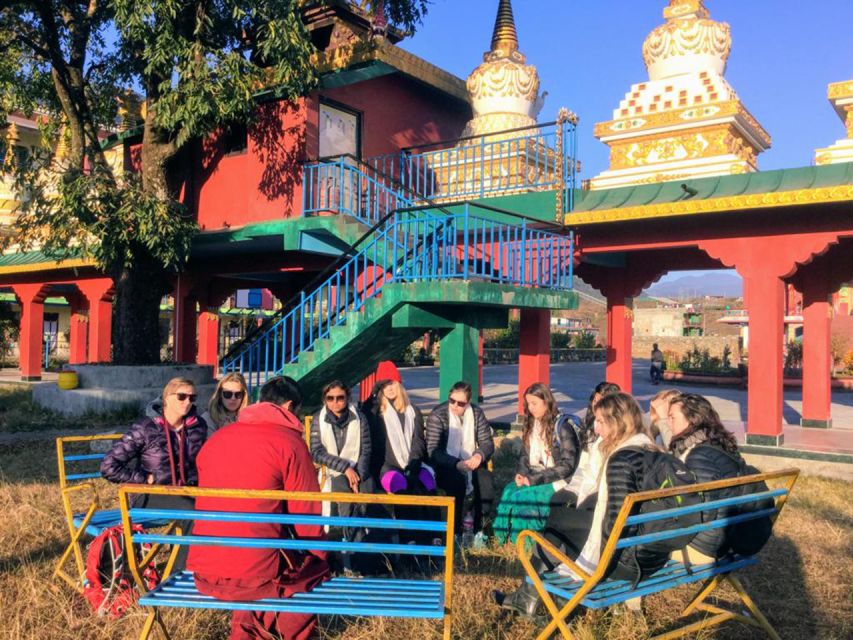
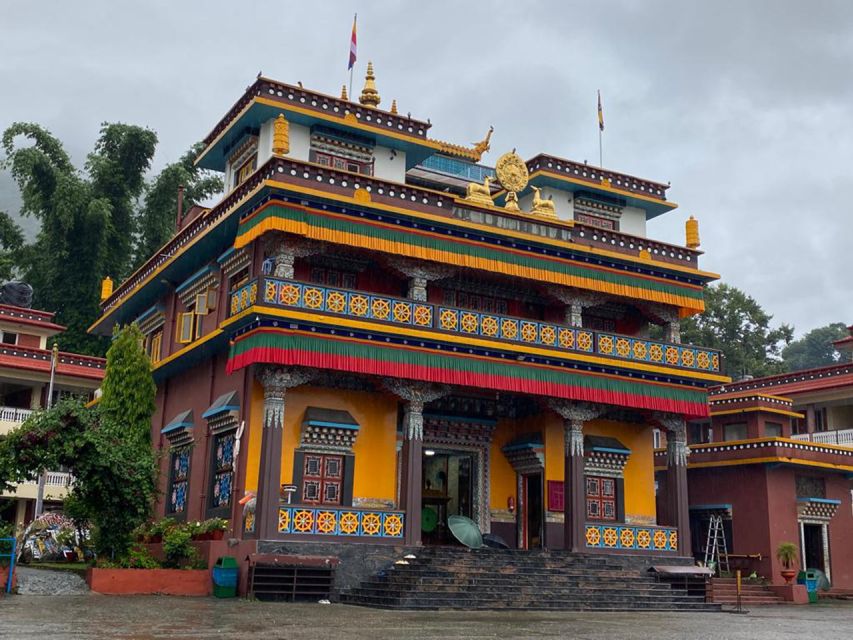
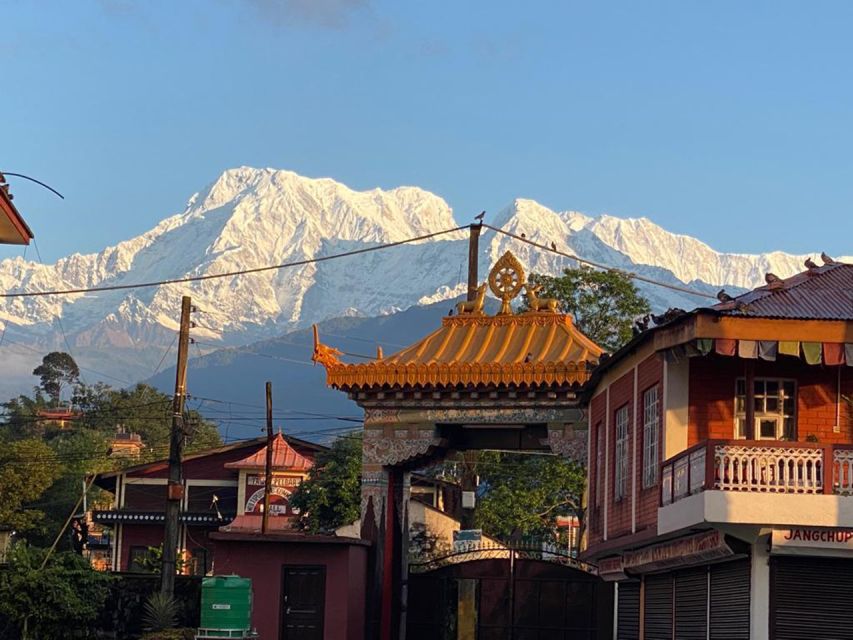
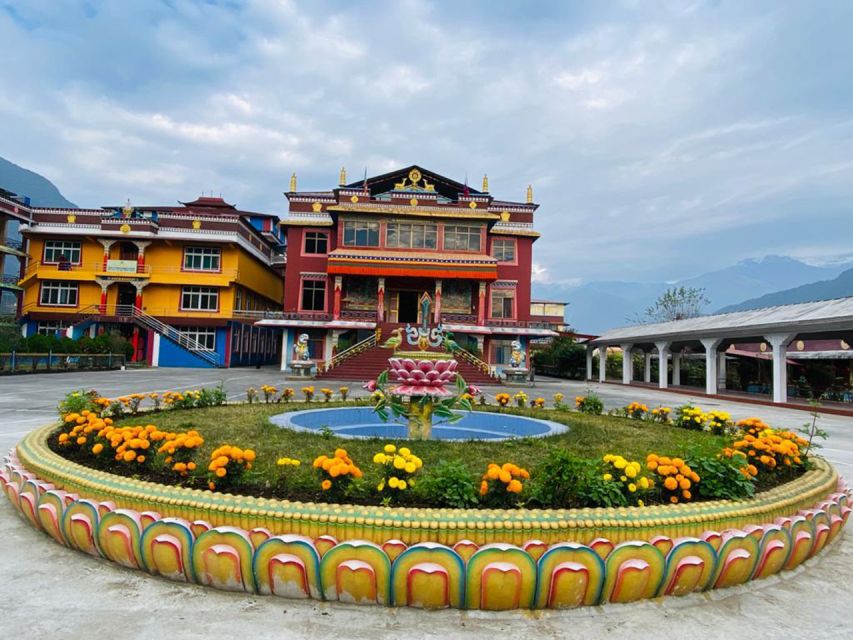
Your tour begins with pickup around Lakeside, then a scenic drive to Pema Ts’al Sakya Monastic Institute. Expect a guided visit where you’re shown key details and given context as you walk in and look around. There’s also time for a photo stop, so you’re not forced to rush your camera work.
This is where you’ll start connecting visuals to meaning. The tour is specifically set up to teach you the significance of common Buddhist signs you might see later in the settlement, around monasteries, and even in daily routines. In the broader plan, you’ll cover things like prayer wheels, prayer flags, and stupas, and the big idea is how symbols aren’t just decoration. They’re part of how people structure faith, focus, and community life.
One detail I’d pay attention to here: the guide explains objects as you encounter them, including the prayer wheel. That approach helps because you stop thinking in terms of random sightseeing items and start understanding how someone would relate to them multiple times a day.
Practical tip: monasteries are quiet places. Keep your voice low, and be respectful with photos. If you’re unsure, watch what other people do, then copy the tone.
Tashi Palkhel Tibetan Settlement: where culture keeps going after displacement
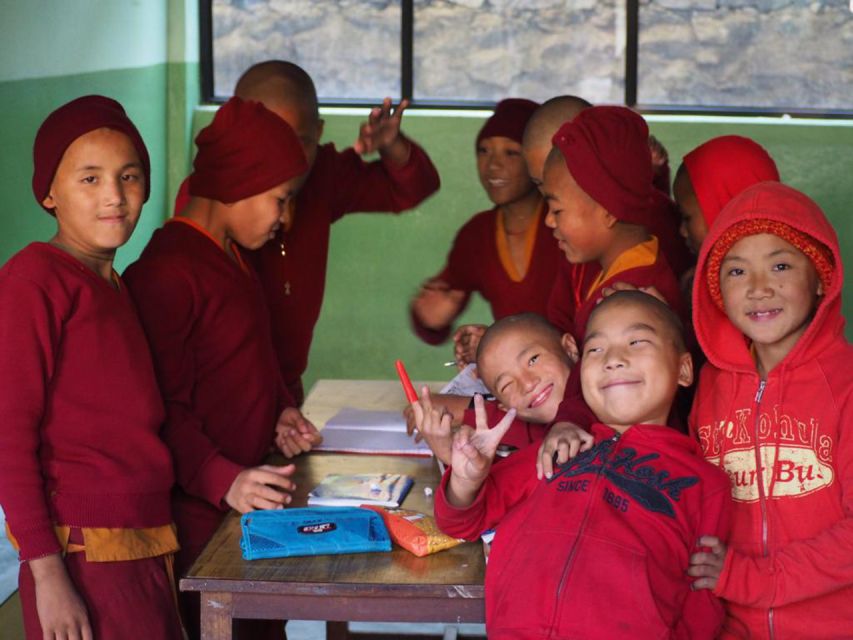
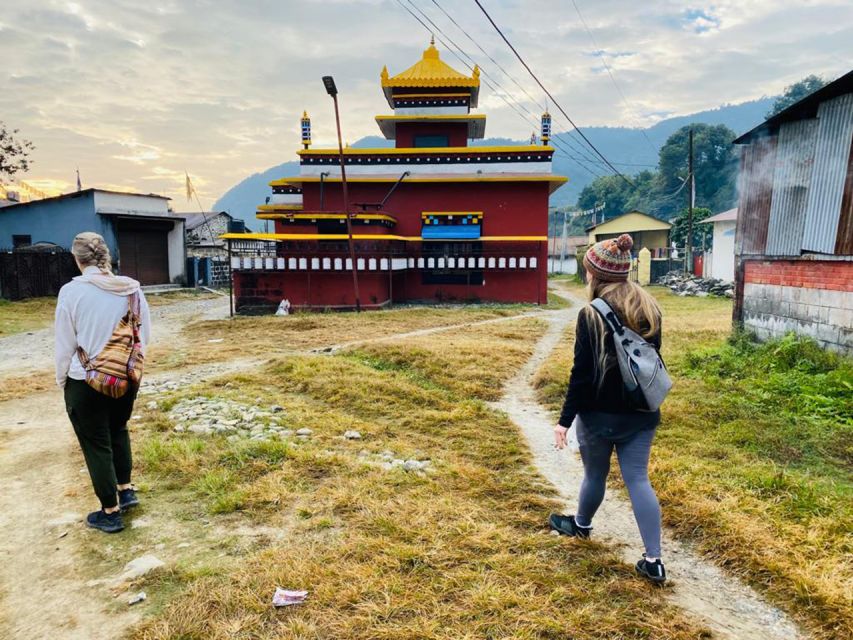
Next you head to Tashi Palkhel Tibetan Settlement, a nearby Tibetan community in the Pokhara valley area. The stop is longer than the monastery time, and that’s on purpose. Monastery life gives you a foundation, but a settlement shows you continuity.
You’ll take a walk and get a guided tour through the community. This is also where the tour focuses on the realities of Tibetan life in Nepal: maintaining language, identity, and Buddhist traditions in a new environment. You’ll also learn about Tibetan schools and the educational system—how learning is handled and why education is so important in preserving culture across generations.
A small but meaningful rhythm shows up here. You’re likely to notice signs of religious practice in everyday corners—things like walking clockwise around certain areas and using prayer-related items such as butter candles. Even if you only catch pieces of rituals during the visit, the guide helps you understand what you’re seeing and why it matters.
And yes, there’s time to pause. You’ll have tea and local snacks during this segment, so the tour doesn’t feel like nonstop talking and walking.
If you care about authenticity, this is the part that delivers. You’re not just hearing about a culture. You’re seeing how it survives through routine: school, home life, faith, and community support.
Meeting a young monk: the conversation that makes Buddhism feel human
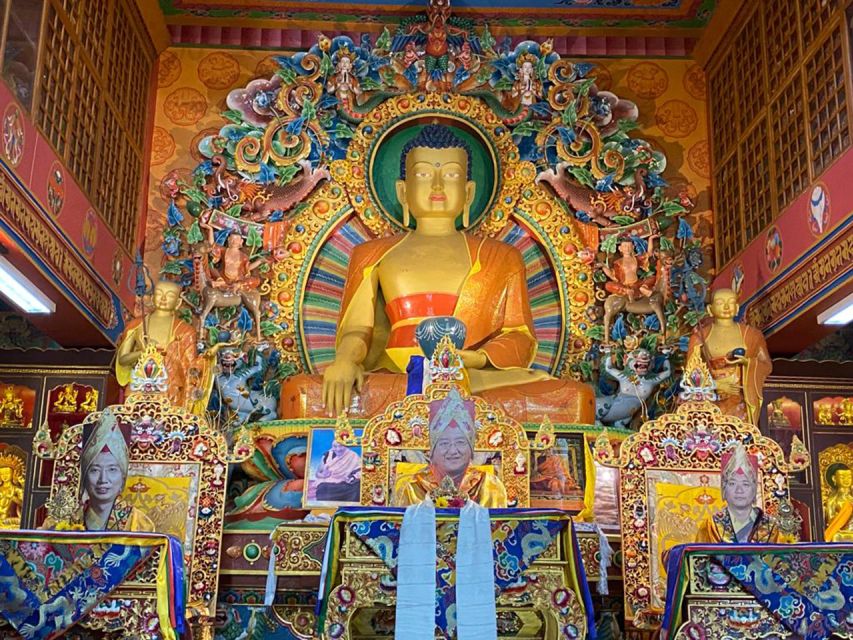
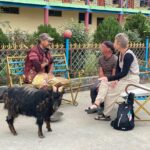
A key highlight of this tour is the conversation with a young Buddhist monk. This isn’t a staged performance or a quick greeting. You’ll have time for talk—guided, but not scripted. The point is to understand monastic life from the inside: how studies work, what daily activities look like, and what life in a monastery feels like day to day.
In practical terms, this is where the tour shifts from education to connection. Once you’ve asked a monk about vows, studying, or what a day feels like, the symbols you saw earlier stop being abstract. They become something connected to real time, real discipline, and real choices.
One more useful thing the guide often brings out in these conversations is thinking skills inside Buddhism—how debate and study are part of monastic training. You may also hear perspectives tied to education and values, not just religion as belief. It’s less lecture and more dialogue, and that makes the whole experience feel calmer and more sincere.
What should you ask? If you want simple questions that usually land well, try:
- What do you study most right now?
- What does a typical day feel like?
- What do you want visitors to understand about monastic life?
Afternoon prayer chanting: sounds, instruments, and the feeling of group rhythm
After the settlement and monk conversation, the tour includes another monastery visit and attendance at afternoon group prayer chanting with monks. This is one of those experiences where words don’t fully explain it, so you’ll want to plan to be present rather than documenting everything.
You’ll hear instruments and group chanting. People describe it as more than just hearing sound—it’s like you feel the vibration in the space. Even if you’re not familiar with Buddhist chants, you’ll understand the mood fast: it’s collective focus.
This is also where the tour’s structure helps you. Earlier you learned about symbols and daily practice. Now you see the practice in real time. The chanting also adds a sense of timing, because it’s an afternoon ritual, not a tourist show at any hour. That detail matters for authenticity.
Practical tip: dress respectfully and keep your posture steady during chanting. If you need to sit or stand differently, do it quietly. You’ll enjoy it more when you stop trying to multitask.



Tea time at a Tibetan family home: butter tea, tsampa, and real hospitality
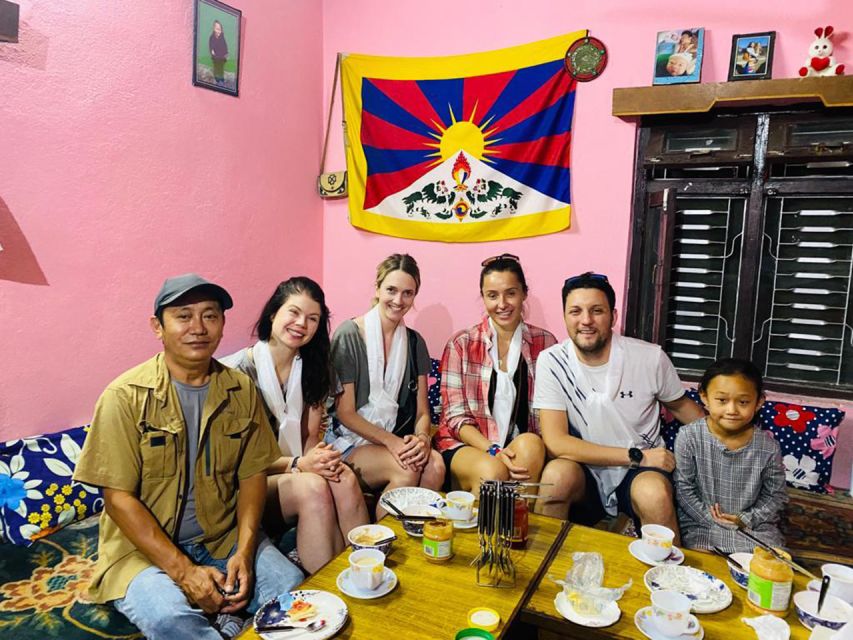
The last act is a Tibetan tea visit at a local Tibetan family home. This is where your taste buds get invited into the story.
Expect traditional salted butter tea, plus tsampa (roasted barley flour) and Tibetan homemade bread. Depending on what’s being offered that day, you might also see combinations with honey, butter, and peanut butter. The guide also explains the food and what it represents in daily life in the settlement.
This segment is more valuable than it sounds on paper. Tea is culture you can actually experience with your hands. You’re not just learning words like prayer flags. You’re sharing time and flavor with people who keep their traditions running through hospitality.
One practical note: don’t schedule a heavy dinner right after. Even if you don’t eat a full meal, these snacks plus butter tea can be filling.
Price and logistics: is $56 a fair deal for 4 hours?
At $56 per person for a 4-hour small-group tour, the value is mostly in what’s included and who’s included.
You’re paying for:
- a live English guide (Mr. Thupten Gyatso)
- pickup and drop-off around Lakeside
- a visit to a Tibetan refugee settlement
- monastery visits and guided explanation
- attendance at afternoon group prayer chanting
- conversation with a monk
- tea and Tibetan snacks, including butter tea and tsampa
- mineral water
- a small group capped at 8 participants
In other words, this isn’t just transport plus a view. You’re getting access—monastic conversation, ritual attendance, and a home-style food stop. Those three elements usually cost more when booked separately.
Logistics-wise, note the transportation detail: pickup is included only around Lakeside. If your hotel is outside that area, there’s an additional transportation fee based on location. If you’re staying on the lakeside stretch, you’ll likely keep the experience simple.
Who should book (and who might want a different Pokhara plan)
You’ll likely love this tour if you:
- want a human-scale cultural experience instead of a long sightseeing day
- like asking questions and getting answers in a calm, respectful setting
- care about how traditions continue in exile, not just where temples are located
- enjoy food experiences like butter tea and tsampa
You might prefer something else if you:
- want a fast-paced checklist of famous viewpoints
- expect lots of free time to wander without guidance
- need wheelchair-friendly access (this tour is not suitable for wheelchair users)
- have very young children (it’s not suitable for children under 5)
The small-group format is a big part of why it works. With up to 8 people, it doesn’t feel like you’re part of a crowd line. It feels more like a guided afternoon with space to talk.
My booking advice for your Pokhara days
If you’re in Pokhara and you want more than scenery, book this. The best reason is simple: you’re not only learning about Tibetan Buddhism and refugee life—you’re participating in it through chanting, conversation, and shared tea.
If your schedule allows, choose the afternoon format that lines up with the prayer chanting. That’s the moment that turns the whole day from information into something you feel.
FAQ
How long is the Tibetan cultural tour near Pokhara?
The tour lasts about 4 hours.
Is pickup included?
Yes, pickup and drop-off are included around Lakeside. If your hotel is outside the Lakeside area, an additional transportation fee may apply depending on your location.
How big is the group?
It’s a small group limited to 8 participants.
What language is the tour guide?
The live tour guide speaks English.
Do we meet a monk and attend prayer chanting?
Yes. You’ll have a conversation with a young Buddhist monk, and you’ll attend afternoon group prayer chanting at a monastery.
What food and drinks are included?
You’ll taste traditional Tibetan butter tea, tsampa (roasted barley flour), and Tibetan homemade bread with options like honey, butter, and peanut butter, plus afternoon snacks. Mineral water is included.
Is it suitable for young children or wheelchair users?
No. The tour is not suitable for children under 5 years, and it is not suitable for wheelchair users.